
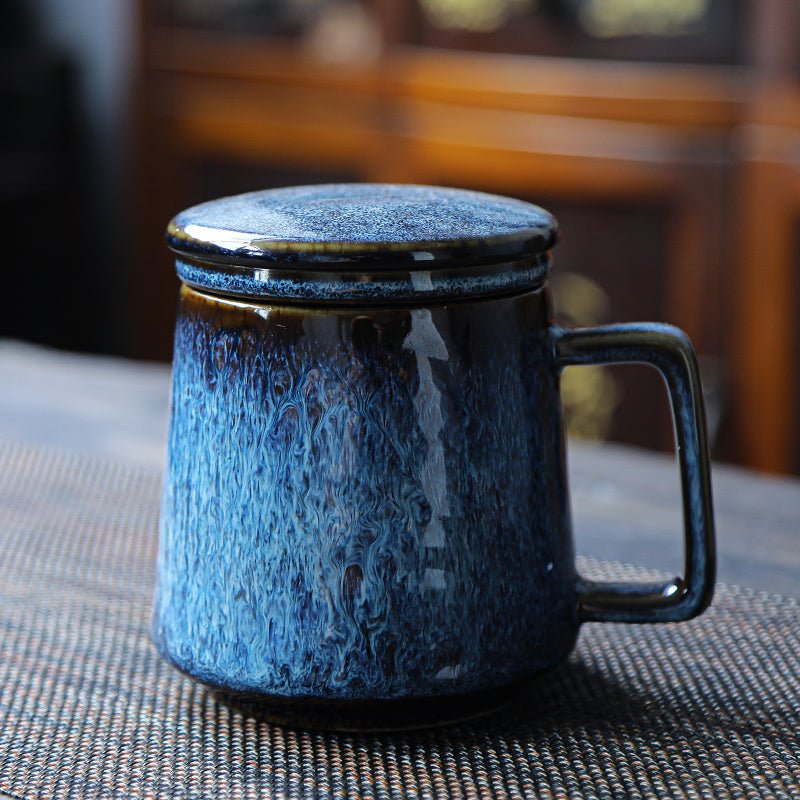
Coffee Mugs and Glasses for Everyday Use: What to Buy First
Reading time: about 9 minutes
A mug that tips on a desk, a glass that sweats onto wood, or a handle that only fits two fingers are the problems we see most often when shoppers compare coffee mugs and glasses. The right choice is usually less about style and more about how you drink at home, at work, and when you are buying a gift.
Which is better for everyday use: coffee mugs or glasses?
If you mainly drink hot coffee, tea, or cocoa, a mug usually wins. The thicker wall, handle, and wider base make it easier to carry from the kitchen counter to a desk without wrapping your hand around hot ceramic or worrying about condensation.
Glasses make more sense for iced coffee, cold brew, layered drinks, and water alongside a coffee setup. You can see the drink, which is useful for presentation, but that same clear wall usually gives you less heat retention and more temperature transfer in the hand.
| Drinkware | Best for | Main strength | Trade-off |
|---|---|---|---|
| Coffee mug | Hot coffee, tea, cocoa, office desks | Comfort, grip, and heat hold | Not ideal for drinks you want to showcase |
| Glass | Iced drinks, cold brew, serving | Clean presentation and visibility | Less forgiving with heat and condensation |
In our experience, most shoppers end up needing one of each. A mug covers the everyday hot-drink routine. A glass covers the cold-drink side of the kitchen. If you only want one piece to start with, buy the one that matches your most common morning drink.
Which mug styles feel best in hand?
The handle is usually what makes or breaks a mug. A handle that is too narrow can feel awkward with larger fingers, especially when the mug is full and heavier. A handle with enough clearance lets you lift the cup without pressing knuckles against the body.
For a straightforward daily piece, the Round Coffee Tea Mug is the cleanest place to start. It is the kind of shape that works on a kitchen counter, a shared office table, or an unbox-and-use gift set without needing any explanation.
If you want something more decorative, the Elk and Moon Coffee Tea Mug and Koi Fish Coffee Tea Mug add more personality while still serving the same daily purpose. That matters for gifting. A mug with a clear visual theme feels more personal when someone opens the box, but it should still be practical enough to live on a desk or in a cabinet.
For shoppers comparing the full range, our collection of coffee mugs and glasses is the fastest way to scan shapes, styles, and matching pieces without bouncing between separate pages.
How do size and shape affect the way you actually use it?
Size changes the experience more than most people expect. A 12 oz mug is often the most balanced choice for drip coffee and tea. It is large enough for a normal pour without feeling oversized, and it usually leaves enough headroom to avoid spills on the walk from the kitchen to the desk.
Step up to 14 oz if you like room for milk, cream, or a little extra coffee without filling the cup to the rim. A 16 oz mug suits people who sip slowly, keep refills to a minimum, or use larger brewing batches. A 20 oz mug is useful for long work sessions, but it is not the best fit if you want a concentrated cup that stays hot and comfortable to hold.
If you are narrowing down capacity, these guides go deeper into fit and daily use: 12 oz coffee mugs, 14 ounce coffee mugs, and 16 oz coffee mugs. If you are between sizes, those three articles are the quickest way to compare how much actual room you will have for coffee, milk, and foam.
Shape matters too. A rounder mug usually feels more familiar in the hand and is easier to rinse. A taller, narrower shape can look sleek on a shelf, but it may cool unevenly and feel less stable if the base is small. For glasses, a heavier base is useful because it keeps the cup planted when you are pouring iced coffee over ice cubes or setting it down on a busy counter.
What details should you inspect before buying coffee mugs and glasses?
We look at a few practical details every time we handle new stock. None of them are glamorous. They are the things that decide whether a piece feels solid on day one or annoying by week two.
- Rim finish: Run a finger around the lip. A smooth rim feels better every morning. Rough spots, glaze bumps, or a sharp seam are small defects that become obvious fast.
- Handle clearance: Make sure your fingers fit without squeezing. If the handle is tight, the mug will feel heavier than it should, especially when filled to the top.
- Base stability: A flat, balanced foot ring matters on a crowded desk or a kitchen counter with a charger, spoon, and notebook all in the same space.
- Material behavior: Ceramic is the usual choice for hot drinks because it holds heat well and feels sturdy. Glass is better when the drink itself is part of the presentation, especially for cold brew or iced coffee.
- Care routine: Plain ceramic and many glasses handle everyday dishwasher use, but printed surfaces, metallic accents, and delicate finishes usually last longer with hand washing.
The common defects we watch for are not subtle: a hairline crack near the handle, an uneven base that rocks on a table, a rough rim, or tiny glaze pinholes. On glasses, chips at the lip and clouding from hard water are the usual complaints. Those are the details that separate a piece that gets used from one that gets pushed to the back of the cabinet.
Which option fits an office desk, a kitchen shelf, or a gift box?
Office desks are usually the easiest call. A mug is safer and more practical because it handles heat better and does not leave the same condensation ring that a cold glass can leave on wood. If the desk gets bumped often, a lower, wider mug is usually a better pick than a tall glass.
Kitchen shelves tell a different story. Glasses stack neatly and work well for water, iced drinks, and serving. Mugs create more visual variety, which is useful if you keep your drinkware open on a shelf and want something that feels less plain.
Gift buying is where style and utility need to stay balanced. Decorative mugs are easier to personalize for a coffee drinker because they are useful every day and still feel special when unwrapped. Glasses are a better gift only when the person already drinks a lot of iced coffee, cold brew, or mixed drinks served over ice.
If you are shopping for a gift and want more guidance on size first, the breakdowns on 12 oz coffee mugs and 16 ounce coffee mugs are a useful starting point. They help you avoid the most common mistake, which is buying by appearance only and ignoring how the cup will feel after a week of actual use.
The best everyday drinkware is the piece you can rinse, refill, and set down without thinking about it.
What should you avoid buying?
Do not buy a mug just because it looks large. A cup that is too big can cool your coffee faster, feel awkward in smaller hands, and crowd out the rest of your desk setup. Bigger is not automatically better.
Do not choose a glass if you know you pour boiling or near-boiling liquid directly into the cup and then carry it around the house. Thin glass is not the right match for that use pattern. If hot coffee is your daily routine, a mug is the safer, more forgiving choice.
Do not ignore handle shape, even on decorative pieces. A pretty mug that pinches your fingers or forces you to hold it with two fingertips will not stay in rotation. The same applies to glasses with a narrow grip zone that feel slippery after condensation starts.
- Skip thin rims if you prefer a comfortable sip.
- Skip wobbly bases if you drink at a busy desk or shared counter.
- Skip oversized capacities if you usually finish one standard cup and move on.
- Skip delicate finishes if the piece will go through frequent dishwasher cycles.
That is the trade-off we see most often: the prettiest piece is not always the most useful piece. If you need something for everyday hot coffee, choose comfort first and decoration second. If you need presentation for cold drinks, choose clarity and shape first.
Frequently asked questions
Are coffee mugs or glasses better for hot coffee?
Coffee mugs are usually better for hot coffee because they are easier to hold, more stable on a table, and better at hiding some heat from your hand. Glasses can work for hot drinks, but they are a weaker choice for daily use unless the design is specifically meant for heat.
Can I put coffee mugs and glasses in the dishwasher?
Many plain ceramic mugs and many drinking glasses are dishwasher safe, but the finish matters. Printed artwork, metallic trim, and delicate decals usually last longer with hand washing. If you want the safest routine, place them on the top rack and avoid overcrowding.
What size mug is best for daily use?
Most daily drinkers do well with 12 oz to 16 oz. Choose 12 oz if you want a standard cup that stays easy to handle, 14 oz if you add milk or cream, and 16 oz if you like longer pours or fewer refills. Bigger mugs are useful, but they are not automatically more comfortable.
Should I buy a mug or a glass as a gift?
A mug is the safer gift if you want something useful for a wide range of people. A glass makes more sense for someone who drinks iced coffee, cold brew, or serves drinks visually. If you do not know the recipient's routine well, start with a mug.
What should I buy first if I want both coffee mugs and glasses?
Start with one mug for hot drinks and one glass for cold drinks. If you only want to buy one piece today, choose the mug first because it covers the broadest use case. Then compare the rest of the range in our collection and match the second piece to how you actually drink coffee at home or at work.
If you want the quickest next step, compare handle width, base stability, and care routine, then open the full collection of coffee mugs and glasses and choose the piece that fits your daily drink, not just the shelf photo.
Read more
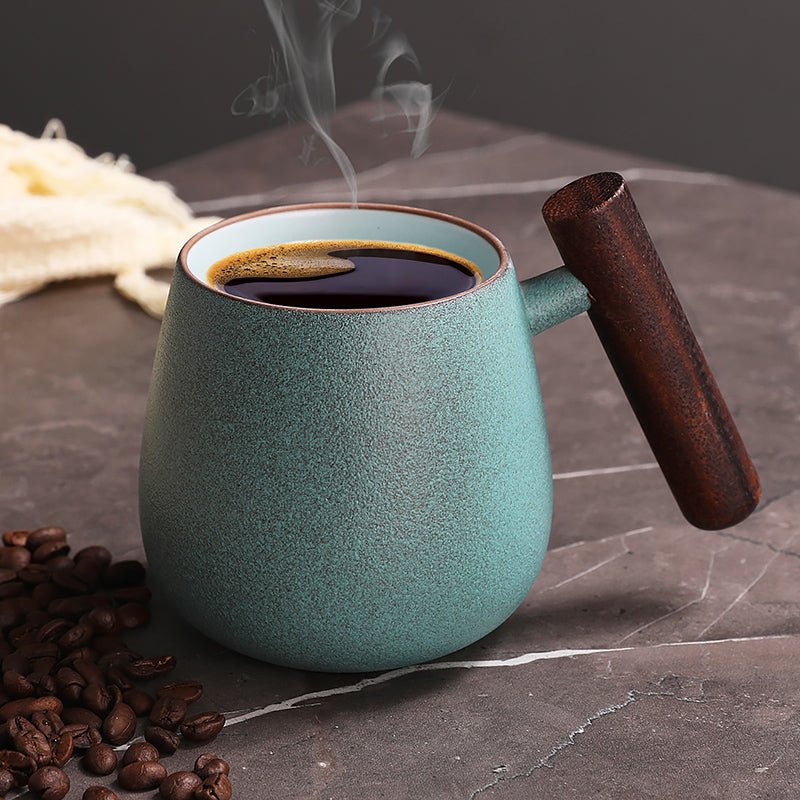
Giant Coffee Mug Buying Guide: Size, Shape, and Real-World Fit
A giant coffee mug should feel steady, comfortable, and easy to clean, not just oversized. We break down the shape, handle, and finish checks we use before recommending one.
Per saperne di più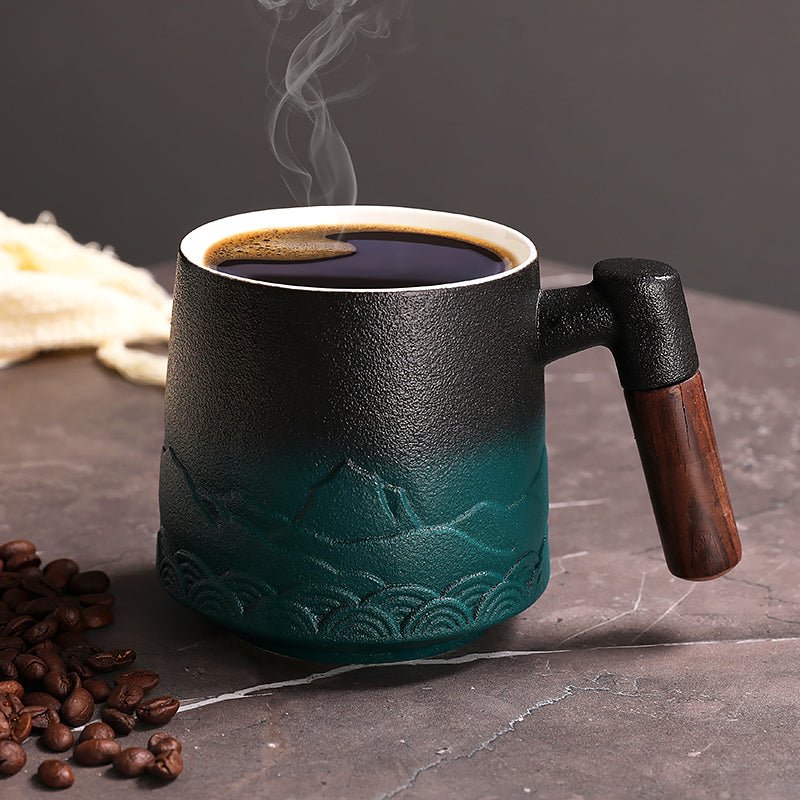
Glassware Coffee Mugs: How to Choose the Right One for Daily Use
Glassware coffee mugs can look elegant on a kitchen counter, but the right pick depends on heat retention, handle comfort, and how you wash dishes. This guide compares sizes, trade-offs, and Coffei...
Per saperne di più
Commenta
Questo sito è protetto da hCaptcha e applica le Norme sulla privacy e i Termini di servizio di hCaptcha.