
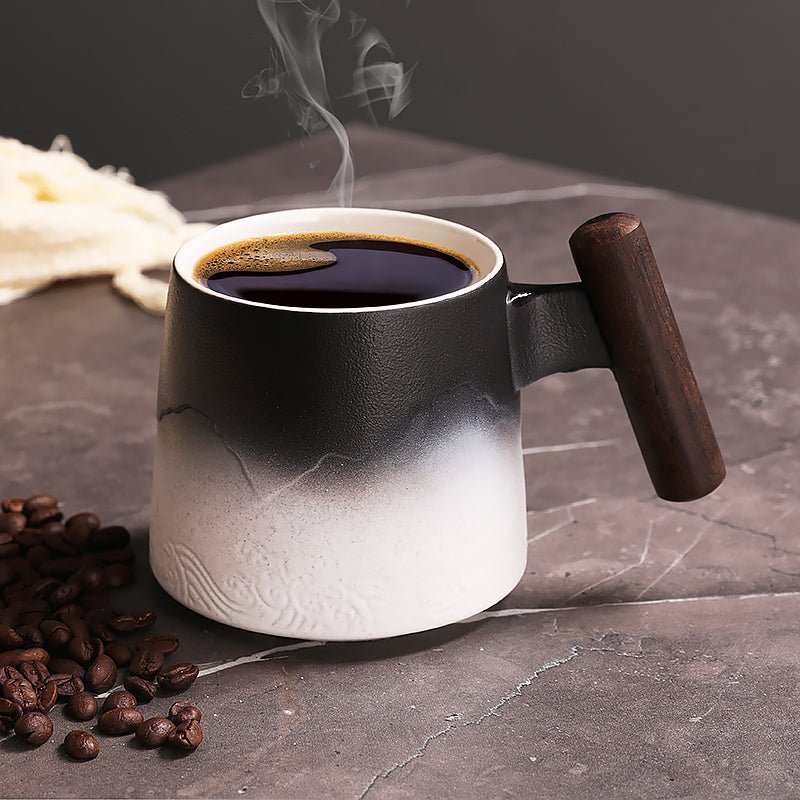
Coffee Mugs 16 oz: Size, Materials, and Fit Guide
Reading time: about 10 minutes
What does a 16 oz coffee mug actually feel like in daily use?
A 16 oz mug feels right on the counter until you fill it with a full pour of drip coffee and notice the practical details: does the handle clear your knuckles, does the rim feel comfortable, and does the mug still fit under your machine? Those are the details that separate a mug that looks good online from one that gets used every morning.
In our store, we treat coffee mugs 16 oz as the everyday sweet spot for many buyers. It is large enough for a generous pour, extra milk, or a tea bag with room to spare, but not so large that it becomes awkward for a normal kitchen shelf or desk drawer.
That said, a 16 oz mug is not the best choice for every buyer. If you mostly drink short espresso-based drinks, want a lighter cup, or need a mug that stays hot as long as possible in a car, another size or style may fit better. We see more returns and complaints from shoppers who choose size by volume alone and ignore how the mug sits in the hand.
If you want a broader comparison first, our 16 oz Coffee Mugs: What to Check Before You Buy article goes deeper on the same size, while our 12 oz Coffee Mugs: What to Check Before You Buy guide is useful if you are deciding between a standard cup and a fuller pour.
Which material is the safest bet for a 16 oz mug?
Material changes how a 16 oz mug feels more than most shoppers expect. Two mugs with the same capacity can behave very differently on a cold counter, in a dishwasher, or after a long office morning.
For everyday use, ceramic and stoneware are still the most common choices. They feel substantial, they are easy to drink from, and they usually balance heat retention with reasonable comfort in the hand. Porcelain is lighter and often has a thinner wall, which some buyers like for a cleaner sip, but it can feel more delicate and may show chips sooner if it gets knocked around.
Here is the practical version we use when advising customers:
- Ceramic: A solid all-rounder for home kitchens and office desks. It is usually microwave friendly unless there is metallic decoration or a special coating.
- Stoneware: Heavier and more rugged. Good if you want a mug that feels grounded and less flimsy, but not ideal if you prefer a lighter lift every morning.
- Porcelain: Refined and often easier to keep looking clean. Best for buyers who prefer a lighter mug and do not mind being a little more careful with chips.
- Insulated metal styles: Better for heat retention, but they change the drinking experience and are not the right pick if you want a classic mug feel or microwave use.
We call out the trade-off plainly because it matters. A thicker mug can hold heat longer, but it also takes longer to warm up and can feel bulky in smaller hands. A thinner mug feels elegant, but it may cool faster and show wear sooner around the rim.
What features should you check before you buy?
Most bad mug purchases are not about style. They come from small functional misses that only show up after a few dishwasher cycles or a few mornings of real use.
When we inspect coffee mugs 16 oz, these are the details we look at first:
- Handle clearance: Your fingers should fit without pressing into the mug body. If the handle is too tight, the mug feels annoying even when it looks great.
- Base stability: A flat, even foot keeps the mug from rocking on a kitchen counter or wobbling on an office desk.
- Rim shape: A smoother rim makes the drink feel better. Thick or uneven rims can make the mug seem clumsy even if the capacity is right.
- Glaze quality: Look for an even finish with no pinholes, rough spots, or pooling at the rim where your mouth touches the cup.
- Care compatibility: Check whether the mug is dishwasher safe, microwave safe, or both. Printed decals, metallic accents, and some specialty finishes can change that answer.
We also watch for common defect modes that generic product pages rarely mention. A mug may arrive with a hairline crack near the handle join, a foot ring that does not sit flat, or a glaze line that feels rough enough to catch your lip. Those issues are small on paper and obvious in daily use.
If a mug feels awkward empty, it usually feels worse once it is full.
That is why we recommend thinking about grip, balance, and finish before chasing a design first.
How does a 16 oz mug compare with 12 oz and 20 oz?
Size is where a lot of buyers overthink and under-check. A 16 oz mug is not automatically better than a 12 oz or 20 oz mug. It is simply more flexible for certain routines.
| Size | Best for | Main trade-off |
|---|---|---|
| 12 oz | Smaller coffee pours, tighter cabinets, lighter feel in the hand | Less room for milk, cream, or a large drip coffee |
| 16 oz | Daily coffee drinkers who want a fuller mug without going oversized | Can feel bulky if you prefer compact cups or small servings |
| 20 oz | Large pours, long work sessions, tea drinkers, or anyone who wants extra headroom | Heavier, bulkier, and easier to overfill on a crowded desk |
If you are still comparing, our 20 oz Coffee Mugs: What Buyers Should Check Before Ordering guide is the best next stop for shoppers leaning larger. If you are trying to keep the mug compact, the 10 oz Coffee Mug: Size, Fit, and What to Check Before You Buy article can help you compare a smaller daily cup against a 16 oz option.
We also keep a broader size cluster on the site, including the 16 Ounce Coffee Mug Buyers Guide, which is useful if you want a second opinion before checking out.
Where do 16 oz mugs work best, and where do they fall short?
In our experience, 16 oz mugs work best on a kitchen counter, at a desk, or as a gift when you want something practical rather than fussy. They feel generous without crossing into novelty size. That makes them easy to use for drip coffee, tea, hot chocolate, or even broth when someone wants a large, sturdy cup.
They are not the best choice for every situation. A ceramic 16 oz mug is a poor fit for a car cup holder, and it is not the right answer if you want a lid and spill resistance for commuting. It is also not ideal for people who drink quickly and prefer a smaller cup that stays hotter because it is finished sooner.
Real-world use matters. A mug that looks perfect in a product photo can still disappoint if the handle is too narrow for two fingers, if the base scratches a polished desk, or if the glaze shows tea staining after repeated dishwasher cycles. Those are the details shoppers notice after the first week, not the first minute.
Gift buyers should think about presentation too. A 16 oz mug feels substantial in an unboxing, but if the recipient prefers compact mugs or drinks espresso drinks only, the larger volume may not match their routine. That is why we always tell people to match the mug to the drink, not just the shelf space.
How should you care for a 16 oz mug so it lasts?
Care is straightforward, but the wrong habits shorten the life of any mug. We have seen plenty of good mugs come back looking tired because they were treated like indestructible kitchen hardware.
Use these basics:
- Wash promptly if you use coffee, tea, or cocoa often, because stains settle into textured glazes.
- Do not shock a mug with extreme temperature changes, such as moving it straight from a cold shelf to very hot water.
- Check the rim and handle after a chip, because small chips can become larger cracks with repeated use.
- If the mug has metallic trim or a specialty print, confirm the care instructions before microwaving or using high-heat cycles.
A dishwasher safe mug is convenient, but repeated cycles still reveal weak points in the glaze, decal, or handle join. If a mug is meant to be decorative first and functional second, treat it that way. If you want a workhorse mug for daily coffee, choose one with a sturdy build and a finish that is easy to clean.
That is the practical difference between a display mug and a daily-use mug. One can sit on a shelf and look good for years. The other has to survive breakfast rushes, office refills, and the dishwasher.
Which 16 oz mug should you choose from our store?
We keep our assortment focused on mugs that make sense in real kitchens, not just in staged photos. If you want to browse the current range, start with our products page or see everything in one place on our collection page.
Before you buy, use this quick checklist:
- Confirm the material and decide whether you want weight, elegance, or better heat retention.
- Check the handle width and make sure it fits the way you actually hold a mug.
- Look for an even base so the mug sits flat on the counter or desk.
- Review care instructions for dishwasher and microwave use.
- Match the size to your routine, not to the biggest cup you have ever liked once.
If you are shopping for a household with different habits, it can help to compare sizes side by side. One person may be happier with a 12 oz cup for a quick morning pour, while another needs the room of a 16 oz mug. The right answer is usually the one that reduces frustration on the counter, not the one that sounds bigger on paper.
Frequently asked questions
Is a 16 oz coffee mug too big for everyday coffee?
Not usually. For many people, 16 oz is the most practical everyday size because it leaves room for a full pour plus milk or cream without feeling oversized. It becomes too big if you mostly drink short servings or prefer a lighter mug in the hand.
Are 16 oz coffee mugs microwave safe?
Many ceramic and stoneware mugs are microwave safe, but not all of them are. Metallic accents, specialty prints, and some decorative finishes can make a mug unsafe for microwave use, so always check the product care notes before heating.
What material is best for coffee mugs 16 oz?
For most buyers, ceramic or stoneware is the safest default because it balances comfort, durability, and everyday ease of use. Porcelain works well if you want a lighter mug with a cleaner feel, while insulated metal is better for heat retention but changes the drinking experience.
Will a 16 oz mug fit under a standard coffee machine?
Sometimes, but not always. The answer depends on the mug height, handle shape, and the clearance under your brewer, not just the capacity. If your coffee machine already feels tight with taller cups, check the mug dimensions before ordering.
Should I choose 12 oz, 16 oz, or 20 oz?
Choose 12 oz if you want a smaller, lighter cup. Choose 16 oz if you want a balanced daily mug with enough room for a fuller pour. Choose 20 oz if you want extra capacity and do not mind a larger, heavier mug on the desk or counter.
If you want the quickest next step, compare the mug size you use now against the checklist above, then browse our full collection or current products and pick the mug that matches your drink, your grip, and your dishwasher routine.
More from our blog
Read more

Ceramic Coffee Mugs Starbucks Buyers Should Check Before Buying
A practical buyer’s guide to ceramic coffee mugs starbucks shoppers compare before ordering, with size, finish, handle, care, and real-world trade-offs explained clearly.
Per saperne di più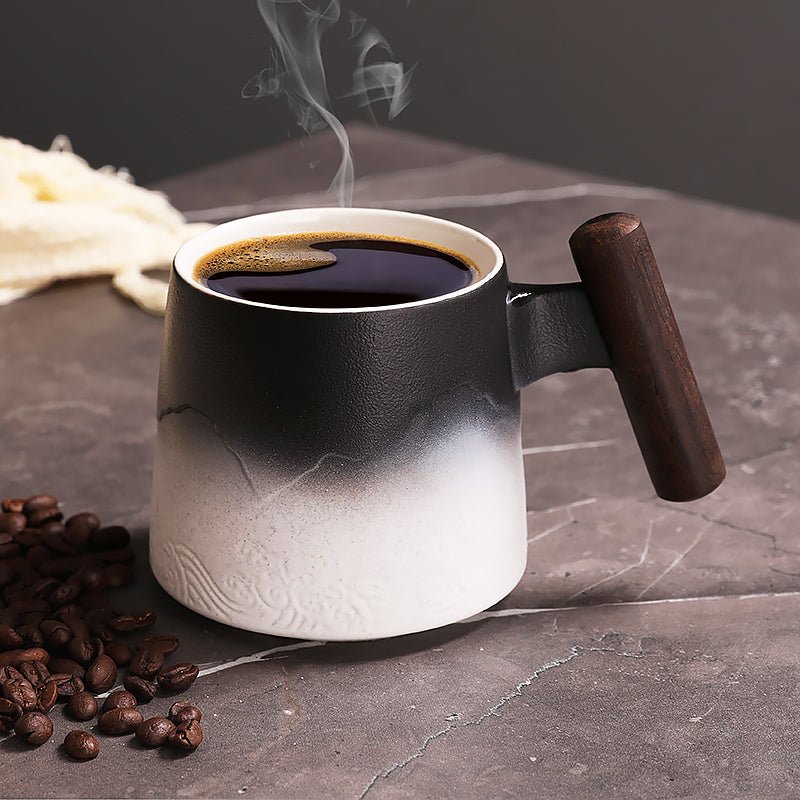
Branded Coffee Mugs: How to Choose the Right Style, Size, and Finish
Branded coffee mugs need to feel good in the hand, hold up in daily washing, and still look sharp on a desk or kitchen shelf. We break down the size, material, and finish checks we use in our store...
Per saperne di più
Commenta
Questo sito è protetto da hCaptcha e applica le Norme sulla privacy e i Termini di servizio di hCaptcha.