
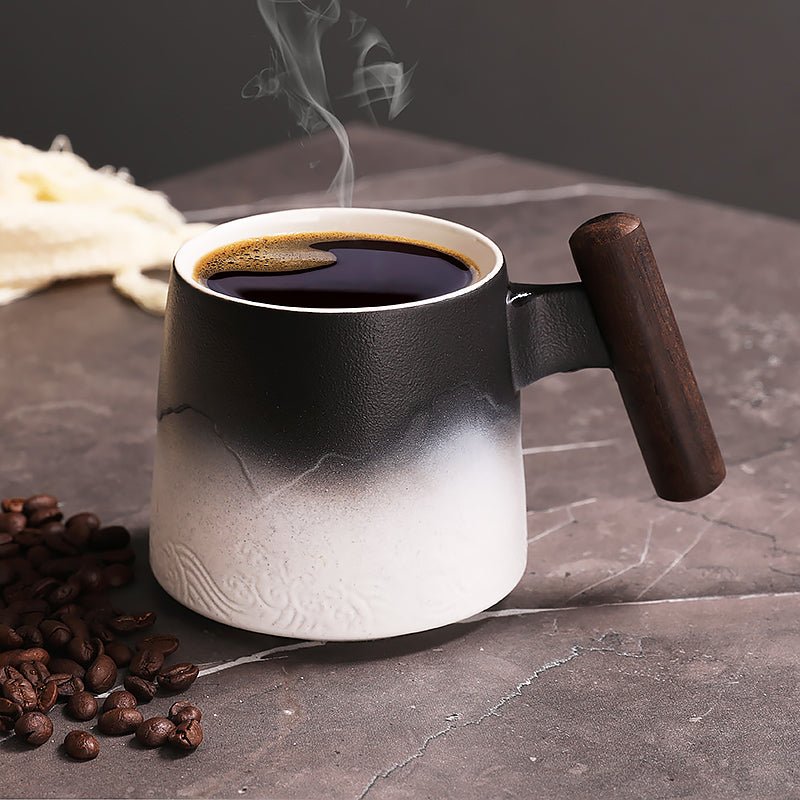
Coffee Mugs 12 oz: Size, Materials, and Fit Guide
Reading time: about 10 minutes
The mug that gets returned most often is usually not the wrong color. It is the one that feels awkward in the hand, tips too easily on a desk, or turns out smaller than the buyer expected once the coffee goes in.
That is why we treat coffee mugs 12 oz as a practical size decision, not just a style choice. In our store, 12 oz is the middle ground many shoppers want for a standard cup of coffee, a tea break, or a gift that does not feel oversized on a kitchen shelf. It is also the size where the details start to matter: handle clearance, wall thickness, glaze quality, and whether the mug actually suits the way someone drinks every day.
What does 12 oz actually hold for a daily coffee drinker?
A 12 oz mug usually gives you room for a regular drip coffee with a little headspace left over, or a smaller latte without forcing the drink to spill over the rim. That extra space matters. It helps with stirring milk and sugar, and it gives you a little tolerance if you carry the mug from counter to desk.
Many 12 oz mugs are roughly 3.5 to 4 inches tall and around 3 to 3.5 inches across the mouth, though the shape changes the feel more than the raw number. A wide, shallow mug drinks differently from a taller one with a narrower opening. If you are cross-checking measurements before buying, our guides 12 oz Coffee Mugs: What to Check Before You Buy and 12 oz Coffee Mug: Size, Fit, and What to Check Before Buying go into the practical measurements we look at first.
For most people, 12 oz works well for:
- one standard mug of drip coffee
- a cappuccino or small latte with room to spare
- tea, hot chocolate, or a coffee-and-milk routine
- desk use where you do not want a bulky oversized cup
It is not the best pick if you routinely fill a mug to the top, want a giant foam-heavy drink, or prefer something that can carry you through a long meeting without refilling. In those cases, a 16 oz or 20 oz option is usually the more honest buy.
Which materials should you compare first?
Material changes how the mug feels in the hand, how long it holds heat, and how likely it is to chip or stain. We see shoppers focus on print and color first, then regret not checking the body material. That is backwards.
| Material | What it feels like | Best for | Trade-off |
|---|---|---|---|
| Ceramic | Balanced weight, familiar feel, usually smooth and easy to clean | Everyday home use, office desks, gifting | Can chip if knocked against a sink or metal rack |
| Stoneware | Heavier, thicker walls, often better heat retention | People who like a sturdy mug and a more solid feel | Heavier in the hand and can feel bulky for some users |
| Porcelain | Lighter, finer rim, more refined look | Gift sets, lighter drinkers, formal kitchen styles | Can feel thinner and may not suit people who prefer a heftier mug |
| Glass | Clear and modern, shows the drink inside | Layered drinks or presentation-focused setups | Less forgiving on temperature shock and usually less insulating |
For everyday coffee, ceramic and stoneware are the most practical choices. Ceramic is the common all-rounder. Stoneware feels sturdier and often keeps a drink warmer a little longer, but it can weigh more and take up more visual space on a desk or tray. Porcelain is a good fit if you want a cleaner, lighter look, though it is not always the best match for people who are rough on dishes.
One limitation we call out honestly: a mug that looks great in photos can still be awkward if the glaze is too glossy and slippery or if the body is so thick that the lip feels clumsy. The finish should support daily use, not just sit pretty on a shelf.
What details should you check before adding one to cart?
When we inspect mugs in our shop, we look at the same few details every time. They tell you more than the product photo does.
- Handle clearance: make sure two fingers fit comfortably through the handle. A handle that looks fine can still pinch or force an awkward grip.
- Base stability: a flat, well-cut base matters on a crowded kitchen counter or office desk. A mug that rocks slightly is annoying from day one.
- Rim finish: a smooth drinking rim feels better and is less likely to reveal rough glazing or tiny chips after washing.
- Wall thickness: thicker walls usually hold heat longer but add weight. Thin walls feel lighter but can cool faster.
- Print or decoration: decals and metallic accents can look sharp, but they may narrow care options. If the decoration is delicate, hand washing is the safer path.
- Microwave and dishwasher fit: a mug can be technically dishwasher safe and still be a poor fit for heavy daily use if the finish stains easily or the handle gets too hot.
Common defect modes are usually modest, not dramatic: a small glaze blemish near the foot ring, a handle that arrives slightly uneven, a print that wears at the edge after repeated wash cycles, or a mug that wobbles because the base was not ground evenly. Those are the issues that make a product feel cheap over time.
If you want a tighter buying checklist before choosing, our article 12 oz Coffee Mugs: What to Check Before You Buy is a useful companion read.
A mug does not need to be fancy to be good. It needs to be comfortable, stable, and easy to live with after the first week.
How do 12 oz mugs compare with smaller and larger options?
Size is where a lot of shoppers make the wrong assumption. They think a difference of 2 or 4 ounces is minor. In daily use, it is not.
- 8 oz mugs: better for espresso-forward drinks, smaller servings, or people who do not want a heavy mug. They can feel too small for a full drip coffee.
- 10 oz mugs: a compact middle option that works for modest pours, but can feel tight if you add milk or foam. Our guide on 10 oz Coffee Mug: Size, Fit, and What to Check Before You Buy is helpful if you are deciding between compact sizes.
- 12 oz mugs: the balanced everyday pick for many kitchens. They fit a standard cup without feeling oversized, but they are not ideal for people who want a large serving.
- 16 oz mugs: better for long desk sessions, bigger pours, and people who refill less often. See 16 oz Coffee Mugs: What to Check Before You Buy and Coffee Mugs 16 oz: Size, Materials, and Fit Guide if you are leaning larger.
- 20 oz mugs: better for people who want a bigger serving and do not mind more weight in the hand. They are less practical if cabinet space is tight or if the mug will be carried often. Our 20 oz Coffee Mugs: What Buyers Should Check Before Ordering guide covers that trade-off in more detail.
Our honest take: 12 oz is the safest size for a broad audience, but it is not the best size for everyone. If someone drinks a large mug to stay full through the morning, 12 oz will feel undersized. If someone prefers a smaller, more deliberate cup, 12 oz may feel too much. The right size is the one that matches the drink you actually make, not the one that looks nicest in a product photo.
Which 12 oz mug works best for gifting, office use, and home kitchens?
The best 12 oz mug depends on where it will live. A mug used at a kitchen table has different needs from one sitting under fluorescent office lights beside a keyboard and notepad.
For gifts, look for a clean finish, a comfortable handle, and a style that does not depend on a very specific trend. Neutral glazes and simple shapes usually age better. In gift unboxing, the first thing people notice is how the mug feels in the hand. The second is whether it looks easy to use every day.
For office use, stability matters more than decoration. A mug that has a wide base and a handle with enough clearance is easier to use around papers, laptops, and a crowded desk. If you heat coffee in the microwave, skip designs with metallic trim or fragile decals.
For home kitchens, think about stackability and dishwasher behavior. A mug with a shape that nests well on a shelf saves space. A glaze that rinses clean after dark coffee or tea helps more than a decorative pattern that stains around the rim.
If you want to see our current styles and compare finishes, start with our products page, then browse the full collection if you want to compare all available options in one place.
How should you care for a 12 oz mug so it lasts?
Care is simple, but the details matter. A mug that survives the first month can still age badly if it gets treated like generic dishware.
- Wash it according to the finish. Plain ceramic and many stoneware mugs handle regular dishwasher use well, but printed or decorated surfaces are safer with hand washing.
- Do not use abrasive scrubbers on glossy glazes unless the finish is heavily marked. They can dull the surface over time.
- Avoid sudden temperature shock. A mug pulled from a cold cabinet and filled immediately with boiling water can be more likely to crack than one warmed first.
- Check the bottom occasionally. If you see a chip on the foot ring or a line that looks like crazing in the glaze, keep an eye on it. Those are signs the mug has taken some wear.
- Let the mug dry fully before stacking it with others. Moisture trapped between mugs can leave marks on the glaze or smell stale.
These are not dramatic problems, but they are the difference between a mug that still feels good after months of use and one that looks tired quickly.
Frequently asked questions
Is a 12 oz coffee mug enough for a regular cup of coffee?
Yes, for most people it is. A 12 oz mug typically fits a standard pour with a little room left for milk or cream. If you tend to pour a very full mug or want a larger refill buffer, 16 oz is usually the better size.
Are 12 oz coffee mugs dishwasher safe?
Many are, but not all finishes age the same way in the dishwasher. Plain ceramic and stoneware often handle regular washing well, while printed graphics, metallic accents, and more delicate glazes are safer with hand washing. Always check the care note for the specific mug.
What material is best for coffee mugs 12 oz?
Ceramic is the most balanced choice for everyday use. Stoneware feels heavier and holds heat well, while porcelain feels lighter and more refined. The best pick depends on whether you value durability, weight, or a slimmer look.
Are 12 oz mugs good for lattes or cappuccinos?
Yes, if you prefer a moderate serving. A 12 oz mug usually has enough room for a cappuccino or a smaller latte with foam. If you like a very milk-heavy drink with extra room for topping, a 16 oz mug may fit better.
What should I check before buying a 12 oz mug online?
Check the material, handle size, base stability, care instructions, and whether the mug is meant for microwave or dishwasher use. Photos can hide a thin handle, a heavy body, or a shape that feels awkward on a desk. If you want a more detailed buying checklist, the guide on 12 oz Coffee Mug: Size, Fit, and What to Check Before Buying is a useful reference.
Before you buy, compare four things: material, handle comfort, base stability, and care instructions. Then choose between our current products and the full collection based on the way you actually drink coffee, not just the look of the mug in the photo.
More from our blog
Read more
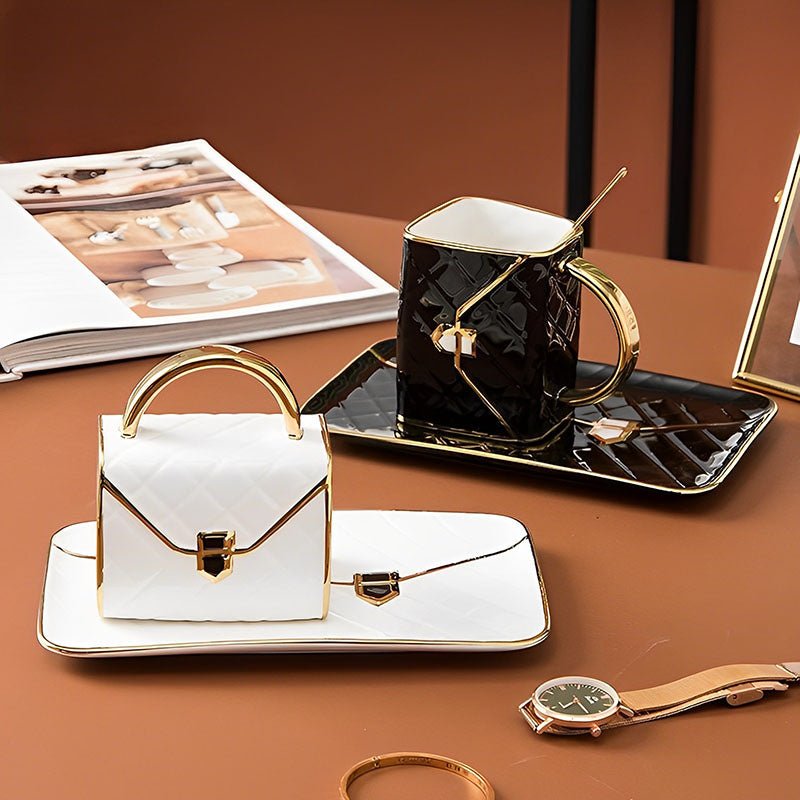
Coffee Mug Storage Ideas for Kitchens, Offices, and Gift Sets
Practical coffee mug storage ideas for cabinets, open shelves, hooks, and gift sets. We cover chip prevention, fit checks, and which layouts work best in real kitchens and offices.
Per saperne di più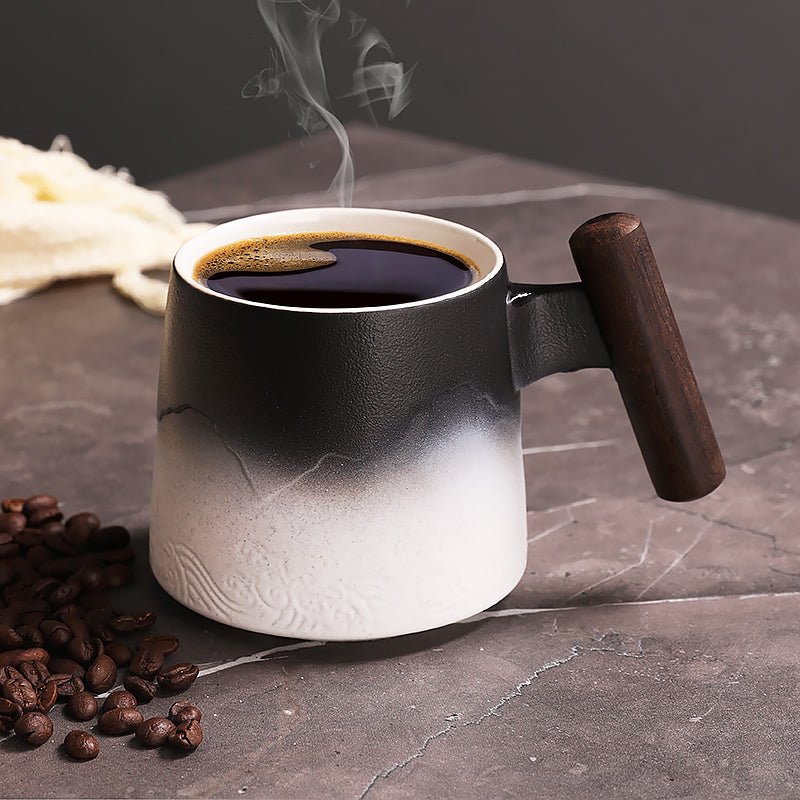
Currier and Ives Coffee Mugs: How to Choose the Right One
A Currier and Ives mug should look good on the table and still hold up to everyday coffee use. Here’s what to check for size, print quality, finish, and care before you buy.
Per saperne di più
Commenta
Questo sito è protetto da hCaptcha e applica le Norme sulla privacy e i Termini di servizio di hCaptcha.