
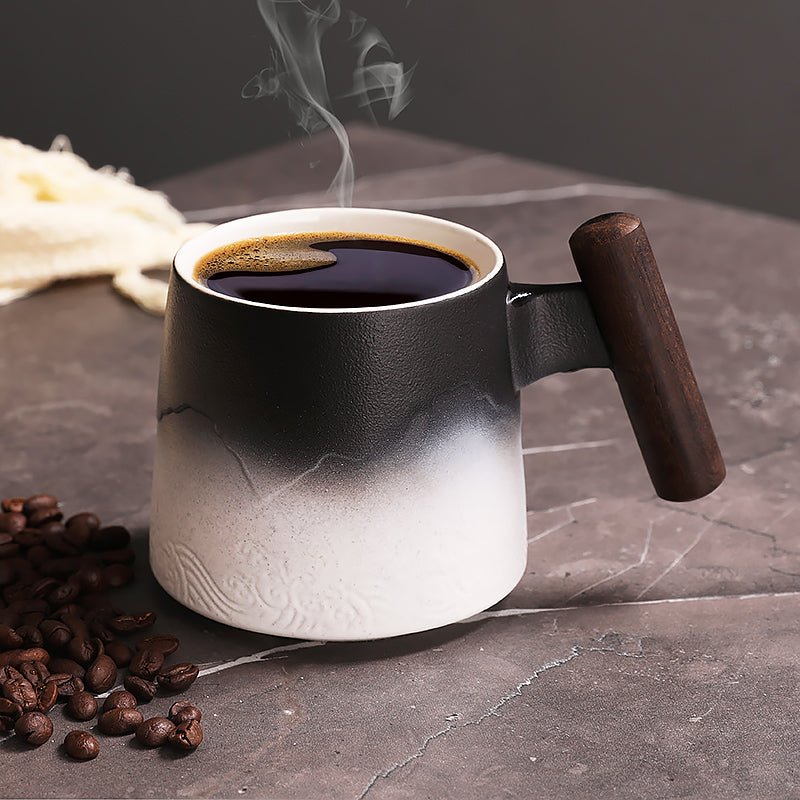
Coffee Mug Warmer Plate: What to Check Before You Buy
Reading time: about 9 minutes
A half-finished mug of coffee goes cold fast on a desk. The first sip is fine, the third is lukewarm, and by the time the meeting runs long, the cup is mostly a reminder that heat escapes whether you want it to or not. A coffee mug warmer plate solves that basic problem, but only if you choose one that matches the mug you actually use and the way you work.
We see the same buying pattern in our store all the time: someone wants a simple warm plate for a desk, a kitchen counter, or an office cubicle, then realizes not every mug sits flat, not every warmer heats the same way, and not every setup is worth the outlet space. If you want a practical starting point, our Coffee Mug Warmer: What to Check Before You Buy One guide covers the broader basics, and our Best Coffee Mug Warmer: What to Buy for Desk, Home, or Office Use article compares use cases in more detail.
What does a coffee mug warmer plate actually do on a desk or counter?
A coffee mug warmer plate is a low-profile heated base designed to slow temperature loss in a mug that is already filled. It is not a brewer. It is not a kettle. It is a holding tool for coffee, tea, or hot cocoa after the drink is poured.
In practical use, the warmer plate sits on a flat surface, plugs into an outlet or USB-style power source depending on the model, and transfers gentle heat through the base of the mug. That matters because the mug has to make solid contact with the plate. A curved bottom, a thick double-wall design, or a mug with a recessed base can reduce contact and limit performance.
That is why this category is more specific than people expect. A coffee mug warmer plate can be perfect for one office setup and disappointing in another. A ceramic mug with a flat bottom usually behaves well. A travel tumbler with a narrow base often does not.
Our team looks at this as everyday utility, not novelty. On a kitchen counter, the plate needs to stay stable near a spoon rest, sugar jar, or tea setup. On a desk, it has to fit beside a keyboard without turning the whole workspace into a cord maze. The best choice is the one you will keep using without thinking about it.
Which mugs work best on a coffee mug warmer plate?
The mug matters as much as the plate. We tell buyers to start with the mug they already reach for most often, then check whether its base is compatible. If you want a deeper size comparison, our 10 oz Coffee Mug: Size, Fit, and What to Check Before You Buy, 11 oz Coffee Mug: Size, Fit, and What to Check Before You Buy, and 12 oz Coffee Mug: Size, Fit, and What to Check Before Buying posts are useful companions to this guide.
These mug traits usually work best:
- Flat or nearly flat bottom for better contact with the heating plate.
- Ceramic or stoneware construction for stable heat retention and a familiar drinking feel.
- Standard mug shapes, often in the 10 oz to 12 oz range, because they tend to balance well on compact warmers.
- Moderate wall thickness, so the mug holds heat without feeling overly heavy.
These mug traits are usually a poor match:
- Travel mugs with tapered bases or insulated sleeves that block direct contact.
- Very oversized mugs that overhang the plate and feel unstable.
- Double-walled glass or vacuum-insulated drinkware, which already manages heat differently and may not benefit much from a warmer plate.
- Handmade mugs with uneven bottoms, which can wobble or heat unevenly.
If you are buying both mug and warmer together, our Coffee Warmer Mug Buyer’s Guide for Desk, Home, and Office Use is a good place to compare the two as a pair rather than as separate accessories.
What features matter most before buying a warmer plate?
The feature list is where shoppers can get distracted. A lot of listings sound similar. The difference shows up in daily use: how quickly the plate warms, how steady the heat feels, whether the surface wipes clean, and whether the design fits your mug instead of just the product photo.
| What to check | Why it matters | What we look for |
|---|---|---|
| Heating surface | Controls contact and stability | Flat, even surface with enough room for a standard mug base |
| Power and heat settings | Affects how warm the drink stays | Simple controls that are easy to use at a desk |
| Surface material | Changes cleanup and feel | Smooth, wipeable top that does not trap spills |
| Size and footprint | Determines desk fit | Compact enough for a keyboard, notebook, and mug |
| Cord placement | Reduces clutter | A cord that exits cleanly and does not force awkward mug placement |
Three concrete details matter more than most buyers expect:
- Plate diameter and mug base fit: a small plate can be fine for a standard mug, but if the base is too wide or too narrow, you lose even contact.
- Surface cleanability: spills happen, and a smooth top is easier to wipe than a textured one with seams or grooves.
- Material behavior: metal tops often feel sturdier, while glass or coated surfaces can look nicer but may demand more careful cleaning and handling.
If you are comparing product lines, the collection page at our full collection is the fastest way to compare the mugs and accessories we carry in one place.
What does a good warmer plate feel like in daily use?
The best coffee mug warmer plate disappears into your routine. You set the mug down, answer email, and come back to a drink that is still comfortable enough to sip. It should not demand attention every five minutes.
In daily use, we pay attention to a few real-world details:
- It stays put. A warmer plate that slides around on a smooth desk is annoying, especially if you bump it with a notebook or mouse cord.
- It heats evenly. Hot spots near the center and cooler edges are normal to a degree, but dramatic uneven heating usually means poor contact or a weak design.
- It is easy to reset. If you lift the mug, place it back down, and the plate resumes useful warming without a fight, that is a sign the unit fits real work habits.
- Cleanup is quick. A quick wipe after a coffee drip should be enough in most cases.
We also think about the context. On a home office desk, a warmer plate should be quiet and visually restrained. In a kitchen, it can sit beside a grinder, sugar bowl, or tea tins without taking over the counter. In a shared office, simple operation matters more than clever features because no one wants a device that only one person understands.
For buyers comparing the category as a whole, our Mr Coffee Mug Warmer: What Buyers Should Check Before Choosing One article is useful if you are trying to understand how a familiar name compares against other options.
What should a coffee mug warmer plate not be used for?
This is where trust matters. A coffee mug warmer plate is useful, but it is not the right tool for every hot drink setup.
It is not ideal for:
- Keeping a drink piping hot for hours without interruption.
- Heating cold liquid from room temperature as if it were a kettle or microwave.
- Irregular mugs that rock on the base.
- Thermal mugs and insulated tumblers that already manage temperature on their own.
There are also trade-offs that shoppers should expect. A warmer plate adds one more cord to the desk. Some finishes show fingerprints faster than others. And if the mug has a thick base, the warming effect can be slower than a buyer hopes. That does not mean the category is weak. It means the category works best when expectations are realistic.
In our experience, the shoppers happiest with a coffee mug warmer plate are the ones who want to extend a drink they are already enjoying, not force a drink to stay perfect for half the morning. If that is your use case, the category makes sense. If your priority is portability, a lidded insulated mug may be the better buy.
How do you choose the right one for desk, home, or office use?
The right choice depends on the environment as much as the mug.
For a desk, choose a compact plate with a small footprint and a simple control. You want enough space for a mouse, notebook, and mug without crowding the work area. For home use, a slightly larger plate can make sense if it lives on a kitchen counter or sideboard near the coffee maker. For office use, reliability and easy cleaning matter more than styling tricks.
A practical buying checklist looks like this:
- Match the warmer plate to the mug you use most often.
- Check that the base sits flat and stable.
- Choose a surface that wipes clean easily after spills.
- Make sure the cord placement fits your desk or counter layout.
- Accept that this is a heat-maintenance tool, not a rapid heater.
If you are buying as a gift, this category works well when paired with a mug that already fits the person’s routine. A thoughtful mug and a coffee mug warmer plate feel more useful than a random gadget. That is one reason shoppers often start with our product pages at our products and then narrow down by mug size and daily use.
Frequently asked questions
Will any mug work on a coffee mug warmer plate?
No. Flat-bottom ceramic and stoneware mugs usually work best. Mugs with curved, recessed, insulated, or tapered bases often make poor contact and can heat unevenly.
Does a coffee mug warmer plate keep coffee hot all day?
It helps maintain temperature, but it does not turn a cooled drink back into a fresh pour. If you leave coffee for a long stretch, it will still change in taste and texture over time.
Is a coffee mug warmer plate good for tea and hot chocolate too?
Yes, as long as the mug sits flat and the drink is already hot when it goes on the plate. It is best for drinks you want to sip slowly rather than for fast reheating.
What size mug is easiest to use with a warmer plate?
Standard mugs in the 10 oz to 12 oz range are usually the easiest match because they tend to have stable bases and balanced weight. Very large mugs can be less stable, while small cups may not make enough contact.
How do I clean a warmer plate safely?
Unplug it first, let it cool fully, and wipe the surface with a soft, slightly damp cloth. Avoid soaking it or using abrasive scrubbers, especially on coated finishes or around seams.
If you want the simplest next step, compare your mug base against the warmer plate footprint and then browse our full collection for a setup that fits your desk, kitchen, or office routine.
More from our blog
Read more
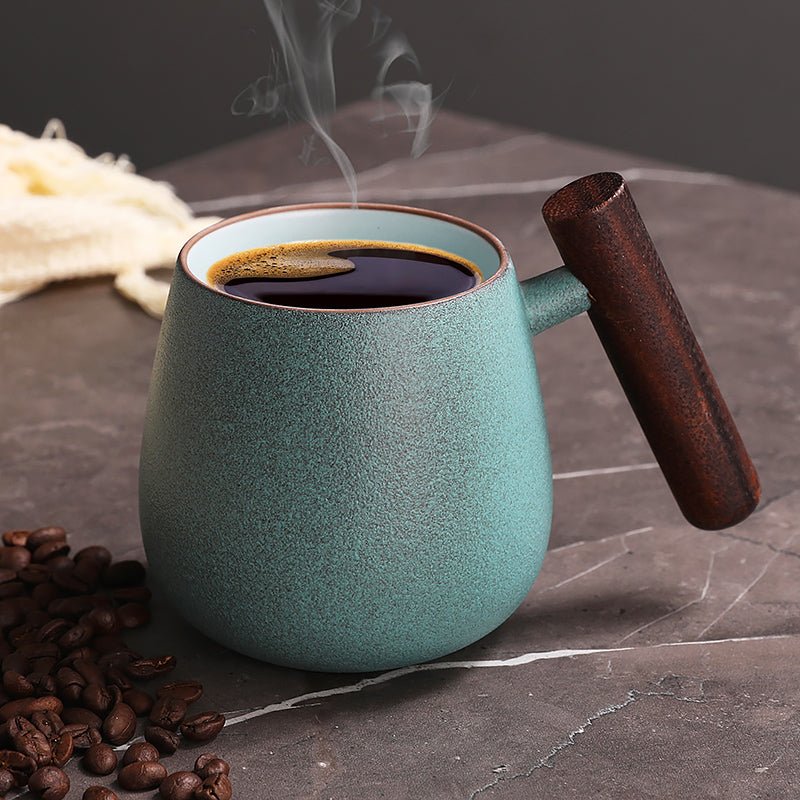
Stainless Steel To Go Coffee Mugs for Daily Use and Travel
A practical guide to stainless steel to go coffee mugs, with the details buyers actually compare: lid style, insulation, size, cleaning, and real-world trade-offs.
Per saperne di più
IKEA Coffee Mug Buying Guide: What to Check Before You Buy
A practical look at what an IKEA coffee mug usually does well, where it falls short, and how to choose a mug that fits your routine. Includes size, material, care, and a few real-world trade-offs w...
Per saperne di più
Commenta
Questo sito è protetto da hCaptcha e applica le Norme sulla privacy e i Termini di servizio di hCaptcha.