
Coffee Mug Travel Guide: What to Check Before You Buy
Reading time: about 9 minutes
A coffee mug travel choice usually fails in one of three places: the lid drips on a tote bag, the body gets too hot to hold, or the mug does not fit the car cup holder. We see those problems early in our store because shoppers often compare a desk mug, a commute mug, and a gift mug as if they are the same thing. They are not.
If you want the shortest path to a better pick, start with our Coffee Travel Mug Buying Guide: What to Check Before You Buy, then compare the current lineup in our products and all collection.
What should a coffee mug travel do well?
The best mug for travel does four things consistently: it seals, it holds temperature long enough for your routine, it fits where you use it, and it cleans without drama. That sounds basic, but it is where most bad buys fall apart. A pretty tumbler with a loose lid is still a bad travel mug.
- Seal: A leak-resistant lid needs a tight gasket and a clear closure path. If the opening or vent is sloppy, coffee will find the seam.
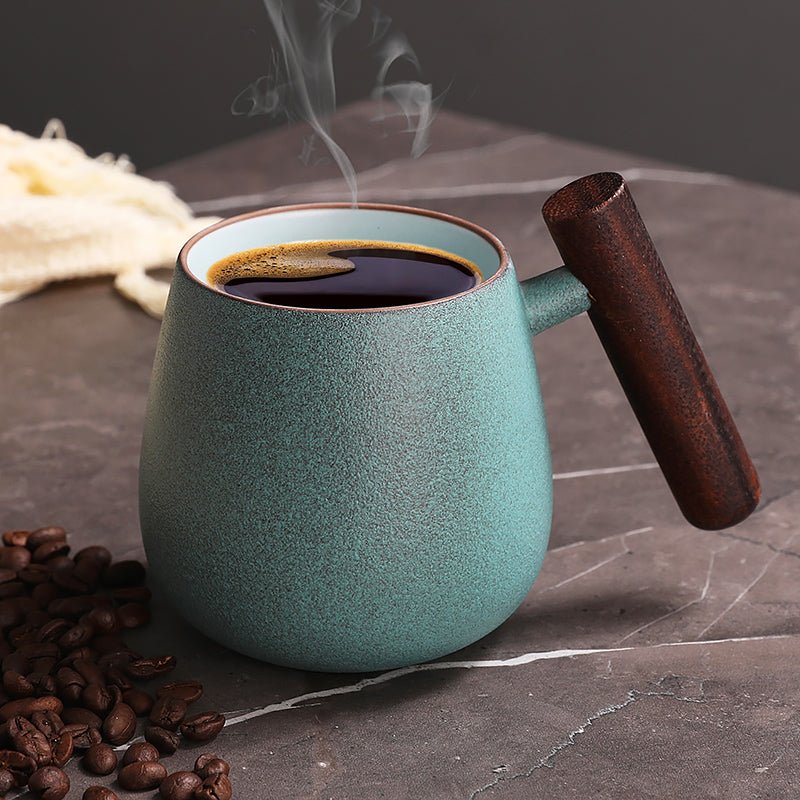
- Heat control: Double-wall insulated stainless steel usually performs better for commutes than thin single-wall mugs. A bare ceramic body feels nice on a desk, but it does not hold heat the same way.
- Fit: The mug should sit securely in a car cup holder and under a drip coffee machine if that matters to you. Tall straight-sided bodies often cause fit problems.
- Cleaning: A lid with too many hidden corners traps coffee oils. That is when the mug starts smelling stale after a few uses.
Our advice is simple: buy for the route you actually take. A mug that is perfect for a home office desk can be the wrong shape for a backpack or a car console. If your coffee stays on the same surface all morning, you do not need the same build as someone who throws a mug into a work bag every day.
Which materials are best for daily use?
Material choice is where real trade-offs show up. We often point shoppers to the material first, because it affects heat retention, taste, weight, and cleaning more than the lid color ever will. This is also where a lot of generic advice gets too vague. The body material matters.
| Material | Best for | Trade-offs | What we watch for |
|---|---|---|---|
| Stainless steel | Commutes, desk use, car cup holders | Can be heavier than ceramic and may feel less “coffee shop” than a ceramic mug | Look for a stainless body, a solid lid, and a silicone gasket that seats cleanly |
| Ceramic | Desk coffee, slower sipping, gift buying | Breaks more easily, not ideal for bags or bouncing car rides | Check that the lid fits snugly and that the handle or grip feels balanced |
| Plastic | Light carry, budget-minded use | Can pick up odors and is usually not as satisfying for long-term daily use | Make sure it is food-safe and easy to wash thoroughly |
| Glass | At-home use, visual presentation | Poor fit for commuting because it is fragile and less forgiving in a packed bag | We do not recommend glass for people who need true travel durability |
Many insulated travel mugs use stainless steel with a double-wall construction. That design helps keep the outer wall cooler to the touch while reducing heat loss. If a listing mentions 18/8 or 304 stainless steel, that is a useful sign, but only if the lid and seal are good too. A premium body with a weak cap still leaks.
If you are comparing everyday options, our Best Travel Coffee Mug: What to Check Before You Buy article goes deeper on the practical differences between body materials and lid styles.
Which lid style actually reduces spills?
Lid design is where the category gets real. A mug can look well made and still fail because the drink opening is too exposed or the gasket is not seated properly. We inspect lids for the little things shoppers notice only after the first commute: a sticky button, a vent that spits, or a slide cover that loosens over time.
- Flip lids: Easy to drink from and common on commuter mugs, but the hinge can wear if it is opened and closed all day.
- Slide lids: Convenient for one-handed use, though they can trap residue along the track if they are not cleaned often.
- Screw-on lids: Better for bag carry and rougher movement, but they are slower to open at a desk.
- Press-fit lids: Often fine for home or office use, but they are not the first choice if you need true spill protection.
We cover this topic in more detail in Travel Coffee Mug Buying Guide: Leakproof Lids, Insulation, and Fit and also in Best Coffee Travel Mug: What Shoppers Should Check Before Buying. Those guides are useful if you are comparing the lid more than the mug body.
The most common defect modes we see are not dramatic. They are small and annoying: a worn silicone ring, a vent hole that lets coffee splash when the mug is full, or a lid that seals well until it gets slightly misaligned. That is why we always say to check the closure more carefully than the photos.
What size and shape work best for commuting?
Size is where shoppers often overbuy. A bigger mug sounds helpful until it will not sit under the coffee maker, fits awkwardly in a cup holder, or feels heavy in a commute bag. Shape matters just as much. A tapered base usually behaves better in cars than a straight cylinder with a wide bottom.
- 12 oz: A good pick if you drink a standard cup and want something compact. It is also easier to handle on a crowded desk.
- 16 oz: A practical middle ground for many office and commuting routines. This is often the size people expect when they say they want a travel mug.
- 20 oz and up: Useful if you want fewer refills, but the extra height can cause fit issues in cup holders and under cabinet storage.
We often steer gift buyers toward a mid-sized option unless they know the recipient’s routine. That is the same thinking behind our Coffee Mug vs Travel Mug for Dad: Father’s Day Buying Guide. A mug that works for a long drive is not always the mug someone wants on a desk with a laptop and papers spread out.
Also watch the opening diameter. A wide mouth can be easier to clean and easier to sip from, but it may cool faster than a narrower opening. A very narrow mouth can reduce splash risk, yet it can make cleanup harder and make ice or milk additions awkward. There is no perfect shape for everyone. There is only the shape that matches your routine.
How should you clean a travel mug without ruining the seal?
A dirty lid is one of the fastest ways to make a good mug feel old. Coffee oils stick to seams, especially around the gasket and drinking vent. If the mug starts smelling stale, the problem is usually not the body. It is the lid assembly.
- Rinse the lid soon after use so milk and coffee do not dry in place.
- Take apart removable gaskets on a regular basis if the lid design allows it.
- Use the dishwasher only if the manufacturer says it is safe, and prefer the top rack when that is specified.
- Avoid abrasive scrubbers on coated exteriors because they can dull the finish and make the mug look worn faster.
- Let the mug dry fully before reassembling it. Trapped moisture can keep odors around.
This is one reason we like discussing cleanup early, not as an afterthought. A mug that is slightly harder to wash will be used less, even if it looks great at first. Our Go Coffee Mugs: How to Choose the Right Travel Mug for Daily Use article covers the day-to-day side of that decision in more detail.
We also tell shoppers to be realistic about special finishes and decorative details. A coated exterior can look sharp on day one, but it may show wear if it bangs against keys, a laptop sleeve, or other mugs in a sink. That is normal. It is not a defect. It is just the cost of using the mug every day.
Which coffee mug travel style fits your routine best?
The right choice depends on how you drink coffee, not just how you buy it. Our store sees three clear buyer patterns: people who want a commuter mug, people who want a desk mug, and people who want a gift that feels safe and useful. Each one needs a different balance of seal, comfort, and appearance.
- For commuting: Choose a stainless steel mug with a secure lid, a tapered base, and a shape that will not wobble in the car.
- For desk use: A ceramic or insulated mug with an easy sip lid can be more pleasant, especially if you do not carry it far.
- For gifting: Pick a straightforward size, an easy-to-clean lid, and a neutral finish unless you know the recipient’s routine well.
- For rough carry: Prioritize a screw-on lid and a body that can handle being tossed into a bag. A pretty but loose press-fit lid is not the right answer here.
If you are comparing brands and styles side by side, the best move is to read the product notes carefully and then filter by daily use, not by hype. Our current all collection is the cleanest place to start if you want to compare the available options without guessing.
Our rule in the store is simple: if a mug would frustrate us on a Monday morning, we do not treat it as a good travel pick.
Frequently asked questions
What is the best coffee mug travel for commuting?
The best commuting mug is usually stainless steel with a secure lid, a leak-resistant seal, and a base that fits your car cup holder. If you carry it in a bag, prioritize a screw-on or tightly locking lid over an open-sip design. A desk-friendly mug can work, but commuting puts the lid and shape under more stress.
Are stainless steel coffee mug travel mugs better than ceramic?
For travel, stainless steel is usually the safer choice because it handles bumps better and typically insulates more effectively. Ceramic feels nicer for slow sipping at a desk, but it chips more easily and is not as forgiving in a bag or car. If your mug will stay on one surface most of the day, ceramic can still be the better fit.
Can I put my coffee mug travel mug in the dishwasher?
Only if the maker says it is dishwasher safe. Even then, lids often need more care than the body, and some gaskets last longer when washed by hand. If a mug has a coated exterior or detailed lid parts, hand washing is often the safer long-term choice.
Why does my travel mug still leak after a few weeks?
Usually the problem is the lid seal, not the mug body. A silicone gasket can shift, flatten, or collect residue, and a lid can lose alignment if it is not closed fully. Clean the gasket, inspect the edges, and check whether the vent or closure is wearing down.
What size coffee mug travel should I buy for everyday use?
For most people, 12 oz to 16 oz covers everyday use without becoming bulky. If you drink larger servings or want fewer refills, go bigger, but only if the mug still fits your cup holder and storage space. Bigger is not always better if the mug is awkward to carry.
If you are ready to compare real options, use the checklist above, then browse our collection or jump straight to the current products page and compare lid style, size, and cleanup before you choose.
More from our blog
Read more
Coffee Travel Mug Buying Guide: What to Check Before You Buy
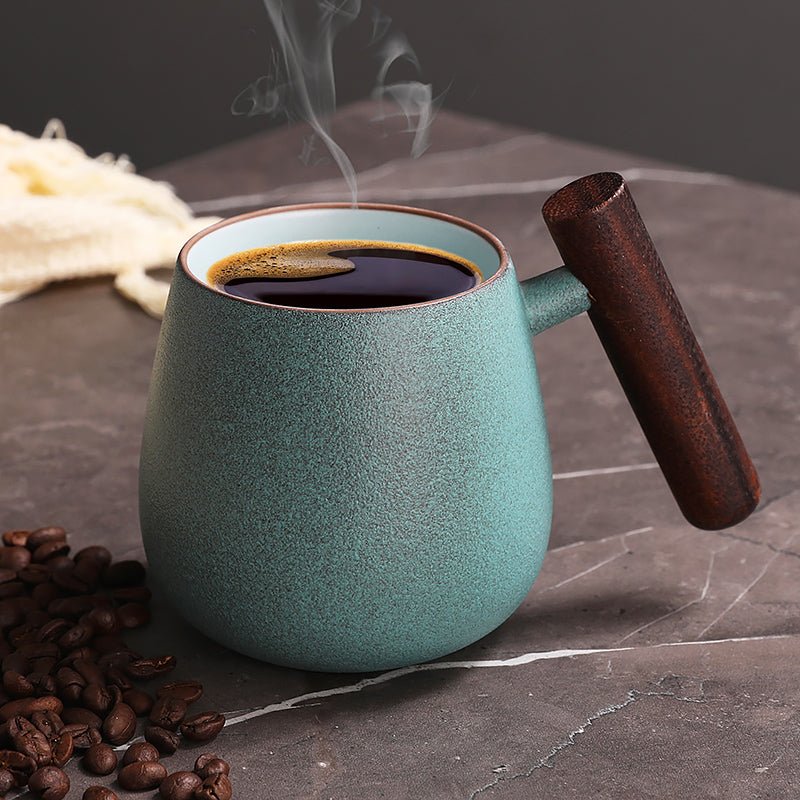
A practical coffee travel mug guide for shoppers comparing lid styles, insulation, size, and cleaning. We cover the trade-offs that matter on real commutes, desks, and gift purchases.
Per saperne di più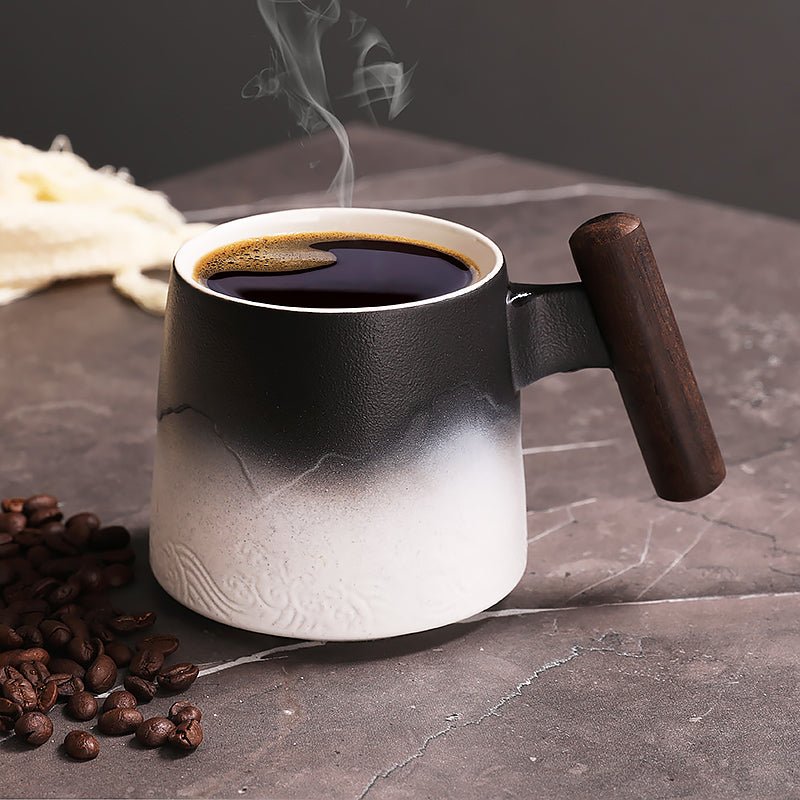
Coffee on the Go Mugs: What to Buy for Commutes and Desk Use
A practical buying guide for coffee on the go mugs, with real trade-offs on size, lid style, materials, cleaning, and fit. Built for shoppers comparing options before they buy.
Per saperne di più
Commenta
Questo sito è protetto da hCaptcha e applica le Norme sulla privacy e i Termini di servizio di hCaptcha.