
Coffee Mug Shelves: How to Choose Size, Style, and Real-Use Fit
Reading time: about 8 minutes
A shelf that looks perfect in a photo can fail fast in a real kitchen. The handles bump the wall, the bottom shelf sits too close to the countertop, or the board starts to sag after a few heavy mugs and a grinder live underneath it.
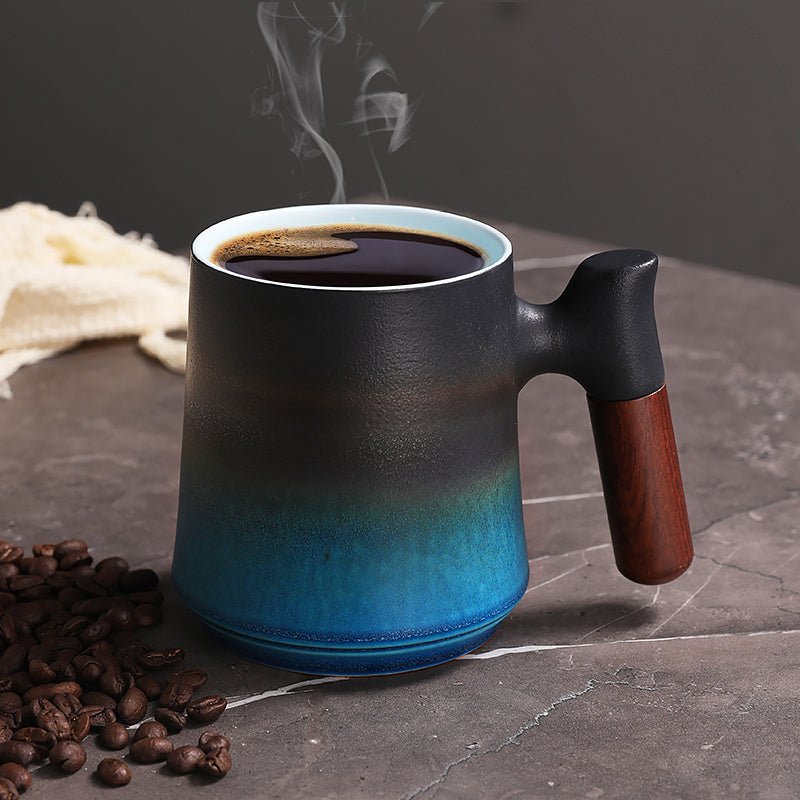
That is why we treat coffee mug shelves as a fit problem first and a decor decision second. If you already know your shelf is ready, start with mugs that actually display well, like The Cloud Coffee Tea Mug Wooden Handle, The Rock Coffee Tea Mug, or Morning Night Coffee Tea Mug. For a broader browse, our all products collection is the fastest place to compare shapes before you commit to a shelf layout.
What should coffee mug shelves solve first?
Before you pick a finish or a bracket style, decide what the shelf has to do every day. In our store, the best coffee mug shelves are the ones that make a kitchen easier to use, not just prettier to look at.
We usually see three real jobs for this category:
- Keep daily mugs visible so the first cup of the day does not require digging through a cabinet.
- Protect handles and rims from being crowded by spice jars, canisters, or decor pieces.
- Hold enough weight for real mugs, especially ceramic or stoneware that feel heavier than they look.
If the shelf is mainly for display, open shelving can work well. If you want dust-free storage or you hate seeing mixed mug styles, a closed cabinet may be a better fit. That trade-off matters more than style trends.
We also recommend reading our related setup guide, Coffee Mug Shelves: What to Check Before You Buy, if you are starting from a blank wall and need a practical checklist.
What should you check before you buy coffee mug shelves?
The most common mistake is measuring only the wall space and forgetting the mugs themselves. Handles need room. Rims need clearance. And the shelf depth has to match the way you reach for a mug, not just the way the shelf looks from across the room.
- Depth: shallow shelves can look clean, but they often push mug handles too close to the front edge.
- Height clearance: leave enough vertical room for a mug to lift out without scraping the shelf above it.
- Mounting support: a shelf fixed into studs will behave very differently from one relying on light-duty anchors.
- Finish durability: steam from kettles, dishwasher humidity, and constant hand contact can dull weak finishes quickly.
- Daily access: place the mugs you reach for most often at eye level or chest height, not tucked into the least convenient corner.
If you are matching shelves to specific cup sizes, our size articles help narrow the fit. Use the 10 oz guide, the 11 oz guide, and the 12 oz guide as a rough check on how much room each mug profile needs: 10 oz Coffee Mug: Size, Fit, and What to Check Before You Buy, 11 oz Coffee Mug: Size, Fit, and What Buyers Should Check Before They Buy, and 12 Ounce Coffee Mug Buying Guide for Daily Use and Better Fit.
Which shelf style works best for your space?
Not every shelf type solves the same problem. A narrow floating shelf works well for a clean, minimal kitchen wall. A rail system suits a small coffee corner. Open cubbies are better when you want to sort by mug type or keep a larger collection visible.
| Style | Best for | Main trade-off |
|---|---|---|
| Floating shelf | Clean kitchen displays and a few favorite mugs | Needs strong mounting and enough depth for handles |
| Wall-mounted mug rack | Frequent-use mugs in a compact coffee station | Hook spacing can crowd wide handles or oversized mugs |
| Open cubby | Collectors and color-coded mug sets | Collects dust and can look busy if every slot is filled |
| Under-cabinet rail | Small kitchens with limited wall space | Usually works best with lighter mugs and careful clearance |
Our experience is that small kitchens usually benefit from a wall-mounted solution close to the coffee maker, while larger kitchens can handle a longer shelf that doubles as a display. Offices are different again. There, the shelf needs to stay tidy even when different people use different mugs, and that usually means simpler layouts with fewer decorative pieces.
Pick the shelf type based on the mug you use most often, not the mug you use once a month for special occasions.
What materials hold up in real use?
Material choice matters because coffee mug shelves do not just sit there. They deal with weight, humidity, fingerprints, steam, and the occasional mug bump.
Wood shelves can look warm and finished, but they need a decent seal if they sit near a sink or kettle. If the finish is thin, repeated moisture can make the surface dull or slightly cupped over time. Powder-coated metal is tougher against daily handling, though it can show chips if mugs knock against the edge. Particleboard or low-density engineered board is the most budget-sensitive option, but it is also the one most likely to sag at the center or strip at the screw points if overloaded.
These are the defect modes we pay attention to in our store:
- Warping on unfinished or poorly sealed wood near steam.
- Visible sag in long shelves with no center support.
- Paint wear where mug rims or hooks touch the finish repeatedly.
- Loose anchors when the wall type does not match the fastener supplied.
If you want a shelf that will live next to an espresso machine, pick a surface you can wipe clean easily. If you are building a display wall far from water and steam, you can prioritize appearance more aggressively. The wrong choice is a delicate finish in a high-use corner.
Which mugs look best on coffee mug shelves?
The mug and the shelf should be chosen together. A slender mug with a strong handle often works better on narrow ledges, while a rounder stoneware mug can feel more stable on deeper shelving. That is one reason our team checks mug profile before we recommend a display setup.
For example, the wooden handle on The Cloud Coffee Tea Mug Wooden Handle reads cleanly on open shelving because the handle stands out visually and does not disappear into the wall behind it. The Rock Coffee Tea Mug suits a more grounded, heavier-looking shelf display. Morning Night Coffee Tea Mug works well if you want a paired look for morning and evening use without overcrowding the shelf.
Open shelving is not ideal for every mug. Very tall travel mugs, oversized novelty cups, and unusually broad handles can make a shelf look cramped fast. If your collection leans that way, deeper cubbies or a cabinet with adjustable shelves will be a better fit.
We also see better results when the shelf holds mugs you actually use instead of 12 nearly identical pieces that never leave the display. A small, edited shelf stays cleaner and is easier to maintain.
How do you keep coffee mug shelves practical, not just pretty?
Practical coffee mug shelves work because they respect daily movement. You should be able to grab a mug with one hand, put it back without turning sideways, and clean the shelf without moving ten unrelated items.
Use this simple checklist:
- Keep the daily mugs in the easiest reach zone.
- Place heavier stoneware lower if the shelf is long or narrow.
- Leave space so handles do not touch the wall or other mugs.
- Avoid placing the shelf directly where kettle steam rises every morning.
- Do not rely on decorative adhesive hardware for real weight.
There is a real limit here. Coffee mug shelves are not the best choice if you need dust-proof storage, if the wall cannot take proper fasteners, or if the display has to hold a lot of oversized mugs. In those cases, a deeper cabinet, a sturdier built-in, or a lower open unit is the better solution.
If you are buying for a gift kitchen setup or a new coffee corner, our advice is simple: start with the shelf measurement, then choose the mug shape second. That keeps the display useful after the novelty wears off.
Frequently asked questions
How deep should coffee mug shelves be?
Most coffee mug shelves work best when they are deep enough to support the mug body without crowding the handle. If the shelf is too shallow, the mug can sit uncomfortably close to the edge or the wall, which makes daily use awkward. Measure your widest mug first, then leave a little practical room for the grip and for lifting the mug out cleanly.
Are coffee mug shelves strong enough for stoneware mugs?
Yes, if the shelf is properly mounted and the material is suitable for the load. Stoneware is heavier than it looks, so long floating shelves and light anchors can become a weak point. If you plan to display mostly stoneware, prioritize solid mounting and avoid cheap board that can sag at the center.
Do coffee mug shelves work in a small kitchen?
They can, but the layout has to be tight and intentional. In a small kitchen, a wall-mounted rail, a short floating shelf, or a single open cubby often works better than a long decorative display. The key is keeping the shelf close to the coffee maker so the mugs stay useful, not just decorative.
What mugs look best on open shelves?
Mugs with clean silhouettes, balanced handles, and consistent heights usually look best. We have found that matching shapes create a calmer display than a mix of oversized novelty mugs and short cups. If the goal is a tidy visual line, choose mugs that sit evenly and do not fight the shelf depth.
Should I use coffee mug shelves for everyday mugs or special-occasion mugs?
Everyday mugs are usually the better fit because they justify the shelf space and keep the setup useful. Special-occasion mugs can work if you only display a few, but a shelf full of rarely used pieces often turns into dust collection. If the shelf is in a busy kitchen or office, daily-use mugs are the smarter choice.
If you are comparing coffee mug shelves and want the safest next step, use the checklist above, then review our all products collection alongside the mug size guides before you buy. That is the quickest way to match shelf depth, mug shape, and real everyday use without guessing.
Read more
Longaberger Coffee Mugs: How to Choose the Right Style
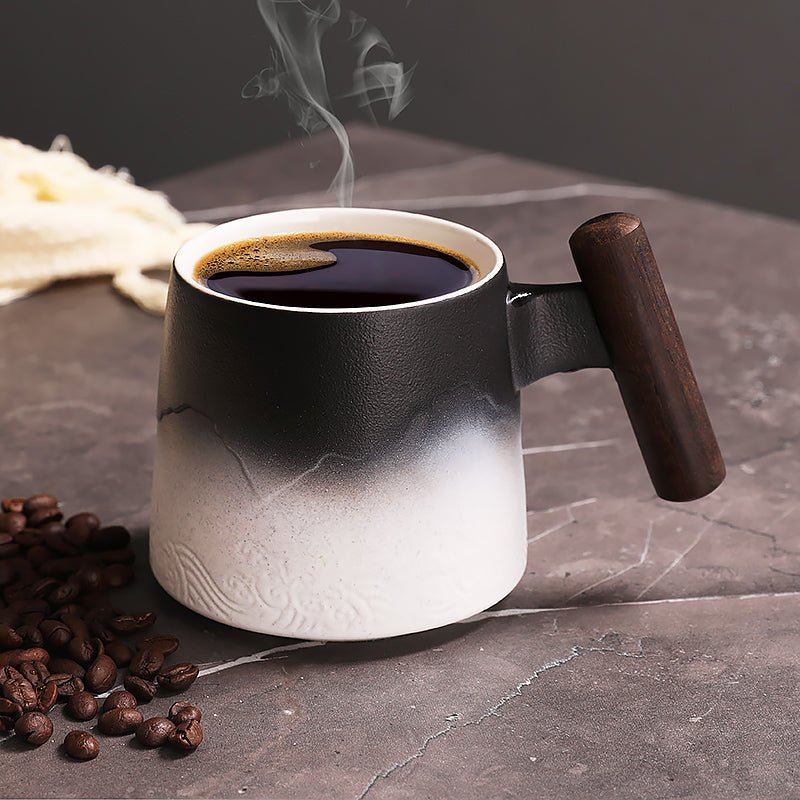
A practical guide to longaberger coffee mugs with the checks we use for size, handle comfort, condition, and daily-use fit. Includes similar mugs to compare if you want the look without the guesswork.
Per saperne di più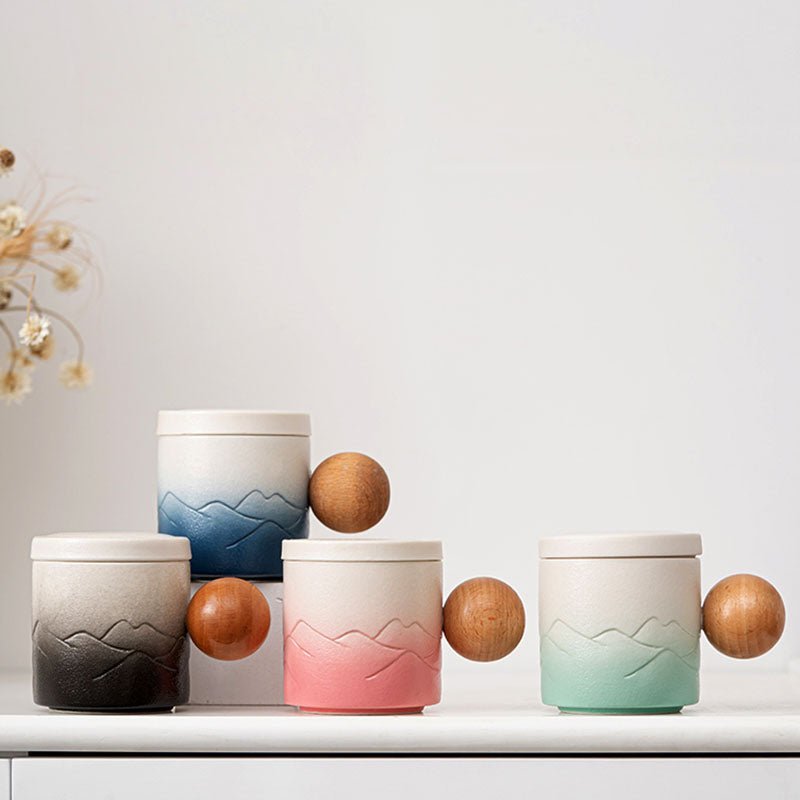
20 oz Ceramic Coffee Mug: How to Choose One for Daily Use
A 20 oz ceramic coffee mug gives you more room for a full pour, but size alone does not tell you if it will feel balanced in the hand. We break down fit, heat, care, and real trade-offs so you can ...
Per saperne di più
Commenta
Questo sito è protetto da hCaptcha e applica le Norme sulla privacy e i Termini di servizio di hCaptcha.