
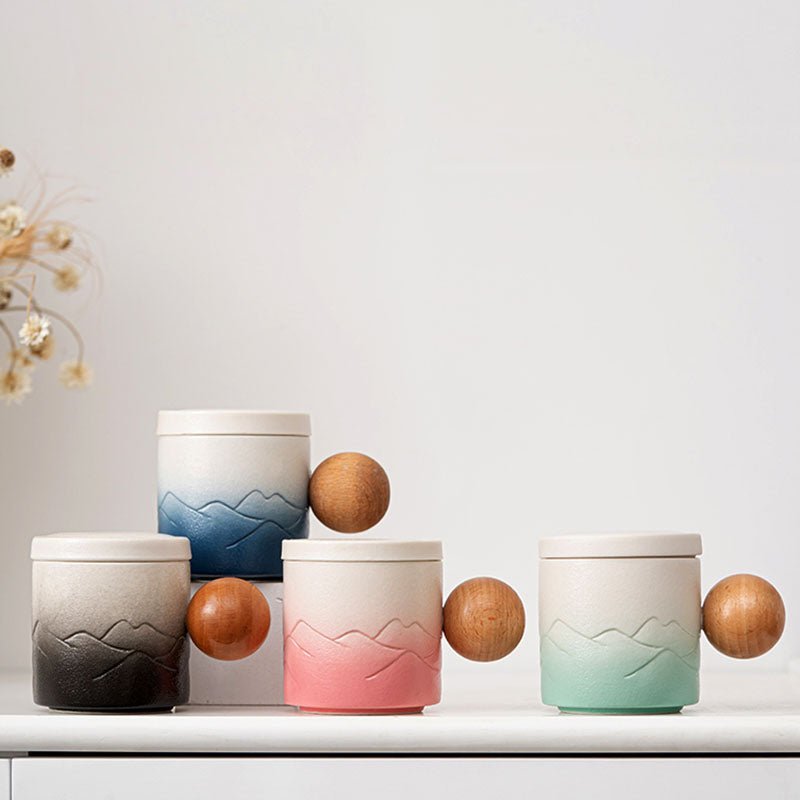
Coffee Mug Shelf Display Ideas for Real Kitchens and Small Spaces
Reading time: about 10 minutes
A coffee mug shelf display looks simple until you try to fit real mugs on it. One handle sticks out too far, one shelf is too shallow, and suddenly the “styled” setup becomes the place you keep bumping your hand every morning.
We see this a lot in our store: shoppers want something that looks good, but they also want mugs they can actually reach, wash, and put back without rearranging the whole kitchen. The best display is usually the one that fits your daily routine first and looks good second.
If you are still comparing display styles, our Coffee Mug Display Shelf Buying Guide for Real Kitchen Use is a good place to start. It goes deeper on shelf types, mounting choices, and the practical details that make a setup easy or annoying to live with.
What makes a coffee mug shelf display work in a real kitchen?
A good coffee mug shelf display does three things well: it holds the mugs you use most, it leaves enough room for handles, and it does not turn into a dust collector that you ignore after a week. That sounds basic, but those are the spots where most setups fail.
In our experience, the best displays are the ones built around actual mug dimensions, not just a pretty photo. A standard mug with a broad handle needs more side clearance than a narrow cup. Tall mugs need more vertical space. And heavier ceramic mugs need a shelf that feels stable, not one that flexes when you set a mug down.
Here is what we check before we recommend a shelf:
- Shelf depth: Shallow shelves can work for mugs, but if the depth is too tight, the handles crowd the wall or edge.
- Vertical clearance: Leave room above the mug so you can lift it out without scraping the top.
- Weight support: Ceramic mugs add up fast, especially if you keep six to eight on one shelf.
- Finish and cleanup: Painted wood, sealed wood, metal, and coated wire all behave differently near steam, spills, and daily wiping.
If you are choosing mug sizes at the same time, our size guides can help with fit. We have separate breakdowns for 10 oz coffee mugs, 11 oz coffee mugs, and 12 ounce coffee mugs, plus a closer look at 14 oz and 15 oz options. That matters because shelf sizing and mug sizing should be decided together, not separately.
Which shelf style is best for mugs you use every day?
The “best” shelf depends on where you are using it. A wall shelf, a cabinet shelf, and a countertop riser all solve different problems.
| Display style | Best for | Trade-off |
|---|---|---|
| Wall-mounted shelf | Freeing counter space and creating a visible display | Needs secure mounting and careful stud placement |
| Open cabinet shelf | Keeping mugs close to the coffee station but out of sight | Less decorative, limited by cabinet height |
| Countertop riser | Renters, offices, and small coffee corners | Uses counter space and can look cluttered if overloaded |
| Floating shelf with hooks | Combining display and easy access | Not ideal for very heavy mugs or deep handles |
Wall-mounted shelves work best when you want the mugs to become part of the kitchen look. They are strong candidates for a breakfast nook or coffee bar. The limitation is simple: if the shelf is poorly anchored, overloaded, or set too high, it becomes inconvenient fast.
Countertop risers are easier to move and often easier to live with in apartments or shared spaces. The trade-off is that they take up valuable prep area. If your coffee maker already sits on the counter, adding a bulky mug shelf can make the whole station feel crowded.
For shoppers building a broader kitchen display, our Coffee Mug Display Guide for Kitchens, Offices, and Small Spaces covers how the same shelf idea changes depending on room size and use case.
How many mugs should a shelf actually hold?
Not as many as people think. A shelf packed edge to edge looks full in a product photo, but in a real kitchen it often becomes hard to use and harder to clean.
Our practical rule is to leave some breathing room. That means enough spacing to lift one mug out without knocking the next one, and enough open area so dust does not make the display look neglected.
For most homes, a better setup is:
- Daily-use mugs: Keep the front row limited to the mugs you reach for every morning.
- Occasional mugs: Store extras on a higher shelf or in a cabinet.
- Decorative mugs: Use them sparingly so the display feels curated, not crowded.
One common mistake is mixing very different mug sizes on the same short shelf. A compact 10 oz mug and a taller 15 oz mug can look fine together in a photo, but they may create uneven visual lines and different clearance needs. If you are comparing sizes before buying, those size-specific articles above are worth reading before you commit.
What materials and finishes hold up best near coffee stations?
Near a coffee station, the shelf gets more abuse than most people expect. Steam, drips, fingerprints, and the occasional splash all happen. That is why finish matters as much as style.
Here are the materials and finish choices we see most often:
- Sealed wood: Warm and homey, but it needs a durable finish. Unsealed wood near steam can stain or swell over time.
- Powder-coated metal: Clean-looking and often easy to wipe down. It can be a good fit for modern kitchens, though it may show chips if handled roughly.
- Wire shelving: Functional and light, but not always the best choice for a curated display because it can read more utilitarian than decorative.
- Glass shelves: Visually light, but they are usually better for light display items than heavy daily-use mugs unless properly supported.
We also tell shoppers to look at the contact points. The back edge of a shelf, the underside supports, and the mounting hardware matter more than most people expect. If a shelf wobbles when you set a mug down, it will not feel good after a week of use.
That is one reason we keep our own product selection simple and practical. If you want to browse mug options that actually work with a shelf display, start with our collection of CoffeifyMug products and compare sizes, shapes, and finishes before you buy.
How do you style a shelf so it looks organized instead of crowded?
A shelf display works best when it looks intentional. The goal is not to pack in as much as possible. It is to create a pattern that makes sense when you walk into the room.
We usually recommend this approach:
- Group by use: Keep the mugs you drink from most often in one easy-to-reach section.
- Match or mix with a plan: All-white mugs create a clean line. Mixed colors work too, but only if there is a repeated accent or shared shape.
- Leave negative space: Empty space helps the display breathe and makes one or two favorite mugs stand out.
- Use one anchor item: A coffee jar, small tray, or canister can keep the shelf from feeling like random mug storage.
Gift mugs deserve a special mention. When customers unbox a mug as a present, they often want to show it off before they decide where it lives. A shelf display can be a good home for a special mug, but only if it is one you will actually keep clean and accessible. If not, cabinet storage is usually the better choice.
Our experience: the nicest shelf display is not the fullest shelf. It is the one that still works on a rushed weekday morning.
What are the most common mistakes buyers make before installing a coffee mug shelf display?
The biggest mistakes are predictable, and they are easy to avoid if you measure first.
- Buying the shelf before measuring the mugs. Handle width and mug height matter just as much as shelf width.
- Ignoring wall strength or mounting method. A shelf that looks fine in a listing can still be the wrong fit for drywall, tile, or plaster.
- Overloading the shelf. Mugs are denser than they look, especially stoneware and thicker ceramic pieces.
- Forgetting cleaning access. If you cannot wipe the top edge or remove every mug easily, dust and residue build up.
- Choosing style over routine. A beautiful shelf that sits too high or too far from the coffee maker will not get used.
There are also limits to what a mug shelf should do. If you need storage for plates, bowls, jars, and mugs all at once, a dedicated mug shelf may not be enough. In that case, a larger open shelving unit or a cabinet system is usually more practical. A coffee mug shelf display is best when it is focused.
How do you measure before you buy?
Measuring first saves the most frustration. We recommend checking three things: shelf width, shelf depth, and vertical clearance.
- Width: Measure the span you can actually use, not just the total wall or cabinet opening.
- Depth: Make sure the shelf can hold the mug base without the handle hanging awkwardly off the edge.
- Height: Leave enough room to lift the mug in and out comfortably.
- Reach: If you need a stool or a stretch to reach it, it probably is not a daily-use shelf.
If you already have mugs at home, place one on a ruler or tape measure and check the handle width and overall height. That gives you a much better sense of what the shelf needs than guessing from a product photo. For shoppers still deciding which mug body size fits their setup, our size guides for 10 oz, 11 oz, 12 oz, 14 oz, and 15 oz mugs make that comparison easier.
In our store, we find that shoppers are happiest when they buy the mug and the display plan together. That is why we encourage comparing mug styles inside our product selection rather than treating storage as an afterthought.
Frequently asked questions
How deep should a coffee mug shelf display be for standard mugs?
A shelf should be deep enough that the mug base sits securely without the handle crashing into the wall or hanging awkwardly over the edge. For standard ceramic mugs, shallow shelves can work, but you need enough clearance for the handle and a safe place to set the mug down. The exact fit depends on mug shape, not just labeled ounces.
Is a coffee mug shelf display good for heavy ceramic mugs?
Yes, if the shelf is properly mounted and the weight is spread out. Heavy stoneware and thicker ceramic mugs put more demand on hardware than lightweight cups. We would avoid a flimsy floating shelf or anything that already flexes before you load it.
Can I use a coffee mug shelf display in a small kitchen?
Yes, and small kitchens are often where a shelf helps most. The key is to keep the display narrow and use only the mugs you reach for daily. If counter space is already tight, a wall-mounted shelf is usually better than a countertop riser.
What is the easiest mug display to clean?
A simple shelf with open access is usually easiest to clean because you can wipe it down without moving a lot of parts. Wood with a sealed finish and coated metal are both practical choices. Avoid anything with too many grooves or decorative corners if you want low-maintenance upkeep.
Should I display all my mugs on one shelf?
Usually no. A shelf looks better and works better when it holds a curated group instead of the entire collection. Keep the most-used mugs visible and store the rest in a cabinet or another shelf so the display stays tidy.
If you are ready to compare mug sizes and styles with a real shelf plan in mind, start with our full CoffeifyMug collection, then cross-check the fit against our display and size guides before you buy.
Read more
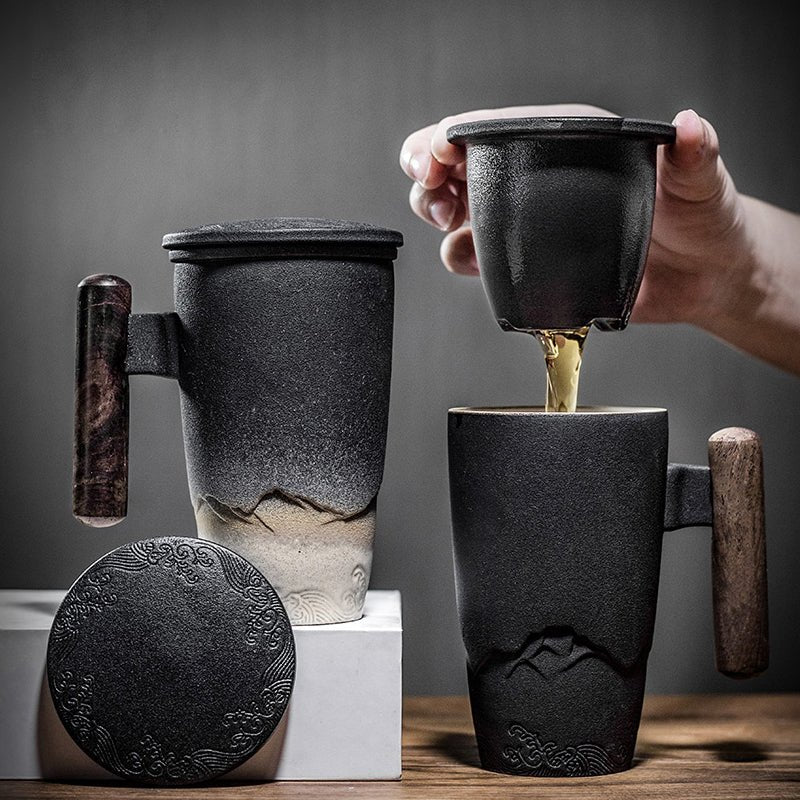
Coffee Mug Cartoon Buying Guide: Style, Size, and Print Quality
A cartoon mug can look great online and still disappoint in person if the print feels soft, the handle is cramped, or the size is off for daily use. This guide breaks down what we check in our stor...
Per saperne di più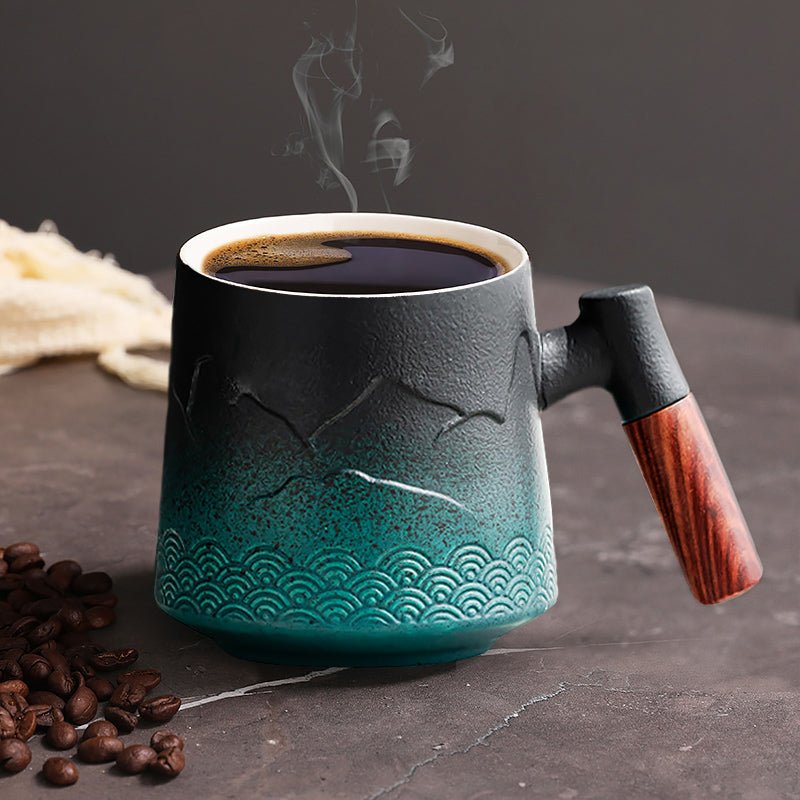
Custom Coffee Mugs with Pictures: Photo Quality and Print Checks
Custom coffee mugs with pictures work best when the photo, mug size, and print method match the use case. We break down what to check before you order, plus where photo mugs fit and where a differe...
Per saperne di più
Commenta
Questo sito è protetto da hCaptcha e applica le Norme sulla privacy e i Termini di servizio di hCaptcha.