
Coffee Mug Organizer Guide: Fit, Materials, and Best Uses
Reading time: about 9 minutes
We see the same problem all the time: three mugs you actually use every day, two oversized mugs you never reach for, and a cabinet that turns into a noisy pile the second someone grabs the wrong handle. A good coffee mug organizer fixes that without making your kitchen look like a storage aisle.
In our store, we think about mug storage the same way we think about buying the mugs themselves: the right fit matters more than the marketing. Some organizers work best in open shelving. Others are better for cabinet shelves, office break rooms, or a gift display that needs to stay neat after the box is opened. The wrong choice usually fails in small ways first—handles collide, mugs sit at a wobble, or the organizer eats up too much vertical space.
If you are comparing styles before buying, start with our collection of coffee mugs and gift-ready pieces to see how different mug shapes and handle styles affect storage. If you want a deeper breakdown of organizer styles and materials, our Coffee Mug Organizer Guide: Best Styles, Fit, and Materials goes into the details we check before recommending a setup to customers.
What does a coffee mug organizer actually solve?
A coffee mug organizer is not just about making a shelf look tidy. It solves three practical problems we see in real kitchens and offices:
- It prevents handle tangling. Tall mug handles are usually what make cabinet piles messy.
- It keeps the mugs you use most within easy reach. That matters on busy mornings.
- It reduces accidental chips. Mugs that bang together in a cabinet are more likely to get rim damage over time.
For smaller kitchens, the biggest win is usually visibility. You can see what you own instead of buying a duplicate mug because the one you liked was buried in the back. In office setups, the benefit is even more obvious: a coffee station stays organized after multiple people use it.
That said, a coffee mug organizer is not the right fix for every mug collection. If you store huge insulated tumblers, oversized travel mugs, or oddly shaped novelty mugs, you may need a deeper shelf, not a standard organizer. We would rather say that plainly than pretend one layout fits every kitchen.
Which style works best for your space?
The best coffee mug organizer depends on where the mugs live. We usually narrow it down by location first, not by looks.
| Space | Best organizer style | Why it works |
|---|---|---|
| Open counter | Compact display rack | Easy to grab, keeps the setup visible and intentional |
| Cabinet shelf | Stack-friendly or tiered storage | Makes better use of vertical space without crowding handles |
| Office coffee corner | Small footprint organizer | Stays neat when several people use the same mugs |
| Gift display | Open, clean presentation | Shows the mug shape and handle style clearly |
If your cabinet shelves are shallow, avoid anything too tall. A common mistake is buying a rack that looks neat in photos but leaves no clearance above the mug handle. Measure the shelf height, then measure your tallest mug from base to top of handle. That extra half-inch of breathing room matters more than buyers expect.
We also recommend checking the mug base diameter. A wide ceramic mug can sit securely on a shelf while a narrow-bottomed mug may shift if the organizer surface is too smooth. In our experience, that is where a lot of “almost works” storage setups fail.
What materials should you look for in a mug organizer?
Material choice affects both durability and daily cleanup. It also changes the feel of the whole setup.
- Wood: Warm, stable, and good for counters or display areas. Wood can look better next to ceramic mugs, but it should be kept dry and wiped promptly after spills.
- Metal: Usually the best option for heavy use because it resists wear well. Look closely at weld points and joints, since those are the places that show weakness first.
- Coated finishes: Helpful if you want easier cleaning, but a thin coating can chip if the organizer is knocked against hard cookware or stacked carelessly.
We pay attention to finish quality because it affects real use, not just appearance. A smooth edge matters when you are reaching for mugs early in the morning. Rough seams can snag dish towels or scratch a cabinet shelf over time. If a product has moving parts or a tension fit, we also check whether it still feels stable after repeated handling.
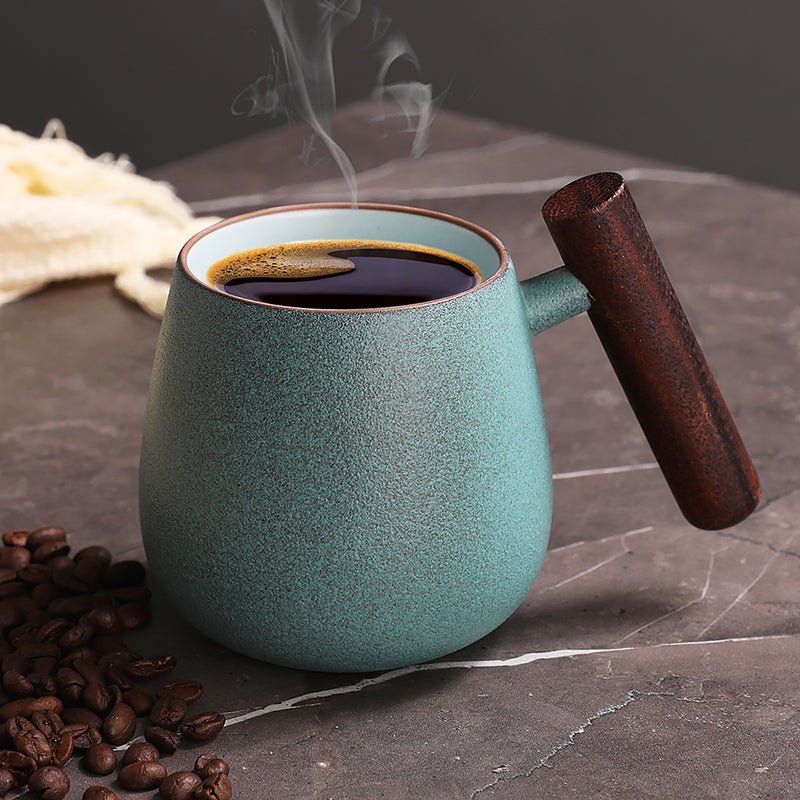
For buyers who prefer a mug with a distinctive look that still stores well on a shelf, a piece like the Green Waves Coffee Tea Mug gives you a defined shape that is easy to line up. If you want something with a warmer, more natural feel, the Mountain Sea II Coffee Tea Mug with Wooden Handle pairs nicely with wood-accented storage. And for a more sculptural profile, the The Cloud Coffee Tea Mug Wooden Handle is the sort of mug that deserves a visible spot rather than getting buried behind everyday dishes.
How do you choose the right size and fit before buying?
Size and fit are where most buyers save themselves a return. A coffee mug organizer should match the mugs you actually use, not the mug set you wish you used more often.
- Measure the mug height. Include the handle top if the organizer uses a shelf above it.
- Measure the mug width at the handle. That is often wider than the body on artisan mugs.
- Check shelf depth. A mug that fits in width can still bump the back wall.
- Decide how many mugs you want accessible at once. Daily mugs need easier access than seasonal extras.
If you buy mugs by size, our size-focused posts can help. We often point shoppers to the 10 oz Coffee Mug: Size, Fit, and What to Check Before You Buy and the 11 oz Coffee Mug: Size, Fit, and What to Check Before You Buy because those are the mug sizes where storage fit questions come up most often. For larger daily mugs, the 12 oz Coffee Mug Buying Guide for Fit, Comfort, and Daily Use is also useful.
The main trade-off is simple: a more compact organizer looks cleaner, but a looser, larger layout is easier to live with if your mugs vary in shape. If every mug in your home is different, choose flexibility over a perfect showroom look.
What should you check before putting one in a kitchen or office?
We always tell shoppers to think about use, not just placement. A coffee mug organizer has to survive real life: dishwasher unloading, quick morning grabs, shared office use, and the occasional bump from a lunchbox or toaster.
- Stability: Does it sit flat without rocking?
- Edge finish: Are there sharp corners or rough spots?
- Cleaning: Can you wipe it down quickly after coffee drips or dust?
- Handle clearance: Can mugs be removed without scraping the shelf above?
- Daily access: Can one hand remove a mug, or do you need to shuffle other pieces first?
In our experience, the most frustrating defect mode is not dramatic failure. It is the slow annoyance of a storage piece that gets harder to use after a week. Maybe the coating marks easily. Maybe the shelf spacing is just a little too tight. Maybe the organizer is fine for matching mugs but awkward once someone adds a travel mug beside it. That is why we prefer honest fit checks before purchase.
We would rather recommend a slightly larger, simpler setup that stays usable than a tight display piece that looks perfect on day one and becomes annoying by day ten.
How do you keep the setup looking neat after the mugs arrive?
The best coffee mug organizer works because it supports a habit. A little routine goes a long way.
- Keep only the mugs you use weekly in the easiest-to-reach spot.
- Place heavier ceramic mugs on the most stable surface.
- Group similar handle styles together so they stack visually, even if they do not literally stack.
- Wipe the organizer during normal counter cleaning so coffee dust and water spots do not build up.
- Rotate seasonal or guest mugs to a higher shelf or back row.
If you are organizing for a gift, this is also the part most people overlook. A mug presented in a simple, clean layout looks more intentional than one packed into a crowded box. Our team has handled enough unboxings to know that first impressions matter, especially when the mug is meant to be used every morning.
For buyers who are still comparing mug shapes as part of the storage decision, the collection page is the simplest place to browse styles together: see all CoffeifyMug pieces here. That makes it easier to choose a mug and an organizer approach at the same time instead of solving each piece separately.
Frequently asked questions
How many mugs should a coffee mug organizer hold?
That depends on your daily routine, not just your cabinet size. For most households, the best setup is the number of mugs you use each day plus one or two extras for guests. If the organizer is for a shared office, think about peak use, not average use.
Can I use a coffee mug organizer for oversized mugs?
Sometimes, but not always. Oversized mugs often need deeper shelves and more handle clearance than standard organizers provide. If your mugs are very tall or wide at the rim, measure before buying rather than assuming a standard rack will fit.
What material is easiest to clean?
Smooth-coated metal or a wipeable finished surface is usually easiest for quick cleanup. Wood can still work well, but it needs a little more care around moisture and spill cleanup. If your setup is next to the sink, make sure water will not sit on the surface.
Is a coffee mug organizer better than stacking mugs?
For daily use, yes, if you want faster access and less chipping. Stacking saves space, but it also makes handles harder to reach and can create awkward pressure on delicate rims. If space is extremely limited, stacking may still be the better trade-off.
What should I buy first: the mugs or the organizer?
We recommend choosing the mugs first if you care about fit and handle style. The organizer should match the real dimensions of the mugs you will store, not the other way around. If you are buying both, measure the mugs you already own before committing to a layout.
If you want a practical next step, start by measuring your shelf height, mug height, and handle clearance, then compare those numbers against the mug styles you actually use. After that, browse our full collection and choose the mug shape that fits your space instead of forcing your space to fit the mug.
Read more
Tall Coffee Cups for Daily Use: How to Choose the Right One
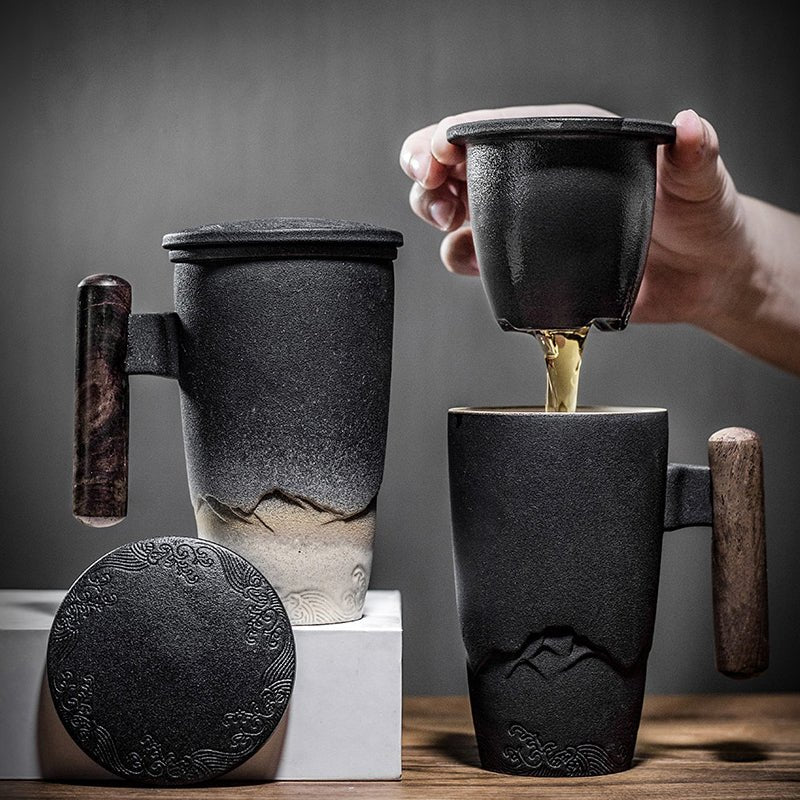
Tall coffee cups are a better fit than standard mugs if you want a slimmer profile, a more generous pour, and a cup that still looks right on a desk. We break down the trade-offs, the finishes to c...
Per saperne di più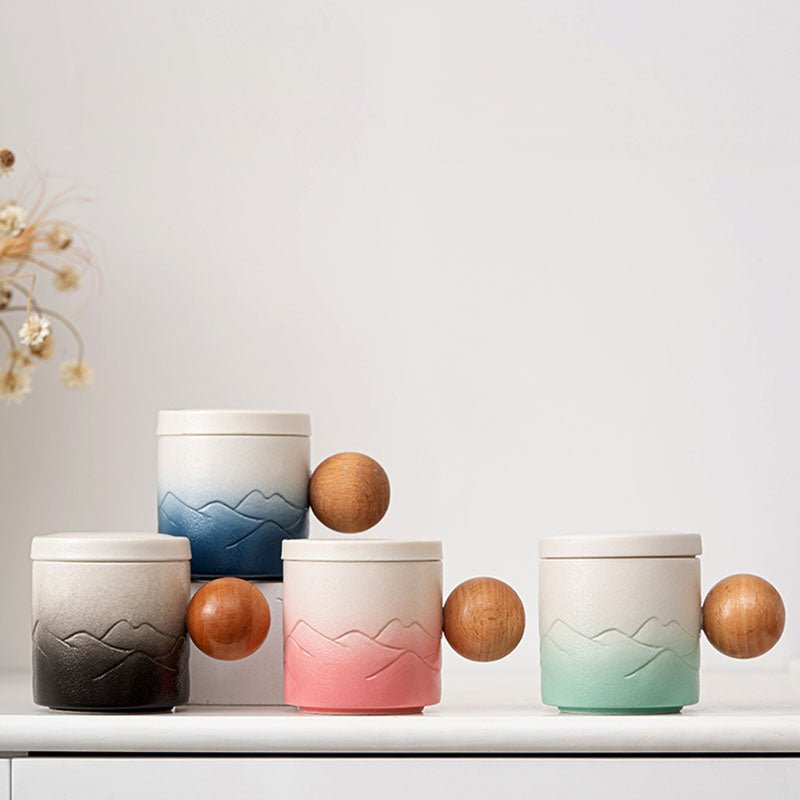
Apple Coffee Mug Buying Guide: Size, Material, and Gift Fit
An apple coffee mug should do more than look seasonal. This guide covers the size, material, handle comfort, and care details that matter before you buy.
Per saperne di più
Commenta
Questo sito è protetto da hCaptcha e applica le Norme sulla privacy e i Termini di servizio di hCaptcha.