
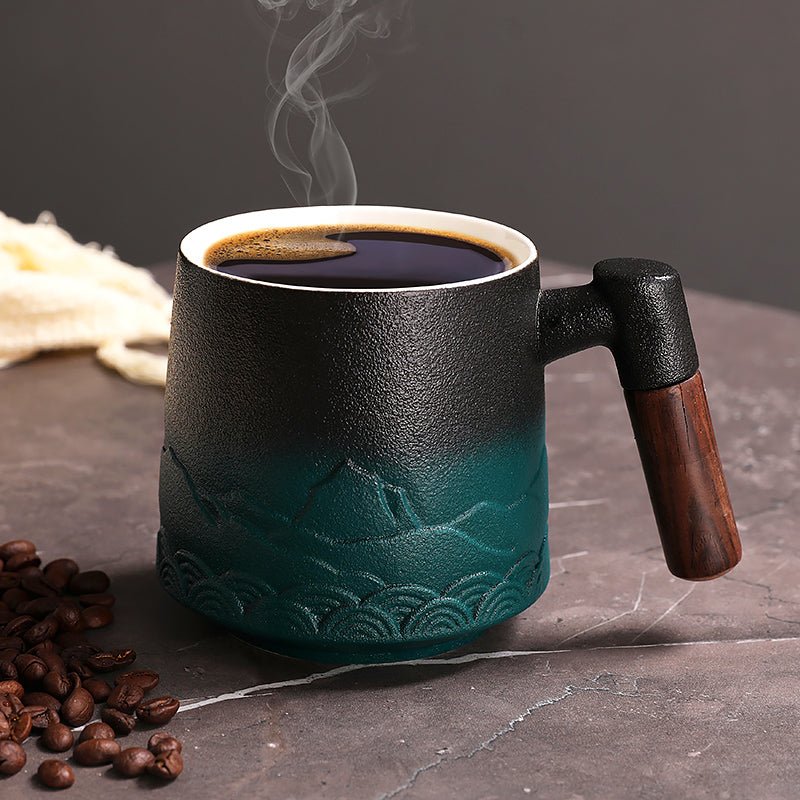
Coffee Mug Hooks Buying Guide: Fit, Materials, and What to Check
Reading time: about 9 minutes
A crowded cabinet and a mug that taps the wall every time you reach for it are usually how coffee mug hooks start to matter. The right setup is not just about finding a hook that holds weight. It is about matching the hook length, the cabinet material, and the mug handle so the cup comes off cleanly and goes back on without a fight.
In our store, we look at coffee mug hooks the same way shoppers do at the counter: will this save space, will it be easy to use every morning, and will it still feel solid after a few dishwashing cycles and weeks of grabbing mugs in a hurry? If you are still choosing mugs to hang or display, our all collection is the quickest place to compare shapes before you commit to a hook layout.
What problem do coffee mug hooks solve in a real kitchen?
Most buyers are not trying to build a showroom. They want a better landing spot for everyday mugs. Coffee mug hooks work best when the shelf space is already full, the mugs are used often, and you want a setup that makes the coffee station feel less cramped.
The benefit is practical. Hooks free cabinet shelves for plates or pantry items, keep mug handles visible, and make it easier to grab the same cup every morning. They also help with display if you like a small row of mugs near the coffee maker. That said, they are not the right answer for every kitchen. Oversized stoneware, tall travel mugs, and oddly shaped handles can look awkward or sit too close together. If your mugs are heavy and your cabinet underside is not sturdy, a hook rail is the wrong place to improvise.
In our experience, the best coffee mug hooks are the ones you stop noticing after the first week. If a mug lifts off in one hand and returns to the same spot without scraping the cabinet, the setup is doing its job.
Which hook style should you buy for your cabinet or wall?
The right style depends on how permanent you want the setup to be and how much room you have under the cabinet. We usually narrow it down to four choices: screw-mounted hooks, adhesive hooks, single cup hooks, and rail systems.
| Hook style | Best for | Trade-off |
|---|---|---|
| Screw-mounted under-cabinet hooks | Daily-use mugs, full rows, long-term installs | Needs drilling and a solid cabinet underside |
| Adhesive hook strips | Rentals, light mugs, quick setup | Heat, steam, and grease can weaken the bond over time |
| Single cup hooks | A small display, one or two mugs, tight spaces | Spacing can feel cramped if the mugs are bulky |
| Rail systems | Larger collections and a more finished look | Needs more planning and more clearance under the cabinet |
If you want a deeper breakdown of mounting options, our Coffee Mug Hooks Under Cabinet: Fit, Materials, and Buyer's Guide covers the practical differences between a rail, a strip, and a direct-mount hook.
Material matters too. Stainless steel is easy to wipe and handles kitchen moisture well. Powder-coated metal can look cleaner next to wood cabinets, but the coating can chip if mugs swing and knock into the hook edge. Wood rails can look warmer and more decorative, but they are not the best choice if the area sits directly under a sink zone or gets splashed often.
What mug details affect fit more than the hook itself?
People often blame the hook when the mug is the real problem. Handle shape, body width, and overall weight change how a mug sits. A narrow handle can feel loose on a bulky hook. A thick, rounded handle can make the mug sit farther away from the cabinet face. A taller mug can bump the underside before it settles into place.
We see this clearly with different mug styles in our own catalog. A seasonal cup like our Christmas Coffee Tea Mug is a useful example of a mug that people may only bring out part of the year, so storage and display both matter. Our Green Waves Coffee Tea Mug has a calmer, simpler profile that is easier to picture on a row of hooks because the shape does not compete with the storage hardware. And the Mountain Sea II Coffee Tea Mug with Wooden Handle is a good reminder that a wooden handle changes the feel of the mug, the way it hangs, and the way you should think about care.
That last point matters. A wooden handle is not a reason to avoid hooks, but it is a reason to be more careful about what kind of hook you choose. We would not pair a heavier, more decorative mug with a tiny adhesive peg and expect it to feel solid. We also would not choose a hook layout that leaves no room for the mug body to swing without touching the cabinet face.
If you are comparing mug sizes as part of the decision, the size-fit guides on our blog can help, especially if you are matching a hook system to everyday cups instead of display pieces. If you are shopping by fit rather than style, start with the mug shape first and the hook second.
How do you install and test coffee mug hooks without guessing?
We recommend testing the setup in the same order you will use it. Do not start with the lightest mug or the prettiest mug. Start with the one you reach for most often, because that is the one that reveals the real clearance problem.
- Check the cabinet underside for solid material, not just a thin decorative panel.
- Measure the space from the cabinet bottom to the mug rim point, then leave enough room for the mug to lift and settle without scraping.
- Hang the heaviest mug you plan to store, then pull it off and replace it several times.
- Open the cabinet door, if there is one nearby, and make sure the mug does not bump it.
- Wipe the mount after the first week and check for any loosening, residue, or wobble.
If you are using adhesive hooks, place them away from stove heat, kettle steam, or sink splash zones. Adhesive can be fine for a light coffee bar setup, but it is not the right choice for a busy cooking line or a mug row that gets tugged every morning. If you want a fuller checklist before you buy, our Coffee Mug Hooks Under Cabinet: What to Check Before You Buy goes point by point through the fit details that matter most.
For screw-mounted hooks, the real advantage is stability. For adhesive hooks, the real advantage is flexibility. That trade-off is simple, but it matters. If you own the kitchen and want a long-term coffee station, we lean toward a more permanent mount. If you rent or change layouts often, a lighter system is easier to live with, as long as you keep the load modest.
Which mugs are easiest to hang, and which are not?
The easiest mugs to hang are the ones with a clean, open handle and a body that does not swing wildly. Straight-sided ceramic mugs usually behave better than very bulbous ones. Mugs with a well-defined handle loop also tend to come off the hook more cleanly because your fingers have a clear place to land.
From a buyer's point of view, the best setup is often the one that treats the mug and the hook as a pair. A neat hook strip can make a simple mug look more intentional. A dense decorative mug collection can make even a sturdy hook system feel cluttered if the handles are too close together. If you want more buying context around spacing and material, our Coffee Mug Hooks: What to Check Before You Buy is the shortest read to keep open while you compare options.
What usually does not belong on coffee mug hooks:
- Oversized insulated tumblers with lids
- Very heavy stoneware mugs that pull on adhesive mounts
- Mugs with square or unusually thick handles
- Any cup that hits the cabinet before the handle clears the hook
That does not mean those mugs are bad. It means they are bad candidates for that specific storage method. If the mug is thick-walled or decorative and you use it every day, cabinet shelving may be the better answer.
What mistakes shorten the life of a hook setup?
The most common mistake is putting too many mugs on a system that was only sized for a few. The second is choosing a hook that looks fine empty but feels awkward once a real mug is hanging from it. The third is ignoring the material underneath. A hook mounted to weak trim or a thin panel will not feel stable for long.
Other mistakes are less obvious but more annoying in daily use. A hook that sits too close to the wall makes the mug hard to lift. A finish that scratches easily will start looking worn as soon as mugs start bumping each other. And a row that is too crowded turns a neat coffee station into a tangle of handles.
When we evaluate coffee mug hooks for our own store conversations, we think about the real use case, not just the clean product photo. Morning grab-and-go is different from seasonal display. A mug hung near the coffee maker is different from one stored above a prep counter. A renter's solution is different from a permanent kitchen update. Those distinctions matter because the best hook is the one that matches the actual routine.
If you are still deciding, ask three questions before you buy: will this hold the mug I use most, will it clear the cabinet or wall without scraping, and will I still like it after a month of daily use? If the answer is no to any of those, keep looking.
Frequently asked questions
How many coffee mugs can one hook rail hold?
It depends on the rail length, hook spacing, and the size of the mugs. A tighter row may fit more cups, but the setup stops being useful if the handles touch or the mugs knock into each other. We prefer leaving enough space for one-hand removal rather than squeezing in one more mug.
Are adhesive coffee mug hooks strong enough for everyday use?
They can be, but only for lighter mugs and lower-stress setups. Adhesive is a compromise, not a permanent fix, and heat or steam can shorten its useful life. For a heavy daily-use mug, screw-mounted hooks are usually the safer choice.
What material is best for coffee mug hooks?
Stainless steel is the easiest to clean and usually handles kitchen moisture well. Powder-coated metal is also common and can look cleaner against wood cabinets, but the finish can chip if mugs swing into it. Wood is attractive, but it needs more care in damp areas.
Do coffee mug hooks work for oversized mugs?
Sometimes, but oversized mugs are the first ones to reveal clearance problems. If the mug is wide, tall, or especially heavy, it may need a stronger mount and more space between hooks. For some large mugs, cabinet shelving is simply the better option.
Can I use coffee mug hooks in a rental kitchen?
Yes, but choose carefully. Adhesive hooks are the least invasive option, while screw-mounted hooks usually make sense only if your landlord allows drilling. If the mugs are valuable or heavy, do not rely on a light temporary mount just to avoid making a decision.
If you want the most practical next step, compare your cabinet clearance, decide whether you need a permanent mount, and then pick the mug shape that actually fits your routine. From there, browse our all collection for mugs that hang cleanly, or use the size and fit guides above to narrow the setup before you buy.
Read more
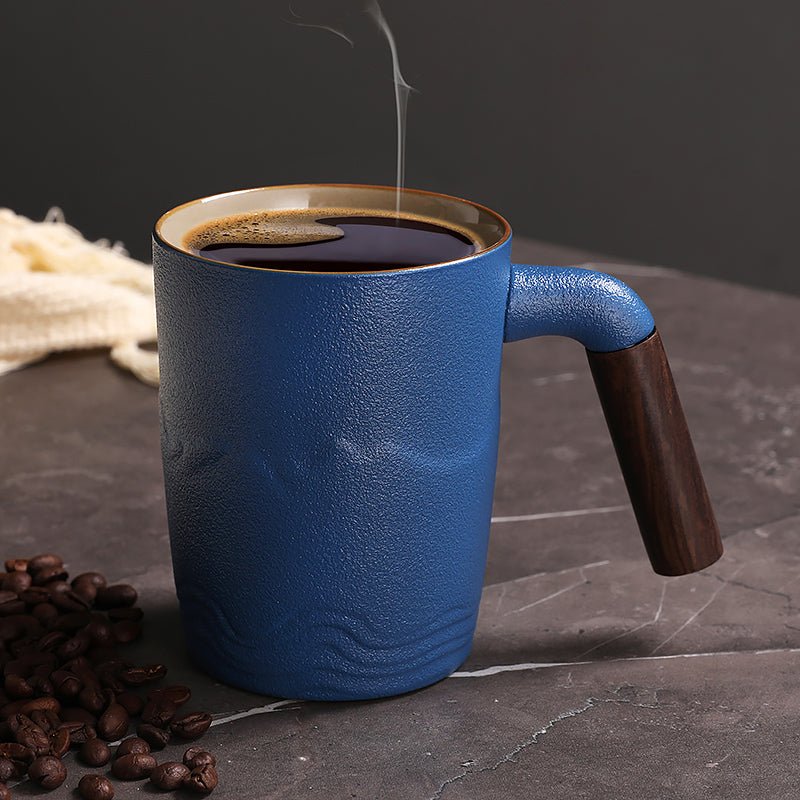
Wake & Bake Coffee Mug Buying Guide for Everyday Use
A wake & bake coffee mug should feel comfortable, hold the right amount, and hold up to real kitchen use. We break down size, material, care, and a few mug styles from our store that make sense...
Per saperne di più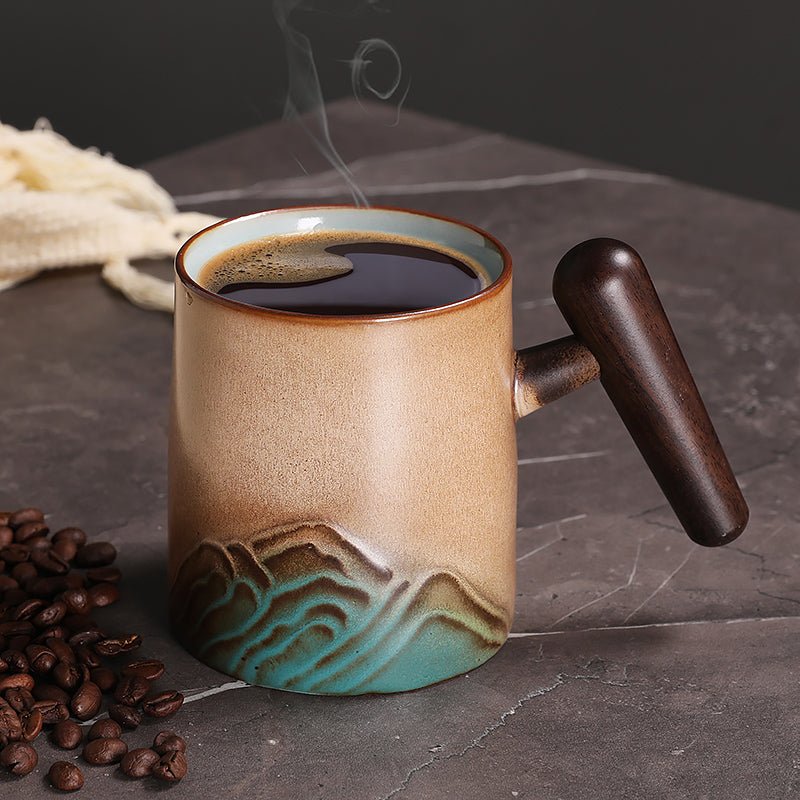
Red Coffee Mug Buying Guide: Shape, Size, and Finish That Work
A red coffee mug should do more than sit pretty on a shelf. We compare shape, finish, and everyday fit so you can choose a mug that works on a desk, in a kitchen, or as a gift.
Per saperne di più
Commenta
Questo sito è protetto da hCaptcha e applica le Norme sulla privacy e i Termini di servizio di hCaptcha.