
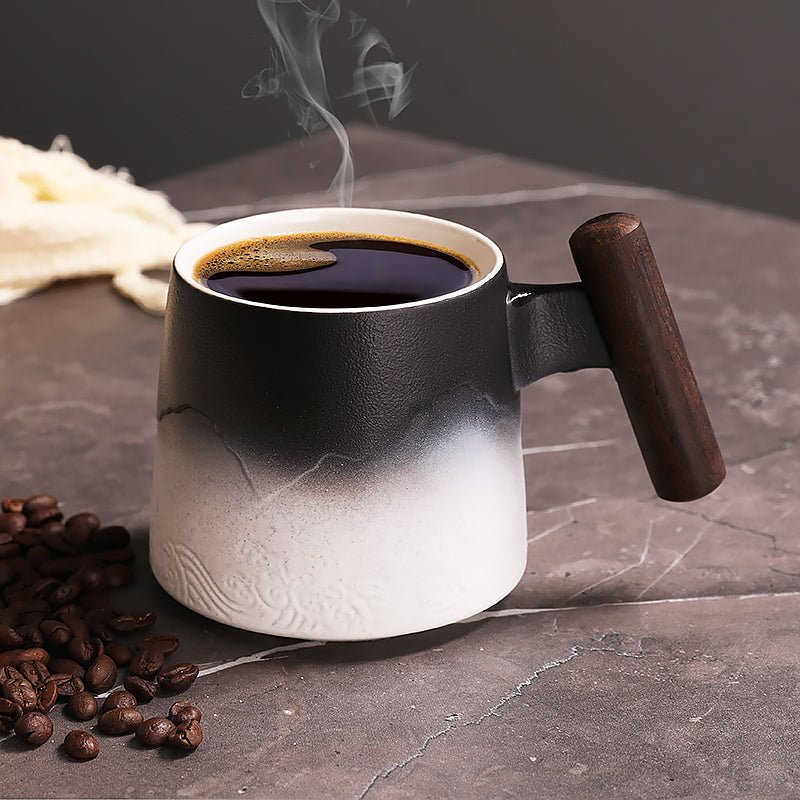
Coffee Mug Coffee Mug Buyer’s Guide: Pick the Right Mug for Daily Use
Reading time: about 10 minutes
A mug feels perfect the first morning you use it. Then you notice the handle pinches your fingers, the rim gets too hot, or the cup is just a little too small for the way you actually drink coffee. That is the difference between a mug you keep reaching for and one that ends up in the back of the cabinet.
At CoffeifyMug, we handle this category every day, and the same buying mistakes show up again and again. People choose by color first, then discover the size is off. Or they buy a pretty piece that looks great on a shelf but is awkward on a desk, in a dishwasher, or under a drip machine.
If you are comparing a coffee mug coffee mug for daily use, this guide focuses on the practical details that matter: capacity, material, handle comfort, care, and what kind of mug fits different routines. If you want to browse our current options while you read, start with our collection of all mugs or check the product listings for the styles we carry right now.
What size coffee mug coffee mug actually fits your routine?
Size is the first decision we help shoppers make, because it changes how the mug feels in hand and how often you refill it. A mug that looks generous online can feel cramped if you take milk-heavy drinks, while a large mug can feel heavy and awkward if you mostly drink black coffee or espresso-based drinks.
Here is the simplest way to think about common sizes:
- 8 oz: Better for smaller pours, espresso drinks, or tea service. It is compact, but it may feel too small if you brew standard drip coffee.
- 16 oz: A balanced everyday size for many buyers. Our 16 Ounce Coffee Mug Buyer’s Guide: Size, Material, and Fit breaks down why this size works for a lot of kitchens and offices.
- 20 oz: A good pick if you like a bigger pour, add milk, or want fewer refills. We cover practical checks in our 20 oz Coffee Mug: What to Check Before You Buy.
- 24 oz: Useful for long desk sessions or larger drinks, but it can be heavy when full and may not fit every mug shelf or cup holder. See our 24 oz Coffee Mug: What to Check Before You Buy before choosing one.
One detail shoppers often miss: a mug’s usable capacity is not the same as its total capacity. The inside fill line, the lip shape, and how high the handle sits all affect how much coffee you can comfortably drink without splashing. We look at those details in the store because they matter more than the number printed on a product page.
If you are unsure, our advice is simple: choose the size you will wash and lift every day, not the largest one you think you should buy.
Which material is best for a daily coffee mug?
Material changes the whole experience. It affects heat retention, weight, durability, and even how the coffee tastes to your mouth. In our experience, most shoppers are choosing between ceramic, stoneware, porcelain, glass, and stainless steel, and each has a different trade-off.
| Material | What it does well | What to watch for |
|---|---|---|
| Ceramic | Comfortable feel, familiar weight, easy everyday use | Can chip if knocked against sinks, counters, or other dishes |
| Stoneware | Thicker walls, sturdy feel, good for a cozy desk or kitchen mug | Heavier in the hand; some pieces can feel bulky |
| Porcelain | Cleaner, lighter feel and a more refined rim | Often less forgiving if dropped |
| Glass | Lets you see the drink, good for layered drinks | Usually not the warmest-feeling option in the hand |
| Stainless steel | Tough for travel or outdoor use | Not the classic mug feel; can be the wrong choice for a desk or dining table |
For a coffee mug coffee mug used at home or in the office, ceramic and stoneware are usually the most practical. They feel familiar, work well with hot drinks, and are easier to live with than specialty materials. That said, they are not indestructible. If you tend to clink mugs into the sink or stack them tightly in a crowded cabinet, chipped edges and hairline cracks are the kinds of defect modes we watch for during handling and inspection.
If you want something presentation-friendly for gifting, porcelain can look elegant. If you want a mug to throw into a bag or take outside, a different style entirely may be better. A standard ceramic mug is not the right tool for commuting or camping. For that, you want a travel tumbler or insulated cup.
What handle, rim, and wall thickness should you check before buying?
A mug can look right and still feel wrong in the hand. This is where buyers often get surprised after the first pour. Handle shape, rim thickness, and wall thickness all change comfort.
- Handle opening: Make sure your fingers fit without forcing them in at an angle. A small handle can be annoying fast, especially if you have larger hands.
- Balance: A mug should not feel top-heavy when filled. If the base is narrow and the body is tall, it may feel less stable on a desk.
- Rim comfort: A smooth rim matters more than people expect. A thick or uneven rim can make every sip feel clumsy.
- Wall thickness: Thicker walls hold heat a bit longer and often feel sturdier. Thinner mugs can feel refined, but they may cool faster.
We pay attention to those details because they affect daily use more than the print or finish. A mug that looks great in photos can still be uncomfortable if the handle is too tight or the balance is off. That is one reason people keep coming back to the same mug after trying several others.
For buyers comparing styles, our Average Coffee Mug Size: What Buyers Should Know Before Ordering is a helpful place to sanity-check dimensions before committing.
What should you expect from care and durability?
Most shoppers want a mug that can handle real life: hot coffee in the morning, a rinse at lunch, a dishwasher cycle at night, and the occasional knock against the faucet. That is the standard we think about in our store.
Here is the practical care checklist we recommend for a typical ceramic or stoneware mug:
- Let the mug cool before running cold water into it. Big temperature swings can stress the material.
- Use a soft sponge for printed or glazed surfaces if you want the finish to stay looking fresh.
- Load it so the handle is not wedged against other dishes in the dishwasher.
- Check the base edge occasionally for chips before stacking.
- For stubborn coffee residue, soak with warm water before scrubbing instead of using abrasive pads right away.
Not every mug is ideal for every dishwasher or microwave setup. Some decorative finishes, metallic accents, or specialty prints may need gentler care. If a product page gives care instructions, follow them. If it does not, ask the basic question before buying: do I want this mug for everyday washing, or more for display and occasional use?
This is also where trade-offs show up clearly. A mug with a glossy, detailed print may be more visually striking, but the design might show wear sooner than a plain glaze if it gets a lot of dishwasher cycles. A heavier stoneware mug may feel durable, but it is not the best pick if you dislike weight in your hand.
Which coffee mug coffee mug is best for home, office, or gifting?
The right mug depends on the setting. A mug that works on a quiet kitchen counter may be annoying on a shared office desk or under a gift ribbon.
For home use
We usually recommend a mid-size ceramic mug for daily kitchen use. It is easy to rinse, easy to stack, and comfortable for most people. If you brew a larger cup, move up to 20 oz or 24 oz, but be honest about cabinet space and the weight when full.
For office desks
A mug with a stable base and a handle that is easy to grip without looking is helpful here. You do not want a wide mug that takes over the desk or one that spills easily when someone bumps the table. If the mug will sit near a keyboard, a moderate size is usually safer than the largest one available.
For gifting
Gifts should feel thoughtful, but they also need to be easy to use. A mug with a clean shape and everyday size tends to land better than something overly novelty-driven. If you are comparing gift options, our Awesome Coffee Mugs: How to Choose a Mug You’ll Actually Use can help you avoid choosing something that looks fun but gets shelved.
One more honest note: a coffee mug coffee mug is not the best gift if you are shopping for someone who already prefers travel mugs, insulated tumblers, or oversized soup-style cups. The best gift is the one that matches how they actually drink.
What should you check before buying from our store?
We try to make mug shopping simple, but the best buyers still check a few details before they click purchase. That saves returns, and it saves disappointment when the box is opened at the kitchen table.
- Capacity: Match the mug to how much coffee you actually pour.
- Handle comfort: Make sure the handle looks usable for your hand size.
- Material: Pick ceramic, stoneware, porcelain, or another material based on how you will use it.
- Care: Check whether it suits your dishwasher and microwave routine.
- Base and stability: Look for a mug that sits flat and feels steady on a desk or counter.
- Cabinet fit: Larger mugs can be harder to store than they look online.
Our team also encourages shoppers to browse the full range before deciding, because the right mug is often the one that matches the way you drink every weekday, not the one that photographs best. If you want to compare styles side by side, start with our all-products collection and narrow from there.
Frequently asked questions
What size coffee mug should I buy for regular drip coffee?
For most regular drip coffee drinkers, 16 oz is the safest starting point. It gives you enough room for a standard pour plus milk or cream without feeling oversized. If you like a larger refill-free cup, 20 oz may suit you better.
Is ceramic or stoneware better for a daily mug?
Ceramic is a very common everyday choice because it feels balanced and is easy to live with. Stoneware is usually thicker and heavier, which some buyers love for a sturdier feel. If you dislike heavy mugs, ceramic is often the better fit.
Can I put a coffee mug coffee mug in the dishwasher?
Many ceramic and stoneware mugs are dishwasher-friendly, but not all decorative finishes are. If the mug has specialty printing, metallic details, or a care note on the product page, follow that guidance. We recommend giving the handle space in the rack so it does not knock into other dishes.
Why does one mug feel better than another even if the size is the same?
Handle shape, wall thickness, rim comfort, and balance all affect how a mug feels. Two 16 oz mugs can be completely different in hand if one has a narrow handle or a heavier top half. That is why we always look at the full shape, not just the capacity.
What kind of mug is not a good buy for everyday coffee?
A very large mug can feel awkward if you only drink small pours, and an overly thin decorative mug may not be the best if you use it constantly. Travel mugs are better for commuting, and insulated tumblers are better if you need temperature control for hours. A standard coffee mug is best for desk, kitchen, and casual home use.
If you are ready to compare options, start with the mug size that matches your routine, then check handle comfort and care instructions before choosing. Browse our current product selection or use the full collection to narrow down the coffee mug coffee mug that actually fits your daily coffee habit.
More from our blog
Read more
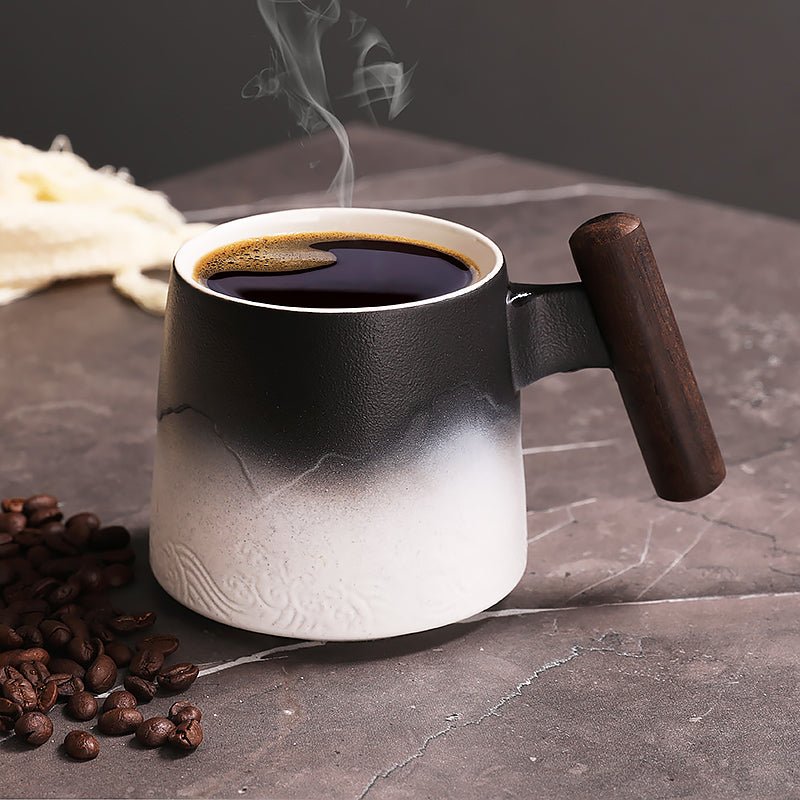
Rae Dunn Coffee Mug Buying Guide: Size, Care, and Fit
A practical guide to choosing a Rae Dunn coffee mug with the right size, finish, and care routine. We cover the trade-offs that matter before you buy.
Per saperne di più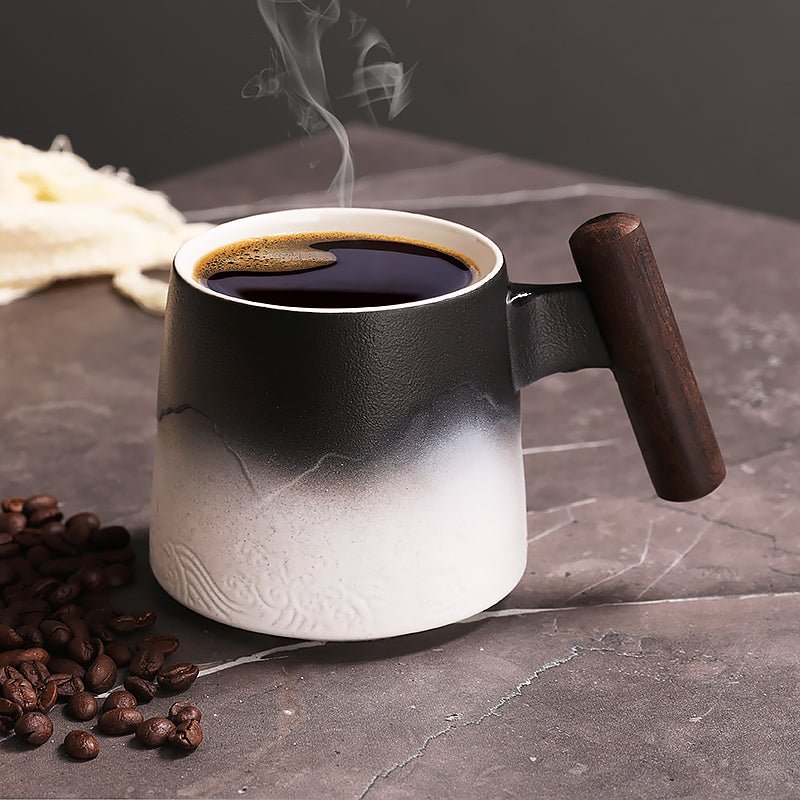
Dunkin Donuts Coffee Mugs: What Buyers Should Check Before Ordering
A practical buyer’s guide to dunkin donuts coffee mugs, with size, material, care, and giftability comparisons. We break down what tends to hold up on a desk, in a dishwasher, and in daily use.
Per saperne di più
Commenta
Questo sito è protetto da hCaptcha e applica le Norme sulla privacy e i Termini di servizio di hCaptcha.