
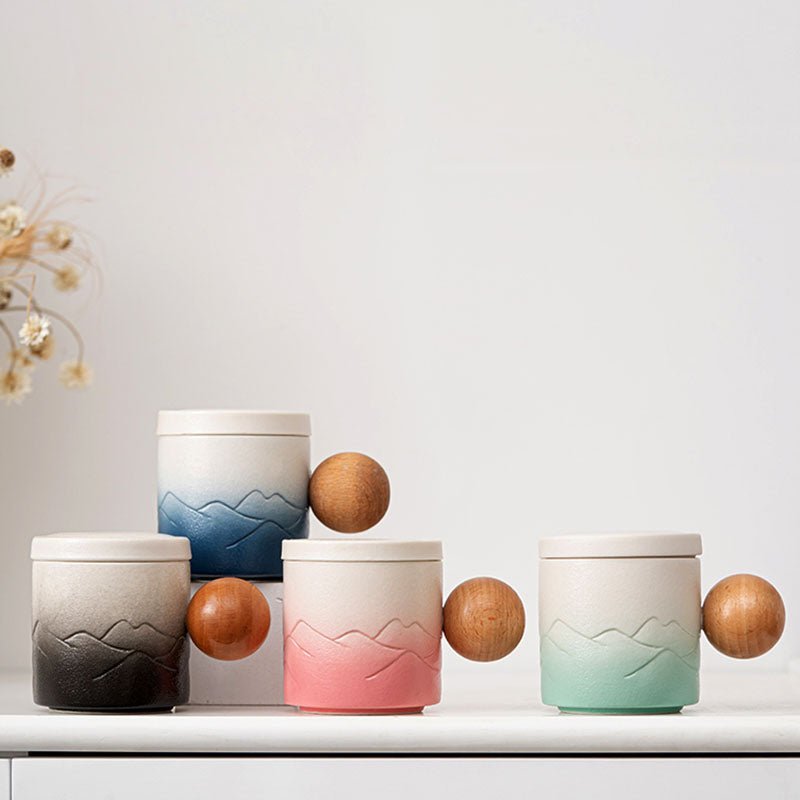
Coffee Mug Ceramic Buying Guide for Daily Use and Gifting
Reading time: about 7 minutes
A coffee mug ceramic choice looks simple until it starts living on a real counter. One mug feels solid with a morning pour, another tips when half full, and a third chips at the rim after a few dishwasher cycles.
That is the gap we try to close in our store. We handle this category daily, so we look at the parts shoppers actually notice: the weight in the hand, the curve of the handle, the thickness at the lip, and how the glaze behaves after repeated washing.
What should a ceramic coffee mug do well?
A good ceramic mug should do more than hold coffee. It should feel stable on the table, sip cleanly, and survive normal kitchen use without turning fussy.
We judge ceramic mugs on a few practical points:
- Balance: the mug should sit flat without wobbling, even when it is filled close to the top.
- Handle comfort: a good handle gives enough clearance for two fingers without forcing your knuckles against the body.
- Lip feel: a smoother, evenly finished rim makes a bigger difference than most shoppers expect.
- Glaze coverage: the interior should be smooth and easy to rinse, while the exterior finish should not feel rough or overly fragile.
- Daily care: if you plan to use it every day, dishwasher-friendly cleanup matters more than decorative flair.
Ceramic is a strong choice for home and office use because it holds heat reasonably well and feels more substantial than thin glass. The trade-off is plain: it is not the best pick for commuting, bag storage, or rough handling. If you want a mug for the car, a sealed travel tumbler is the better buy.
Which size and shape fit a real routine?
Size affects how a mug feels far more than the product photo suggests. A cup that looks elegant online can feel heavy with a full pour, while a larger mug may be exactly right for a long desk session or a refill-free morning.
For buyers comparing daily-use options, these are the usual fit points we see:
| Use case | What tends to work | What to avoid |
|---|---|---|
| Desk coffee | A balanced mug that is easy to lift with one hand and does not crowd a small workspace | An oversized body that feels awkward when full |
| Breakfast coffee | A medium mug with a comfortable handle and a wider opening for easy sipping | A narrow mug that traps heat too aggressively for your pace |
| Small coffee corner | A compact shape that stores neatly and leaves room for other basics | A tall mug that makes the shelf feel cluttered |
| Gift purchase | A shape with visual character and a finish that looks intentional on display | A design that only works if the buyer already likes minimal utility pieces |
If you are deciding between common everyday sizes, our 16 oz Ceramic Coffee Mug Buying Guide for Daily Use and 20 oz Ceramic Coffee Mug Buying Guide: Fit, Heat, and Care cover the trade-offs in more detail. For a tighter space, our Best Ceramic Mug Size for a Small Coffee Corner article is the most useful starting point.
A quick size check before you buy
- Match the mug size to the drink you actually make most mornings, not the biggest drink you occasionally pour.
- Think about hand feel when the mug is full, because ceramic weight is easy to underestimate from a product photo.
- Check your shelf height and cabinet depth if storage is tight.
Which finish and construction details should you inspect?
Finish quality is where a mug either feels considered or ends up disappointing. Even a simple ceramic body can be a pleasure to use if the rim is smooth, the glaze is even, and the handle is attached cleanly.
These are the details we look for in store and in customer complaints:
- Pinholes: tiny holes in the glaze can collect residue and make a mug look tired sooner than it should.
- Crazing: fine spiderweb lines in the glaze can appear over time if a mug is stressed by heat changes.
- Wobble: a mug that does not sit flat is annoying on a desk and a bad sign for everyday use.
- Hairline cracks: small structural cracks can grow if the mug is repeatedly heated and cooled too aggressively.
- Uneven rim thickness: this can affect both comfort and durability at the lip, where chips are most common.
Care also matters. Ceramic handles normal kitchen use well, but it does not love thermal shock. Moving it from a very cold spot straight to boiling liquid, or washing a fragile piece right after extreme temperature change, can stress the material. If a mug has decorative printing or metallic accents, check the specific care guidance on the product page before assuming microwave or dishwasher compatibility.
We also tell shoppers to think about use environment. A ceramic mug on a kitchen counter or office desk is a great fit. A mug that will be packed in a tote bag, shoved under a car seat, or carried on a bike is not the right tool.
Which of our ceramic mugs suits which buyer?
If you want a more tactile, styled piece for coffee or tea, start with the Pleated Coffee Tea Cup. If you prefer a calmer everyday look, the The Flow Coffee Tea Mug is the cleaner utility choice. If you want something with more visual personality for gifting or a statement kitchen shelf, the Mountain Sea Coffee Tea Mug stands out more clearly.
That is the basic split we see with shoppers:
- Pleated Coffee Tea Cup: best for someone who likes texture and a mug that feels less plain on a desk.
- The Flow Coffee Tea Mug: best for daily use if you want a simpler profile and an easy hand feel.
- Mountain Sea Coffee Tea Mug: best when you want more character and a stronger gift presentation.
To compare the full range, browse our full mugs collection. If you want more buying context before deciding, our 20 oz Ceramic Coffee Mug: How to Choose One for Daily Use and Ceramic Coffee Mug Buying Guide for Everyday Buyers are helpful companion reads. For shoppers who are checking details before checkout, Ceramic Coffee Mug Buying Guide: What to Check Before You Buy is the most practical checklist.
We find that most returns in this category come from a mismatch, not a defect: the mug was prettier than it was practical for the buyer's routine.
What should you check before ordering?
A short checklist saves most regrets. Before you buy any coffee mug ceramic style, make sure the mug matches the way you actually drink coffee at home or at work.
- Confirm the capacity in ounces and compare it with your usual pour size.
- Check whether the mug is listed as dishwasher safe and microwave safe on the product page.
- Look at the handle opening if you prefer a larger grip or if you often drink while working.
- Consider cabinet storage, especially if your shelf height is tight.
- Decide if you want a daily-use mug or a decorative piece that also works as a gift.
One more practical point: a ceramic mug is usually not the best choice if you want maximum portability or very rough treatment. If you need something that can bounce around in a bag or survive constant travel, choose insulated drinkware instead.
For home use, though, ceramic still wins on feel. It is easy to rinse, it looks good on a kitchen counter, and it gives coffee a calmer, less metallic drinking experience.
Frequently asked questions
Is a ceramic coffee mug good for everyday use?
Yes, as long as the mug has a stable base, a comfortable handle, and a finish that stands up to normal washing. Ceramic is one of the most practical materials for home coffee because it feels solid and does not add a metallic taste.
Are ceramic coffee mugs safe for the microwave?
Many are, but not all. The safest approach is to check the specific product page for microwave guidance, especially if the mug has metallic details, specialty glazes, or printed decoration.
What size ceramic mug is best for daily coffee?
For many buyers, a mid-size mug around the 12 to 16 oz range is the easiest daily fit. If you like larger pours or fewer refills, a 20 oz mug can make sense, but it will feel heavier when full.
How do I keep a ceramic mug from staining?
Rinse it soon after use and do not let coffee sit in the mug all day. A smooth glazed interior is easier to keep clean, but darker roasts and repeated use can still leave marks if the mug is not washed regularly.
What causes a ceramic mug to crack?
Sudden temperature changes are a common cause. Thermal shock, chips at the rim, and repeated stress around the handle can all shorten the life of a mug, especially if it is already showing small glaze defects.
If you want the quickest next step, compare the shapes in our full mugs collection, then use the checklist above to decide whether you need a daily work mug, a giftable statement piece, or a simple backup for the kitchen shelf.
Read more
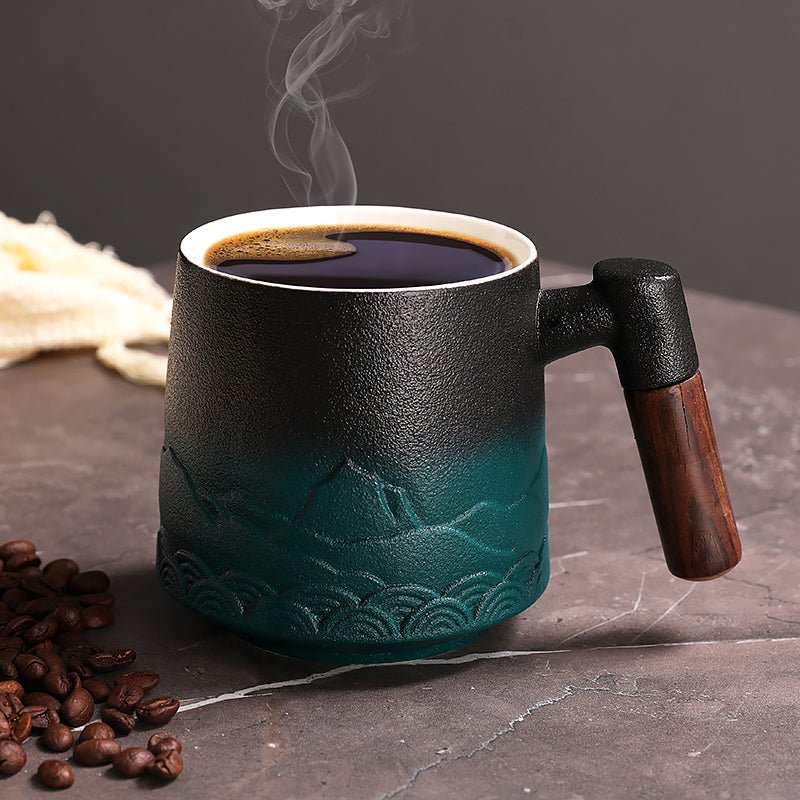
Masters Coffee Mug Buying Guide: Style, Size, and Everyday Use
A practical look at what makes a masters coffee mug worth buying, from handle feel and finish to the size that works on a desk or in a gift box. We compare a few styles we sell and call out the tra...
Per saperne di più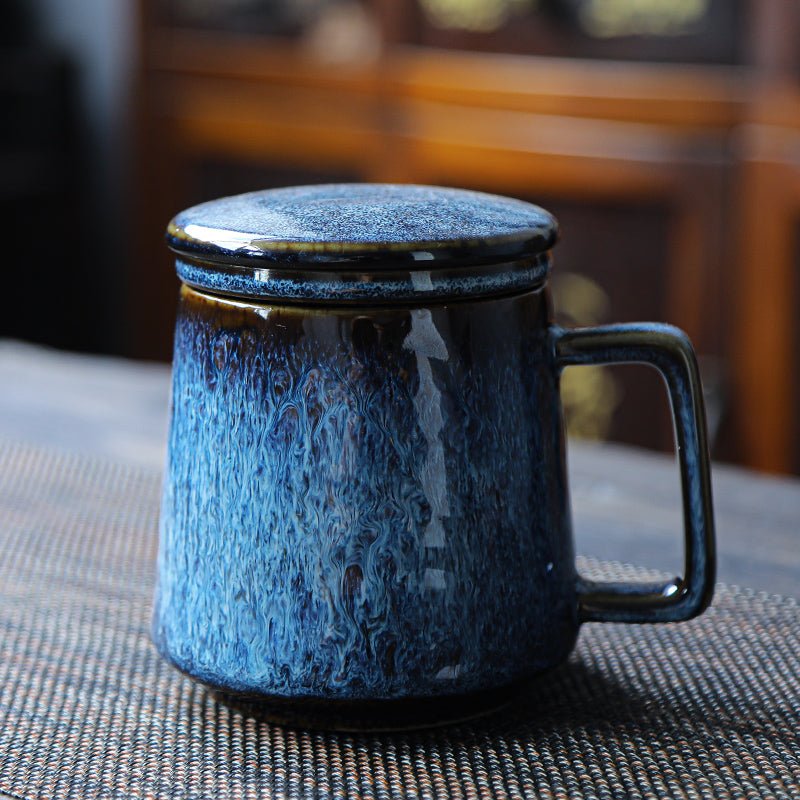
How to Get Coffee Stains Out of a Mug Without Damaging It
Coffee stains usually build up around the drink line, the lip, and the bottom of a mug that gets reused all day. This guide shows the safest ways to clean ceramic mugs, what to avoid, and how to ke...
Per saperne di più
Commenta
Questo sito è protetto da hCaptcha e applica le Norme sulla privacy e i Termini di servizio di hCaptcha.