
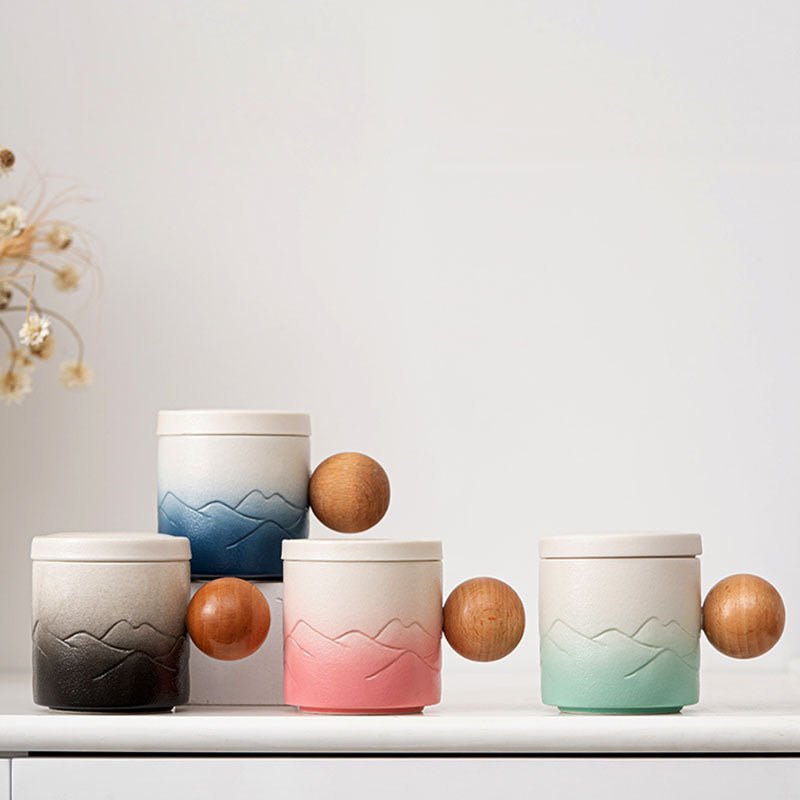
Ceremic Coffee Mug Buying Guide for Daily Use and Better Fit
Reading time: about 9 minutes
A mug can look right on a product page and still feel wrong on a desk at 8 a.m. We see that mismatch all the time: the handle pinches, the rim feels too thick, or the cup runs hotter than expected after a fresh pour. That is why a ceremic coffee mug needs to be judged as a daily tool, not just a pretty shape.
In our store, we handle these mugs the same way a shopper will. We look at the grip, the base, the glaze, the balance in the hand, and how they hold up after repeated dishwasher cycles. If you are comparing options, start with the actual use case and not the photos. Our full mug collection is the fastest place to compare styles side by side, and a few specific picks stand out for different buyers.
If you prefer a mug with a more tactile, handcrafted feel, the The Rock Coffee Tea Mug is the kind of shape many people pick for a heavier, steadier feel on a kitchen counter. For a softer look with a distinct handle style, the The Cloud Coffee Tea Mug Wooden Handle is easier to think about if you care about the way the mug sits in the hand. If you want a more rustic presentation, the Mountain Sea II Coffee Tea Mug With Wooden Handle is worth a closer look.
What should you check first on a ceremic coffee mug?
The first check is not the color. It is the structure. A good ceremic coffee mug should feel balanced when empty, stable when full, and easy to lift without shifting your grip. We also pay attention to the rim, because a rim that is too thick can make a mug feel bulky even if the capacity is right.
Here is the order we use when we evaluate mugs in our store:
- Handle comfort: Make sure two fingers fit without forcing your knuckles against the body.
- Base stability: A flatter base generally sits better on office desks and tray tables.
- Heat behavior: Ceramic holds heat well, which is good for sipping, but it can make the exterior stay warm longer than a thin glass mug.
- Finish quality: Smooth glaze should feel even to the touch, with no rough edges on the rim or handle join.
- Care fit: Check whether the mug is realistic for dishwasher use in your routine, especially if it has wood accents or decorative finishes.
That last point matters. A mug can be excellent for daily coffee and still be the wrong choice if you want the fastest possible cleanup. Ceramic is durable, but decorative handles, textured finishes, and artisan-style surfaces can ask for more care than a plain office mug.
How do handle style and shape change daily use?
Handle style changes everything. A mug can be the right size and still feel awkward if the handle opening is too narrow or the balance puts too much weight on your wrist. That is especially true for people who drink while typing, reading, or moving between the kitchen and a work desk.
We usually break it down like this:
| Style | Best for | Trade-off |
|---|---|---|
| Wooden handle ceramic mug | Gifting, home coffee setups, buyers who want a warmer visual contrast | More visual character, but not always the simplest care routine |
| Rounded ceramic mug | Daily coffee, tea, and easy stacking or storage | Can feel plain if you want a more distinctive piece |
| Heavier stone-style shape | People who prefer a grounded, substantial hand feel | Usually less convenient if you want the lightest mug possible |
The three mugs above show those trade-offs well. The Mountain Sea II Coffee Tea Mug With Wooden Handle and the The Cloud Coffee Tea Mug Wooden Handle both appeal to buyers who want the warmth of a wood-accented handle without giving up the reliability of ceramic. The The Rock Coffee Tea Mug makes more sense if you want a tougher-looking silhouette for daily use.
These styles are not ideal for everyone. If you want a mug for rapid microwave reheats all day, a simpler all-ceramic design is usually easier to live with than one that includes wood. If your priority is minimal maintenance, a plain mug often beats a decorative one.
Is ceramic better than glass, metal, or stoneware for coffee?
Ceramic is a strong middle ground. It holds heat better than glass, does not give coffee the metallic edge some people notice in steel, and usually feels more comfortable at the lip than very thin materials. It is also the category most buyers expect when they search for a ceremic coffee mug.
Stoneware and ceramic overlap in everyday conversation, but the shopping question is simpler: do you want a mug that feels substantial and looks at home on a counter, or do you want something ultra-light and utilitarian? Ceramic usually wins for comfort and presentation. Metal wins for rugged use. Glass wins for visual clarity, but not everyone likes the thermal feel or the fragility.
We advise buyers to think about the setting first. A kitchen shelf, office desk, and gift box each reward a different mug shape.
For office use, ceramic is often the safest bet because it looks clean, is easy to understand, and does not feel overly technical. For gifting, ceramic also works well because the unboxing feels more finished and less disposable. For camping or travel, ceramic is usually not the right answer at all.
What are the common flaws buyers should watch for?
This is where a lot of buyers get burned. A mug can look beautiful and still have small defects or design choices that hurt daily use. In our experience, the most common complaints are not dramatic breakage issues. They are smaller problems that become annoying after a week.
- Uneven glaze: Can leave the surface looking blotchy or create a rough spot near the rim.
- Awkward handle join: Makes the mug harder to hold, especially when full.
- Poor balance: A mug that feels top-heavy is more likely to feel risky on a crowded desk.
- Texture mismatch: Decorative exteriors can look appealing but feel less comfortable for repeated use.
- Care mismatch: Wood accents and specialty finishes may need more attention than a plain mug.
None of that means a decorative mug is a bad buy. It means the mug should match the way you actually drink coffee. If you leave mugs in the sink overnight, prefer the simplest finish you can live with. If the mug is going on a shelf and getting used for slower sipping, texture and shape matter more than quick cleanup.
If you want a broader buying checklist before choosing, our Ceremic Coffee Mug Buying Guide: What Buyers Should Check goes deeper on the practical details shoppers tend to miss.
Which ceremic coffee mug fits home, office, or gifting best?
Different buying situations call for different compromises. We do not think there is one best mug for everyone, and the honest answer is that the right pick depends on where it will live.
- Home counter use: Choose a mug with enough visual character to feel special, but not so much detail that cleanup becomes a chore.
- Office desk use: Prioritize stability, comfortable grip, and a shape that is easy to set down quickly without spilling.
- Gift purchase: Focus on presentation, finish, and the kind of design someone would be happy to keep out on display.
- Tea and coffee versatility: Look for a mug that is broad enough for tea bags or a little extra room for cream and foam.
For buyers who want to compare size first, our 10-ounce and 12-ounce guides are useful because capacity changes the whole experience. Start with 10 oz Coffee Mug: Size, Fit, and What to Check Before You Buy if you prefer a smaller cup, and use 12 Ounce Coffee Mug Buying Guide for Daily Use and Better Fit if you want something that feels more forgiving for larger pours.
That size question is not academic. A mug that is too small feels limiting with milk drinks, while a mug that is too large can cool down before you finish it. If you want the middle ground, our 11 oz Coffee Mug: Size, Fit, and What to Check Before You Buy guide covers a common daily-use size that many shoppers settle on after trying smaller and larger options.
How should you care for a ceramic mug so it lasts longer?
Ceramic is durable, but it is not invincible. A mug usually fails from chips, sudden temperature changes, or repeated knocks against a sink and counter edge. Most of those issues are preventable with simple handling.
We recommend this routine:
- Rinse after use so stains do not set in, especially with dark coffee or tea.
- Do not slam the mug into a sink or metal rack.
- Let it cool before washing if you poured in something very hot.
- If the mug has wood details, keep the wood dry as much as possible and avoid soaking it.
- Check the rim and base occasionally for chips before daily use.
That care routine is simple, but it matters. A ceramic mug with a good glaze can stay in rotation for a long time if you treat the edges carefully. The common failure mode is usually a chip, not a catastrophic break. Once the rim chips, the mug stops feeling pleasant, even if it still technically works.
Frequently asked questions
Is a ceremic coffee mug good for everyday use?
Yes, if you want a mug that feels stable, comfortable, and familiar on a kitchen counter or office desk. Ceramic is a practical everyday material for coffee and tea, but it is less suitable for travel or rugged outdoor use. If you want something lightweight for moving around all day, another material may be a better fit.
Are wooden-handle ceramic mugs hard to care for?
They are not hard, but they do ask for a bit more care than a plain ceramic mug. The ceramic body is straightforward, while the wood should not be soaked or left wet for long periods. If you want the lowest-maintenance option, a fully ceramic mug is easier.
What size ceremic coffee mug should I buy?
That depends on how you drink coffee. Smaller mugs work well for concentrated pours and shorter drinks, while larger mugs suit milk-based drinks, tea, or people who like extra room. If you are unsure, compare 10 oz, 11 oz, and 12 oz styles before choosing.
Can I use a ceramic mug for both coffee and tea?
Yes, and that is one of the main reasons buyers choose ceramic in the first place. The material handles both drinks well, and the same mug can move from morning coffee to afternoon tea without feeling out of place. Just make sure the shape and capacity suit both drinks.
What should I avoid if I want my mug to last?
Avoid hard knocks, sudden temperature swings, and rough handling at the sink. If the mug has wood accents, avoid soaking that part and dry it promptly after washing. Small chips near the rim are the most common reason a mug stops being pleasant to use.
If you are comparing options now, start with the full CoffeifyMug collection, then narrow by handle style and size. If your priority is daily comfort, look at the wood-handle mugs first; if you want the simplest everyday pick, compare the plain ceramic shapes side by side and choose the one that feels best in the hand.
Read more
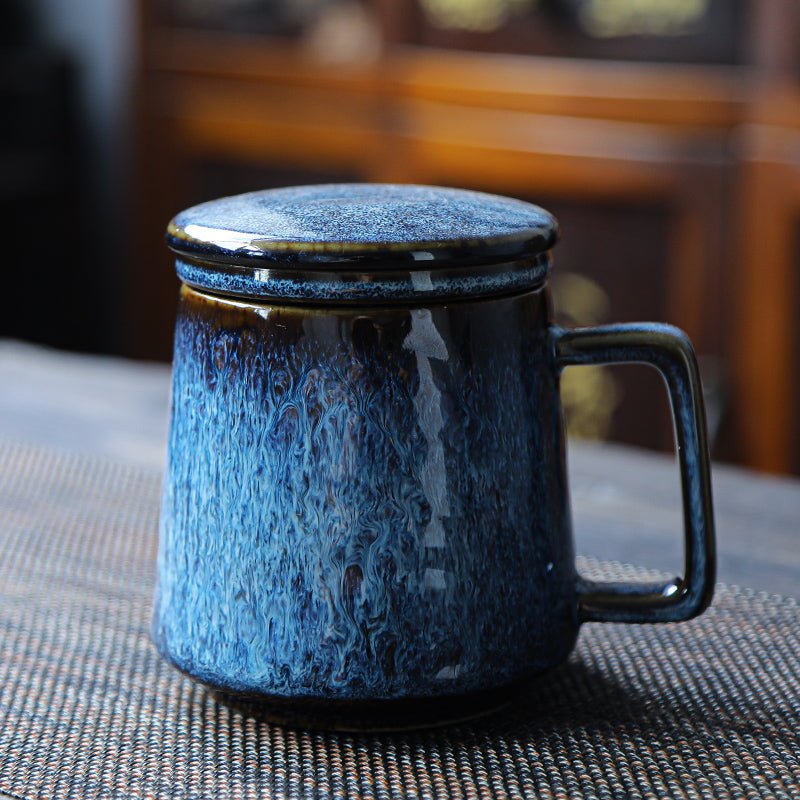
Pink Coffee Mugs: What to Check Before You Buy
Pink coffee mugs look simple, but finish, wall thickness, and handle shape decide whether they feel good on a desk or get annoying after a week. Here is what we check before we recommend one.
Per saperne di più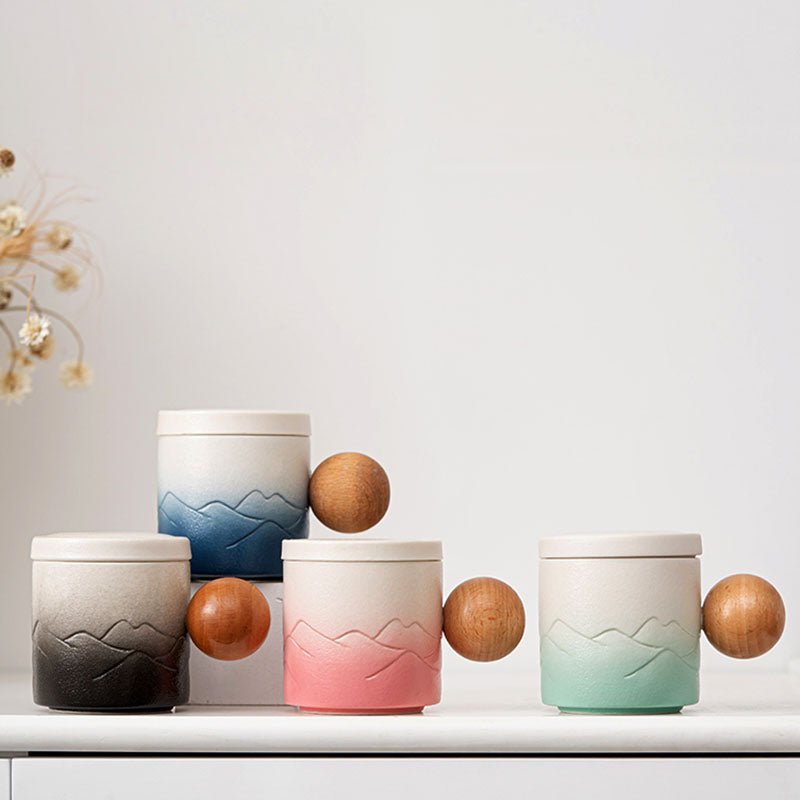
Enamel Coffee Mug Buying Guide for Daily Use, Gifts, and Camping
A practical guide to choosing an enamel coffee mug for daily coffee, office use, camping, and gifting, with trade-offs, care tips, and product picks from CoffeifyMug.
Per saperne di più
Commenta
Questo sito è protetto da hCaptcha e applica le Norme sulla privacy e i Termini di servizio di hCaptcha.