
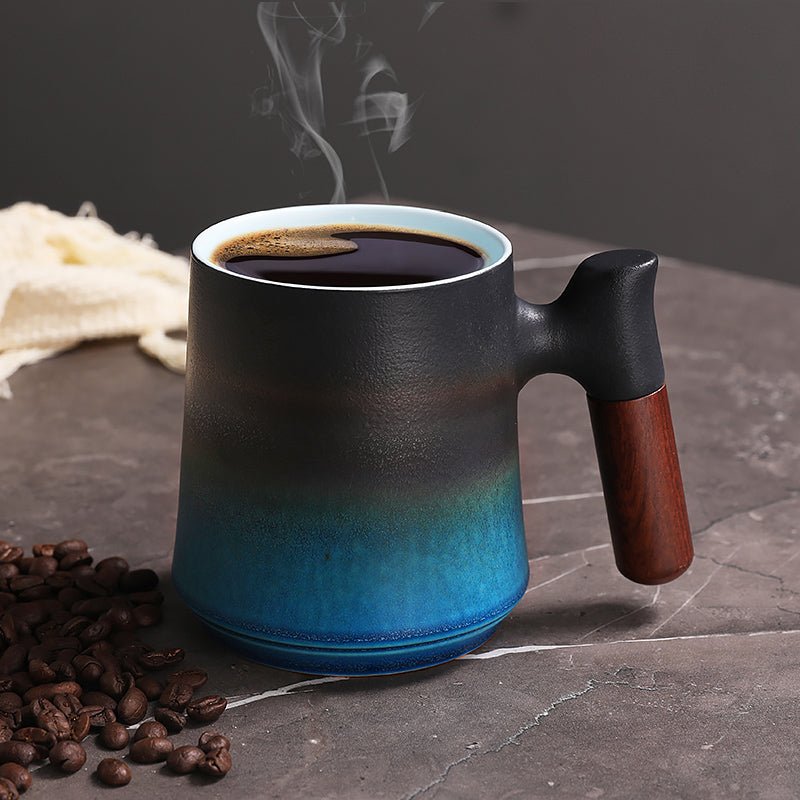
Ceramic Coffee Mugs 20 oz: What to Check Before You Buy
Reading time: about 9 minutes
A 20 oz mug usually shows its strengths and weaknesses by the third refill. If the handle feels cramped, the cup tips when it is full, or the glaze looks tired after a few dishwasher cycles, it stops being the mug you reach for.
That is the reality we see in our store. Buyers want a mug that feels good on a kitchen counter, at an office desk, or while opening a gift box, not just one that looks good in a product photo. If you are comparing ceramic coffee mugs 20 oz, start with the full range in our all mugs collection and then narrow the field with specific styles like the Pleated Coffee Tea Cup, The Flow Coffee Tea Mug, and Mountain Sea Coffee Tea Mug.
What should a 20 oz ceramic mug feel like in hand?
A good 20 oz mug should feel balanced before it feels impressive. Roughly 20 ounces is about 591 ml, and that is a lot of liquid for one hand to manage if the mug is awkwardly shaped or the handle is too tight.
In our experience, the best daily mug clears the basics first:
- The handle fits two fingers without rubbing the knuckles.
- The rim feels smooth, not sharp or overly thick.
- The base sits flat so the mug does not rock on a desk or counter.
- The wall thickness feels sturdy without making the cup overly heavy.
- The mouth is wide enough for easy stirring and cleaning, but not so wide that heat disappears immediately.
That balance matters more than most shoppers expect. A large mug that feels stable when empty can still feel top-heavy once it is filled with coffee, tea, or hot chocolate. Ceramic is also honest material: if the handle join is weak, or if the base is slightly uneven, you usually notice it right away.
Which style fits your kitchen or desk best?
Some buyers want a simple daily cup. Others want a mug that looks intentional on open shelving or in a gift box. The shape and surface finish decide that more than the size label does.
If you are choosing between the three styles above, think in terms of use case, not just appearance. The Pleated Coffee Tea Cup leans toward texture and visual detail. The Flow Coffee Tea Mug feels like the cleaner, more streamlined option. The Mountain Sea Coffee Tea Mug suits buyers who want a more expressive look on the table.
| Style | Best for | Main trade-off |
|---|---|---|
| Pleated Coffee Tea Cup | People who like a little texture in the hand and a mug that feels less plain | More surface detail can make matching a full set harder |
| The Flow Coffee Tea Mug | Minimal desks, calm kitchen setups, and shoppers who want a cleaner silhouette | A simpler profile can feel less distinctive as a gift |
| Mountain Sea Coffee Tea Mug | Gift buyers and anyone who wants a mug with more visual character | Decorative appeal may matter more than a plain, neutral look |
That is why we do not treat 20 oz as a one-size-fits-all category. Two mugs can hold the same amount and feel completely different in daily use. If you want a broader buying framework before you compare styles, our Ceramic Coffee Mugs 20 oz: Buyer's Guide for Fit, Heat, and Care covers the same decision points in more detail.
What details should you inspect before ordering?
We tell shoppers to look past the hero image and check the details that matter after the mug arrives. Small flaws are what separate a mug you use every morning from one you relegate to the back of the cabinet.
- Glaze quality: Look for a smooth, even glazed interior. Pinholes, rough spots, or cloudy patches can catch stains and make the mug harder to keep clean.
- Rim finish: A clean rim matters because that is where your mouth meets the cup every day. A thin chip there is not just cosmetic.
- Base ring: The bottom should sit flat. If a mug wobbles on a hard table, it will feel cheap even if the artwork looks good.
- Handle attachment: The strongest-looking handle is not always the strongest one. We look for a join that feels integrated, not simply glued on by shape alone.
- Care fit: If you plan to use a dishwasher, microwave, or both, check the listing details before buying. A beautiful mug is not a practical daily mug if the care instructions do not match your routine.
There are also a few defect modes worth knowing about. Hairline cracks around the base, crazing in the glaze, tiny pits in the finish, and a handle that feels sharp on the inside edge all tend to show up later, not on the first use. When we inspect mugs for our store, those are the details that matter more than the marketing copy.
If you want a shorter, everyday-use version of this checklist, our 20 oz Ceramic Coffee Mug: How to Choose One for Daily Use breaks the decision down from a practical shopper's point of view.
Is ceramic the right material for a 20 oz daily mug?
For many buyers, yes. Ceramic is a strong fit for a mug that stays on a counter, moves from coffee maker to desk, and comes back to the sink at the end of the day. It does not try to be a travel vessel. That is a strength, not a flaw.
Here is the trade-off in plain terms:
- Ceramic keeps a drink comfortable at the table and feels solid in the hand, but it is heavier than many travel alternatives.
- Insulated stainless steel is better if you need longer heat retention or if the mug travels in a car or bag.
- Glass shows the drink nicely, but it is usually less forgiving for everyday handling and can feel more fragile on a busy kitchen counter.
So what is ceramic not good for? It is not the best choice for someone who wants to sip for hours without reheating, or for anyone who regularly carries coffee around a job site, school bag, or commute. A 20 oz ceramic mug belongs in everyday home or office use, where its weight and heat feel like advantages instead of compromises.
Our rule is simple: if the mug lives near the coffee maker, ceramic makes sense. If it needs to travel, choose something built for travel.
How do you care for a large ceramic mug so it lasts?
The way a mug ages often comes down to small habits. We see the difference between mugs that stay looking clean and mugs that start to dull after a few months of rough handling.
Use this routine:
- Rinse after dark drinks like coffee and tea so stains do not set on the interior glaze.
- Let the mug cool before moving it from a hot surface to cold water. Sudden temperature changes can stress ceramic.
- Keep other dishes from banging into the rim in the dishwasher if the mug is dishwasher-safe.
- Dry the handle and base after washing so moisture does not sit in small seams or around the foot ring.
- Check occasionally for hairline cracks, especially if the mug has been knocked against a sink or counter.
If the mug is microwave-safe, that helps with office use and second pours. If it is not, do not force it. The right care routine is the one that matches the actual mug and the way you use it. That is part of why buyers do better when they read the product details first, rather than assuming every ceramic cup behaves the same way.
Which mug should you choose first?
If you want a simple path, start with the mug that fits the setting where it will be used most often.
- For a clean daily mug: choose the style that looks easiest to live with on your desk or breakfast table.
- For gifting: pick the design with the strongest visual identity, because the unboxing moment matters.
- For comfort: prioritize handle clearance and a stable base over decoration.
- For a complete comparison: open the full range in our all mugs collection and compare the shapes side by side.
We usually recommend buying the mug you will reach for on an ordinary Tuesday, not the one that only looks right in photos. That means checking the grip, the weight when full, the glaze on the inside, and whether the care instructions fit your routine. If those four things line up, the mug tends to stay in rotation instead of being retired after the first week.
Frequently asked questions
Are ceramic coffee mugs 20 oz too big for daily use?
Not if you actually drink full pours, lattes, tea, or cocoa. A 20 oz mug is a better fit for people who want fewer refills or who like to stretch a morning drink across a longer work session. If you usually drink a small drip coffee, the size can feel bulky.
Can a 20 oz ceramic mug go in the dishwasher and microwave?
Sometimes, but not always. The right answer depends on the specific mug and the glaze or decoration used on it, so check the product details before you buy. If both are supported, that makes the mug much easier to use every day.
What is the biggest drawback of a large ceramic mug?
Weight and heat loss are the two common trade-offs. Ceramic feels solid, but it is heavier than travel drinkware, and it does not hold heat as long as an insulated steel cup. That makes it great for home or office use and less ideal for carrying around.
How do I know if a ceramic mug is well made?
Check the rim, the handle, the base, and the glaze. A good mug has a smooth drinking edge, a stable bottom, a handle that does not pinch, and a finish without rough pits or obvious unevenness. Small flaws in those areas usually affect daily use more than the artwork does.
Which 20 oz ceramic mug is best if I want something to gift?
Choose the style with the strongest visual identity and the cleanest finish. For many gift buyers, a more distinctive shape or surface detail feels more intentional than a plain mug. If you want to compare options, start with the products in our collection and then match the design to the recipient's kitchen style.
If you are narrowing the choice now, compare the handle, glaze, and care fit first, then open the all mugs collection and choose the style that matches how you actually drink coffee every day.
More from our blog
Read more
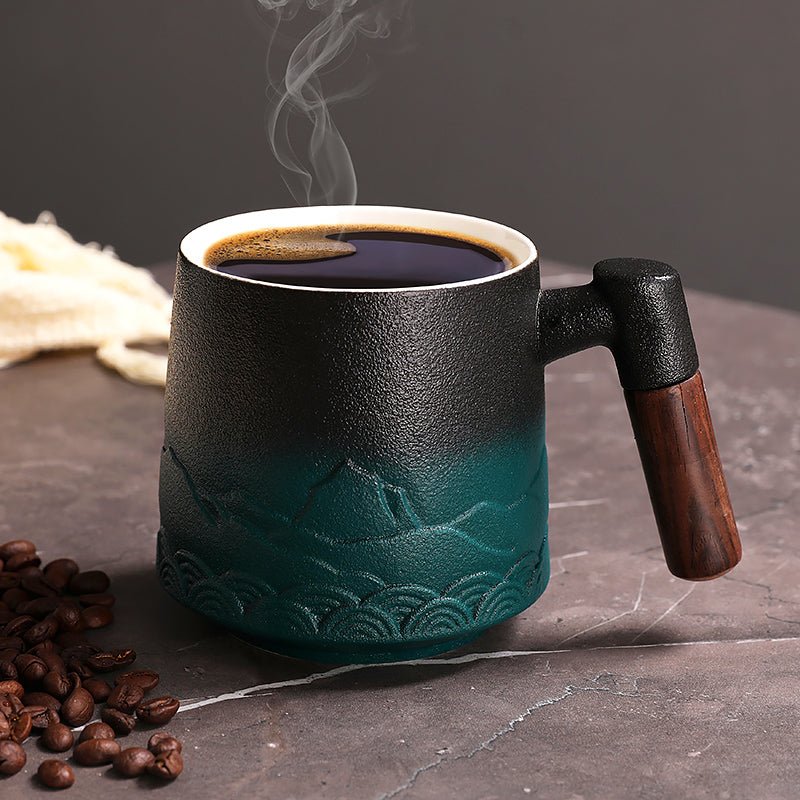
Grandpa Coffee Mug: How to Choose One He'll Actually Use
A practical guide to choosing a grandpa coffee mug that feels good in hand, fits his routine, and works as a real gift. We compare sizes, styles, and the details that matter after the box is opened.
Per saperne di più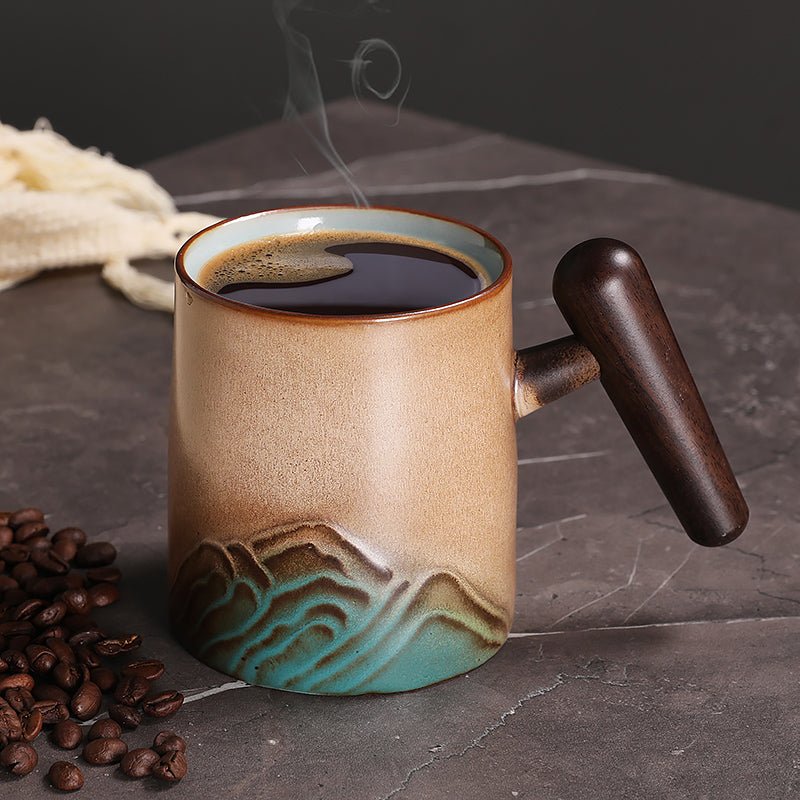
Big Mug of Coffee: How to Choose the Right Large Mug for Daily Use
A big mug of coffee only works if it feels good in the hand, stays stable on the desk, and matches how much you actually pour. This guide compares size, material, and daily-use details before you buy.
Per saperne di più
Commenta
Questo sito è protetto da hCaptcha e applica le Norme sulla privacy e i Termini di servizio di hCaptcha.