
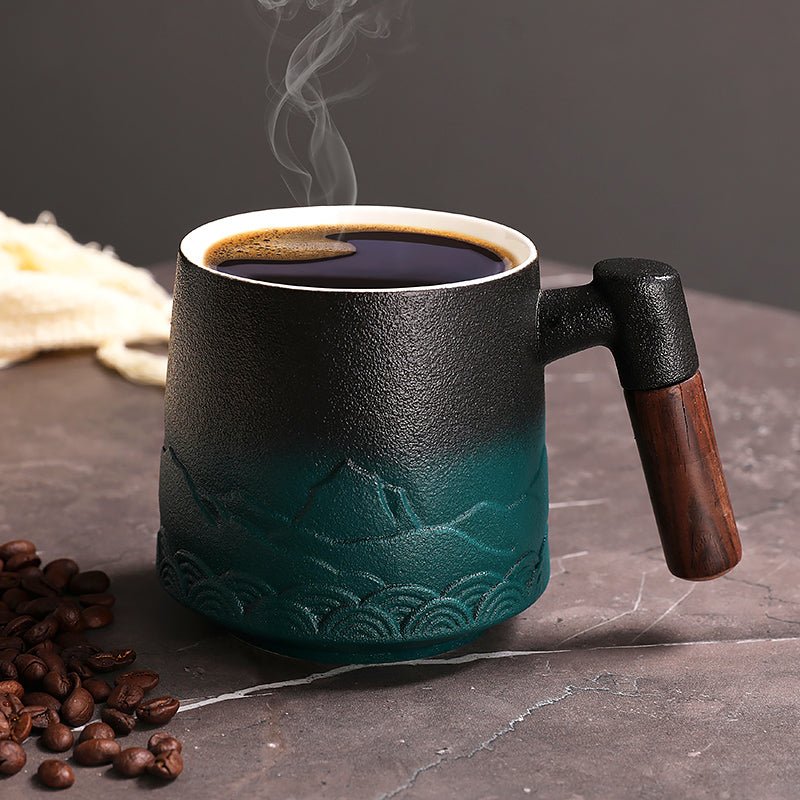
Ceramic Coffee Mugs 20 oz: Fit, Heat, and Everyday Use
Reading time: about 8 minutes
A 20 oz ceramic mug looks simple until you use it on a real desk, in a crowded kitchen cabinet, or after the third refill of the morning. The size solves one problem, but it creates a few new ones: weight, handle comfort, heat loss, and whether the mug still feels balanced when it is full.
We handle this category for shoppers every day, and the same questions come up again and again. Does a larger ceramic mug still feel comfortable to hold? Will it fit under a brewer? Is it too heavy for everyday use? If you are comparing ceramic coffee mugs 20 oz, the details below will help you pick a mug that works in the kitchen, office, and gift box without guesswork.
What makes a 20 oz ceramic mug worth buying?
A 20 oz mug is usually chosen for one of three reasons: bigger pours, fewer refills, or a preference for a roomy cup that can handle coffee, tea, cocoa, or even broth. Ceramic is a good match for that size because it feels familiar in the hand, does not add metallic taste, and gives you a sturdy, table-friendly cup for daily use.
We usually point shoppers toward ceramic when they want a mug that feels at home on a kitchen counter, not a bottle disguised as drinkware. The trade-off is straightforward: ceramic is heavier than thin glass or travel-grade insulated steel, and it will not hold heat as long as a vacuum-sealed tumbler. If you want a mug for slow sipping at a desk, ceramic makes sense. If you need something for long commutes or car cup holders, a travel mug is the better tool.
If you want to browse our full range first, start with our collection of mugs and drinkware. For a specific shape with a sculpted feel, the Pleated Coffee Tea Cup is a useful place to compare how a larger ceramic mug sits in the hand.
How do you know if a 20 oz mug will actually fit your routine?
This is the part most buyers skip, and it is usually where disappointment starts. A 20 oz capacity does not tell you everything. The base diameter, handle opening, rim shape, and wall thickness matter just as much as the number on the listing.
In our experience, buyers tend to care about these practical checks:
- Cabinet clearance: a taller mug can be awkward in shallow shelves, especially if you stack cups.
- Brewer fit: some 20 oz mugs fit under drip machines and some do not, depending on lid height and handle placement.
- Handle comfort: larger mugs need a handle that allows two or three fingers without pressing against the cup wall.
- Weight when full: a ceramic mug in this size can feel noticeably heavy once it is filled to the brim.
- Rim thickness: thinner rims feel nicer for sipping; thicker rims usually feel sturdier but less refined.
If your daily setup is an office desk, a long kitchen morning, or a gift for someone who drinks large lattes, 20 oz can be a sweet spot. If you usually drink espresso, small cappuccino portions, or a single standard drip coffee, it may feel oversized and take longer to finish before the drink cools.
Which design details matter more than the color?
Color gets attention first. Shape is what you live with.
For ceramic coffee mugs 20 oz, the most useful design details are usually the ones shoppers do not notice in a product photo. A slightly flared rim can make the mug easier to sip from. A rounded belly can feel better for warming both hands. A straight-sided form can store more cleanly in tight cabinets. And a handle that looks decorative but is too narrow becomes annoying on day two.
We see shoppers compare styles like the Flow Coffee Tea Mug and the Mountain Sea Coffee Tea Mug when they want something that feels less generic than a plain diner mug. That kind of choice matters if the mug is a gift, a desk piece, or part of a matching kitchen set.
If you want a deeper checklist before ordering, our related guides break down the decision in more detail: Ceramic Coffee Mugs 20 oz: Buyer's Guide for Fit, Heat, and Care, 20 oz Ceramic Coffee Mug Buying Guide for Everyday Use, and 20 oz Coffee Mugs: What Buyers Should Check Before Ordering.
How does ceramic behave with hot drinks, dishwashers, and microwaves?
Ceramic is predictable, which is why people keep buying it. It warms up with the drink, it is comfortable for tables and counters, and it does not have the same metallic feel as steel. But ceramic has limits.
Here is the practical version:
| Use case | What ceramic does well | Where it falls short |
|---|---|---|
| Hot coffee at home | Comfortable feel, stable on a table, easy to sip from | Does not insulate as long as a vacuum mug |
| Dishwasher cleaning | Usually easy to wash if the glaze and decoration are durable | Graphics, thin finishes, or hand-finished details can wear faster |
| Microwave reheating | Works well when the mug is microwave-safe | Not every ceramic mug is safe if it has metallic accents or special decoration |
| Daily carrying | Feels substantial and steady | Heavier and easier to chip than some other materials |
We recommend looking closely at the mug’s finish, especially around the rim and handle join. Those are the spots where you usually see chips, glaze unevenness, or stress over time. A mug can look excellent on day one and still be the wrong pick if the handle pinch is awkward or the base feels unstable on a desk.
What problems show up after a few weeks of use?
The early disappointment usually comes from details that are easy to miss in photos. We have seen shoppers love a mug at first glance, then realize it is too tall for their machine, too narrow for a comfortable grip, or too heavy for one-handed use when full.
The common failure modes to watch for are simple:
- Handle strain: the mug is fine empty, but uncomfortable once filled with hot liquid.
- Rim chips: a small knock against a sink edge or another mug leaves visible damage.
- Glaze wear: repeated wash cycles slowly dull a shiny finish, especially if the decoration is delicate.
- Cabinet noise: a wide base or unusual shape can knock against neighboring mugs and make storage awkward.
- Heat mismatch: the mug looks ideal for long sipping, but the drink cools too fast for the drinker’s routine.
That is why we tell customers not to buy 20 oz ceramic mugs just because they want something large. Buy them because they match the drink volume, the hand size, and the storage space you actually have.
Who should choose ceramic coffee mugs 20 oz, and who should not?
These mugs are a strong fit for people who drink large morning coffees, tea that they sip for a while, or cocoa and lattes that deserve a more substantial cup. They also work well as gifts because the size feels generous without being overly specialized.
They are not the best choice for everyone. If you want a mug for the car, a camping kit, or a commute where insulation matters, a travel mug will do the job better. If you prefer small servings or you do not like holding a heavier cup, a 12 oz or 14 oz ceramic mug will probably feel better in daily use. And if the mug will live mostly in a backpack or office bag, ceramic is the wrong material because it can chip.
For shoppers comparing format and fit across more than one shape, our store notes often point them to our broader guidance on 20 oz Coffee Mugs: How to Choose the Right Fit for Daily Use or Ceramic 20 oz Coffee Mug: What Buyers Should Check Before Buying. Those articles help narrow down the real-world trade-offs before checkout.
Frequently asked questions
Are ceramic coffee mugs 20 oz too big for everyday coffee?
Not if you regularly drink large pours, lattes, tea, or multiple refills from the same cup. For a standard drip coffee drinker who likes a smaller serving, 20 oz can feel oversized and the drink may cool before finishing.
Can I put a 20 oz ceramic mug in the dishwasher?
Usually yes, if the mug is finished for everyday washing and does not have delicate decoration. We still recommend checking the product details, because hand-finished surfaces, special prints, or metallic accents can be less forgiving in a dishwasher.
Will a 20 oz ceramic mug fit under my coffee machine?
Sometimes, but not always. Capacity alone does not tell you height, so check the mug’s actual dimensions and compare them to the clearance under your brewer or machine.
What is the best reason to choose ceramic instead of stainless steel?
Choose ceramic if you want a table-friendly mug with a familiar drinking feel and no metallic taste. Choose stainless steel if heat retention and portability matter more than the feel of the cup itself.
What should I check before gifting a 20 oz mug?
Look at the handle shape, overall height, and style of the glaze or artwork. A gift mug should feel good in the hand and suit the recipient’s routine, not just look nice in a photo.
If you want the fastest next step, compare the handle shape, mug height, and care notes on the full collection, then pick the style that matches how you actually drink coffee at home or at work.
Read more
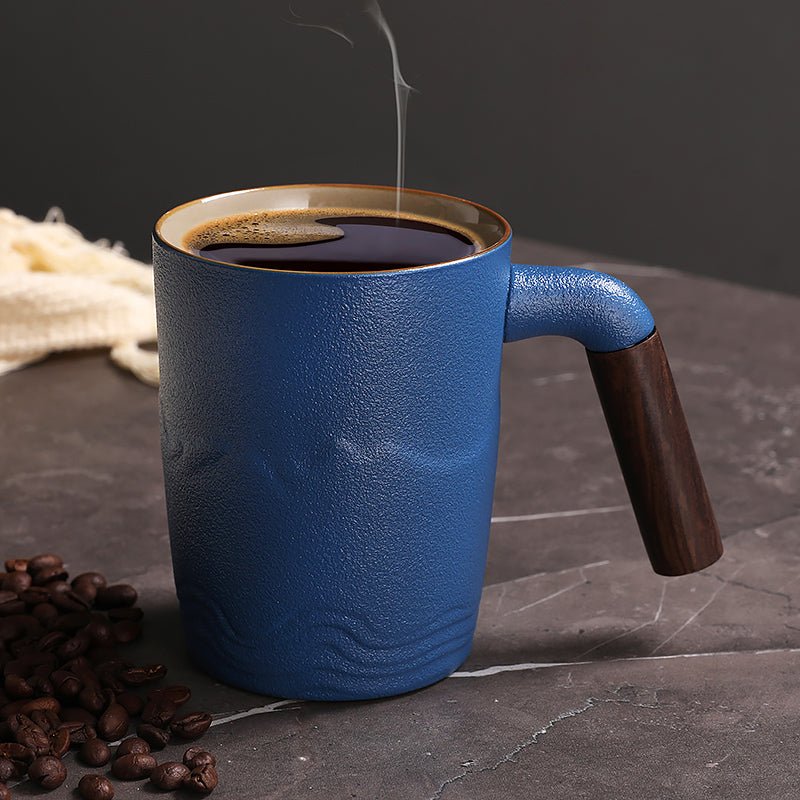
Swedish Coffee Mugs: What to Look for Before You Buy
A practical guide to Swedish coffee mugs, with real buying checks on shape, balance, glaze, and care. We also point you to mugs in our store that fit different daily routines.
Per saperne di più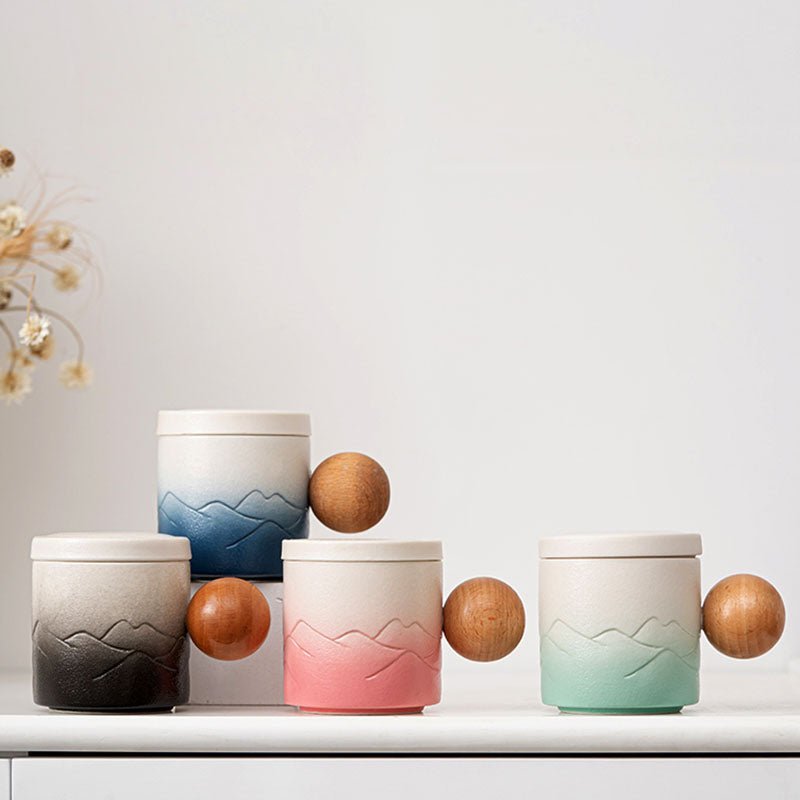
Apple Coffee Mug Buying Guide for Size, Style, and Gifting
An apple coffee mug needs to do more than look seasonal. We break down size, material, care, and gift-friendly details so you can buy one that still works on a real kitchen counter or office desk.
Per saperne di più
Commenta
Questo sito è protetto da hCaptcha e applica le Norme sulla privacy e i Termini di servizio di hCaptcha.