
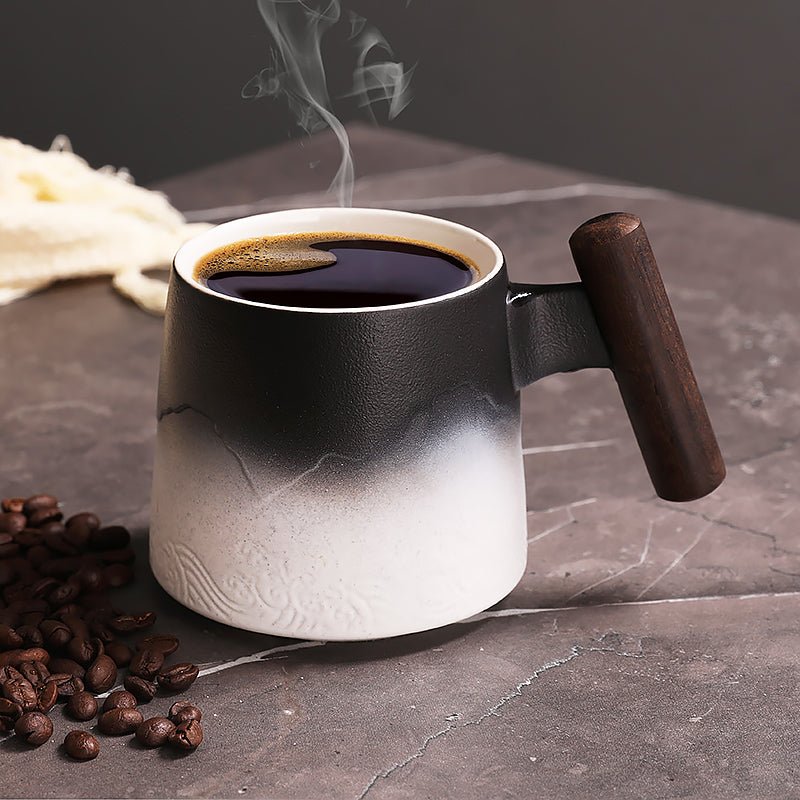
Camping Coffee Mugs: What to Check Before You Buy
Reading time: about 9 minutes
A camping coffee mug gets judged quickly: does it ride in a pack without clanking, does it fit a glove-wearing hand, and can it survive a sink or camp spigot at the end of the day? In our store, those are the details that decide whether a mug gets used on every trip or left behind in the cabinet.
That is why we look past the printed pattern and focus on the parts that affect real use: material, wall construction, handle shape, lid fit if there is one, and how hard the mug is to clean after coffee oils dry on it.
What should a camping coffee mug do on an actual trip?
It should carry coffee without fuss. That sounds obvious, but the best camping coffee mugs usually solve three problems at once: they pack well, they are comfortable to hold, and they clean up fast after a morning by the fire or a late start at the campsite.
We see buyers run into trouble when they shop for looks first. A mug that is wide enough to tip over on a picnic table, too heavy for a day pack, or too hot to hold without a sleeve is not a good camping choice. If you only need a mug for a cabin kitchen or car camping, you have more flexibility. If it has to live in a bag, the margin for error gets small.
- Packability: A stable base and a shape that does not rattle around in a tote.
- Grip: A handle or body shape that stays usable with cold fingers.
- Cleanup: A surface that does not trap coffee residue in seams, lids, or textured coatings.
- Durability: A finish that can handle being bumped against gear without chipping right away.
If you are comparing everyday sizes before you buy, our size guides for 8 oz Coffee Mugs: Size, Material, and Fit Guide, 12 oz Coffee Mugs: What to Check Before You Buy, and 16 oz Coffee Mugs: What to Check Before You Buy are a useful starting point. For bigger pours, the 20 Ounce Coffee Mugs: What Buyers Should Check Before Ordering article covers the trade-off between capacity and bulk.
Which material is best for camping coffee mugs?
The best material depends on where the mug will be used. We break it down like this in our store because the right choice for a cabin shelf is not the same as the right choice for a backpack or truck console.
| Material | Best for | Trade-offs |
|---|---|---|
| Stainless steel | Rough handling, pack use, daily carry | Can dent, may feel hot if single-wall, and can be less pleasant if the finish is thin |
| Double-wall stainless steel | Longer sipping and better heat retention | Usually bulkier and harder to dry quickly if a lid or gasket is included |
| Enamel-coated steel | Classic camp look and table use | Can chip if dropped, and abrasive scrub pads can wear the finish |
| Ceramic | Cabin kitchens, patios, and home use | Heaviest option and the easiest to break in a packed bag |
In our experience, stainless steel is the most forgiving all-around option for camping coffee mugs. If a customer wants one mug that can move from the kitchen counter to the campsite without a lot of concern, that is usually where we start. Enamel has its place, but it is a better fit for car camping or table use than for a crowded pack. Ceramic still works well if the mug will stay at home or in a camper, but it is the first material we would remove from a rough-gear list.
There is one trade-off worth calling out clearly: an insulated mug can hold heat better, but insulation often adds thickness and weight. A simple single-wall mug is easier to rinse and dry fast, yet your coffee cools more quickly. If you drink fast, simple can be the smarter buy. If you sip slowly on cold mornings, insulation matters more.
How much coffee should a camping mug hold?
Most buyers land in the 12 oz to 16 oz range because it matches a normal cup of drip coffee without making the mug awkward. Smaller 8 oz mugs are nice for espresso drinks or tea, while 20 oz mugs make sense for long mornings, extra milk, or anyone who wants one fill to last a while.
The key is not just capacity. A 16 oz mug can still feel compact if it is tall and narrow. A 12 oz mug can feel bulky if it has a wide base or oversized handle. That is why we like to compare size and shape together instead of treating ounces as the whole story.
- Choose 8 oz if you want a compact mug for a small pour or a tight shelf.
- Choose 12 oz if you want a standard serving that is easy to carry and less likely to spill.
- Choose 16 oz if you tend to drink more than one cup’s worth before breakfast is over.
- Choose 20 oz if you want fewer refills and can live with more bulk in a pack or cup holder.
For shoppers comparing larger capacities, the same logic we use in our A buyer's guide to large capacity coffee mugs applies outdoors: more volume is useful only if the mug still fits the way you actually travel.
Which details should you check before ordering?
This is where most bad buys are preventable. A product photo can make almost any mug look sturdy. The listing details tell you whether it is actually a good camping mug.
- Base width: Check that it will sit securely on a picnic table or fit your vehicle cup holder if you plan to use it in the car.
- Handle shape: A larger handle is better if you wear gloves or want room for three fingers.
- Finish: Printed graphics, powder-coated paint, and enamel all wear differently. Scratch resistance matters if the mug will ride with metal utensils or a kettle.
- Rim construction: Rolled or smooth rims are more comfortable for frequent drinking; thin rims can feel sharp after repeated use.
- Cleaning instructions: If a lid or gasket is included, make sure you can remove it and dry it fully. Trapped moisture is where odors and stains start.
The common defect modes we watch for are simple: chipped enamel near the lip, loose handles, printed artwork that fades after repeated washes, and lids that stop seating cleanly once the gasket has been stretched. None of these are deal-breakers in every case, but they are worth checking before you buy.
We tell customers to look at the parts they touch every day: rim, handle, base, and any lid seal. That is where quality shows up or fails first.
If you want to compare actual styles rather than specs alone, start with our products page or browse the full collection to see which shapes and finishes fit your routine.
Which camping coffee mugs are not the right choice?
Some mugs are fine for home use and still wrong for camp. That is not a quality issue. It is a use-case issue.
- Oversized ceramic mugs: Good for a kitchen table, poor for a packed tote or a rocky campsite.
- Very thin single-wall metal mugs: Easy to carry, but the exterior can get hot fast and the coffee cools quickly.
- Decorative mugs with heavy decals: They can look great on a shelf but may not age well with repeated washing and outdoor handling.
- Wide mugs with no stable base: They are annoying on uneven surfaces and risky next to a stove or camp chair.
We also would not recommend buying a camping mug only because it is large. A bigger mug is not automatically better. If it is too tall for your bag pocket, too wide for your holder, or too heavy to carry, the extra ounces stop being useful very quickly.
For a lot of shoppers, the smartest move is to compare a modest 12 oz or 16 oz mug against a larger cup only after confirming how it will be used. Our size-focused posts on 12 oz Coffee Mugs: What to Check Before You Buy and 16 oz Coffee Mugs: What to Check Before You Buy are helpful if you are splitting the difference.
How do you keep a camping coffee mug working trip after trip?
The mug itself matters, but care matters too. Coffee oils build up fast, especially if you leave the mug in a car overnight or rinse it only with cold water after the first pour.
- Rinse as soon as you can after use, before stains set.
- Wash the rim and handle area carefully, since those spots collect residue and hand oils.
- Dry the mug fully before packing it away, especially if it has a seam, gasket, or coated interior.
- Avoid abrasive scrubbers on enamel and printed finishes unless the care instructions say they are safe.
- If the mug has a lid, separate the parts and let them dry open instead of trapping moisture.
That simple routine helps more than buying a complicated mug you do not want to wash. In our experience, a durable camping coffee mug is one that feels easy to maintain on day three of a trip, not just on the first morning out of the box.
Frequently asked questions
What size camping coffee mug is best for one cup of coffee?
For most people, 12 oz is the easiest starting point because it matches a standard cup without adding too much bulk. If you drink a smaller pour, 8 oz works well; if you like a bigger morning cup, move up to 16 oz. We would only go to 20 oz if you know you want the extra capacity and can handle the larger footprint.
Are stainless steel camping coffee mugs better than enamel?
Stainless steel is usually the safer all-around choice for camping because it is tougher in a bag and less likely to chip. Enamel has a classic camp look and feels familiar on a picnic table, but the finish can chip if it takes a hard knock. If the mug will be handled roughly, stainless steel is easier to live with.
Do camping coffee mugs need lids?
Not always. A lid helps if you drink in the car, walk between tasks, or sit outside on a windy morning. It also adds a cleaning step, so if you want the simplest possible setup, a lidless mug is easier to rinse and dry.
Can I use a ceramic mug for camping?
Yes, but only in lower-risk setups like a cabin, camper, or sheltered table. Ceramic is heavier and breaks more easily than metal, so it is not a good choice for backpacking or for gear that gets packed tightly with other items. If you want durability first, we would choose stainless steel instead.
What should I check before buying camping coffee mugs online?
Check the material, capacity, base width, handle size, and cleaning instructions. Those five details tell you far more than the product photo does. If the listing does not explain those clearly, we treat that as a warning sign.
Before you order, compare four things: material, size, base width, and care requirements. If you want to compare shapes and finishes side by side, start with our full collection and open the product pages that match the way you actually drink coffee at camp.
More from our blog
Read more
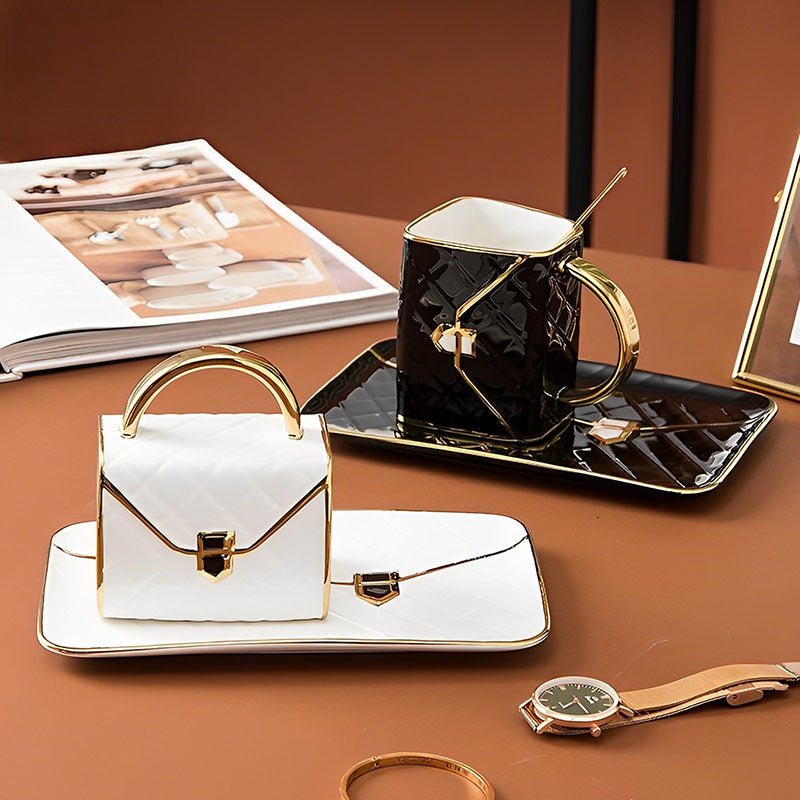
Dad Coffee Mug Buyer's Guide: Size, Material, and Gift Fit
Compare dad coffee mug sizes, materials, and gift-ready details before you buy. We cover real-world fit, care trade-offs, and the small checks that separate a mug he will use from one that stays in...
Per saperne di più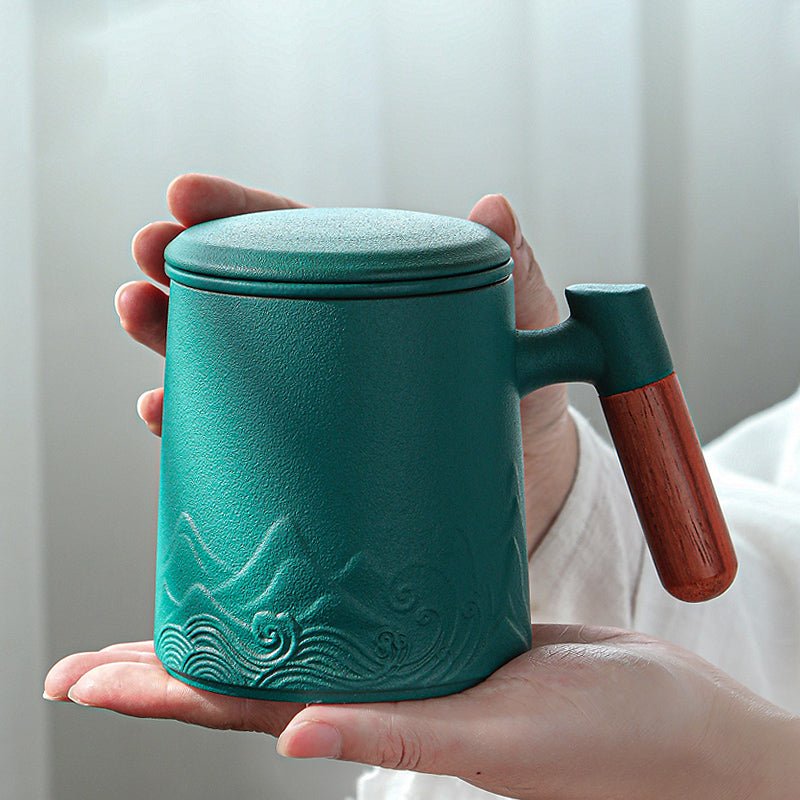
Green Coffee Mugs: How to Choose the Right Size, Finish, and Shade
We break down how green coffee mugs differ by size, glaze, and everyday use so you can pick one that fits your kitchen and drink routine. This guide focuses on the trade-offs that matter before you...
Per saperne di più
Commenta
Questo sito è protetto da hCaptcha e applica le Norme sulla privacy e i Termini di servizio di hCaptcha.