
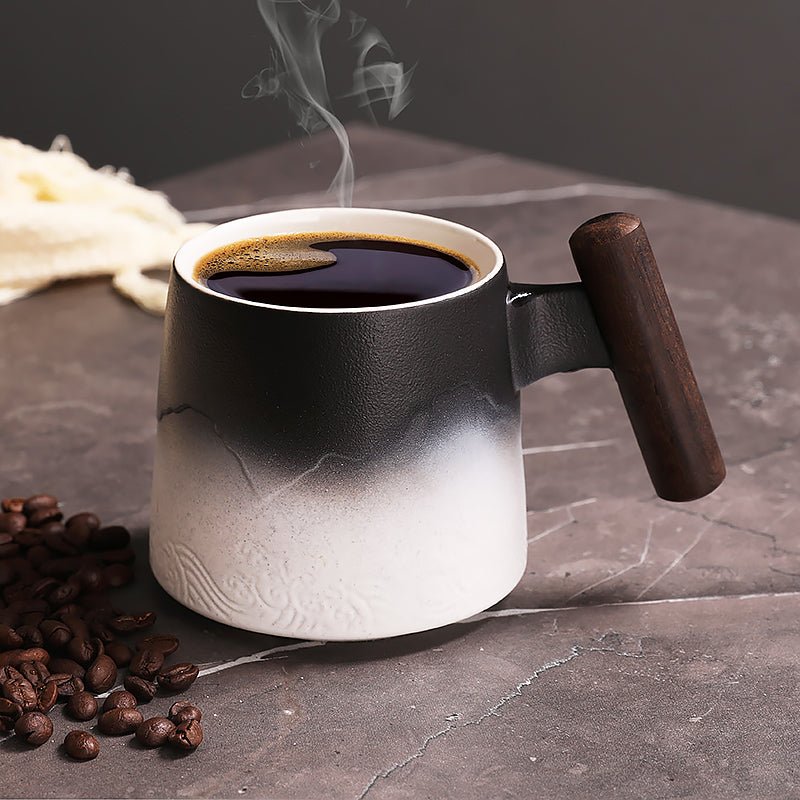
Campfire Coffee Mugs: What to Check Before You Buy
Reading time: about 9 minutes
A mug that looks great on the shelf can still fail the moment it gets loaded with hot coffee, set on a damp picnic table, and washed again that night. We see that gap a lot in drinkware: people want campfire coffee mugs that feel sturdy, hold heat, and do not become annoying after the first few uses.
In our experience, the best choice is rarely the fanciest one. It is the mug that fits your hand, matches your routine, and survives the small abuses of real life: a dishwasher cycle, a desk edge, a packed cabin shelf, or a quick rinse at a campsite sink. If you want to browse our current selection first, start with our products or open the full collection.
For shoppers comparing sizes, our related guides on 12 oz Coffee Mugs: What to Check Before You Buy, 16 oz Coffee Mugs: What to Check Before You Buy, and 20 Ounce Coffee Mugs: What Buyers Should Check Before Ordering can help narrow the field before you pick a finish or shape.
What should campfire coffee mugs do better than a regular kitchen mug?
A good campfire coffee mug has to handle more than one drink-at-home moment. It should feel stable on uneven surfaces, be easy to grip with cold fingers, and stay comfortable after a few minutes of use. That sounds basic, but the difference shows up quickly in the real world.
We look for a mug that works in these situations without becoming fussy:
- Kitchen counter mornings: the mug should sit flat and not wobble when set down half-awake.
- Office desk use: the handle should clear a keyboard edge and not force your wrist into an awkward angle.
- Gift unboxing: the finish should look clean out of the box, without glaze skips, uneven seams, or rough spots on the rim.
- Dishwasher cycles: the mug should keep its shape, color, and surface texture after repeated washing.
The biggest mistake is assuming all mugs are equal because they hold coffee. They are not. A thin mug cools down fast. A heavy mug can feel secure, but it may be annoying if you carry it between a cabin sink and a porch chair. The right balance depends on how and where you actually use it.
Which material works best for campfire coffee mugs?
Material is the first filter we use. It affects heat retention, weight, durability, and how the mug behaves in the dishwasher or microwave. For campfire coffee mugs, the most common choices are ceramic, stoneware, porcelain, stainless steel, and enameled steel. Each one solves a different problem.
| Material | Best for | Main trade-off | Care notes |
|---|---|---|---|
| Ceramic | Everyday coffee, gifting, desk use | Can chip if knocked against hard edges | Often dishwasher safe; microwave safety depends on the finish and any metallic decoration |
| Stoneware | Thicker feel, better heat retention, casual home use | Heavier in the hand and in a packed cabinet | Usually sturdy, but glaze quality matters because hairline cracks can show up over time |
| Porcelain | Cleaner look, lighter feel, presentation gifts | Can feel more delicate than stoneware | Great for the dishwasher; check for rim chips if stacked tightly |
| Stainless steel | Rough handling, outdoor kits, travel use | Can transfer heat to the exterior fast if it is single-wall | Easy to rinse; look for comfortable handle design and a stable base |
| Enameled steel | Cabin shelves, camping setups, retro styling | Finish can chip if banged against hard surfaces | Avoid abrasive scrubbers that can mark the surface |
For most shoppers, ceramic or stoneware is the sweet spot. They feel familiar, hold heat well enough for a normal coffee break, and present nicely if the mug is a gift. Stainless steel is the more practical call if the mug will live outside the kitchen and get handled roughly.
What we do not recommend is picking a material only because it looks rugged. A mug can have a camp aesthetic and still be poor for daily use if the wall is too thin, the rim is sharp, or the handle is cramped.
What size should you choose for a campsite, cabin, or desk?
Size changes the whole experience. A mug that feels perfect with a short morning coffee can feel awkward if you like a larger pour or add milk, cocoa, or instant mix. The best way to choose is to match the mug to your routine, not to a label.
- 8 to 12 oz: good for smaller servings, stronger coffee, or anyone who prefers a lighter mug in the hand.
- 16 oz: a common middle ground for people who want room for cream, foam, or a refill-worthy first cup.
- 20 oz and up: useful for long desk sessions or bigger pours, but the mug can feel bulky if you carry it often.
If you are comparing those sizes directly, our posts on 8 Ounce Coffee Mugs: What Buyers Should Check Before Ordering and 20 Ounce Coffee Mugs: What Buyers Should Check Before Ordering are useful side-by-side references. We also point shoppers who want a broader scan toward a buyer's guide to large capacity coffee mugs.
There is a trade-off here. Larger campfire coffee mugs give you more room, but they also add weight, take up more shelf space, and can be harder to stabilize on a small camping table. Smaller mugs are easier to hold and store, but they can feel too limited if you drink coffee slowly or like to top up with milk.
Which details separate a solid mug from a frustrating one?
This is where buyer satisfaction really changes. Two mugs can share the same size and material, yet feel completely different in daily use because of the details.
- Handle clearance: We check whether four fingers fit comfortably or whether the handle pinches the knuckles. A good handle should not force a tight grip.
- Rim thickness: A rim that is too sharp or too thin can feel uncomfortable on the lip, especially with hot coffee.
- Base stability: A slightly wider base is better for busy counters, uneven picnic tables, and cluttered office desks.
- Glaze or finish quality: Look for even coverage, no rough spots, and no visible pinholes where stains can settle.
- Stacking and storage: If you keep mugs in a cabinet, the shape should allow safe stacking without grinding the rim against another mug.
Common defect modes are easy to miss in photos. Hairline glaze cracks can appear after repeated temperature swings. Tiny chips often start at the rim or the base. On enamel mugs, the first damage usually shows as a nick in the coating where the mug has been knocked against a sink or pan. On stainless steel, a poor seam or a flimsy handle weld can make the mug feel cheap even if the finish looks fine.
We pay attention to that because buyers notice it later, usually after the return window has become inconvenient. A mug should be pleasant to use on day one and still feel decent after a month of ordinary dishwashing and shelf storage.
What are campfire coffee mugs not good for?
Some mugs are sold with a rugged look that suggests they can do everything. That is rarely true. A ceramic or stoneware mug is not the right tool for direct flame exposure, and it should not sit in glowing coals or on a burner unless the manufacturer specifically says it can handle that use.
They are also not the best choice for ultralight backpacking if every ounce matters. A thick ceramic mug is comfortable at home or in a cabin, but it adds weight and takes up more space than a collapsible camp cup or a compact metal tumbler. If your gear has to fit into one small cook kit, look beyond traditional mugs.
There is one more trade-off to keep in mind: some mugs look dishwasher safe but still wear faster if the finish is delicate, metallic, or printed with a low-durability decoration. If your priority is easy cleanup, plain glaze and straightforward construction are usually the safer bets.
So the question is not just which mug looks good. It is which mug matches the job you actually need it to do.
Which campfire coffee mugs should you browse first in our store?
If you want a fast path, start with the mug style that fits your day most often. Our store is set up for comparison browsing, so you can move from one type to another without guessing from a single photo.
For shoppers who want the simplest route, browse our products first, then use the full collection to compare shapes, capacities, and finishes side by side. That is usually the fastest way to spot the difference between a mug that only looks sturdy and one that is actually comfortable in hand.
If you are buying for a cabin kitchen, a desk setup, or a gift basket, we recommend narrowing the choice in this order:
- Pick the size you will actually use most days.
- Choose the material based on where the mug will live.
- Check handle comfort and base stability.
- Confirm care instructions before you place the order.
- Choose the finish you will not mind seeing every morning.
That sequence keeps the decision practical. It also cuts down on the common mistake of choosing a mug for a look that does not fit the way you drink coffee.
Frequently asked questions
Are campfire coffee mugs dishwasher safe?
Many are, but not all. Ceramic and stoneware mugs are often dishwasher safe, while enamel-coated mugs and decorated mugs may need gentler care to keep the finish looking good. We always recommend checking the care notes before buying if you want easy cleanup.
Can I use a ceramic campfire coffee mug over a real campfire?
Usually no. A standard ceramic mug is made for hot beverages, not direct flame or coals. If you need something for direct fire use, look for cookware or a camp cup designed for that purpose instead.
What size campfire coffee mug is best for everyday coffee?
For most people, 12 oz to 16 oz is the practical range. Twelve ounces feels compact and easy to handle, while 16 oz gives more room for milk, foam, or a longer drink. If you like large pours, 20 oz can work, but it is bulkier on the table and in the cabinet.
What is the best material for campfire coffee mugs?
For most home-and-cabin use, ceramic or stoneware is the easiest recommendation. It feels solid, looks good on the counter, and handles everyday coffee well. Stainless steel is better if durability matters more than a traditional mug feel.
What should I check before ordering a mug as a gift?
Check the size, handle comfort, finish, and care instructions. Gift mugs should look good out of the box, but they also need to be practical enough that the person will use them every week instead of leaving them on a shelf.
If you are comparing campfire coffee mugs right now, use the checklist above, then compare shapes and sizes in our full collection and on our products page. That is the quickest way to find a mug that feels right in hand and still makes sense after the first few dishwasher cycles.
More from our blog
Read more
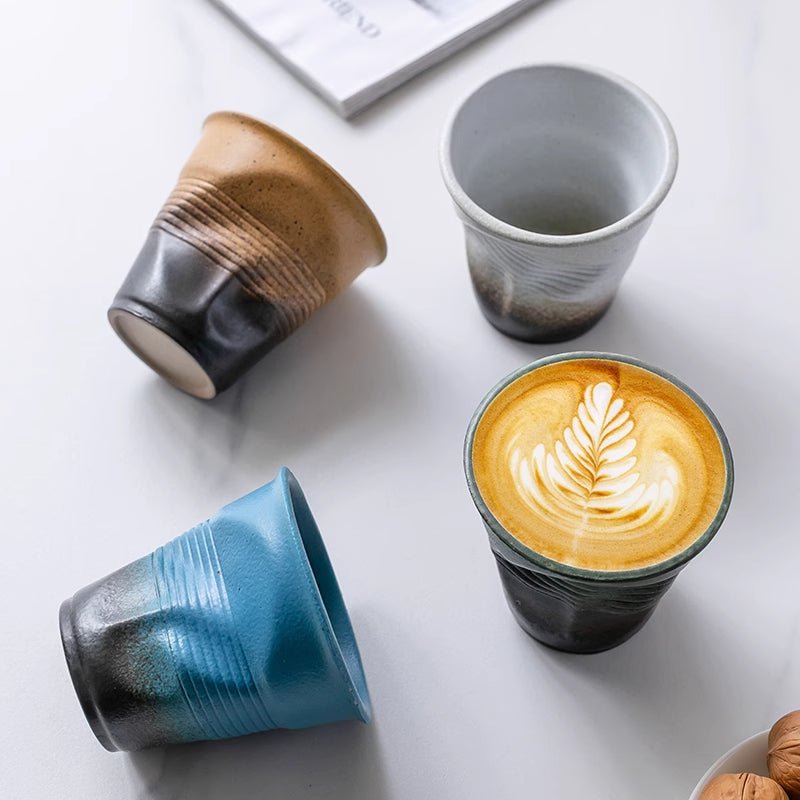
Fancy Tea Cups: What to Look For Before You Buy
Fancy tea cups should look refined, feel comfortable, and survive real use. We cover materials, sizes, handles, and care so you can buy with fewer surprises.
Per saperne di più
Diner Coffee Mugs: What Buyers Should Check Before Ordering
A practical guide to diner coffee mugs: what size, material, handle shape, and finish to check before you order. We compare real-world trade-offs so you can pick a mug that suits the kitchen, offic...
Per saperne di più
Commenta
Questo sito è protetto da hCaptcha e applica le Norme sulla privacy e i Termini di servizio di hCaptcha.