
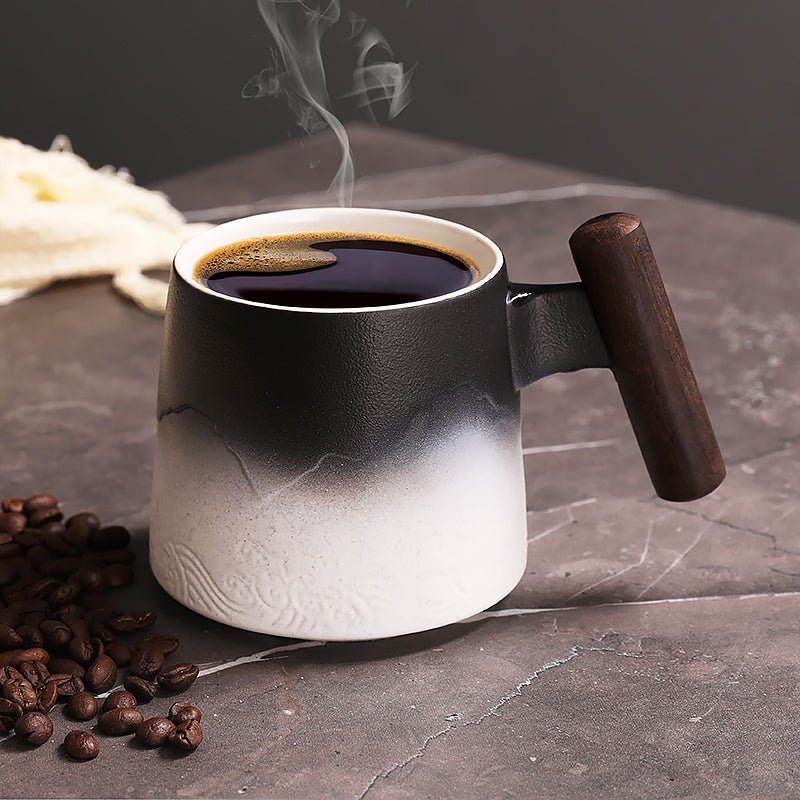
Bones Coffee Mug: Size, Material, and Quality Checks Before Buying
Reading time: about 9 minutes
A mug can look right in a photo and still fail on the kitchen counter. The handle pinches two fingers, the base rocks on the desk, or the glaze starts to show coffee marks after a few dishwasher cycles. That is the difference between a bones coffee mug that gets used every morning and one that ends up in the back of the cabinet.
In our store, we check mugs the same way shoppers do at home: on a coffee bar, on an office desk, and in a sink after a busy week. We look for the things that matter in real use, not just the graphic on the outside. If you are comparing a bones coffee mug for daily coffee or gifting, these are the details worth checking first.
What should a bones coffee mug feel like in daily use?
The right mug feels balanced before you even take a sip. It should sit flat, move confidently from counter to table, and feel easy to hold with one hand while you stir or open a laptop. A good bones coffee mug is not only about the print or style. It has to work as a piece of drinkware.
We usually check four things first:
- Handle clearance: Two fingers should fit without squeezing the knuckles against the body of the mug.
- Rim comfort: The drinking edge should feel smooth, not sharp or uneven.
- Base stability: The mug should sit flat on a counter, tray, or office desk without a wobble.
- Weight balance: It should feel substantial enough to be stable, but not so heavy that a full mug feels tiring.
Those details sound small until you use the mug every day. A slightly crooked handle can turn into an annoyance. A rough rim can make a cup of coffee feel cheaper than it should. A narrow base can feel fine on a shelf and still be annoying near a keyboard.
If you want to compare everyday mug shapes before you commit, our products page is the quickest place to see what we currently carry, while the broader collection makes it easier to compare styles side by side.
Which size works best for coffee, lattes, and tea?
Size is where a lot of buyers overthink the photo and underthink the pour. A mug that looks ideal online can feel too small once you add milk, foam, or a little extra room for stirring. If you already know you prefer a compact cup, our 10 oz Coffee Mug: Size, Fit, and What to Check Before You Buy guide and 11 oz Coffee Mug: Size, Fit, and What to Check Before You Buy guide explain how those smaller sizes feel in hand and on the counter.
| Size | Best for | Main trade-off |
|---|---|---|
| 10 oz | Smaller drip coffee, tea, or a shorter pour | Less room for cream, foam, or a larger morning serving |
| 11 oz | Standard daily coffee and most gift buyers | Can feel small if you like a big mug that lasts through a long work session |
| 15 oz | Heavier pours, mugs for the office, and people who add milk | Bulkier in the hand and takes more cabinet space |
| 16 oz | Desk coffee, larger brewed cups, and people who do not want to refill quickly | Can feel oversized for a quick morning cup |
| 20 oz | Big pours and long desktop use | Heavier when full and not always a good fit under smaller brewers |
| 24 oz | Very large servings or people who want one mug for a long stretch | Can feel too large for everyday coffee and is the least compact option |
For most shoppers, 11 oz to 15 oz is the practical range. That gives enough space for black coffee, a little milk, or a flavored drink without turning the mug into a bowl. Larger sizes are useful, but they are not always better. If you want a mug that feels light in the hand and stores easily, bigger is not the automatic win.
If you are buying for someone else, think about the brewer they use and the amount they usually drink. A person who uses a compact machine or prefers a standard pour is usually happier with a smaller mug than with a giant one that never gets filled.
What materials and finishes hold up best?
Material changes the whole feel of a mug. It affects weight, warmth, durability, and how the mug looks after repeated use. In our experience, shoppers usually decide between ceramic, stoneware, and bone china once they feel the mug in hand.
- Ceramic: Common, easy to clean, and usually the most straightforward choice for everyday coffee. It works well when you want a familiar, balanced feel.
- Stoneware: Heavier and more solid in the hand. It can feel more substantial on a desk, but it is not the lightest option for someone who wants a delicate cup.
- Bone china: Lighter and more refined in feel. It can be a smart gift choice, though some buyers prefer the sturdier feel of ceramic or stoneware for daily use.
Finish matters too. A glossy glaze is usually easier to wipe clean and tends to hide minor wear better than a matte finish. A matte exterior can look sharp, but it may show utensil marks or handling more quickly. If the mug has printed decoration, we also look at how the design sits on the surface. A clean, even print is better than one that looks fuzzy at the edges or thin in spots.
Care is part of the decision. Dishwasher-safe is helpful, but not every decorated mug ages the same way in a dishwasher. We still treat metallic accents, delicate decals, and highly detailed prints more carefully than a plain glazed mug. If a mug is labeled microwave-safe, that only matters if there are no metal details or coatings that should not go in the microwave.
One practical detail many buyers miss: check the underside foot ring. A well-finished mug should not have rough clay exposed where it sits on the table. That rough edge can scratch counters and make the mug feel unfinished even if the outside looks good.
What quality issues should you check before buying?
The problems that matter most are usually small. They show up after a few uses, not just on the first day. A mug can pass a shelf test and still fail on the sink test, the desk test, or the gift-unboxing test. That is why we inspect the simple stuff first.
| Issue | Why it matters | What to look for |
|---|---|---|
| Crooked handle | Makes the mug feel awkward in the hand and can throw off the balance | Handle should line up cleanly with the body and feel centered |
| Rough or sharp rim | Affects the drinking experience immediately | The lip should feel smooth all the way around |
| Wobble on a flat surface | Annoying on a desk and risky near a laptop or keyboard | Set the mug down and check that it sits flat without rocking |
| Crazing or pinholes in glaze | Can make the mug look worn faster and may hold stains | Look for tiny surface cracks, dots, or uneven glaze coverage |
| Thin or weak handle joint | That is where stress shows up first over time | The handle should feel solid where it connects to the mug body |
If a mug is going to be used every day, these details matter more than a flashy graphic. A design can be great and the mug can still disappoint if the finish chips easily or the handle feels insecure when it is full. We would rather see a clean, honest build than a product that looks premium for one unboxing and then starts showing problems after a week of real use.
For shoppers comparing different mug styles, our 16oz Coffee Mug Buyer’s Guide: Size, Material, and Fit and 24 oz Coffee Mug: What to Check Before You Buy posts are useful if you are trying to decide whether a larger mug makes sense for your routine.
Is it good for gifting or daily office use?
A bones coffee mug can work well as a gift because it is easy to understand quickly. People know what a mug is for, and the right one feels personal without requiring a sizing lesson. It also works well on an office desk where someone wants a reliable cup for coffee, tea, or hot chocolate.
Here is where it shines:
- Gift giving: Easy to wrap, easy to use, and useful for people who already drink coffee daily.
- Office use: Good for a desk, break room, or home office where the mug stays in one place most of the day.
- Everyday brewing: A solid pick for standard drip coffee, pour-over, or tea at home.
Here is where it is not the best fit:
- Travel: If someone needs a lid, car compatibility, or insulation, a travel tumbler is the better buy.
- Very long commutes: A regular mug is not built for mobility.
- Huge drinkers only: If the buyer always wants a very large pour, a standard mug may feel too small and lead to refills.
That trade-off is normal. A regular mug is supposed to feel good in the hand and on the table. It is not trying to replace an insulated tumbler or a travel cup. If you buy it for the right job, it usually feels better than a multipurpose option that tries to do everything and does none of it especially well.
When shoppers want to compare the current lineup in our store, we usually point them to the products page first and then the full collection if they want to see every option in one place. That makes it easier to compare size, style, and feel before ordering.
Frequently asked questions
Is a bones coffee mug dishwasher safe?
It depends on the mug finish and decoration. Plain glazed ceramic mugs are often easier to run through the dishwasher, while decorated mugs with delicate print, metallic accents, or matte finishes deserve more care. If you want the print to stay cleaner longer, hand-washing is the safer habit.
What size bones coffee mug is best for daily coffee?
For most people, 11 oz to 15 oz is the most practical range. An 11 oz mug feels like a standard daily cup, while 15 oz gives more room for milk, foam, or a larger pour. If you usually drink a smaller serving, 10 oz can feel more balanced in the hand.
Is a bones coffee mug good for espresso drinks?
Yes, if the size fits the drink. Smaller espresso-based drinks usually work better in 10 oz or 11 oz mugs, while larger milk drinks need more room. If the mug is too big, the drink can feel lost in it and cool faster than expected.
What should I choose if I want a mug as a gift?
Pick a size that feels easy to use, usually 11 oz or 15 oz, and choose a finish that looks clean from the first glance. A mug that feels stable, has a comfortable handle, and is easy to wash makes a safer gift than one that is only interesting as a display piece.
Should I choose ceramic, stoneware, or bone china?
Choose ceramic if you want a straightforward everyday mug, stoneware if you prefer a heavier and more solid feel, and bone china if you want something lighter and more refined. The best choice depends on how the mug will actually be used, not just how it looks on a shelf.
If you want the fastest path to the right pick, decide on size first, then check the handle, rim, and care notes on our products page and compare against the full collection before you order.
Read more
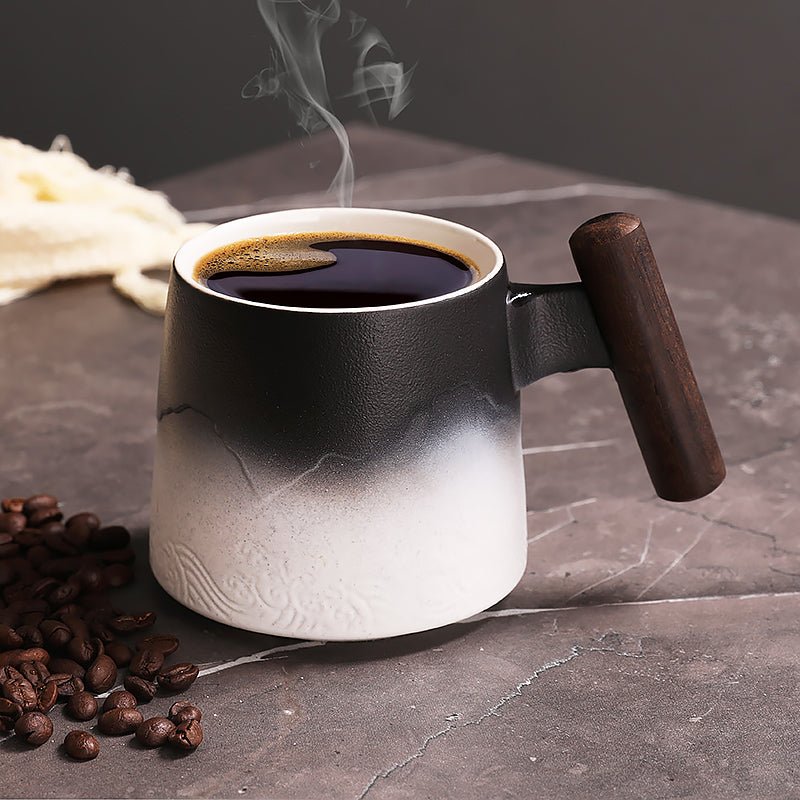
Yellowstone National Park Coffee Mugs: What to Check Before You Buy
Compare Yellowstone National Park coffee mugs by size, material, print quality, and care before you buy. This guide focuses on everyday use, gifting, and the trade-offs between ceramic, stoneware, ...
Per saperne di più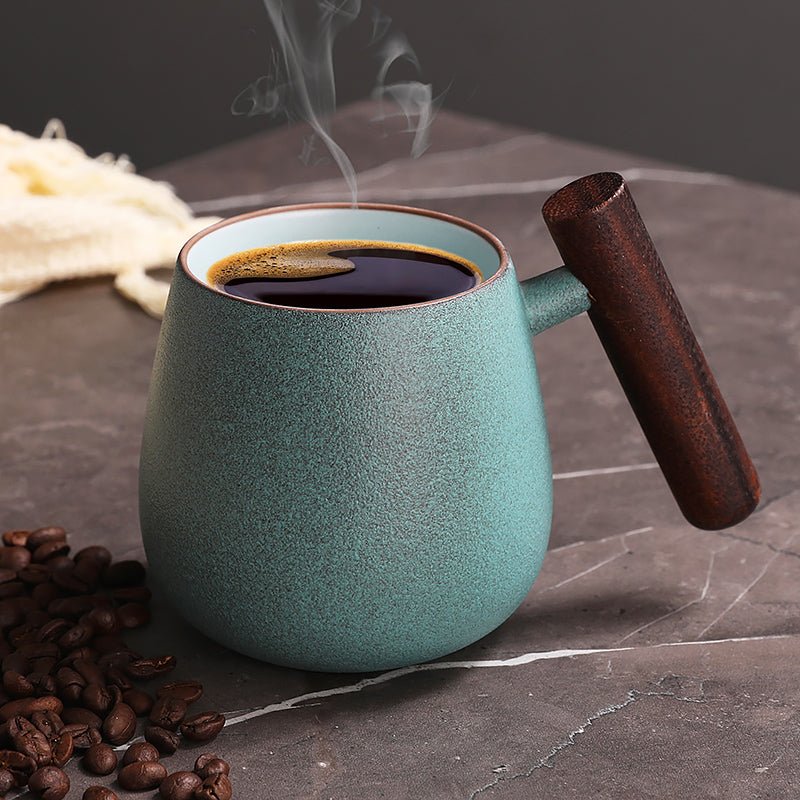
Ceramic Travel Coffee Mug with Ceramic Lid: What Buyers Should Know
A practical buyer's guide to ceramic travel coffee mugs with ceramic lids, covering fit, lid style, care, and the trade-offs that matter on real commutes and office desks.
Per saperne di più
Commenta
Questo sito è protetto da hCaptcha e applica le Norme sulla privacy e i Termini di servizio di hCaptcha.