
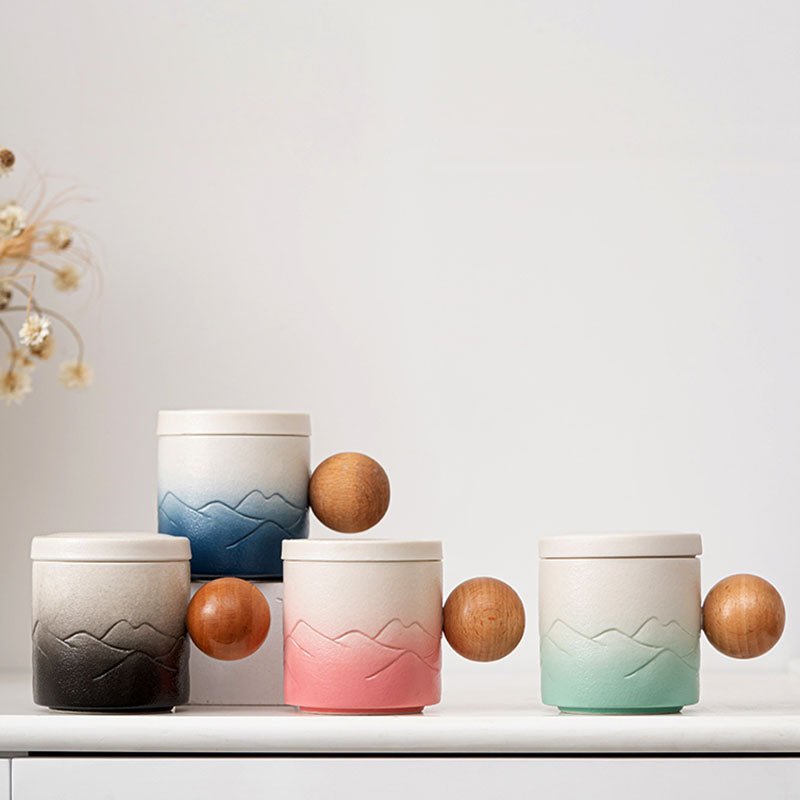
Big Mugs for Daily Use: What to Check Before You Buy
Reading time: about 7 minutes
A big mug sounds simple until it does not fit under the coffee machine, feels awkward in the hand, or cools down too fast because the opening is wider than it needs to be. In our store, we see the same pattern again and again: shoppers want more capacity, but they do not want a cup that is clumsy on a kitchen counter or at an office desk.
If you are comparing big mugs for daily use, start with the basics that affect comfort and cleanup, not the print on the outside. If you want to browse current options while you read, see our all mugs collection.
What size counts as a big mug for daily use?
For many shoppers, big mugs start around 14 to 16 ounces. Once you move into 18 ounces and up, the mug usually feels genuinely large, especially if you leave room for milk, foam, or tea bags. The right size is not the largest size available; it is the size that fits your drink without feeling like a bowl.
We recommend thinking about what actually goes in the mug:
- If you drink black coffee, you may want room for a little extra without the mug feeling oversized.
- If you add milk or creamer, a larger capacity keeps the mug from feeling full to the brim.
- If you use loose-leaf tea or a bag that needs space to steep, a wider opening can help.
- If you sip slowly at a desk, too much surface area can make the drink lose heat faster.
For a more detailed sizing breakdown, we covered that trade-off in Big Coffee Mugs for Daily Use: What to Buy and What to Skip.
Which shape feels better in the hand?
The shape matters as much as the volume. A wide mug looks generous, but if the wall flares too much, the heat escapes faster and the mug can feel bulkier than it is. A narrower body usually keeps warmth better and sits more securely under a drip coffee maker.
These are the small details we check before we recommend a large mug:
- Handle room: The handle should leave real finger space. If your knuckles scrape the mug body, the mug will feel smaller than the capacity suggests.
- Base stability: A flat, even base matters on a crowded desk. A mug that rocks slightly is annoying and more likely to chip if it gets bumped.
- Rim comfort: A smooth lip feels better for both coffee and tea. Sharp or uneven rims are one of the easiest ways a mug feels cheap in daily use.
- Wall thickness: Thicker walls usually feel sturdier and help with heat retention, but they also add weight.
Shoppers who want a straightforward everyday shape often start with The Rock Coffee Tea Mug because it keeps the silhouette practical rather than decorative.
Which material should you choose?
The material changes weight, heat retention, and how hard the mug is to live with after the first week. Ceramic and stoneware are the most common choices for big mugs because they feel at home on a kitchen counter and handle repeated daily use well. Porcelain usually feels lighter and looks cleaner; stoneware usually feels heavier and more grounded.
| Material | Best for | Trade-off | What to check |
|---|---|---|---|
| Ceramic | Everyday coffee and tea | Can chip at the rim or handle if knocked | Glaze finish, handle thickness, care instructions |
| Stoneware | A heavier feel and good heat retention | Heavier in the hand and can feel bulky | Wall thickness, base stability, dishwasher guidance |
| Porcelain | A lighter feel and a cleaner look | Can feel more delicate in daily use | Rim thickness, chip resistance, finish quality |
For a deeper buying path on size, feel, and daily use, our guide Big Mugs for Daily Coffee: Size, Material, and Fit Guide goes into those choices in more detail.
What problems show up in cheap big mugs?
We inspect a lot of mugs before we add them to our store. The common failures are rarely dramatic. They are the small annoyances you only notice after a week: a handle that is too thin, a rim that feels sharp on the lip, glaze pooling near the foot, or a base that is slightly uneven on a tabletop.
- Handle too small: hard to grip when the mug is full.
- Rough rim: not pleasant for coffee or tea you sip slowly.
- Top-heavy shape: more likely to tip on a cluttered desk.
- Thin walls: the drink cools quickly and the mug can feel less durable.
- Poor glaze application: visible pinholes, streaks, or uneven finish.
Those issues matter more than a novelty graphic. A plain mug that balances well will usually outlast a flashy one that only photographs well.
Which big mug works best for coffee, tea, and office use?
Different drinks reward different shapes. Coffee usually does better in a mug that is roomy but not overly wide, because you want enough space for milk while keeping heat in. Tea can work well in a slightly wider opening, especially if you like letting the bag or infuser move freely. For office use, the most important trait is stability: a base that sits flat and a handle that does not fight the mouse, notebook, or keyboard.
That is why we often point shoppers toward practical everyday pieces rather than oversized novelty mugs. If you are comparing more than one style, the easiest path is to browse the full range in our all mugs collection and compare handle shape, capacity, and care notes side by side.
If you are specifically buying for tea drinkers, the buying logic is a little different. We break that down in Big Mugs for Tea: How to Choose the Right Large Mug.
What should you check before buying big mugs online?
Online mug shopping is mostly about reading between the lines. Product photos show the style. The listing details tell you whether the mug will be easy to live with.
- Check the capacity, not just the word large.
- Look at the handle shape and whether it leaves room for two or three fingers.
- Read the care instructions before you buy. Dishwasher and microwave details matter if this is a daily mug.
- Look for notes about glaze, finish, and whether the mug is hand-finished.
- Think about cabinet and machine fit. A mug that is too tall or too wide can be a nuisance every morning.
If you want a broader buying filter for everyday use, we also covered the skip-versus-keep decision in Big Coffee Mugs for Daily Use: What to Buy and What to Skip.
Frequently asked questions
What size big mug is best for daily coffee?
Most daily drinkers are happiest somewhere in the roomy middle, often around 14 to 16 ounces. If you add milk, foam, or a second pour, going larger can make sense, but the mug should still feel balanced in the hand. Bigger is not always better if you want the drink to stay hot longer.
Are big mugs bad for espresso or small drinks?
Usually, yes. An oversized mug can make a short drink feel lost, and the extra air space cools it faster. If you drink mostly espresso or small pour-overs, a smaller cup or a medium mug is usually the better fit.
Is ceramic or stoneware better for a big mug?
Both can work well. Ceramic often feels a bit lighter and cleaner in the hand, while stoneware usually feels heavier and more substantial. If you want something that feels solid on a desk and can handle daily use, stoneware is often the safer feel, but the final choice should come down to the listing details and your comfort.
Can I put a big mug in the dishwasher?
Check the product page every time. Many everyday mugs are dishwasher-friendly, but printed graphics, metallic accents, and some hand-finished glazes need more care. If you want low-maintenance use, choose a mug whose care notes are clear before you buy.
What makes a big mug a good gift?
A good gift mug should be comfortable, not just visually interesting. Look for a shape that sits flat, a handle that feels easy to hold, and a finish that can survive normal washing. A plain, well-made mug usually gets used more often than a novelty piece that feels awkward after the first week.
If you are ready to compare styles, start with the full range in our all mugs collection and then narrow down by capacity, handle comfort, and care notes. For a straightforward everyday option, the The Rock Coffee Tea Mug is a practical place to begin.
Read more
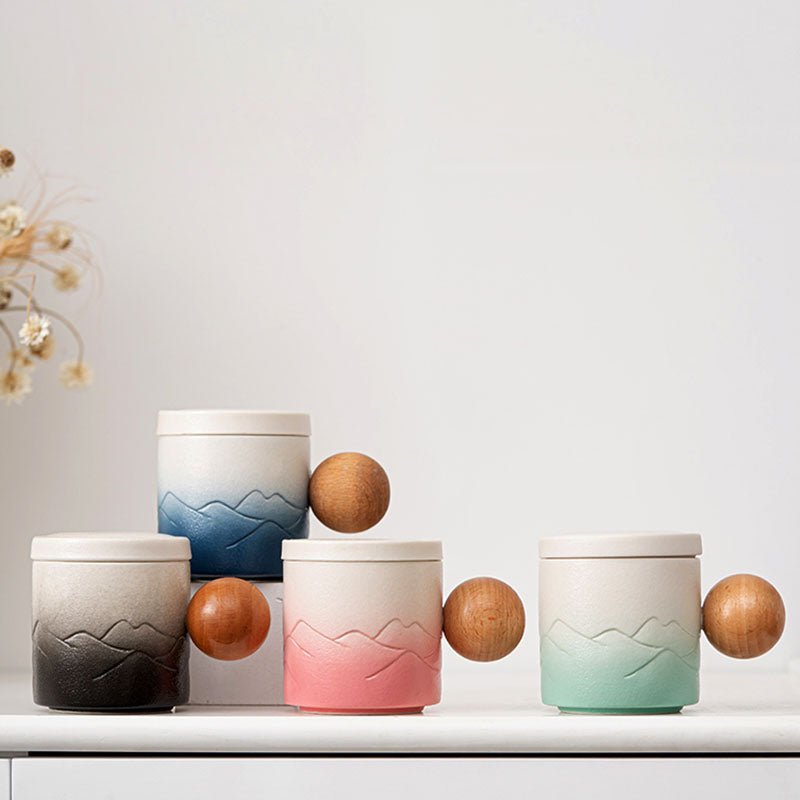
Giant Mugs for Coffee: Size, Shape, and Daily Use Guide
Oversized coffee mugs work best when the handle feels right, the base sits flat, and the capacity matches your actual routine. We break down the trade-offs so you can pick a giant mug that is comfo...
Per saperne di più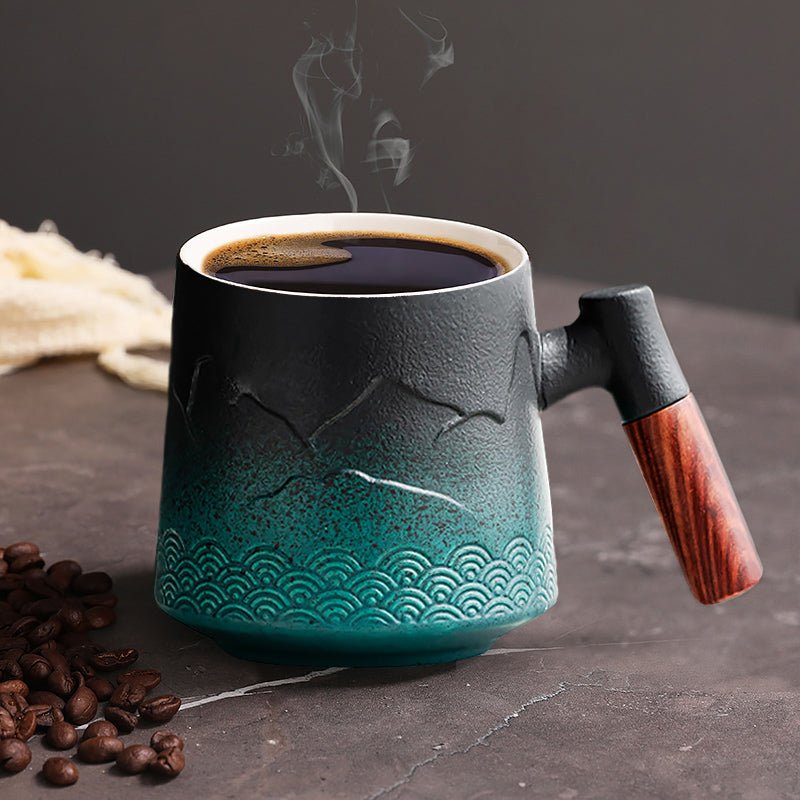
Coffee Mug with Handle: How to Choose the Right Everyday Mug
A handled mug should feel stable on a desk, easy to lift with one hand, and simple to care for after daily use. We compare grip, handle style, and real trade-offs so you can choose with confidence.
Per saperne di più
Commenta
Questo sito è protetto da hCaptcha e applica le Norme sulla privacy e i Termini di servizio di hCaptcha.