
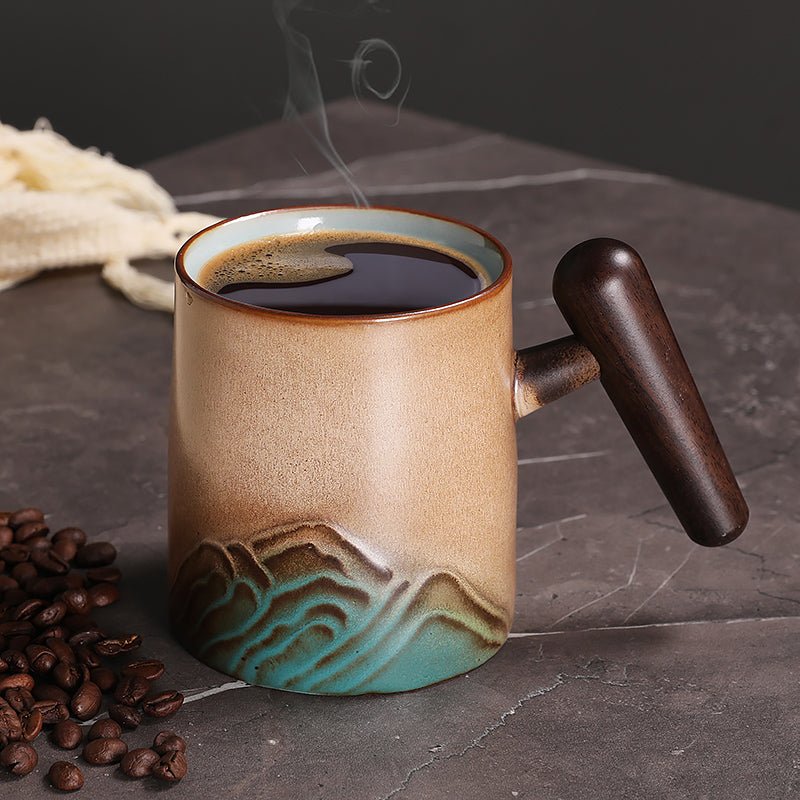
Big Coffee Mug Buyer's Guide: Size, Comfort, and Daily Use
Reading time: about 9 minutes
Some mugs look generous until you pour a full cup of drip coffee, add milk, and realize the rim is closer to your fingers than it looked online. That is the usual pain point with a big coffee mug: it has to hold more, sit steady, and still feel comfortable after the coffee is hot.
We see the same thing in our store. Shoppers want a mug that feels roomy, but they still need it to fit a brewer, a desk, and the dishwasher rack. If you are comparing options, our current assortment starts on our products page, and the broader collection is useful when you want to compare shapes side by side.
What should a big coffee mug do every day?
A good large mug is not just oversized. It should solve a routine problem without creating three new ones. In our experience, the best mugs handle a real morning cycle: fill at the coffee maker, carry to the desk, sip for twenty minutes, rinse, and go through the dishwasher without the finish or handle feeling fragile.
At minimum, a big mug should do these jobs well:
- Hold enough coffee for your actual pour, not just the number printed on the box.
- Stay balanced when full, especially if the body is tall or wide.
- Give your fingers enough room on the handle so you are not gripping hot ceramic.
- Clean up easily after coffee, tea, milk, or cocoa without staining or holding odors.
This is why our buyers often start with the basics in Big Coffee Cups: What to Check Before You Buy a Large Mug. It is the fastest way to separate a mug that just looks big from one that actually behaves well in daily use.
What size actually counts as big?
There is no single cutoff, but most shoppers think of a big coffee mug as something above the standard 10 to 12 ounce cup. Once you get into the 14 to 24 ounce range, the shape starts to matter as much as the capacity. A thick-walled mug can feel smaller than you expect, while a wide-mouth mug can feel huge even if the printed number is only moderate.
| Typical size | What it feels like | Best fit | Main trade-off |
|---|---|---|---|
| 14 to 16 oz | Large without feeling bulky | Daily drip coffee, tea, office use | Less room for add-ins or topping off |
| 18 to 20 oz | Clearly oversized | Long mornings, milk-heavy drinks, slow sipping | Heavier when full, takes more cabinet space |
| 22 to 24 oz | Very large | Big pours, cocoa, soup, one-mug breakfasts | Can be awkward for small hands or shallow shelves |
If you want a tighter comparison between common sizes, our guides to 16 Ounce Coffee Mug Buyer’s Guide: Size, Material, and Fit and 24 oz Coffee Mug: What to Check Before You Buy break down where each size makes sense and where it starts to feel excessive.
One detail buyers often miss: capacity is not the same as usable fill. A mug filled to the brim is not how people drink coffee. You need headroom for pouring, cream, foam, or a spoon, so the comfortable serving size is usually lower than the printed capacity.
Which material and finish hold up best?
For a big coffee mug, the most common materials shoppers compare are ceramic, stoneware, and porcelain. Each one has a different feel in the hand, and each one has a different risk profile once it starts living next to the sink, microwave, and dishwasher.
- Ceramic usually gives you a solid everyday feel and a familiar weight. It is a good all-around choice, but rim chips and glaze wear can show up if it gets banged around in a crowded cabinet.
- Stoneware tends to feel substantial and stable. That extra weight can help a big mug feel less tippy, but it is not the lightest option if you carry coffee from kitchen to desk in one hand.
- Porcelain often looks cleaner and thinner. It can be a nice choice if you want a more refined look, but a very thin oversized mug may feel less forgiving in daily use.
There is also the finish to think about. A smooth glaze is easier to wipe clean, while a rough or very matte surface can show utensil marks faster. If you care about long-term wear, inspect the rim, foot, and handle joints. Those are the places where defects usually show first: tiny pinholes in the glaze, uneven glazing on the foot, or a hairline crack near the handle base.
We do not recommend a big mug with a thin wall if you plan to wash it hard, stack it tightly, or move it from sink to counter all day. The larger the body, the easier it is to chip if the construction is weak.
Which details separate a good mug from a frustrating one?
The small details are what decide whether a big coffee mug becomes a daily favorite or a cabinet extra. A good photo can hide a lot. We look at the parts that affect handling, cleanup, and long-term use.
- Handle clearance. Three fingers should fit without scraping the mug body. If your knuckles hit the ceramic, the mug is too tight for daily use.
- Base stability. The mug should sit flat on a counter or tray with no wobble. A wide body with a narrow foot can feel awkward when full.
- Lip thickness. A very thick rim can feel heavy when you sip. A very thin rim can feel fragile. The best choice is usually somewhere in the middle.
- Wall thickness. Thicker walls help a mug feel sturdy, but they also add weight. That matters if you carry coffee one-handed or use the mug all morning.
- Surface finish. A smooth glaze is easier to clean after coffee oils, cocoa, or tea. Matte finishes can be attractive, but they can also show marks sooner.
In our store, the most common complaints are not about the color. They are about fit. A handle that only works for two fingers, a base that rocks slightly, or a mug that is too wide for the brewer are all real problems. Those issues show up fast in a kitchen, an office break room, or a gift unboxing.
If you want to compare the middle sizes against a more generous shape, the article Big Mug Coffee: How to Choose the Right Large Mug for Daily Use is a useful next read because it focuses on how the mug feels after repeated use, not just how it looks on the shelf.
Which big mug fits your routine?
The right choice depends on where and how you drink. A mug that is perfect at a home kitchen counter may be the wrong fit for a desk, and a mug that works for tea may be too much for a quick espresso-based drink.
- For home drip coffee: a 14 to 18 ounce mug is often the most practical. It gives you room for a full pour without becoming oversized.
- For long desk sessions: an 18 to 24 ounce mug can make sense if you want fewer refills and you do not mind the weight.
- For gifting: choose a shape with a comfortable handle and a balanced look. Large mugs are a common gift, but if the mug feels clumsy, the gift lands poorly even if the print or color is attractive.
- For tea or cocoa: a larger bowl-like mug can work well, especially if you want more surface area and a slower drinking pace.
There are also clear cases where a big coffee mug is the wrong tool. It is not ideal for travel, because an open mug does not control spills. It is not the best choice for tiny shelves or tight cabinet stacks. And if you prefer your coffee piping hot for a long time, an insulated travel tumbler will usually outperform an open ceramic mug.
That trade-off is worth saying out loud. A big coffee mug gives you comfort and capacity, but it does not replace a sealed cup.
How do you care for a big mug so it lasts?
Care is simple if you keep the mug in the use case it was built for. Wash it promptly, avoid sudden temperature swings, and check the maker's care guidance before you put it in a dishwasher or microwave. Not every glaze, print method, or finish behaves the same way.
- Rinse after use. Coffee and tea oils are easier to remove before they sit overnight.
- Give it space in the dishwasher. Large mugs can knock into other items if the rack is crowded.
- Use the microwave only if the mug is marked safe. Some finishes or decorative details do not belong in high heat.
- Watch for chips and crazing. If the glaze starts to crack in fine lines or the rim chips, retire the mug from heavy use.
Large mugs spend a lot of time moving between hot and cold surfaces, so the stress on the material is real. We pay close attention to that in our product checks because a mug that looks good on day one can start showing weak points after a few dishwasher cycles or a few rough weeks in a busy kitchen.
Frequently asked questions
What size is best for a big coffee mug?
For most daily coffee drinkers, 14 to 18 ounces is the sweet spot. It feels clearly larger than a standard cup without becoming awkward to hold or store. If you add a lot of milk or like a very long pour, 20 ounces can make more sense.
Is ceramic or stoneware better for a big coffee mug?
Stoneware usually feels heavier and more stable, which many people like for a larger mug. Ceramic is often a little lighter and still works well for daily use. The better choice depends on whether you value heft and stability or a lighter feel in the hand.
Can a big coffee mug go in the dishwasher and microwave?
Only if the mug is marked safe for that use. Many ceramic and stoneware mugs are fine in the dishwasher, but decorative finishes can change that. For microwaves, avoid any mug with metallic details or a care label that says not to use heat.
What makes a big mug uncomfortable to use?
The biggest issues are a cramped handle, a wobbling base, and too much weight once the mug is full. A wide body can also feel awkward if your hands are small or your cabinet space is tight. If the mug feels good empty but clumsy full, it is not the right buy.
Is a 24 oz mug too big for everyday coffee?
For some buyers, yes. A 24 ounce mug is useful if you want a very large pour, tea, cocoa, or a long desk session, but it can be overkill for a quick cup of drip coffee. If you usually refill once anyway, a smaller large mug may be easier to live with.
If you are still comparing options, start with the size that matches your actual pour, then check the handle, base, and care label. From there, use our full collection to narrow down the mug that fits your counter, not just the product photo.
More from our blog
Read more
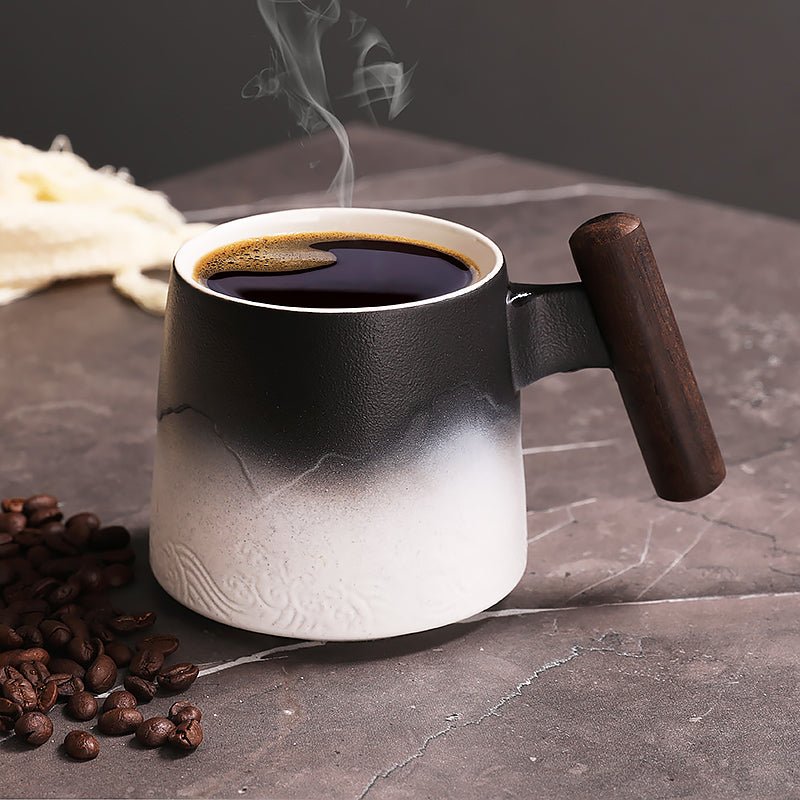
Mug Keeps Coffee Hottest: Materials, Lids, and Size Compared
A mug keeps coffee hottest only when the material, wall thickness, lid, and size work together. We break down what matters, what to skip, and which mug style fits desks, slow mornings, and gifting.
Per saperne di più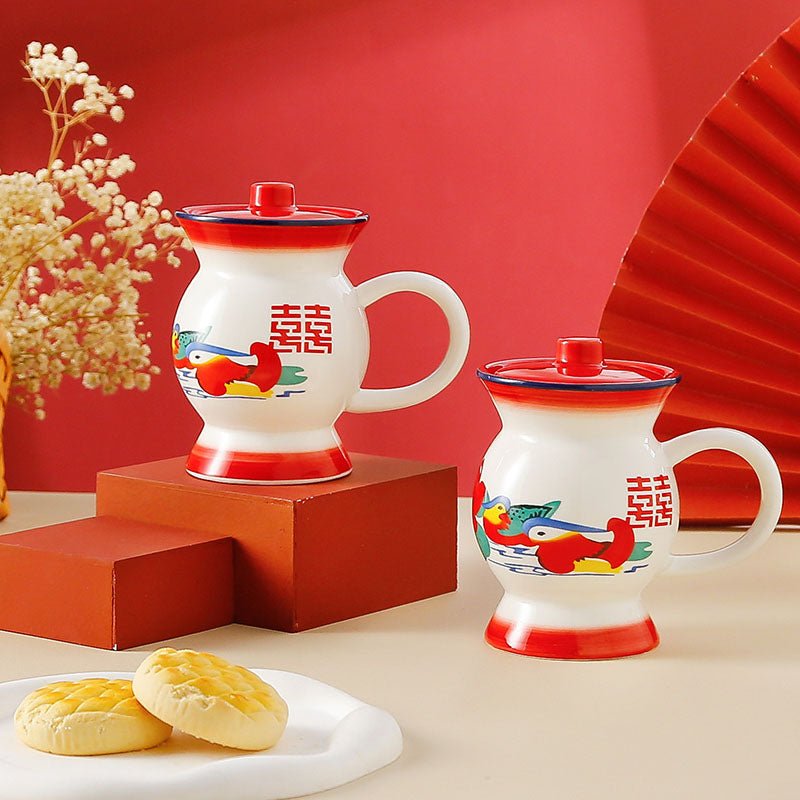
Oversized Coffee Mug: How to Pick the Right Big Mug
An oversized coffee mug works best when the handle clears your fingers, the rim feels balanced, and the base fits your cabinet and dishwasher rack. We break down the size and material checks buyers...
Per saperne di più
Commenta
Questo sito è protetto da hCaptcha e applica le Norme sulla privacy e i Termini di servizio di hCaptcha.