
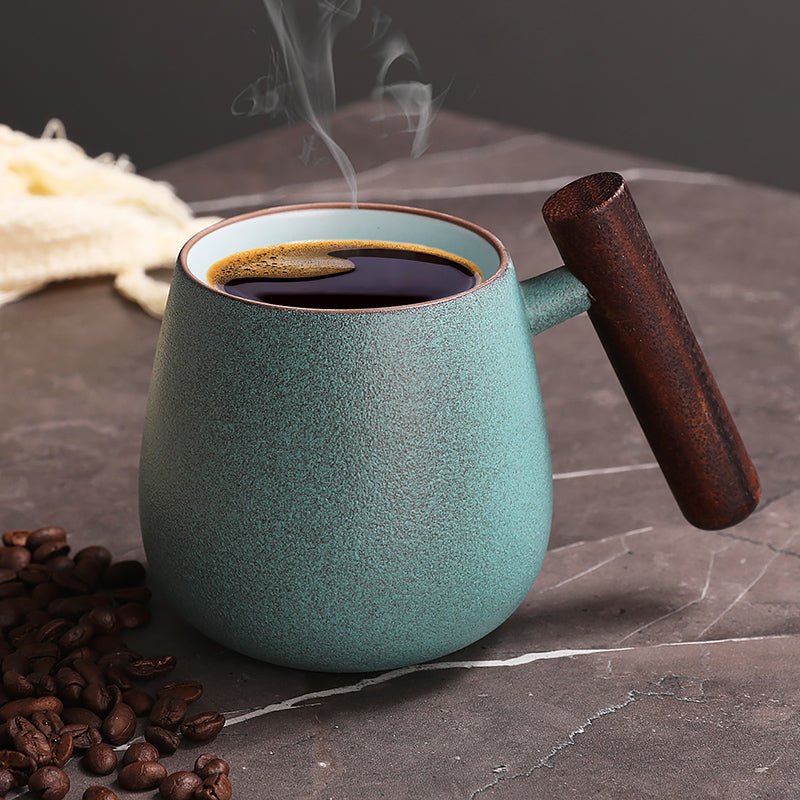
Best Coffee Travel Mug: What Shoppers Should Check Before Buying
Reading time: about 10 minutes
The fastest way to spot the best coffee travel mug is to watch what happens on a real morning desk: one mug drips on a notebook, another stays hot until the second meeting, and a third is too wide for the car cup holder. That is the difference shoppers actually feel after the box is opened.
At CoffeifyMug, we look at travel mugs the way our customers use them: in the car, on a crowded office desk, beside a laptop, and after a dishwasher cycle. Some mugs are great at heat retention but annoying to sip from. Others feel comfortable in the hand but are not the best pick for long commutes. The right choice depends on where you drink, how you clean, and how much risk you will accept around leaks.
If you want to compare our current drinkware options while you read, start with our full collection. And if you want to see the product selection we keep available, our products page is the easiest place to begin.
What makes the best coffee travel mug for daily use?
The best coffee travel mug is the one that fits your routine without creating extra work. For daily use, we usually focus on four things: leak resistance, lid design, insulation performance, and whether the mug fits your hand and cup holder.
A mug can be technically “good” and still be a bad fit for a commute. For example, a wide body may feel stable on a kitchen counter but fail in a compact car holder. A narrow tumbler can slip into a bag more easily, yet some narrow lids are harder to clean around the drinking edge. These trade-offs matter more than marketing copy.
- Leak resistance: best for backpacks, commutes, and desk bags.
- Heat retention: best for long office mornings or slow sipping.
- Lid comfort: matters if you sip one-handed while walking.
- Size and shape: matters for cup holders, lunch bags, and cabinet storage.
Our experience is that shoppers are happiest when they choose for the worst part of their day, not the best. If your mug will ever go into a tote bag, prioritize a secure lid. If it will live on a desk, comfort and ease of cleaning may matter more than a fully sealed design.
For a broader checklist before buying, our guide on Best Travel Coffee Mug: What to Check Before You Buy covers the decision points we see most often.
Which lid style works best for coffee on the move?
Lid style is where many travel mugs succeed or fail. We see three common designs: slide lids, flip lids, and twist or seal lids. Each one behaves differently in the real world.
| Lid style | Best for | Trade-off |
|---|---|---|
| Slide lid | Quick office sipping | Usually easier to open, but not always the most secure for bags |
| Flip lid | Commutes and one-handed use | Moving parts can collect coffee residue if not washed well |
| Twist or seal lid | Backpacks and longer carries | Often slower to open and can feel less convenient on a desk |
We test lids by looking for the things customers complain about after a week of use: a latch that loosens, a drinking opening that splashes when you walk, or a gasket that traps coffee smell. A lid with a silicone seal is useful only if the seal stays seated correctly and is easy to remove for cleaning.
If you want to read more about lid behavior, our Travel Coffee Mug Buying Guide: Leakproof Lids, Insulation, and Fit goes deeper into the details we check before adding products to our store.
What materials should you choose: stainless steel, ceramic-lined, or plastic?
Material choice changes both the drinking experience and the maintenance routine. Most shoppers comparing the best coffee travel mug end up choosing between stainless steel, ceramic-lined interiors, and plastic components in the lid or outer shell.
Stainless steel is the most common choice for insulation and durability. It handles commuting well, resists dents better than many lighter materials, and usually keeps coffee hotter for longer. The downside is that some steel mugs can give a slight metallic note if the interior finish is poor or if the mug is left with coffee residue overnight.
Ceramic-lined interiors are appealing for taste because they can feel closer to a regular cup. The trade-off is that they may be more sensitive to hard knocks, and the lining can make the mug less forgiving if it is dropped in a parking lot or knocked off a desk.
Plastic parts are common in lids and handles. They reduce weight and can improve grip, but they can also pick up coffee odor if not cleaned thoroughly. If the lid has rubber or silicone seals, rinse them after use and remove them for deep cleaning when possible.
In our store, we pay attention to details that matter after purchase: the thickness of the lid seal, whether the mouthpiece is easy to rinse, and whether the body feels secure in a car cup holder. Those are not flashy specs, but they decide whether a mug gets used every day or abandoned in a cabinet.
What size is best for a coffee commute?
Size should match your routine, not just your caffeine habit. A mug that is too small runs out before you do. One that is too large may be awkward to carry, too heavy when full, or too tall for your car console.
For many buyers, a mid-size mug around the 16 to 20 oz range is the most practical starting point. A 20 oz mug often fits a full coffee pour plus a little room for cream, but it may be too tall for shallow cabinets or compact cup holders. Smaller mugs are easier to carry, but they are not ideal if you want your coffee to last through a long drive or a back-to-back morning.
If handle comfort matters to you, our article on Travel Coffee Mug with Handle: What Buyers Should Check Before Buying is useful before you choose. Handles help with grip at the desk, but they can make a mug bulkier in a bag.
- Pick a size based on your longest stretch without a refill.
- Check cup holder fit if you commute by car.
- Make sure the mug is easy to store in a cabinet or lunch bag.
- Consider weight when full, not just empty weight.
A larger mug is not always better. If you drink quickly and prefer fresh coffee, a smaller mug may serve you better than a bulky one that stays half-full and cools down.
How do you tell if a travel mug is actually leakproof?
“Leakproof” is one of the most overused claims in drinkware. In practice, the real test is whether the mug stays closed when tipped in a bag, shaken during a commute, or set down at an angle on a passenger seat.
We look for a few practical signs. The lid should close with a clear, repeatable seal. The gasket should sit evenly without warping. The drinking opening should not drip after a sip. And the lid should still seal properly after repeated washing, because some defects only show up after a few dishwasher cycles or hand washes.
Leakproof does not mean spill-free under every condition. A mug that survives a slow tip test may still leak if the gasket is misaligned, the lid is not fully engaged, or coffee collects in the drinking channel.
That is why we encourage shoppers to treat leakproof claims carefully. A mug that is excellent for desk use may not be the best choice for a gym bag or a backpack packed with papers. If portability is your top priority, read our Contigo Coffee Travel Mug: What Buyers Should Check Before They Buy for a closer look at the practical checks buyers should make before purchasing a sealed travel mug.
Which mug is easiest to clean after real use?
Cleaning is where many mugs disappoint people after the first week. Coffee oils cling to lids, especially around the drinking spout, silicone gasket, and hinge points. A mug that looks sleek in product photos can be frustrating if you need a toothbrush to clean it every night.
We recommend checking for these cleaning details before buying:
- Wide opening: easier to rinse and dry.
- Removable gasket: helps prevent stale coffee odor.
- Simple lid parts: fewer cracks and hinges mean fewer trapped grounds.
- Dishwasher-safe guidance: useful, but still check the manufacturer’s care notes for lid pieces.
In our experience, the best coffee travel mug is not always the fanciest one; it is the one you do not mind washing every day. If a lid has too many moving parts, it can start to smell like old coffee even when the body of the mug is spotless. That is a common complaint we hear from office buyers and gift recipients alike.
For a practical discussion of everyday mug choice, our post on Go Coffee Mugs: How to Choose the Right Travel Mug for Daily Use is a helpful follow-up.
Which coffee travel mug is not the right fit for you?
Not every solid mug is right for every buyer. A fully sealed travel mug is usually not the best pick if you want to sip slowly at a desk without fiddling with a latch. A large handled mug may feel comfortable at home but take up too much space in a work bag. A narrow insulated tumbler may be portable but awkward for people with larger hands or gloves.
Here is the simple version:
- Choose a sealed, leak-resistant mug if it will go in a backpack or briefcase.
- Choose a comfortable, easy-open lid if you mostly drink at a desk.
- Choose a handled mug if hand comfort matters more than compact storage.
- Choose a stainless steel body if durability and temperature retention matter most.
- Choose a ceramic-lined option if flavor feel matters more than maximum toughness.
We do not think one mug style solves every problem. The right choice is the one that matches how you actually drink coffee, not how you imagine you will use it.
What should you check before you buy from our store?
If you are comparing options in our store, start with the basics and move outward from there. Check the size, lid style, body material, and whether the shape fits your car, desk, or bag. Then think about cleaning and long-term comfort.
Our team always suggests reading product details the same way we do when we handle inventory: look for body dimensions, lid construction, care instructions, and whether parts are simple enough to rinse without fuss. That is usually where the difference between a good mug and the best coffee travel mug shows up.
If you want to browse everything in one place, our collection page makes it easy to compare available styles side by side.
Frequently asked questions
What size coffee travel mug is best for commuting?
For most commuters, 16 to 20 oz is the most practical range. It gives you enough coffee for a morning drive without becoming too bulky for a cup holder or bag. If you want fresher coffee in smaller servings, a smaller mug may be a better fit.
Are stainless steel travel mugs better than plastic ones?
For heat retention and durability, stainless steel is usually the better choice. Plastic is lighter, but it tends to be less effective for keeping coffee hot and may hold odors more easily. Many shoppers use a steel body with some plastic or silicone parts in the lid.
Can I put a coffee travel mug in the dishwasher?
Some mugs are dishwasher-safe, but not every part of every mug should go through a full cycle. Lids, seals, and painted finishes often need gentler care. Check the care instructions for the specific mug, and remove any silicone gasket if the manufacturer recommends it.
What is the biggest sign that a travel mug will leak?
A lid with poor sealing around the gasket or a drinking mechanism that does not close cleanly is the biggest warning sign. If the lid feels loose, the gasket shifts, or coffee drips after a sip, that mug is more likely to leak in a bag. A careful seal check matters more than the product photos.
Should I choose a handled travel mug or a tumbler?
Choose a handled mug if you want a comfortable grip at your desk or in the kitchen. Choose a tumbler if you need something slimmer for bag storage and car cup holders. Handles are great for comfort, but they do add bulk.
If you are ready to narrow it down, start by deciding which matters most: leak protection, easy cleaning, or a comfortable daily sip. Then compare the options in our product selection and use the checklist above before you buy.
More from our blog
Read more
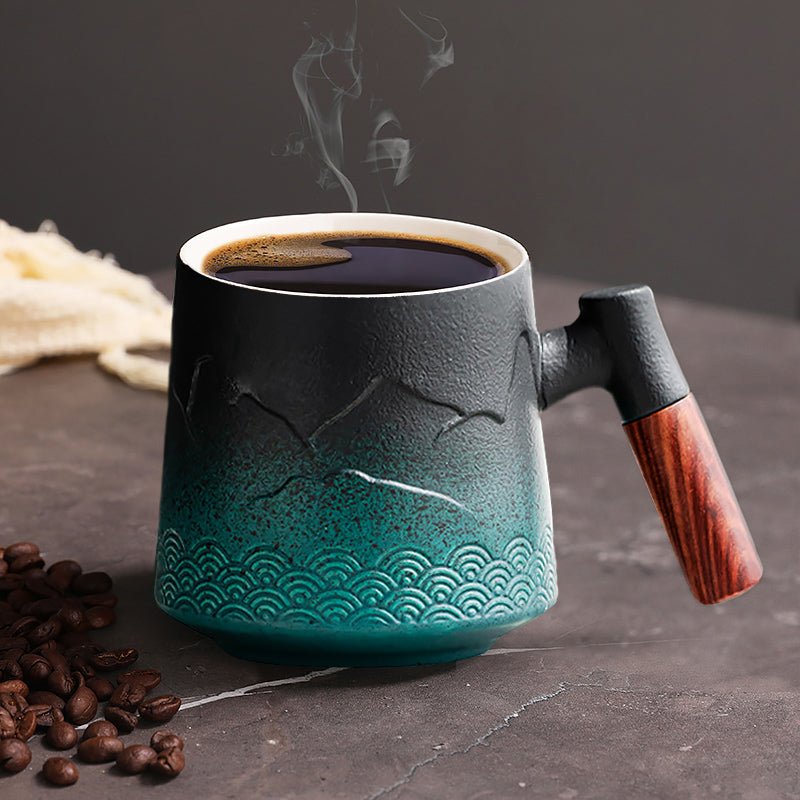
Travel Coffee Mug with Handle: What Buyers Should Check Before Buying
A travel coffee mug with handle can be easier to carry, easier to sip from, and more comfortable on long commutes—but only if the lid, insulation, and handle shape fit your routine. Here’s what we ...
Per saperne di più
Clear Coffee Mugs: What to Buy for Home, Office, and Gifting
Clear coffee mugs show the drink, the fill line, and the color of the brew, which makes them a practical pick for kitchens, offices, and gift sets. Here’s how to choose glass, double-wall, and ever...
Per saperne di più
Commenta
Questo sito è protetto da hCaptcha e applica le Norme sulla privacy e i Termini di servizio di hCaptcha.