
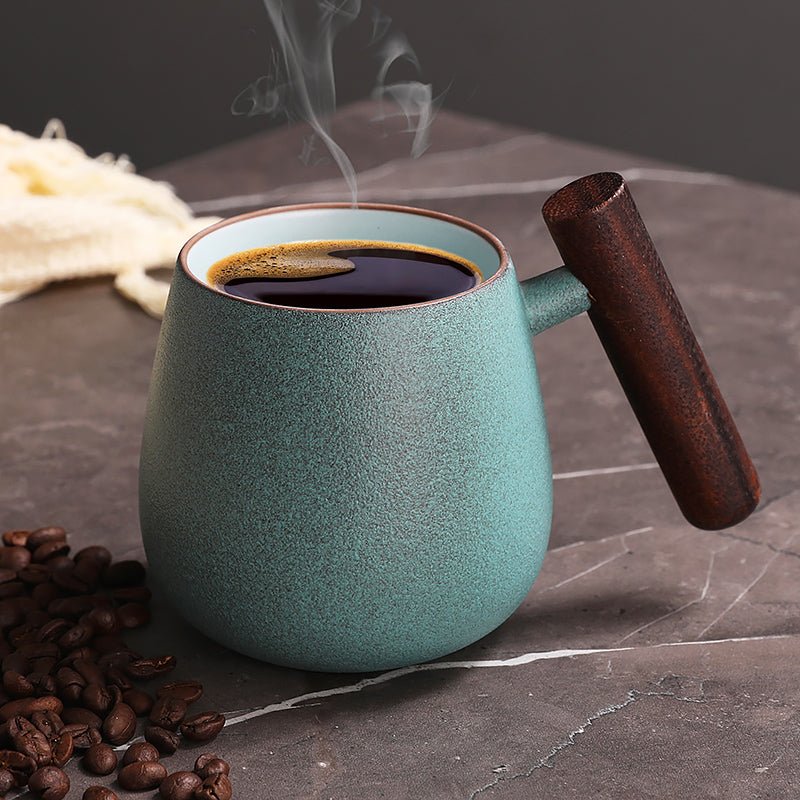
Antique Coffee Mugs: How to Choose the Right One for Daily Use
Reading time: about 9 minutes
What should you notice first about antique coffee mugs?
A mug that looks right on a shelf can feel wrong in the hand. We see this all the time in our store: shoppers fall for the pattern, then realize the rim feels too thin, the handle is cramped, or the cup is better for display than for a Monday morning refill.
That is the real starting point with antique coffee mugs. The best ones balance look, weight, and comfort. If you want a mug that can move between kitchen counter, office desk, and guest shelf without feeling fragile, you need to check more than the print or glaze.
Our team looks at three things first: how the mug sits in the hand, how much heat it holds, and whether the finish looks good after repeated washing. Those details decide whether a mug becomes a daily favorite or just another decorative piece.
If you are comparing styles for daily use, our guide on Antique Coffee Mugs: How to Choose One for Daily Use or Display is a useful companion read before you pick a final style.
Are antique coffee mugs good for daily use or mostly for display?
They can be either, but not every antique-inspired mug belongs in the dishwasher every day. A sturdy ceramic mug with a comfortable handle and a well-finished glaze can do fine on a breakfast table. A more delicate piece, especially one with a fine rim or ornate surface detail, may be better for occasional use or display.
For daily use, we prefer mugs that feel balanced when filled. A mug with a stable base and a handle that fits three fingers is easier to live with than a delicate collector-style piece. You should also think about how the mug handles heat. Thin-walled mugs look elegant, but they cool faster and can be less forgiving if you pour in very hot coffee straight from the kettle.
For display, the priorities shift. Pattern fidelity, glaze depth, and silhouette matter more than microwave convenience. That does not make display mugs bad. It just means the buyer should be clear about the role they want the mug to play.
- Best for daily use: ceramic mugs with comfortable handles, smooth glaze, and a stable base.
- Best for display: more decorative pieces with ornate artwork or a vintage-inspired silhouette.
- Not ideal for: rough treatment, stack-heavy cabinets, or anyone who wants an ultra-light travel mug.
For shoppers focused on size and fit, our 12 oz Coffee Mugs: How to Choose the Right Mug for Daily Use article helps if you want a practical everyday benchmark.
Which material and finish should you look for?
Most antique coffee mugs today are ceramic or stoneware, and that is usually the right place to start. Ceramic gives a smooth feel, good heat retention, and a finish that can show detailed artwork clearly. Stoneware is often a bit heavier and more substantial in the hand, which many buyers like for a vintage look.
We recommend checking the rim, base, and handle finish closely. A smooth rim matters if you sip directly from the mug. A clean base matters because rough foot rings can scratch counters and table surfaces. The handle should be fully glazed or at least smooth enough that it does not feel sharp after a few uses.
Here are the details that matter in real use:
- Material: ceramic for a lighter feel, stoneware for more heft and a classic table presence.
- Glaze: glossy finishes usually wipe clean more easily than textured surfaces.
- Rim: a well-finished rim feels better for everyday sipping and holds up better over time.
- Base: a flat, even base helps the mug sit securely on a counter or desk.
We do not suggest buying an antique-style mug only because it looks aged. True wear marks, crazing, and irregular glazing may be part of the charm, but they can also make cleaning harder or leave the mug feeling less dependable for daily coffee.
How do size, shape, and handle feel change the buying decision?
Size is where a lot of buyers get disappointed. A mug can look generous in photos and still feel too small for a morning coffee, or too bulky for a small hand. Shape matters too. A straight-sided mug will usually feel more modern and dense. A gently tapered cup can feel more refined and often sits better on a shelf.
Handle design is one of the easiest things to miss online. We pay close attention to handle opening, because a handle that looks decorative can be uncomfortable after the mug is full. If you drink coffee quickly, you will probably want a handle with enough clearance to avoid knuckle contact. If you prefer slower sipping, weight and balance become more important than capacity alone.
For readers comparing common mug sizes, our 16 oz Coffee Mugs: How to Choose the Right Mug for Daily Use guide is helpful when you want a larger everyday cup without guessing at fit.
| Buyer priority | What to check | Why it matters |
|---|---|---|
| Daily coffee | Handle clearance, stable base, smooth rim | Makes the mug comfortable and reliable on busy mornings |
| Display value | Pattern detail, glaze depth, silhouette | Helps the mug look right on a shelf or tray |
| Kitchen durability | Finish quality, ease of cleaning, chip resistance | Reduces frustration after repeated washing and handling |
If you are comparing mugs by fit rather than style, our 14 Ounce Coffee Mugs: Size, Fit, and Buying Guide article is a good middle-ground reference.
What should you expect from care and long-term use?
Even a good antique-inspired mug needs sensible care. In our experience, the most common problems show up at the handle joint, the rim, and the base. Those are the points that take the most contact during washing, drying, and daily setting down on hard surfaces.
For routine care, hand washing is the safest choice if the mug has delicate detailing or a specialty finish. If the mug is labeled for dishwasher use, place it where it will not knock against heavier dishes. Let it cool before washing, because sudden temperature changes are rough on ceramics. Avoid abrasive pads on decorative glaze if you want the finish to stay clean and bright.
Common defect modes to watch for before you buy:
- Hairline glaze marks: can be cosmetic, but check whether they are surface only.
- Uneven base grinding: can make the mug wobble on a desk or table.
- Handle asymmetry: can make a mug feel awkward even when it looks fine in photos.
- Rough rim spots: can be unpleasant for direct sipping.
That is why we always tell shoppers to think past the first unboxing moment. A mug that looks beautiful on day one should still feel easy to wash, stack, and serve with on day sixty.
Which antique coffee mugs in our store fit different buyer needs?
If you want an antique-inspired look with a strong decorative story, our store has a few options that work well for different spaces. The right choice depends on whether you want a calmer design, a more illustrated focal point, or a mug that pulls in a landscape feel.
The Koi Fish Coffee Tea Mug is a strong pick if you want a mug that feels artistic without becoming too ornate. It works well on a desk, especially if you like a piece that looks intentional in an office setting and still feels useful for tea or coffee.
The The Crane Coffee Tea Mug leans more elegant. It suits buyers who want a quieter, more refined look for breakfast service or a gift where presentation matters as much as daily function.
The Landscape Coffee Tea Mug is a good match if the buyer wants visual depth and a more scenic feel. It tends to appeal to people who like their mug to do some of the decorating for them.
For shoppers browsing broadly, the full collection is the fastest way to compare finishes and styles side by side before narrowing to one mug type.
None of these is the best choice if you want an insulated travel mug, a lightweight commuter cup, or a mug that must survive rough kitchen use with zero concern for decorative detail. Antique coffee mugs are about balance. They reward buyers who care about feel and presentation, but they are not the right answer for every routine.
How do antique coffee mugs compare with larger everyday mugs?
Some buyers start with antique coffee mugs and then realize they actually want a larger mug for long office days or second pours at home. That is where size guides matter. A 12 oz mug often feels more balanced and traditional, while 16 oz and 20 oz mugs start to favor capacity and longer sessions.
If your coffee routine is one cup in the morning and you like a more classic silhouette, antique coffee mugs in the smaller range are usually easier to handle and store. If you refill often or drink lattes and larger pour-over servings, a bigger mug may make more sense than a decorative antique style.
We also see this trade-off in gifting. A smaller antique-style mug feels more curated. A larger mug feels more practical. Neither is universally better. The right choice depends on whether the recipient values presentation or volume.
- Choose antique coffee mugs if the look and table presence matter as much as the drink.
- Choose larger everyday mugs if capacity and long sipping sessions matter more.
- Choose a different style entirely if you need a travel-first cup or a stackable office set.
Frequently asked questions
Are antique coffee mugs safe for everyday coffee use?
Yes, if the mug is well made and the finish is sound. We recommend checking the rim, handle, and base for smoothness before you commit to daily use. A decorative mug can be perfectly practical, but delicate or heavily textured pieces are better for lighter use.
How do I know if an antique-style mug is dishwasher safe?
Check the product details first, then look at the glaze and decorative finish. If the mug has detailed artwork, metallic accents, or a fragile-looking surface, hand washing is the safer choice. Even when a mug is dishwasher safe, a top rack position is usually gentler.
What size antique coffee mug feels best for daily use?
For many buyers, a mug in the 12 oz to 16 oz range feels easiest to live with. Smaller mugs feel more traditional and balanced, while larger mugs are better if you want fewer refills. The best size depends on how much you actually pour, not just how the mug looks online.
Do antique coffee mugs chip easily?
They can chip if they are knocked against sinks, counters, or other mugs. The most vulnerable spots are the rim and the base edge. A heavier stoneware mug often feels sturdier, but any ceramic mug benefits from careful washing and storage.
Should I buy an antique coffee mug as a gift?
Yes, if the recipient likes decorative drinkware or enjoys a more collected look on the kitchen shelf. We usually suggest choosing a design with broad appeal and a comfortable handle rather than the most ornate option. If the person drinks coffee quickly at a desk, practicality should come before decoration.
If you want a simple next step, compare the mugs in our collection, then check whether you want a daily-use piece, a display piece, or both. If you are still deciding, start with the mug style that matches your routine first, not the one that looks most decorative in the photo.
Read more
Humorous Coffee Mugs: How to Pick One People Actually Use
Humorous coffee mugs are easiest to enjoy when they fit the routine: a comfortable handle, a sensible size, and a print that still looks good after real use. We compare three styles and the trade-o...
Per saperne di più
Double Walled Coffee Mugs: What Buyers Should Check Before Ordering
Double walled coffee mugs look simple, but the details matter: wall seal, rim comfort, stability, and care. We break down what to check, which styles fit daily coffee or gifting, and when a tumbler...
Per saperne di più
Commenta
Questo sito è protetto da hCaptcha e applica le Norme sulla privacy e i Termini di servizio di hCaptcha.