
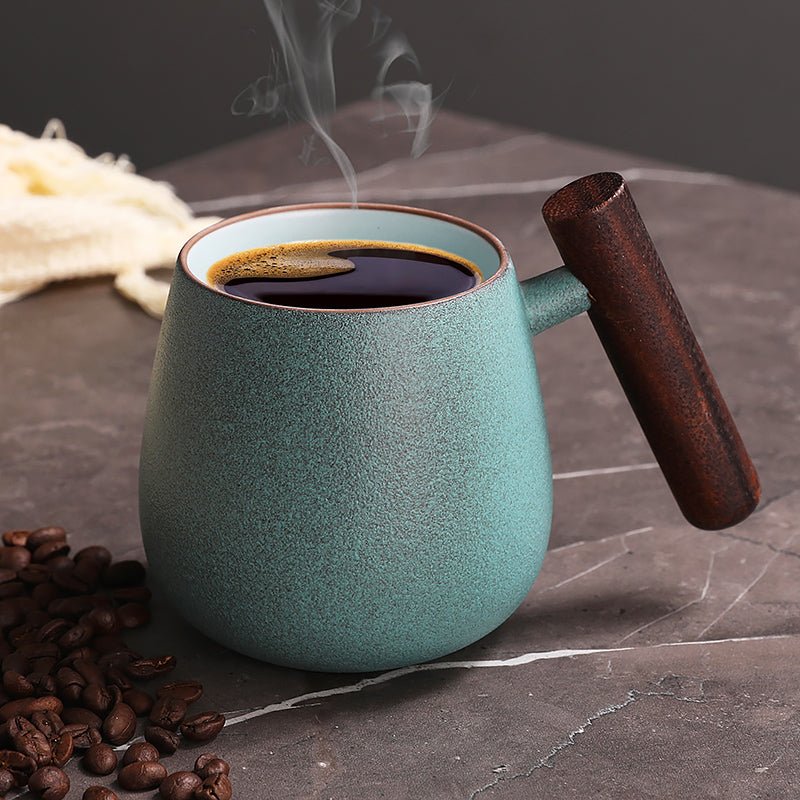
Acme Coffee Mugs: What to Look For Before You Buy
Reading time: about 8 minutes
A mug can look right in a product photo and still feel wrong at the breakfast table. The handle may pinch two fingers, the cup may run too hot to hold comfortably, or the size may be generous on paper but awkward on a crowded desk.
That is the practical side of acme coffee mugs: buyers usually are not shopping for a label, they are shopping for a mug that fits a real routine. In our store, we see the same questions repeat. Will it fit a daily drip coffee? Does the rim feel pleasant on the lip? Will the finish hold up through repeated washing? Those are the questions that actually matter.
What do shoppers mean when they search for acme coffee mugs?
Most shoppers use the phrase as a shortcut for a dependable everyday mug. They want something sturdy enough for coffee or tea, comfortable to hold, and attractive enough to leave out on the counter or desk.
That is why we look at mugs the same way an actual buyer would. We check the shape of the handle, the balance when the mug is full, the foot ring on the bottom, and whether the rim feels thin enough for easy sipping without feeling fragile. A mug can be visually strong and still be impractical if the handle is too tight or the body is too wide for a hand to wrap around.
If you are comparing options in our store, start with the broader selection in our all collection, then narrow by the shape and use case that fit your kitchen or office setup.
Which size should you choose for daily coffee or tea?
Size is the first filter we recommend because it changes everything else. A mug that feels perfect for a short black coffee can be annoying for a large latte, and a big mug can feel clumsy for tea or a small pour-over.
For more size-specific context, our guides on 10 oz coffee mugs and 12 ounce coffee mugs cover the trade-offs we see most often.
| Size | Best for | Trade-off to watch |
|---|---|---|
| 10 oz | Smaller coffee pours, espresso drinks with milk, tea | Not ideal if you want room for cream or a bigger morning pour |
| 12 oz | Daily drip coffee, office desks, balanced all-purpose use | May still feel compact for large lattes or soup-like drinks |
| 14 oz | Long mornings, refill-proof desk use, tea that steeps and rests | Can look and feel larger than expected in smaller hands |
| 15 oz | People who want a fuller mug without going oversized | Heavier when filled, especially if the wall is thick |
| 16 oz | Big coffee drinkers and generous tea servings | Not the best choice if you want a compact cup or easy stacking |
We usually suggest thinking in ounces first and appearance second. A decorative mug that is too large for your usual serving size becomes a shelf piece, not a daily driver.
What details separate a good mug from one that feels cheap?
We handle a lot of mugs, and the differences show up fast when you place them on a counter and use them for a full week. Three details matter more than the photo quality on a product page.
- Handle clearance: Your fingers should fit without scraping the body of the mug. A tight handle is one of the fastest ways to make a mug feel awkward.
- Rim finish: The drinking edge should feel smooth and even. A slightly rough or wavy rim is noticeable every time you sip.
- Base stability: A flat, well-finished foot ring helps the mug sit level on a desk and reduces wobble on a tray or counter.
We also watch for common defect modes that shoppers often miss in photos: hairline glaze cracks, uneven glaze pooling, a handle that feels under-supported where it joins the body, and a foot ring that can scratch a tabletop if it is left unfinished. These are not dramatic flaws, but they are the kinds of details that decide whether a mug feels premium or disposable.
If you want a deeper checklist before you buy, our article on 12 oz coffee mugs: what to check before you buy breaks down the inspection points we use before adding any mug to the store.
Which mug style fits your counter, desk, or gift order?
Style matters more than people expect because a mug is often visible all day. The right design can make a desk feel intentional. The wrong one can feel busy, heavy, or too delicate for regular use.
For shoppers comparing our current product styles, these are the three we recommend looking at first:
- Elk and Moon Coffee Tea Mug for a grounded, outdoors-leaning look that still works on a kitchen shelf.
- Koi Fish Coffee Tea Mug if you want something more decorative and vivid without giving up daily usability.
- The Crane Coffee Tea Mug for a cleaner, more restrained visual style that suits a desk or gift box.
These are not the same kind of mug, and that is the point. Some shoppers want an everyday cup that blends in. Others want a mug that feels personal when it comes out of the box. A decorative mug can be a great pick for gifting, but it is not always the best choice if you want easy stacking in a crowded cabinet or a very plain office setup.
For a wider look at daily-use sizing around the same decision, our guides on 14 ounce coffee mugs for daily coffee, tea, and desk use and 16 ounce coffee mugs for daily use are useful if you are deciding between a balanced mug and a larger format.
How should you care for a mug if you want it to last?
Most mug problems start with use, not with the first pour. Thermal shock, rough stacking, and aggressive washing are the usual culprits. A mug that goes from very hot liquid to a cold countertop can develop stress over time, especially at the rim or handle joint.
Our practical care advice is simple:
- Rinse and dry the mug after use instead of letting coffee or tea sit in it overnight.
- Avoid banging the mug against the sink, especially around the handle and rim.
- If the mug is decorated, do a quick visual check after washing for glaze wear or fine cracks.
- If the product listing says dishwasher-safe, use a gentler cycle and avoid overcrowding so the rim and print do not get knocked around.
- If the mug is not listed as dishwasher-safe, hand washing is the safer choice.
This is where trade-offs matter. Decorative mugs can be more sensitive than plain white stoneware styles. If you want something that will live in a heavy daily rotation, plain shapes usually wear better visually because there is less surface detail to fade or chip. If you want a mug for gifting or display, a more detailed design can be the better choice even if it asks for a little more care.
Our rule of thumb: choose the mug you will actually use, not the one that only photographs well. A comfortable handle and a stable base matter more after week three than they do on day one.
What should you buy if you want a practical gift or desk mug?
If the mug is for a gift, the decision changes a little. You are not just buying a vessel. You are buying first impressions, unboxing feel, and the odds that the person will keep it on rotation instead of putting it in a cabinet.
For gifts, we usually look for three things: a recognizable silhouette, a size that does not feel excessive, and artwork or finish that looks intentional from multiple angles. A 12 oz or 14 oz mug is often easier to gift than a very large 16 oz cup, because it feels versatile enough for coffee, tea, and desk water without dominating the hand.
If you are buying for your own desk, think about how the mug sits next to a keyboard, notebook, or laptop. A tall mug can crowd the workspace, while a shorter mug can be easier to reach for between meetings. That is one reason we suggest comparing the mug to the objects already on your desk instead of relying on the size number alone.
Frequently asked questions
Are acme coffee mugs good for everyday use?
They can be, but only if the size, handle, and base suit your routine. We would choose a mug that feels balanced when full and has a comfortable two-finger handle over a decorative shape that looks good but is awkward to hold.
What size acme coffee mug is best for coffee and tea?
For most daily use, 12 oz is the safest middle ground. Go smaller if you drink short pours or espresso-based drinks, and go larger only if you routinely want more room for milk, cream, or a second refill.
Are decorative mugs practical for office desks?
Yes, if the design is not too bulky and the base sits flat. The trade-off is that decorative mugs can be harder to stack and sometimes take more care in washing than a plain everyday cup.
How do I know if a mug handle will feel comfortable?
Look for enough clearance so your fingers do not brush the mug body. A handle that is too narrow or too close to the cup walls is one of the fastest signs that the mug will feel cramped in real use.
Should I choose a 14 oz or 16 oz mug?
Choose 14 oz if you want a larger mug without going oversized. Choose 16 oz only if you know you regularly pour full mugs and do not mind the extra weight when it is filled.
If you want the most useful next step, compare the collection against your real routine: check capacity, handle room, rim feel, and whether the mug will live on a kitchen shelf or a desk. Then browse our all collection and pick the shape that fits the way you actually drink coffee.
Read more
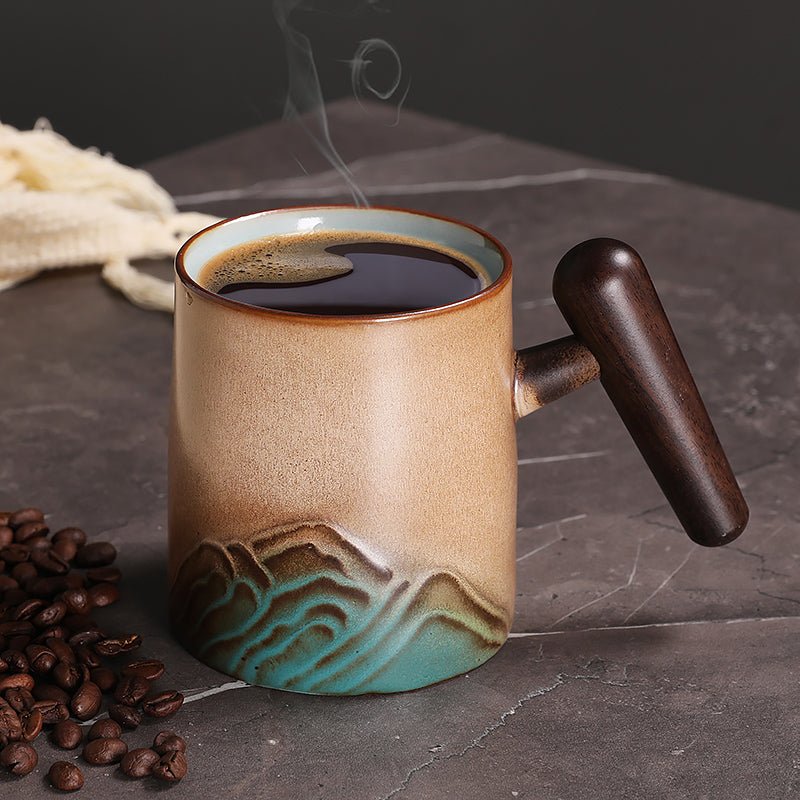
Dale Earnhardt Coffee Mug: Buyer’s Guide for Fans Who Want the Right Fit
A practical guide to choosing a dale earnhardt coffee mug that fits real daily use, from desk coffee to gift-ready display pieces. We compare cup shape, handle comfort, and care so you can pick the...
Per saperne di più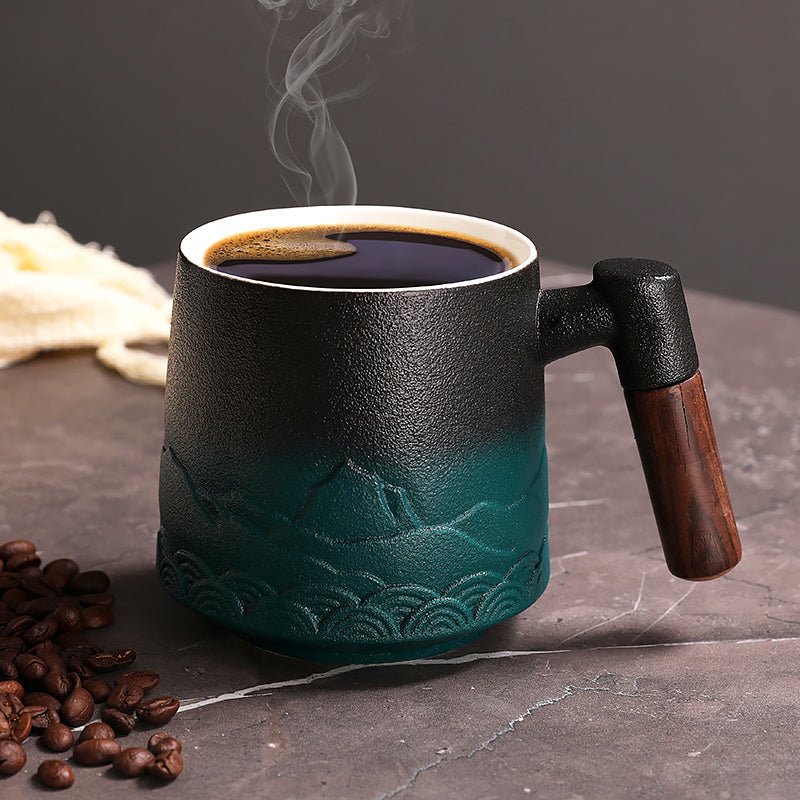
Pedestal Coffee Mugs: How to Choose the Right Shape and Size
Pedestal coffee mugs change the feel of a mug without changing the basic job: hold a hot drink, sit well in the hand, and look right on a kitchen counter or office desk. Here is how we help shopper...
Per saperne di più
Commenta
Questo sito è protetto da hCaptcha e applica le Norme sulla privacy e i Termini di servizio di hCaptcha.