
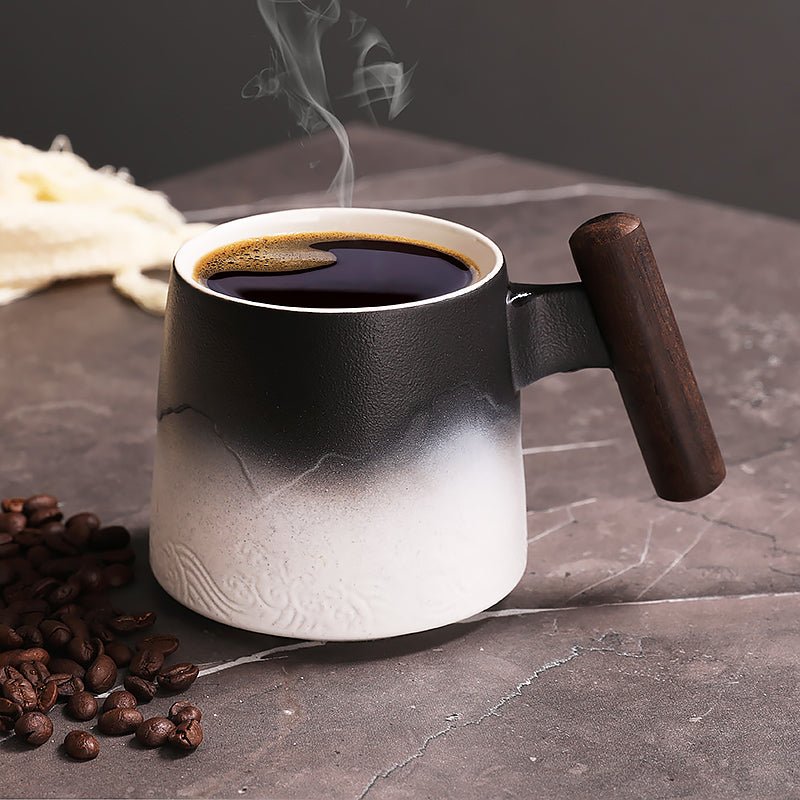
8 oz Coffee Mugs: Size, Material, and Fit Guide
Reading time: about 9 minutes
What does an 8 oz coffee mug mean in daily use?
An 8 oz coffee mug looks small on a shelf, but on a kitchen counter beside an espresso machine or a single-cup brewer it often feels exactly right. At our store, we see these mugs chosen for short morning pours, tea, and gift sets where the buyer wants something easier to hold and quicker to finish.
Quick routes for 8 oz buyers
If you want a smaller cup and do not need another long comparison, these direct routes move you from size research to product choice faster. article_8oz_materials_20260604
- Pick a Mug Fast helps you choose between the round mug path and the pleated cup path fast.
- Pleated Cup cart is the best quick route if you want the lower-price first order.
- Museum Shop Mug Sample Set is better if you are comparing pieces for a shop, editor, or gifting decision.
- Editor & Buyer Asset Packet gives you materials, dimensions, and imagery in one place.
If you want the measurement side first, 8 oz buying check, and 12 oz next step can help you compare nearby sizes before using a cart route.
The key point is that 8 oz is a serving size choice, not just a style choice. It usually works best when you want:
- A compact mug for espresso drinks, small drip coffee, or tea.
- Less empty space, so the drink stays warmer longer than it would in a much larger cup.
- A lighter feel on a desk, tray, or breakfast table.
- A mug that fits neatly in cabinets where taller mugs fight for space.
That same smaller size also creates trade-offs. If you pour a full mug of coffee and then add milk, foam, whipped cream, or a second refill, 8 oz can feel tight very quickly. For shoppers who want a roomier everyday mug, our 12 oz Coffee Mugs: What to Check Before You Buy and 16 oz Coffee Mugs: What to Check Before You Buy guides explain where the extra capacity starts to matter.
Who should choose 8 oz mugs, and who should skip them?
We usually point buyers toward 8 oz coffee mugs when the drink itself is supposed to be smaller. That sounds obvious, but it is where a lot of disappointment starts. The mug is not the right fit if the buyer really wants a big morning cup and is only choosing a smaller size because it looks cleaner in photos.
8 oz mugs are a good fit for:
- Espresso drinkers who want room for a little milk without moving up to a large mug.
- Tea drinkers who prefer a smaller serving and a warmer last sip.
- Office desks, bedside tables, and reading nooks where a lighter cup is easier to manage.
- Gift buyers who know the recipient likes compact mugs more than oversized ones.
8 oz mugs are usually the wrong pick for:
- People who drink large drip coffee and expect one mug to cover the whole morning.
- Anyone who likes plenty of room for milk, foam, cinnamon, or whipped toppings.
- Households that want one mug size to work for both coffee and soup.
- Buyers who prefer a heavier, oversized handle and a broader drinking surface.
If you are still deciding between compact and standard sizes, our article on 20 oz Coffee Mugs: What Buyers Should Check Before Ordering is a useful contrast. It shows how quickly a mug changes from compact and controlled to big and capacity-first.
What details should you check before buying?
The shape matters as much as the size label. Two mugs can both be sold as 8 oz and still feel very different in the hand. One may have a thick wall, a heavy base, and a generous handle. Another may be slim, lightweight, and better suited to a fast espresso than a slow desk-side coffee.
These are the checks we focus on when we handle mugs in our store:
| Feature | What to check | Why it matters |
|---|---|---|
| Material | Stoneware, porcelain, or ceramic, plus wall thickness | Stoneware usually feels heavier and holds heat well; porcelain tends to feel lighter with a cleaner rim; ceramic sits in the middle |
| Rim | Smooth edge, even glaze, no chips or rough spots | The rim is where you notice quality every time you drink |
| Handle | Enough clearance for your fingers and a secure grip when the mug is hot | A handle that looks fine online can still feel cramped in real use |
| Base | Flat foot ring and no wobble on a counter or tray | A stable base keeps the mug from rocking on a desk |
| Finish | Printed art, decals, metallic trim, or matte glaze | Some finishes need more careful washing or should stay out of the microwave |
In our experience, the common defect modes are rarely dramatic. They are usually small: a hairline glaze crack, a slightly uneven base, a rough spot on the lip, or a handle that pinches the fingers once the mug is full. Those are the details that separate a mug you keep using from one that gets pushed to the back of the cabinet.
We also pay attention to wall thickness. A thicker body can feel sturdier and often gives a better sense of warmth in the hand, but it also adds weight. A thinner mug can feel elegant and balanced, but it may be less forgiving if you set it down hard on a desk or tray.
How do 8 oz coffee mugs compare with 12 oz and 16 oz mugs?
For shoppers comparing size first, this is the part that usually settles the decision. If you want a smaller, more controlled serving, 8 oz makes sense. If you want a standard morning mug with room to spare, a 12 oz or 16 oz mug may be a better fit. Our side-by-side guides on 12 oz Coffee Mugs: What to Check Before You Buy and 16 oz Coffee Mugs: What to Check Before You Buy cover those larger sizes in more detail.
| Size | Best use | Main trade-off |
|---|---|---|
| 8 oz | Espresso drinks, tea, smaller drip pours, compact gift sets | Less room for milk, foam, or a long refill-free morning |
| 12 oz | Standard coffee servings and everyday use | Bulkier than an 8 oz mug and can feel oversized for espresso |
| 16 oz | Larger home pours, long desk sessions, bigger mugs for cold mornings | Heavier, takes more cabinet space, and can feel too large for a short pour |
| 20 oz | Very large servings or drinks with extra add-ins | Often too bulky for compact kitchens and small hands |
The right choice depends on how you actually drink coffee, not how the mug looks in a product photo. If your routine is one small cup before work, 8 oz can be the smarter buy. If you usually keep sipping for an hour at your desk, bigger sizes are more practical. That is also why some buyers end up in our broader all collection after they compare a few options and realize their ideal mug size is different from the first one they noticed.
What care and daily-use checks prevent regret later?
A good mug should survive more than one pretty photo. It should hold up in a real kitchen, through sink rinses, dishwasher cycles, and the occasional hurried set-down after a phone call. The finish, foot ring, and handle are the parts that usually tell you whether a mug will age well.
Before buying, check these practical points:
- Confirm whether the mug is dishwasher safe if you want low-effort cleanup.
- Check whether it is microwave safe before warming coffee or tea in it.
- Look for smooth glazing on the rim and handle, especially if the mug has printed decoration or metallic accents.
- Make sure the base sits flat so the mug does not wobble on a desk, tray, or nightstand.
- If you plan to stack mugs, confirm that the rim and foot ring will not chip each other in a tight cabinet.
One limitation that often gets missed: decorative finishes can change how the mug handles daily care. A simple glazed ceramic mug is usually the easiest to keep clean. A mug with metallic trim, heavy printed art, or a textured matte finish may need more careful washing, and some should stay out of the microwave altogether. If the listing does not clearly say how to care for it, that is a signal to slow down.
For buyers who want a mug for a shared office kitchen or a house with frequent dishwasher use, plain glazed ceramic or porcelain is usually the safer choice. It is less fussy and easier to keep looking consistent after repeated washing. If you are buying for display first and daily use second, a more decorative finish can make sense, but it is not the best option for every kitchen.
Where should you shop if you want a simple, practical set?
If you want to keep the search simple, start with the current mugs on our products page and then compare them with the broader all collection. That gives you a quick way to compare size, handle shape, and finish without guessing from a single thumbnail.
When we help shoppers narrow down a set, the final decision usually comes down to three questions:
- Does the mug fit the drink I actually make most often?
- Does the handle feel comfortable with a full mug and hot liquid?
- Will the material and finish match the way I wash and store dishes?
If the answer to any of those is unclear, compare the smaller size against the 12 oz and 16 oz guides before buying. That is often the fastest way to avoid a mug that looks right online but works poorly on your counter.
Frequently asked questions
Are 8 oz coffee mugs too small for drip coffee?
For a full mug of drip coffee, they can be. If you drink a smaller pour or want room only for a little milk, 8 oz coffee mugs are a practical fit. If you normally want a standard morning cup with space to spare, 12 oz is usually easier to live with.
Can 8 oz coffee mugs go in the dishwasher?
Many can, but you should always check the care instructions for the exact mug. Plain glazed ceramic and porcelain are usually the easiest to wash, while printed art, matte coatings, and metallic trim may need more careful handling.
What material is best for 8 oz coffee mugs?
Porcelain is a good choice if you want a lighter mug with a smoother rim. Stoneware is better if you want more heft and a sturdier feel in the hand. Ceramic sits between the two and is often the most familiar everyday option.
Do 8 oz mugs work for espresso and tea?
Yes. That is one of the main reasons buyers choose them. They are especially useful for espresso drinks with a small amount of milk, loose-leaf tea, and short servings where a larger mug would feel unnecessarily empty.
Are 8 oz coffee mugs good for gifts?
They can be a strong gift choice if the recipient likes smaller servings, tea, or espresso. They are less ideal if you are not sure about the person’s drinking habits, because someone who prefers large mugs may see 8 oz as too small for daily use.
If you are still deciding, use the checklist above, compare the 8 oz size against a 12 oz or 16 oz alternative, and then shop the products page or the all collection for the mug that matches your actual pour, your cabinet space, and your care routine.
More from our blog
Read more
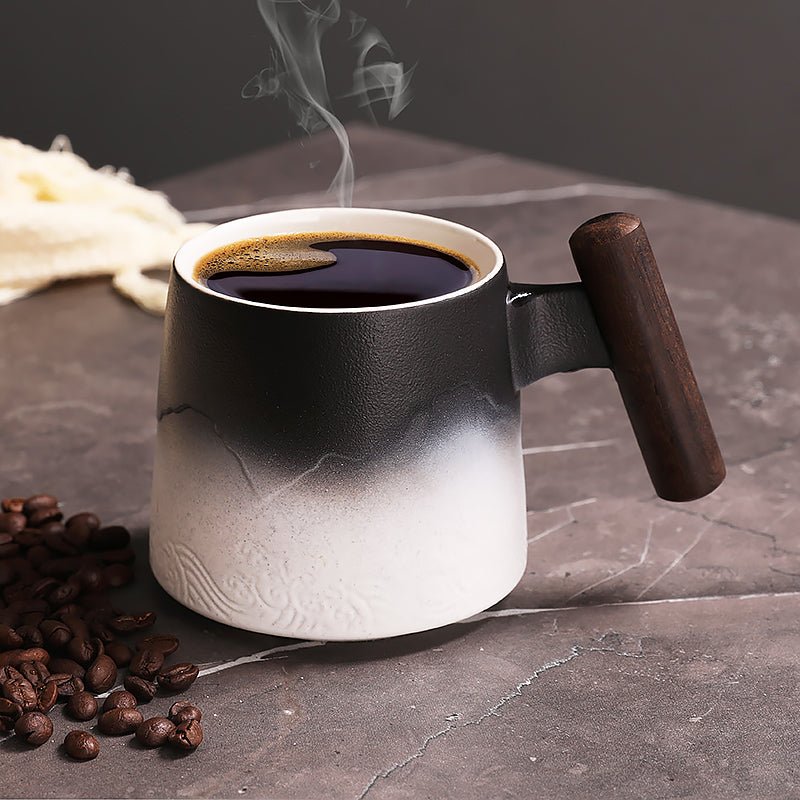
Yellowstone Coffee Mug Buying Guide: Size, Material, and Print Quality
A Yellowstone coffee mug should do more than show the theme. The right one fits your drink size, holds up to daily washing, and still looks good on a kitchen counter or office desk.
Per saperne di più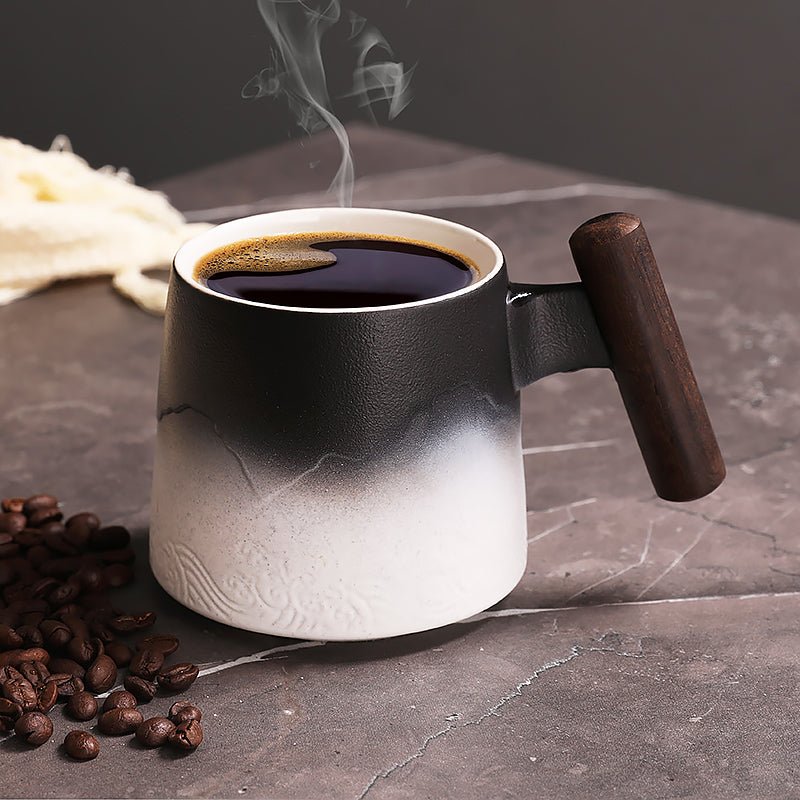
Hand Warmer Coffee Mug: What to Check Before You Buy
A practical buying guide for shoppers comparing a hand warmer coffee mug against standard mugs and mug warmers. We break down materials, size, grip, and care so you can choose the right fit for des...
Per saperne di più
Commenta
Questo sito è protetto da hCaptcha e applica le Norme sulla privacy e i Termini di servizio di hCaptcha.