
20 oz Coffee Mugs: What Buyers Should Check Before Ordering
Reading time: about 9 minutes
A 20 oz mug earns its place on the counter when one refill is not enough. We see that most often with office desks, long morning pours, and people who want room for milk or cream without juggling a second cup.
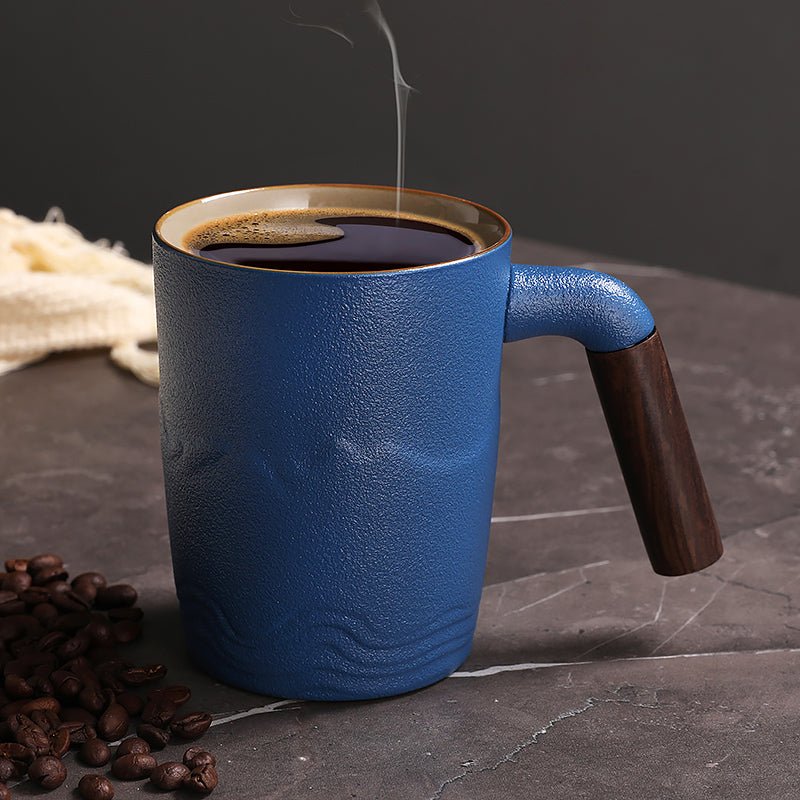
That said, size alone does not make a mug good. In our store, the mugs that get returned or re-ordered for the right reasons usually have three things in common: a stable base, a handle that actually fits adult fingers, and a finish that holds up after repeated sink and dishwasher cycles. If you are comparing options, start with our full mug collection, then look at designs like the Landscape Coffee Tea Mug and the The Gradient Coffee Tea Mug if you want a larger mug that still looks clean on a kitchen shelf or desk.
If you want a broader sizing breakdown before narrowing your shortlist, our guide to 20 oz Coffee Mugs: How to Choose the Right Size, Material, and Fit is the best place to start. We wrote it for shoppers who are trying to decide if the larger format is actually useful in daily life.
What makes a 20 oz mug worth considering?
A 20 oz mug is not just a bigger 12 oz mug. It changes how the cup feels in the hand, how quickly the drink cools, and where it fits on the counter. For a lot of buyers, that is the appeal. You get more room for coffee, tea, or a latte-style drink, and you do not have to stop halfway through a long call or a slow morning.
We also see a clear pattern in what people like and dislike. Buyers who move to 20 oz usually want fewer refills and more flexibility with add-ins. Buyers who regret the size usually wanted a mug for quick espresso-based drinks or a compact kitchen cabinet. That is the main trade-off: a 20 oz mug is more forgiving for volume, but less convenient if you want a small footprint.
Some practical uses make the format easier to justify:
- Long desk sessions where coffee sits for a while and you want headroom for cream.
- Home brewing with extra space for milk, whipped toppings, or tea bags that need room to steep.
- Gift buying, when the goal is a mug that feels substantial instead of tiny.
For readers comparing bigger cups across multiple use cases, our article on 20 oz Coffee Mugs: How to Choose the Right Fit for Daily Use is useful because it focuses on how the mug actually behaves on a table, not just how it looks in a product photo.
What should you check on the product page before buying?
Product photos can hide the details that matter most. A mug can look generous in the image and still feel awkward if the base is narrow, the handle is cramped, or the rim is too thick for comfortable sipping. We check the same things our customers should check, because those are the details that tend to determine whether a mug becomes an everyday favorite or sits in the cabinet.
| What to check | Why it matters | What can go wrong |
|---|---|---|
| Handle clearance | You should be able to get fingers through the handle without brushing the mug wall. | A handle that is too tight feels worse once the mug is full and hot. |
| Base width | A wider base usually sits better on desks and kitchen counters. | A tall, top-heavy mug can feel tippy near sink edges or crowded workspaces. |
| Rim thickness | A thinner rim often feels better when drinking. | An overly thick rim can make a large mug feel heavy and less refined. |
| Finish and decoration | The finish affects cleaning, feel, and how well the mug ages through repeated use. | Printed areas and decorative accents can show wear sooner if they are scrubbed hard. |
We also recommend checking care notes before ordering. If the mug is meant for regular dishwasher use, the listing should say so. If the surface has metallic accents, specialty decals, or a more delicate glaze, hand washing is the safer routine. That is especially true for gifts, because the buyer may not know how the recipient washes dishes.
If you are comparing buyer checklists, our article on 20 Ounce Coffee Mugs: What Buyers Should Check Before Ordering goes deeper on the details that are easy to miss in a quick scroll.
Which material fits your routine?
For 20 oz mugs, the material matters more than people expect. The larger the mug, the more you notice weight, heat retention, and how the cup feels when it is full. Ceramic and stoneware are common choices because they feel solid in the hand and look at home on a kitchen counter or office desk. Porcelain is usually lighter and can feel a bit more refined at the rim, while stoneware tends to feel denser and more substantial.
That extra weight is not always a downside. A heavier mug can feel stable, especially if you keep it on a desk near a keyboard or papers. The downside is obvious too: if you prefer a mug you can carry around all morning, a heavy ceramic piece may feel clumsy after the third walk from the kitchen. This is one reason we do not treat 20 oz as the default for everyone.
Here is the practical breakdown we use when helping shoppers compare options:
- Ceramic: good all-around choice for everyday coffee and tea, with a familiar feel and easy cleanup when the finish is simple.
- Stoneware: often a little heavier and more grounded, which can be useful for a larger mug on a desk or counter.
- Porcelain: lighter and often finer at the lip, but not always the best pick if you want a rugged, thick-walled mug.
There is a trade-off here. If you want maximum portability, 20 oz ceramic mugs are not the best option. If you are building a desk setup or a home coffee corner, they make more sense. We would steer a commuter toward a travel mug instead of a large open cup, especially if cup-holder fit matters.
For a deeper look at heat, care, and day-to-day wear, our guide to Ceramic Coffee Mugs 20 oz: Buyer's Guide for Fit, Heat, and Care covers the points we hear about most after purchase.
How do shape and handle size change daily use?
Shape changes more than appearance. A taller mug usually keeps a smaller footprint on the table, which is helpful on a crowded desk or narrow kitchen shelf. A wider mug can feel more stable and easier to clean, but it may cool faster because there is more surface area exposed at the top. Those are small differences on paper and noticeable differences in use.
The handle is just as important. Many shoppers focus on the cup body and ignore whether the handle fits two or three fingers comfortably. When the mug is full, that detail matters. A handle that looks fine in a product image can be uncomfortable if your knuckles hit the side wall or your fingers have to squeeze through.
Our rule of thumb: if the handle feels awkward before the mug is full, it will feel worse once the mug is hot and heavy.
We also watch for common wear points. Chips often show up first on the rim or foot if the mug gets bumped in a sink. Glaze wear tends to become visible around the high-contact areas after repeated washing, especially if the finish is decorative. None of that makes a mug bad, but it does mean a 20 oz mug should be chosen with real use in mind, not just shelf appeal.
If you are comparing styles for a more classic look, the Retro Coffee Tea Cup is a good reminder that a bigger mug can still feel familiar and simple instead of oversized and bulky.
Which 20 oz mugs work best for gifts, desks, and home brewing?
The best mug depends on where it will live. A desk mug needs stability and a comfortable handle. A gift mug needs visual appeal and a shape that feels generous without being hard to store. A home-brewing mug needs room for liquid and enough opening width to stir in milk or a tea bag without spilling.
Here is how we would split the use cases:
- For desks: choose a mug with a steady base and a design that does not feel visually heavy on a workspace.
- For gifting: choose a finish that looks good out of the box and a shape that does not rely on a trend to feel appealing.
- For home brewing: choose enough interior room for foam, cream, or tea leaves without forcing the drink to the brim.
That is where design-led mugs can help. The Landscape Coffee Tea Mug and The Gradient Coffee Tea Mug both show how a 20 oz format can still look intentional. They are not the right answer for someone who wants a tiny, stackable cup. They are better if the buyer wants something that feels like part of the kitchen or office setup, not an afterthought.
We think that honesty matters. A 20 oz mug is not ideal for car cup holders, minimalist cabinet storage, or anyone who wants to finish coffee before it cools. If that is your routine, a smaller mug may be the better buy. But if you want fewer refills and more room for a real pour, the larger format makes sense.
Frequently asked questions
Are 20 oz coffee mugs too big for everyday use?
Not if you regularly drink larger pours, milk drinks, or tea that stays in the mug for a while. They are less comfortable if you prefer small servings or want the last sip to stay hot in a short time. For those buyers, a smaller mug can be a better everyday choice.
Do 20 oz mugs fit under most coffee machines?
Often they do not, at least not comfortably. The volume may be right, but the height and handle shape can still interfere with the machine head or drip tray. Measure the clearance before ordering if you plan to brew directly into the mug.
Are ceramic 20 oz mugs dishwasher safe?
Many are, but you should always check the product listing. If the mug has metallic accents, specialty artwork, or a delicate exterior finish, hand washing is usually the safer option. Even when dishwasher-safe, a gentler cycle can help decorative surfaces last longer.
What size mug is better if I want something for the office?
A 20 oz mug is often a strong office choice because it cuts down on refills and gives you room for milk or cream. The catch is desk space: if your station is crowded, a narrower shape with a stable base works better than a wide, bulky cup. For open-plan desks, the handle comfort matters more than people expect.
What should I avoid if I want a 20 oz mug for gifting?
Avoid mugs that are hard to store, awkward to hold, or too specific in style for the person receiving them. A good gift mug should feel substantial without being oversized, and it should have a finish that looks good both on the shelf and in daily use. If you are unsure, a clean ceramic design is usually the safest bet.
Before you order, check three things: handle clearance, base stability, and care instructions. If you want to compare styles side by side, start with our full mug collection and narrow from there by shape, finish, and how the mug will actually be used.
Read more
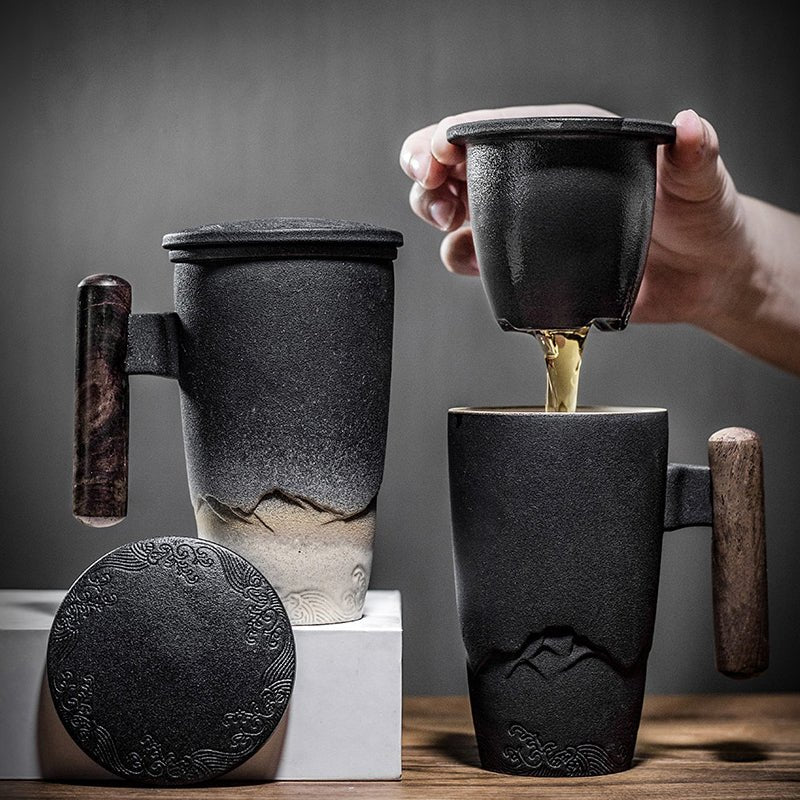
Tall Ceramic Coffee Mug Buying Guide: What to Check First
A tall ceramic coffee mug should feel balanced on a desk, fit your hand without pinching, and hold a real morning pour without sloshing. We break down the checks that matter before you choose one f...
Per saperne di più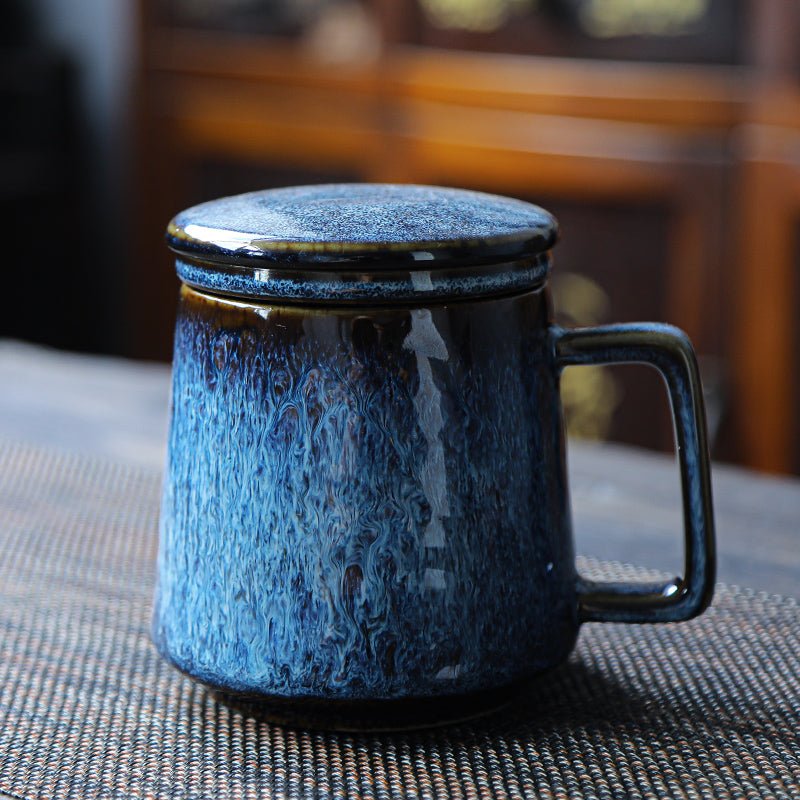
Pottery Coffee Mug Buying Guide: What to Check Before You Buy
A pottery coffee mug should feel balanced in the hand, hold heat without becoming awkward, and fit the way you actually drink coffee. Here’s what to check for material, size, glaze, and care before...
Per saperne di più
Commenta
Questo sito è protetto da hCaptcha e applica le Norme sulla privacy e i Termini di servizio di hCaptcha.