
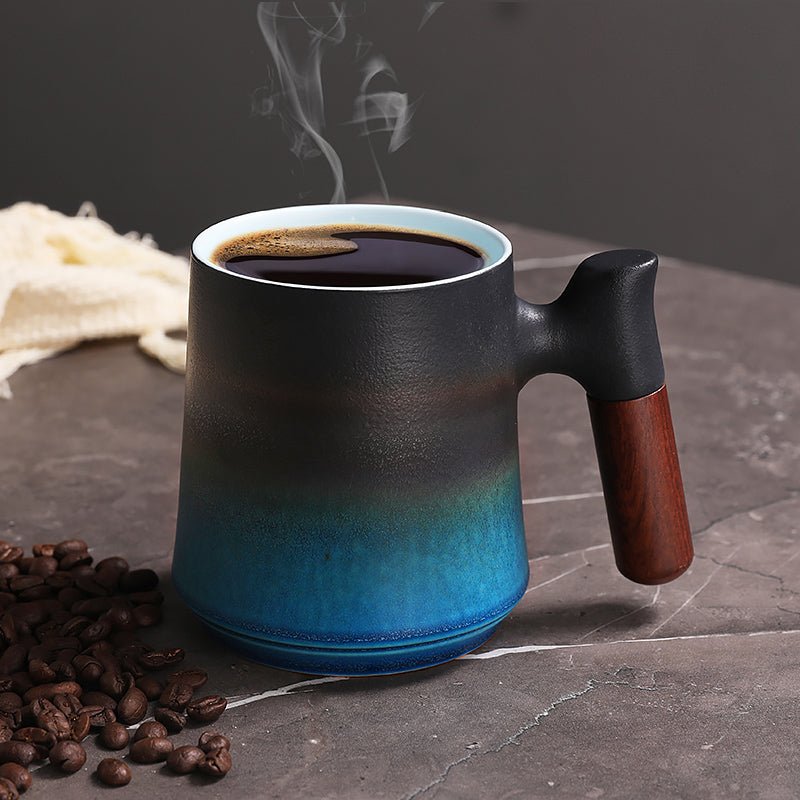
20 0z coffee mugs: what to check before you buy
Reading time: about 9 minutes
A search for 20 0z coffee mugs usually starts after someone has already used a mug that felt too small, too tall, or awkwardly balanced on the counter. We see that problem a lot in our store: buyers want more room for coffee, tea, or a milk-heavy drink, but they do not want a mug that feels clumsy in the hand or annoying to wash.
That is the real job of a 20 oz mug. It should hold enough for a full morning pour without forcing you to refill every ten minutes, but it should still sit well on a kitchen counter, office desk, or gift shelf. In our experience, the best choice is usually not the biggest mug. It is the mug that fits the way you actually drink.
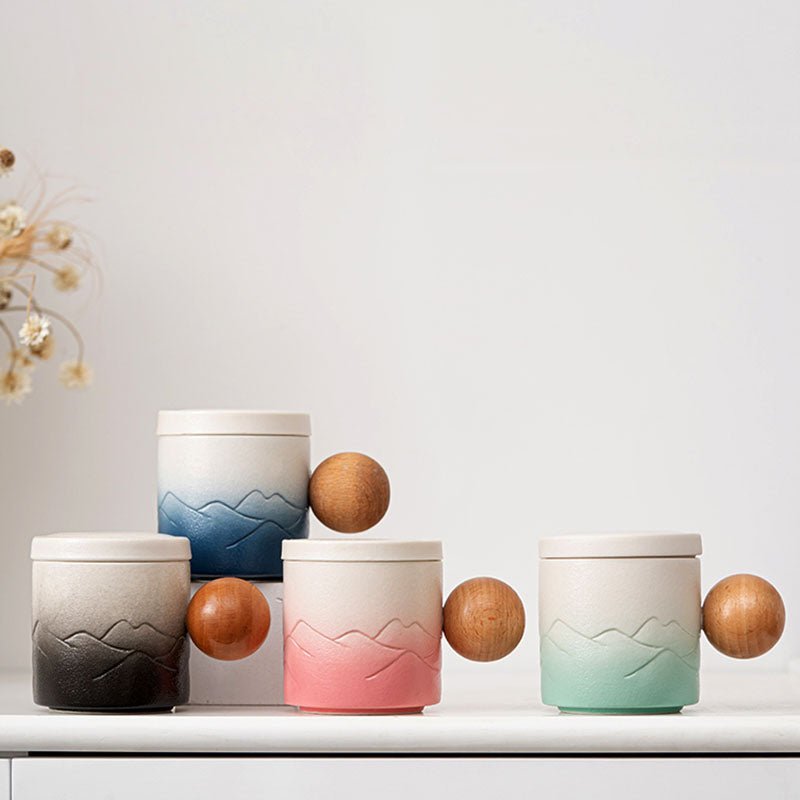
If you want to browse the full range first, start with our all mugs collection. If you already know you want a style-led option, the Landscape Coffee & Tea Mug, The Gradient Coffee & Tea Mug, and Retro Coffee & Tea Cup are three easy places to compare looks and use cases.
How much coffee does a 20 oz mug actually hold in real use?
On paper, 20 ounces sounds straightforward. In real life, the usable amount depends on how you drink. A mug filled to the brim is not the same thing as a mug filled to a comfortable level, especially if you add cream, foam, or tea leaves that need space. That is why some people love a 20 oz mug for a big latte or long tea session, while others only pour 12 to 16 ounces and leave the rest as headroom.
That extra room matters for a few common reasons:
- Steam and spill control: a full mug is harder to carry across a kitchen or office without sloshing.
- Add-ins: milk, sugar, cocoa, whipped cream, or tea bags take space that a smaller mug does not have.
- Heat comfort: a bigger mug can stay drinkable longer because you are not topping it off as often.
- Desk use: a larger mug is often better when the cup sits beside a keyboard, notebook, or laptop and you want fewer trips to the coffee pot.
That said, a 20 oz mug is not the best fit for everyone. If you like short espresso drinks, small pour-overs, or compact cabinets with low shelves, a smaller mug will feel easier to live with. A big cup can also be overkill for kids, travel bags, or tight kitchen storage.
What handle, lip, and base details matter most?
When we inspect mugs before listing them, we pay attention to the details that buyers feel every day, not just the artwork on the outside. A pretty design does not make up for a handle that pinches, a base that wobbles, or a lip that feels thick against the mouth.
These are the details that usually separate a mug you keep from a mug you stop reaching for:
- Handle clearance: your fingers should fit without scraping the mug body. If you have larger hands, this matters more than the print on the side.
- Base stability: a flat, even base is easier to trust on a desk, nightstand, or kitchen counter. A slight wobble becomes irritating fast.
- Lip thickness: a thinner rim usually feels cleaner to drink from. A heavy rim can make the mug feel bulkier than the size suggests.
- Finish quality: glazed surfaces should look even, without rough patches, pinholes, or odd pooling near the foot of the mug.
- Inside shape: a wide opening is easier to clean by hand and usually works better for drinks with foam or toppings.
Common defect modes to watch for are not dramatic, but they are annoying. A handle can feel a little too tight. A base can sit slightly off level. A printed design can wrap cleanly on one side and feel crowded on the other. Those are the sorts of things that show up after a few uses, not on a quick product thumbnail.
If a mug is going to live on a desk or by a coffee machine, small fit issues show up every day. That is why handle comfort and base stability matter as much as color or pattern.
Which style fits a kitchen, office desk, or gift order?
Style matters because people do not buy a 20 oz mug for the same reason. Some shoppers want a quiet everyday mug. Some want something with visual energy for a workspace. Some are buying a gift and need the mug to feel considered, not random.
Three styles from our store make that easier to narrow down:
- Landscape Coffee & Tea Mug: a good choice if you want a calmer look on a kitchen shelf or a desk that already has a lot going on. It suits buyers who prefer a mug that feels steady and easy to live with.
- The Gradient Coffee & Tea Mug: a strong option for gifting or for a more modern setup. Gradient finishes tend to read as a little more polished in photos and on open shelving.
- Retro Coffee & Tea Cup: best for shoppers who want a mug with a more nostalgic or playful feel. This is the one to consider if the drinkware is part of the room style, not just a container.
If you are buying for someone else, this is where the trade-off becomes clear. A statement mug can feel special at unboxing, but a simpler mug may get used more often because it fits every table setting. If the goal is daily use, comfort usually beats flash. If the goal is a gift, the visual design can matter just as much as capacity.
For more perspective on how sizing and shape affect daily use, we also recommend reading 20 oz Coffee Mugs: How to Choose the Right Size, Material, and Fit and 20 Ounce Coffee Mugs: Fit, Shape, and Buying Guide. If you are comparing against a smaller everyday option, 12 oz Coffee Mugs: How to Choose the Right Mug for Daily Use helps put the size difference in context.
How do 20 oz mugs compare with smaller or larger mugs?
A 20 oz mug sits in the middle of a very practical range. It is larger than the standard mug many people keep for drip coffee, but it is not so large that it becomes a specialty piece. That middle ground is exactly why buyers get stuck. They are trying to decide between comfort, storage, and how much coffee they really want at once.
| Size | Best for | Trade-off |
|---|---|---|
| 12 oz | Smaller pours, compact shelves, quick coffee breaks | Less room for cream, foam, or a long drink session |
| 20 oz | Office desks, longer mornings, tea, cocoa, and layered drinks | Can feel bulky if you prefer a lighter mug or small servings |
| 24 oz and above | Very large pours and people who dislike refilling | Often too large for regular cabinets, small hands, or everyday balance |
The sweet spot depends on how you drink, not just how much liquid you want on paper. A person who pours one big mug and sips for an hour will love the extra room. A person who wants several small cups through the morning usually does better with a smaller size.
If you are still comparing, the best question is simple: do you want one mug that covers coffee, tea, and cocoa, or do you want a dedicated everyday mug that feels compact and quick? That answer will tell you more than any product title.
What should you check before ordering a 20 oz mug?
Before you buy, we suggest looking past the photo and checking the practical details that affect daily use. A mug is one of those purchases that can seem easy until you bring it home and start washing it, stacking it, and carrying it full.
- Read the dimensions, not just the capacity. A 20 oz label does not tell you how tall the mug is or whether it fits under your coffee machine.
- Check the handle shape. If you tend to drink one-handed while working, the handle needs enough room for a secure grip.
- Look at the rim and foot. An even rim and a stable foot make a mug feel finished and durable in everyday use.
- Confirm the care guidance. If you want an easier cleanup routine, make sure the care instructions match how you actually wash dishes.
- Think about the setting. A mug for a home office has different needs than one that lives in a shared kitchen or gets handed out as a gift.
- Decide what trade-off you can accept. Larger capacity can mean more weight, more cabinet space, and a slightly less nimble feel in the hand.
That is also why we keep pointing buyers back to fit guides instead of only color choices. A mug that looks great but does not suit the hand or shelf rarely becomes the one you reach for first. If you want a deeper checklist, the article 20 oz Coffee Mugs: How to Choose the Right Fit for Daily Use goes further into the everyday-use side of the decision.
One more practical note from our side: a large mug is not the best answer for someone who always wants hot coffee to finish quickly. Bigger cups can hold more, but they also take longer to empty. If the drink sits too long, the last few sips can cool off before you are ready for them.
Frequently asked questions
Is a 20 oz mug too big for everyday coffee?
It depends on how you drink. If you usually pour a full cup once and sip it for a while, 20 oz can be very practical. If you prefer a small, quick coffee or your cabinets are tight on space, a 12 oz or 14 oz mug may feel easier to live with.
Will a 20 oz mug fit under my coffee machine?
Not always. The mug height matters more than the ounce rating, so check the product dimensions before buying. If your machine has a low drip tray or short clearance, measure first and compare it with the mug listing.
Are 20 oz mugs good for gifts?
Yes, especially for someone who likes tea, cocoa, latte drinks, or long desk sessions. The safer gift choice is usually a mug with a balanced shape and a design that feels personal but not overly specific. If you are unsure, a more neutral style tends to work better than a loud one.
What should I look for if I want a mug for the office?
Prioritize a comfortable handle, a stable base, and a shape that will not feel oversized next to a keyboard or notebook. Office mugs also benefit from finishes that are easy to wipe clean after spills or coffee rings. If the mug will live on a shared desk, a simpler design is usually easier to keep looking tidy.
What is the main drawback of a 20 oz mug?
The biggest trade-off is size. It can be too large for small hands, small cabinets, or quick single servings. If you do not want to commit to a larger cup every morning, a smaller mug may be the better everyday buy.
If you want the quickest next step, compare the three styles in our all mugs collection and pick the mug that matches how you actually drink: fuller pours, desk use, or a gift that still gets used after the first week.
Read more
Thanksgiving Coffee Mugs: Best Picks for Hosting and Gifting
Thanksgiving coffee mugs need to work on a crowded table, survive repeat refills, and still feel giftable. We compare sizes, shapes, finishes, and care so you can choose one that fits the holiday a...
Per saperne di più
How Many Ounces in a Standard Coffee Mug? Buyer Guide
A standard coffee mug is usually 8 to 12 ounces, but the usable size depends on how much headspace you want for coffee, milk, and foam. This guide explains the real differences we see when shoppers...
Per saperne di più
Commenta
Questo sito è protetto da hCaptcha e applica le Norme sulla privacy e i Termini di servizio di hCaptcha.