
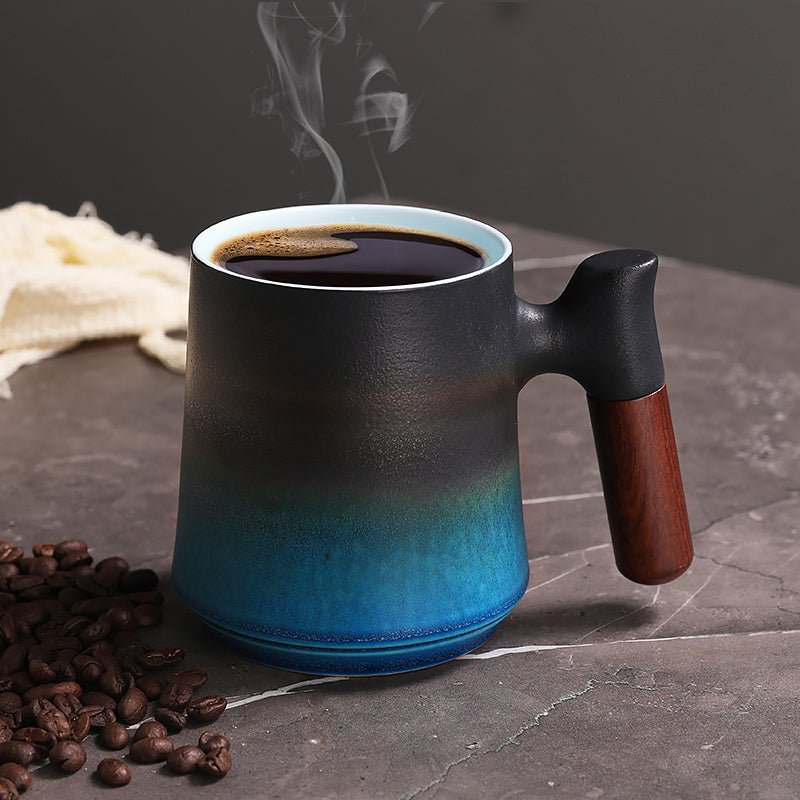
16 Ounce Ceramic Coffee Mugs: What to Check Before You Buy
Reading time: about 8 minutes
A 16-ounce ceramic mug sounds straightforward until it lands on a real counter: it needs to clear the coffee maker, feel balanced in one hand, and survive repeated dishwasher cycles without a rough rim or a wobbly base. That is the standard we use in our store when we look at this category.
If you are comparing options, start with the shape and the handle, not just the number on the page. Our Pleated Coffee Tea Cup, The Flow Coffee Tea Mug, and Mountain Sea Coffee Tea Mug all sit in the same size class, but they solve different daily-use problems.
For a broader side-by-side view, our full collection is the fastest place to compare body shape, handle style, and finish before you narrow it down.
What do 16 ounce ceramic coffee mugs actually do well?
Sixteen ounces is the sweet spot for people who want a mug that can handle a full pour of coffee, tea, or a milk-forward drink without feeling oversized. It gives you room for a proper serving plus a little extra, which matters if you add creamer, oat milk, or a splash of foam.
Ceramic also gives the mug a stable feel on a desk or kitchen shelf. In practice, that means less of the tippy, lightweight feeling you get from thin glassware. A good ceramic mug usually has a thicker wall, a foot ring that sits flat, and a handle that feels comfortable before the coffee even cools down.
That said, ceramic is not the answer for every use case. It is not the best choice for car cupholders, long commutes, or anyone who needs to keep coffee hot for hours in motion. If you want portability first, look at travel drinkware instead. If you want a mug for sitting still at a desk, breakfast table, or office counter, this category makes a lot more sense.
- Good for: daily coffee, tea, milk-heavy drinks, desk use, and gifting.
- Less ideal for: travel, outdoor use, and all-day heat retention.
- Worth checking: base stability, handle clearance, glaze feel, and whether the rim feels too thick or too sharp.
Which shape should you choose for your hand and brewer?
Shape changes the experience more than most buyers expect. Two mugs can both be 16 ounces and still feel completely different in the hand. One may sit low and broad, another may feel taller and easier to grip, and a third may have a sculpted profile that makes it a better display piece than a workhorse.
In our experience, the mugs that stay in regular rotation are the ones with a comfortable handle, a stable base, and a glaze that still looks clean after repeated dishwasher cycles. If that is your priority, use shape as the deciding factor.
| Shape profile | Best for | Trade-off |
|---|---|---|
| Textured or sculpted | People who want more grip and a stronger visual presence on the table | Can take a little more effort to rinse clean around grooves or ridges |
| Smooth and rounded | Daily desk use, easy cleaning, and a simple look that works anywhere | May feel less distinctive as a gift if you want something decorative |
| Decorative or high-contrast glaze | Gift-giving, shelf display, and buyers who want the mug to be part of the room | Finish variation is normal, and highly decorative surfaces can show wear more easily |
If you like a more sculpted hand-feel, start with the Pleated Coffee Tea Cup. If you want a smoother daily-use profile, The Flow Coffee Tea Mug is the more straightforward place to begin. If you are looking for a mug that feels a little more giftable or display-friendly, the Mountain Sea Coffee Tea Mug is the kind of shape people tend to notice right away.
What details should you inspect before checking out?
This is where a lot of buying mistakes happen. The photos look good, but the mug still ends up feeling awkward because the handle opening is too tight, the base is slightly uneven, or the glaze finish is more textured than expected.
When we review mugs for our store, we look for practical details that matter after the unboxing is over:
- Handle clearance: make sure your fingers fit comfortably, especially if you usually hold the mug with two fingers through the handle.
- Base stability: a flat, even foot ring should sit without rocking on a counter or desk.
- Rim comfort: the drinking edge should feel smooth, not sharp or overly thick.
- Glaze quality: small pinholes, rough spots, or visible crazing can be cosmetic, but they are worth noticing before you buy.
- Cleaning needs: if the mug has ridges, a matte finish, or interior texture, expect a little more effort during washing.
If you want a deeper breakdown of size and fit, our 16 Ounce Coffee Mugs for Daily Use: Size, Fit, and Shape Guide goes deeper into the practical differences that show up once the mug is actually on your table.
One more thing buyers miss: ceramic pieces often show normal variation from mug to mug. That is not a flaw by itself. What matters is whether the variation is expected for the finish, or whether it points to poor production control like wobble, rough glaze, or uneven edges.
How do 16 ounce mugs compare with 12 and 14 ounce options?
If you mostly drink a short black coffee, a smaller mug can feel neater and more efficient. A 12-ounce or 14-ounce mug usually works better for people who want a tighter pour, less exposed surface area, and a lighter piece to lift repeatedly through the day.
A 16-ounce mug is the better choice if you add milk, like extra room near the top, or simply do not want to refill as often. It is also the better size for tea drinkers who like a full serving and for buyers who want one mug that can handle coffee in the morning and broth or tea later in the day.
If you are still deciding between sizes, these two guides can help:
- 12 Ounce Coffee Mugs: How to Choose the Right One for Daily Use
- 14 Ounce Coffee Mugs: Size, Fit, and Buying Guide
We also keep a dedicated companion guide for buyers comparing materials and fit: 16 Ounce Coffee Mugs: Size, Materials, and Fit Guide. That is the one to read if you want the most practical differences without getting buried in jargon.
How should you care for a ceramic mug so it lasts?
Most ceramic mugs are easy to live with, but a few habits make a real difference. Let the mug cool a bit before rinsing it with cold water. That reduces thermal shock, which is one of the common ways ceramic develops stress over time.
If the mug is dishwasher safe, regular machine washing is usually fine for everyday use. Still, if the mug has a decorative glaze, textured exterior, or hand-applied detail, gentle hand washing can help the finish stay looking cleaner. We also recommend checking the foot ring after a few washes. If you notice a chip there, stop using it for hot drinks until you know the damage is only cosmetic.
Here is the practical version of care:
- Wash after use so coffee oils do not build up at the rim.
- Dry the base fully before stacking to avoid trapped moisture.
- Do not use a cracked mug for hot liquids.
- Keep it off stovetops and out of car cupholders unless the shape is made for that use.
For office desks, kitchen counters, and gift unboxings, ceramic performs well because it looks finished without needing special handling every day. It is just not the right category if the buyer wants a mug that can be thrown in a bag, clipped to a pack, or used on the move.
Frequently asked questions
Are 16 ounce ceramic coffee mugs too big for everyday use?
Not for most people. A 16-ounce mug is a practical size if you drink a full cup of coffee, add milk, or want room for tea without refilling immediately. If you usually drink a smaller pour and do not like a lot of empty space, a 12-ounce or 14-ounce mug may feel more proportioned.
Will a 16 ounce ceramic mug fit under a standard coffee maker?
Sometimes, but not always. The fit depends on the mug height and the clearance under your machine, so this is one of the first measurements we recommend checking before buying. If your brewer sits low, a shorter and wider mug often works better than a tall one.
Can I put a ceramic coffee mug in the dishwasher and microwave?
Many ceramic mugs can handle both, but you should always confirm the specific product instructions. Decorative finishes, metallic details, and some specialty glazes can change the answer. If you plan to use a mug daily in both appliances, choose one with simple care instructions and a finish that is made for repeat use.
What are the downsides of a 16 ounce ceramic mug?
The main trade-offs are weight, breakability, and heat retention. Ceramic feels solid, but it is not a travel material, and it can chip if knocked against a sink or countertop. It is a strong choice for home or office use, but not the best choice for commuting or outdoor use.
Which 16 ounce ceramic coffee mug is best for gifting?
Giftability usually comes down to shape, finish, and how the mug looks when unboxed. A more sculpted profile or a distinctive glaze tends to feel more intentional as a gift, while a smooth everyday mug is better for someone who values function over display. If you want to compare styles quickly, start with our collection page and narrow from there.
If you are still deciding, compare handle comfort, base stability, and glaze finish on the full collection, then open the product page that best matches your brewer, desk, and daily routine.
Read more
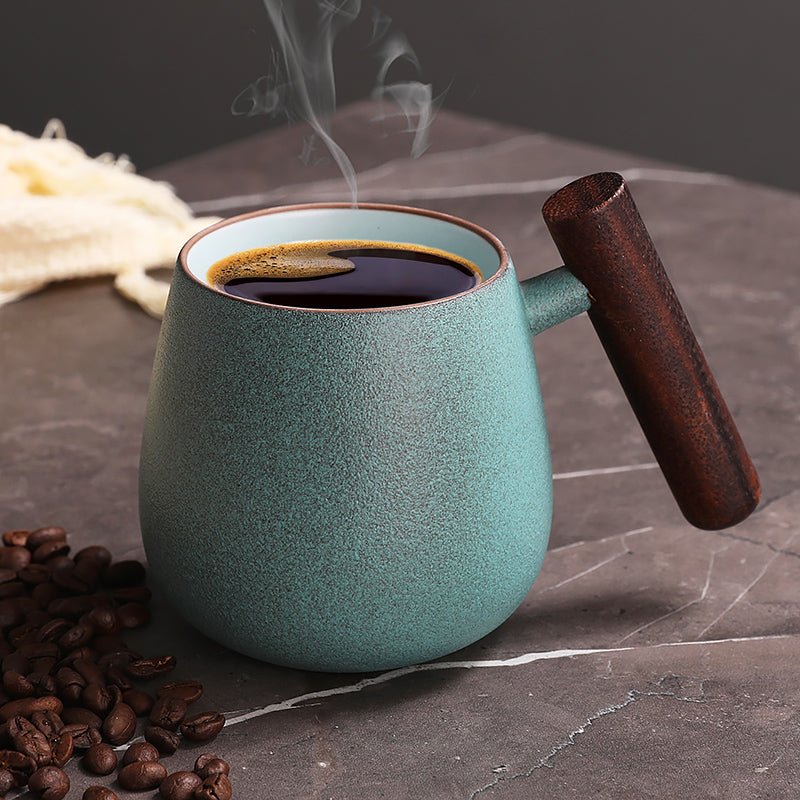
Fine Bone China Coffee Mugs: What Buyers Should Check Before Ordering
Fine bone china coffee mugs feel lighter, look cleaner, and suit buyers who want a more refined daily cup. We explain what to check for fit, care, and durability before you choose one.
Per saperne di più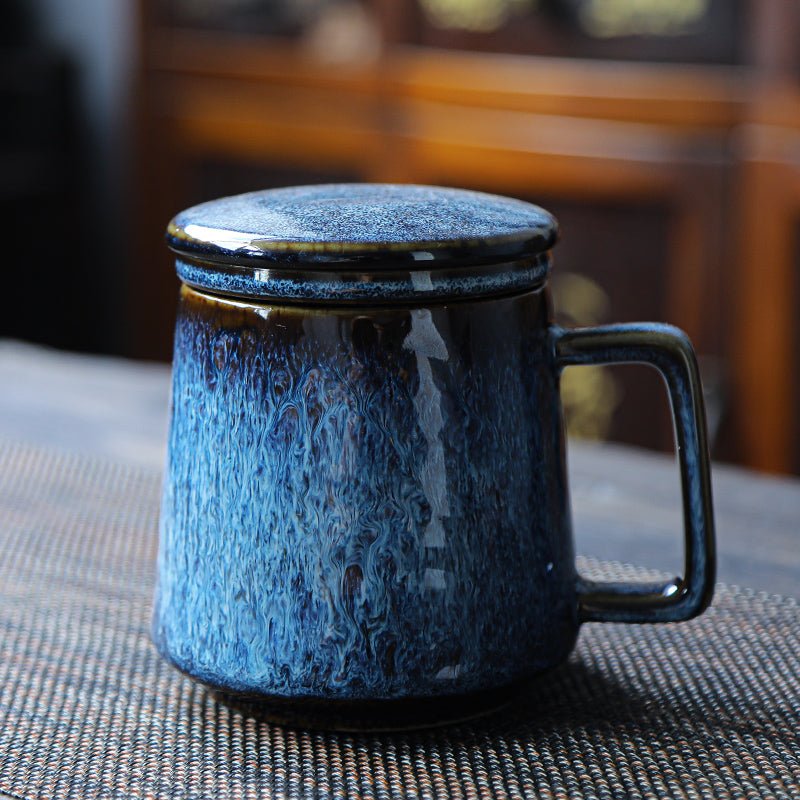
Regular Coffee Mug Size: What Buyers Should Expect Before Ordering
A regular coffee mug size usually lands in the 8 to 12 oz range, but the right pick depends on how you drink coffee, how much counter space you have, and whether you want a lighter cup or a fuller ...
Per saperne di più
Commenta
Questo sito è protetto da hCaptcha e applica le Norme sulla privacy e i Termini di servizio di hCaptcha.