
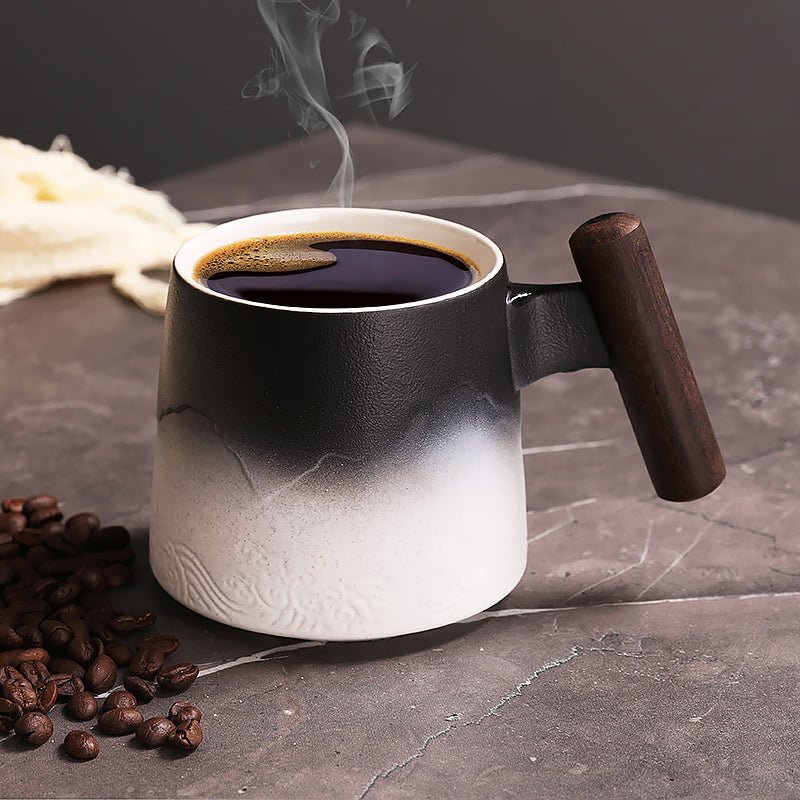
Yeti 14 oz Coffee Mug: Size, Fit, and What Buyers Should Check
Reading time: about 8 minutes
A 14 oz mug looks small on paper, then you set it next to a drip brewer, a laptop, and a crowded kitchen counter and realize why people keep buying this size. It is big enough for a real coffee pour, but not so large that it takes over a desk or feels clumsy in the hand.
In our store, the questions around a yeti 14 oz coffee mug usually come from shoppers who want one mug for the office, the kitchen, and the occasional gift. If you are comparing options across our store, start with our products page or our full collection so you can compare shapes and sizes side by side.
If you want the broader size picture first, our guides on How Many Oz Is a Coffee Mug? Common Sizes and What Fits Best and How Many Oz Is a Regular Coffee Mug? Common Sizes and Fit are useful references before you commit to a purchase.
What does 14 oz actually feel like in daily use?
Fourteen ounces sits in a useful middle ground. It is large enough for a standard brewed coffee, a generous pour-over, or a shorter milk drink, but still compact enough to feel controlled on a desk or breakfast table.
In our experience, this size works best for people who do not want a huge mug but also do not want to top off every ten minutes. It is a practical fit for morning coffee at home, a workday desk, or a gift for someone who likes their drink to stay hot without needing a travel bottle.
Here is the simple way we think about it:
- 10 oz is better if you drink a smaller cup, espresso-forward drinks, or tea in a tighter footprint.
- 14 oz is the middle size for a real coffee habit without too much bulk.
- 20 oz is better if you refill often or pour larger servings.
- 24 oz makes more sense for big iced coffees, long work sessions, or people who hate refills.
A 14 oz mug is usually the sweet spot for someone who wants one good serving, not a commuter bottle and not a tiny cup.
If you are still deciding between smaller and larger options, our related posts on 10 oz Coffee Mug: Size, Fit, and What to Check Before You Buy and 20 oz Coffee Mug: What to Check Before You Buy are the most direct comparisons.
What should you check before buying a Yeti 14 oz coffee mug?
Shoppers tend to focus on the brand name first, but the real buying mistakes are usually about fit and use. The mug may be right on capacity and still be wrong for your routine if the handle is awkward, the lid is too loose for your table, or the shape does not fit where you plan to use it.
We check a few things before we recommend any handled insulated mug:
- Handle clearance. Make sure the handle feels comfortable for your grip and that your fingers do not hit the body of the mug.
- Lid style. A splash-resistant lid is useful on a desk, but it is not the same as a sealed travel lid. Do not expect it to act like a leakproof commuter mug.
- Body material. Stainless steel is the usual choice for this category because it handles bumps better than ceramic and holds temperature more consistently.
- Base stability. A flat, stable base matters if the mug is going next to a keyboard, notebook, or bedside table.
- Cleaning access. Check whether the lid parts come apart easily so coffee oils do not build up in the slider or gasket.
The best version of a handled 14 oz mug has a sturdy feel, a lid that does not rattle loosely, and a finish that can survive normal dishwashing without looking tired after a few cycles. Common weak points are not the cup wall itself. They are usually the lid, the slider, or the seal around the opening.
If your main priority is a handled build, our guide on Yeti Coffee Mug with Handle: What Buyers Should Check Before Buying goes deeper on grip, balance, and lid trade-offs.
How does 14 oz compare with 10 oz, 20 oz, and 24 oz mugs?
This is the comparison that usually settles the decision. A lot of shoppers do not need the biggest mug available. They need the right mug for the way they actually drink coffee.
| Size | Best for | Main trade-off |
|---|---|---|
| 10 oz | Smaller pours, espresso drinks, tighter storage, lighter feel | Less room for milk or top-offs |
| 14 oz | Daily coffee, office desks, balanced size and handling | Not ideal if you want one oversized pour |
| 20 oz | Longer work sessions, larger drip coffee, fewer refills | Bulkier on the desk and in the hand |
| 24 oz | Big pours, iced coffee, people who drink slowly | Can feel too large for a normal hot coffee routine |
The main difference is not just volume. It is how the mug lives on a counter. A 14 oz mug usually feels easier to handle than a 20 oz or 24 oz piece, especially if you are moving between the kitchen, the sofa, and a desk. A 24 oz mug can be the right answer for iced drinks or for people who nurse one cup for a long time, but it can be excessive for a standard hot coffee pour.
If you are comparing by size first, the linked guides on 24 oz Coffee Mug: What to Check Before You Buy and 8 oz Coffee Mug: What to Check Before You Buy help bracket the extremes so the 14 oz choice is easier to judge.
Is stainless steel a better fit than ceramic here?
For a handled mug in this size, stainless steel has clear strengths, but it is not automatically the better choice for everyone. We have seen buyers love stainless steel for the toughness and heat retention, then switch back to ceramic because they miss the feel of a classic mug.
Stainless steel works well if you want:
- Better resistance to chips and drops than ceramic.
- More consistent heat retention during long desk sessions.
- A mug that can handle kitchen, office, and gift use without feeling fragile.
Ceramic can be better if you want:
- A microwave-safe mug for reheating coffee repeatedly.
- A traditional drinking feel with a thicker rim.
- A quieter mug for a home setting where durability is less of a concern.
That trade-off matters. A stainless mug is usually not the one you pick if you rely on the microwave, like to warm coffee in short cycles, or prefer a mug with a heavy ceramic feel in the hand. It is also not the best choice if you want a sealed travel vessel that can live inside a bag. For that job, choose a real travel tumbler instead of a handled mug.
For a broader performance breakdown across the category, our Yeti Coffee Mug Review: Real-World Performance, Sizes, and Trade-Offs covers the same kind of decisions from a buyer's point of view.
How should you clean and care for it?
A handled insulated mug is easy to live with if you clean the parts that actually collect residue. The cup body is usually simple. The lid is where most problems start.
Our practical care routine is straightforward:
- Wash the mug after heavy use so coffee oils do not sit overnight.
- Remove the lid pieces if the design allows it, then clean the slider and gasket separately.
- Check the rim and the underside of the lid for buildup after a few dishwasher cycles.
- Dry the mug fully before storing it so moisture does not sit inside the lid parts.
- Avoid abrasive pads if you want to keep the exterior finish looking clean for longer.
Common defect modes in this category are usually easy to spot early: a slider that starts to feel loose, a gasket that no longer sits flat, a lid that warps slightly after repeated heat, or surface scratches from rough cleaning. None of those are reasons to panic, but they are worth checking before you decide a mug is truly right for you.
If you use a dishwasher, read the maker's care guidance for the lid specifically. The body and lid are not always treated the same way, and the lid is the part that usually deserves the extra attention.
Frequently asked questions
Is a Yeti 14 oz coffee mug big enough for a full cup of coffee?
For most drip coffee drinkers, yes. Fourteen ounces is enough for a normal mug of coffee with some room left for cream or milk, but it is not a giant pour. If you tend to fill the cup to the brim or like a very large first serving, a 20 oz mug may suit you better.
Does a 14 oz handled mug fit under most coffee machines?
Often it does, but the handle can be the limiting factor more than the height. We always tell buyers to check both the mug height and the space around the drip tray or pod machine. A mug can be short enough and still be awkward if the handle hits the machine housing.
Can I put a stainless 14 oz coffee mug in the dishwasher?
Many stainless mugs are dishwasher friendly, but the lid and slider need closer attention than the cup body. We recommend checking the manufacturer's care instructions and inspecting the gasket after a few washes. If the finish matters to you, avoid harsh scrubbers that can dull the surface.
Is a Yeti 14 oz coffee mug leakproof for commuting?
No, not the way a true travel bottle is. A handled mug with a splash-resistant lid is fine for a desk or countertop, but it is not the right choice for a backpack or a moving car. If your coffee has to ride in a bag, choose a sealed travel tumbler instead.
Should I buy 14 oz or move up to 20 oz?
Choose 14 oz if you want one comfortable serving and a mug that feels balanced in the hand. Move up to 20 oz if you regularly refill, drink large lattes, or like to keep coffee nearby for a long stretch. The better choice is the one that matches your actual pouring habit, not the one that sounds bigger on paper.
If you are still comparing, check the smaller and larger size guides, then open our collection and match the mug to the way you drink coffee at home or at work. The right pick usually becomes obvious once you compare the size against your real cup, your desk space, and the kind of lid you actually want to clean.
Read more
Wall Mounted Coffee Mug Rack: How to Choose the Right Fit
A practical guide to choosing a wall mounted coffee mug rack that fits your mugs, your wall, and your daily routine. We break down materials, mounting needs, capacity, and the trade-offs that matte...
Read more
Nespresso Coffee Mug: Size, Fit, and What to Check Before You Buy
A practical guide to choosing a nespresso coffee mug that fits your daily capsule drink, holds the right amount, and feels comfortable on the desk or kitchen counter. We cover size, shape, material...
Read more
Leave a comment
This site is protected by hCaptcha and the hCaptcha Privacy Policy and Terms of Service apply.