
Wood Cups: What to Check Before You Buy for Daily Use
Reading time: about 8 minutes
A mug can look perfect in a product photo and still feel wrong after three uses. The handle gets hot, the wood shows marks too quickly, or the cup is awkward on a desk crowded with a laptop, notebook, and charger.
That is the practical side of wood cups. They are not just about the look. In our store, we care more about how the cup sits in the hand, how the wood is finished, and whether it makes daily coffee easier instead of fussier. If you are comparing options, our team recommends starting with the build, then the style.
What are wood cups, exactly?
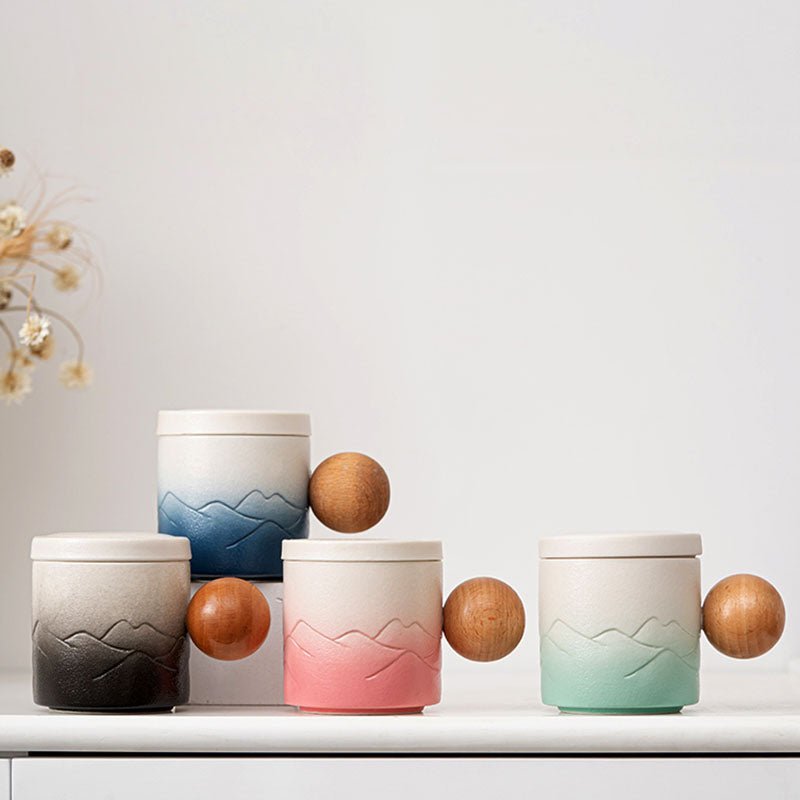
In most shopping searches, wood cups usually means cups or mugs that use wood as part of the design, most often a wooden handle on a ceramic body. That is the category we see most often in real use. Solid wood drinking vessels do exist, but they are a very different buy and usually need more care than most people want for coffee or tea.
For everyday use, the common setup is a ceramic cup with a wooden handle. That pairing gives you the easy cleanup and heat stability of ceramic, plus the warmer grip and visual contrast of wood. It also means you need to pay attention to both materials, because the weak point is often not the cup body. It is the join, finish, or care routine around the handle.
If you want to compare the styles we currently carry, you can start with the full CoffeifyMug collection and narrow from there.
Which details matter most before you buy?
We look at wood cups the same way we inspect any daily-use mug: first for function, then for finish. A cup can have a nice shape and still fail at the details that matter after the first week.
| What to check | What we want to see | Why it matters |
|---|---|---|
| Handle join | Tight fit, no wobble, no visible gaps | A loose join is the first thing to feel cheap in hand |
| Wood finish | Smooth, sealed, and evenly colored | Rough or porous wood stains faster and wears unevenly |
| Rim and body glaze | Even glaze with no sharp spots | Comfort matters when you drink from the same cup every morning |
| Cup weight | Balanced enough to feel steady, not bulky | A mug that is too heavy stops being pleasant at a desk or breakfast table |
| Care instructions | Clear guidance for hand washing and heat limits | Wood and high heat do not always play nicely |
There are a few common defect modes we watch for. Hairline cracks in the glaze can spread with repeated hot-and-cold cycles. Unsealed or thinly finished wood can darken around the fingers. A handle that looks fine in photos can still feel uneven if the transition from wood to cup body was not finished cleanly. None of those issues are dramatic on day one. They show up after regular use, which is why inspection matters.
If you want the broader shopping version of this checklist, our article Wood Cups: What to Look for Before You Buy walks through the same decision points from a buyer's angle.
Are wood cups good for coffee, tea, and desk use?
Yes, with a clear expectation of what they are good at. In daily use, wood cups work best for people who want a comfortable grip, a warmer look on the table, and a mug that feels less generic than a plain white cup.
They are especially useful for:
- Morning coffee on a kitchen counter where the mug stays in one place.
- Desk tea or coffee when you want a handle that does not feel harsh or fully metal.
- Gift buying, because the wood detail makes the cup feel more considered when it is opened.
They are not the best choice for every buyer. If you want to toss the mug in the dishwasher every night without thinking about it, wood cups are usually not the easy answer. If you want a travel mug that lives in a bag, wood is also the wrong material. And if you want a cup for microwave reheating, a wooden component usually makes that a poor fit. For those cases, a plain ceramic mug or insulated travel cup is the more practical buy.
Which styles do we recommend for different buyers?
We sell this category because the shape and finish changes how the cup feels in real life. Two buyers can want the same coffee and still prefer different mugs. That is why we suggest comparing style, grip, and use case before you click buy.
- For a grounded, earthy look, the Mountain Sea II Coffee Tea Mug with Wooden Handle is a strong option if you want the wood detail to feel warm and slightly more tactile.
- For a lighter, cleaner silhouette, the The Cloud Coffee Tea Mug Wooden Handle is the kind of mug that works well on a minimal desk or a bright kitchen shelf.
- To compare more drinkware styles in one place, browse our collection of mugs and cups before deciding.
If you are choosing for looks first and function second, that is fine as long as you know the trade-off. A more decorative mug can still be a good daily mug, but only if the handle feels comfortable and the finish is durable enough for repeated washing. If you want a broader aesthetic comparison, our guide on Beautiful Coffee Cups That Look Good and Work Every Day is a useful next read.
How should you care for a wood cup so it lasts?
Wood cups do not need a complicated routine, but they do need one. The point is to keep the wood from taking on water and to avoid heat that can wear the finish faster than necessary.
- Wash by hand with mild soap and a soft sponge.
- Do not leave the wooden handle soaking in water.
- Dry the handle right away instead of air-drying it wet for hours.
- Keep it away from the dishwasher unless the maker clearly says otherwise.
- Avoid microwave use if the mug has any wooden component.
That routine sounds simple because it is. The cup should work for you, not create a maintenance project. If you are the kind of buyer who wants something you can rinse and forget, a fully ceramic mug may be a better match. If you are comfortable giving the cup a little extra attention, wood can hold up nicely and age with character instead of looking tired.
What are the trade-offs of buying wood cups?
The honest trade-off is convenience versus character. Wood cups usually offer more visual warmth and a better hand feel than a basic mug, but they ask for more care than a plain all-ceramic option.
Here is the practical version:
- Good for: home coffee, tea rituals, gift giving, desk use, and shoppers who care about texture and finish.
- Not ideal for: dishwasher-heavy kitchens, microwave reheating, travel use, and anyone who wants zero maintenance.
- Worth checking: whether the wood is sealed well, whether the handle feels balanced, and whether the cup body is easy to clean around the joint.
That is why we treat wood cups as a deliberate purchase, not a default one. If the shape and feel matter to you, they can be a better daily cup than a plain option. If ease above everything matters, choose a simpler mug style instead. We would rather say that clearly than oversell the category.
Frequently asked questions
Are wood cups safe for hot coffee?
Wood cups with a ceramic body and wooden handle are generally suitable for hot coffee as long as the cup is made for hot drinks and the handle is well finished. The wood should not be your only point of contact with the heat. If the handle feels loose, rough, or unsealed, we would skip it.
Can I put a wood cup in the dishwasher?
Usually no, especially if the mug has a wooden handle or any exposed wood. High heat and long soak cycles can wear the finish faster and may loosen the look of the handle over time. Hand washing is the safer choice for this category.
Do wood cups need special care?
They need simple but consistent care. Wash gently, dry the wood right away, and avoid leaving the handle wet for long periods. That is enough for most daily use, and it helps keep the finish looking clean.
What should I check before buying wood cups online?
Check the handle join, finish quality, cup weight, and care instructions. We also look for clear product photos that show the rim, handle, and side profile, because those details tell you more than a styled table shot. If those basics are missing, the listing is probably not giving you enough to judge the mug properly.
Are wood cups a good gift?
Yes, if the recipient likes practical gifts with a warmer look. They work well for coffee drinkers, tea drinkers, and people who care about how their mug feels on a desk or breakfast table. If the person prefers low-maintenance items, a plain ceramic mug may be the safer gift.
If you want one more pass through the options, start with the mug style you like most, then compare it against how you actually wash and use your cups. That is the quickest way to avoid a pretty mug that never gets used.
More from our blog
Read more
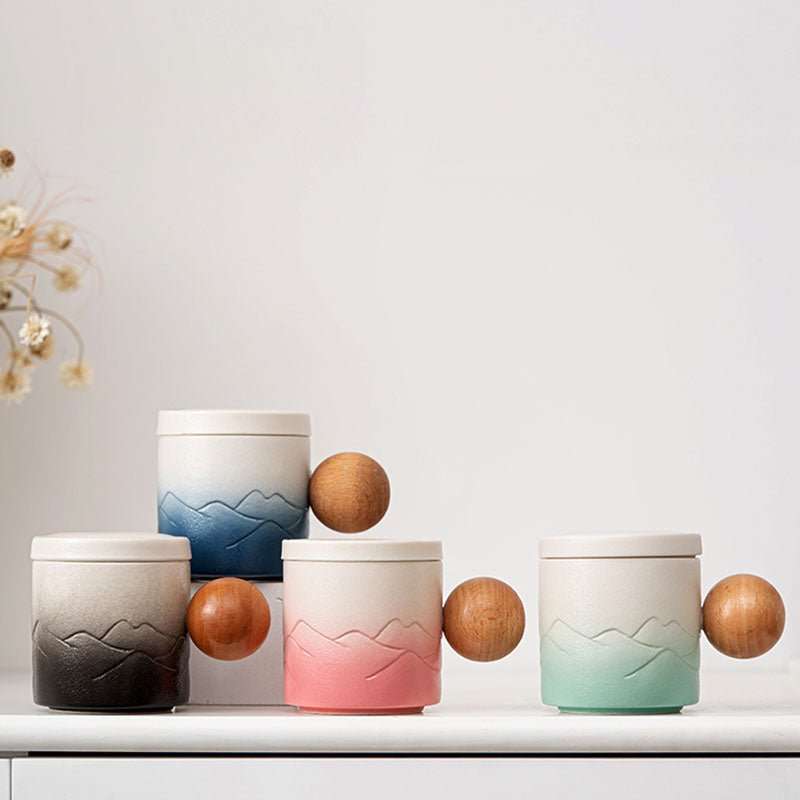
Large Tea Mug Buying Guide for Daily Tea and Desk Use
A practical guide to choosing a large tea mug for daily use, from shape and comfort to cleanup and desk fit. We compare three mugs from our store and explain the trade-offs that matter before you buy.
Read more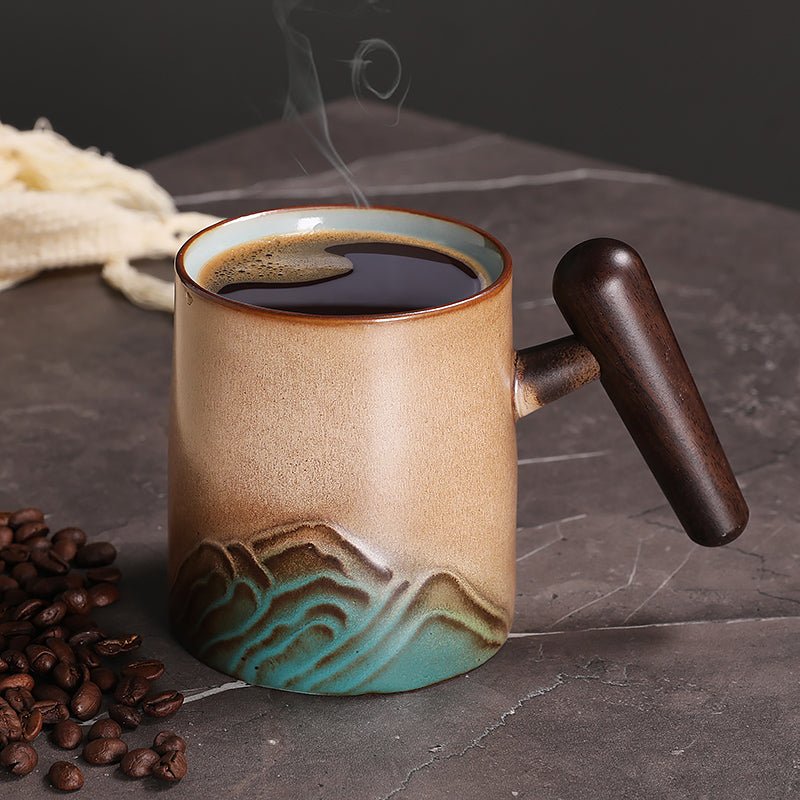
Denby Coffee Mugs: What to Check Before You Buy
A practical buyer’s guide to denby coffee mugs, covering size, weight, glaze quality, handle comfort, and where they fit best in daily use. We also compare a few everyday alternatives so you can pi...
Read more
Leave a comment
This site is protected by hCaptcha and the hCaptcha Privacy Policy and Terms of Service apply.