Wide Bottom Coffee Mug Buying Guide: What to Check Before Buying
Reading time: about 10 minutes
Why does a wide bottom coffee mug feel different in daily use?
A mug that rocks on a kitchen counter gets noticed fast. So does one that feels comfortable in the hand online but pinches your fingers once you fill it with coffee. That is the practical appeal of a wide bottom coffee mug: the broader base usually gives it a steadier feel on desks, counters, and side tables.
In our store, we pay attention to that first impression because it shows up in real life, not just in photos. A mug with a wider footprint tends to sit more confidently next to a laptop, a French press, or a stack of books. It is a good fit for slow mornings, office desks, and gift orders where the unboxing needs to feel substantial. It is not the best pick if you want the most compact mug for a crowded cabinet or a narrow cup holder.
If you want to see the current lineup while you compare shapes, our products page is the fastest starting point.
When we handle mugs in our own checks, we look for three things right away: does the base sit flat, does the handle clear the fingers without forcing a cramped grip, and does the rim feel smooth enough for daily sipping. Those details sound small. They are the difference between a mug that feels settled and one that feels off from the first pour.
What should you check before you buy one?
The best wide bottom coffee mug is not just wide. It needs a stable foot ring, a comfortable handle, and a finish that holds up to sink use and dishwasher cycles. We check the same details because they are the ones buyers notice after the first week, not only on the product page.
| Check | What to look for | Why it matters |
|---|---|---|
| Flat foot ring | The mug sits without wobbling on a counter or desk | Wobble is a sign the base may feel unstable during daily use |
| Handle clearance | Enough space for two to four fingers, depending on hand size | A cramped handle makes a mug feel heavier and easier to drop |
| Rim and glaze finish | Smooth lip, even glaze, no rough seam at the drinking edge | Better comfort, less irritation, and fewer weak points over time |
| Foot finish | Clean bottom edge, ideally without gritty residue or sharp edges | Protects tables and avoids the scratchy feel some mugs leave behind |
At CoffeifyMug, we have learned that base width alone does not guarantee quality. A wide mug with a rough foot ring or a handle that sits too close to the body can still feel awkward. If we see a mug that rocks slightly on a flat surface, we treat that as a real problem, not a minor quirk.
One more practical check: look for the body thickness around the lip and handle join. Thin walls can make a mug feel lighter, but they also make it more vulnerable to chips at the rim and stress cracks near the handle over time. A slightly thicker wall often feels better in hand and survives regular use more comfortably.
Which size works best with a wide base?
The right size depends on how you drink coffee. A wide bottom coffee mug can make a larger mug feel more grounded, but the footprint still matters. If you are comparing capacities, our 10 oz Coffee Mug: Size, Fit, and What to Check Before You Buy and 11 oz Coffee Mug: Size, Fit, and What to Check Before You Buy guides are useful if you prefer compact daily mugs. For a little more room, compare them with our 12 Ounce Coffee Mug Buying Guide: Size, Fit, and Best Uses and 14 oz Coffee Mug: What Buyers Should Check Before They Buy articles. If you like a fuller pour, our 16 Ounce Coffee Mug Buyers Guide: Size, Material, and Fit is a better match for larger servings.
- 10 oz and 11 oz: better for espresso-style drinks, smaller cappuccinos, or people who want a mug that does not crowd a desk.
- 12 oz to 14 oz: a good middle ground for drip coffee, tea, or mixed drinks with milk or creamer.
- 15 oz and 16 oz: better for long sipping sessions, larger pours, or anyone who wants fewer refills during a work block.
The trade-off is simple. A wide base can make a bigger mug feel more secure, but it also takes up more shelf space. If your cabinet is already packed, the footprint may matter more than the ounce count. If you want a mug for travel, this shape is usually not the right answer. A travel tumbler is better for car cup holders and commuting.
We see the best fit when the mug matches the habit. A reader with a book and a coaster wants something different from a commuter who drinks in the car. That is why we push shoppers to think about where the mug will actually live: beside the bed, under an office monitor, or next to the sink after a rinse.
What materials and care details matter most?
Material changes how a wide bottom coffee mug feels in the hand and how long it stays looking clean. Ceramic and stoneware are the most common choices in this category because they have enough weight to feel stable without becoming overly heavy. Porcelain usually feels a little lighter and more refined, but it can show chips sooner if it gets knocked against a sink or another mug.
We also look at the finish. A glossy glaze is usually easier to wipe clean after coffee oils or tea stains. A matte finish can look sharp on a shelf, but it may show marks more readily, especially around the handle and base. If a mug has metallic decoration or a specialty decal, hand washing is the safer call. If it is dishwasher-safe, check how the decoration is applied, because some printed designs fade or wear at the lip after repeated cycles.
- Ceramic: dependable for daily coffee, usually sturdy, and often the most straightforward to care for.
- Stoneware: heavier and substantial in hand, but the extra weight can matter if you carry the mug from room to room.
- Porcelain: clean look and lighter feel, but more vulnerable to edge chips if handled roughly.
- Glazed interior: easier to clean after espresso, milk, or flavored drinks because stains do not grab as hard.
Common defect modes are worth calling out. We watch for chips on the foot ring, tiny glaze pinholes, rough spots on the rim, and stress points where the handle meets the body. Those are the places that tend to show wear first. A wide base does not protect against those issues. It only changes how the mug balances once it is on the table.
If you are buying for a kitchen that sees daily use, think about dishwasher cycles, stackability, and how the mug dries. Wide bottom mugs can take longer to fit neatly on some racks or shelves. They are not ideal if your storage is tight or you need to stack several mugs in a narrow cabinet.
How does a wide bottom coffee mug compare with a standard mug?
A standard mug usually prioritizes a familiar shape and easy storage. A wide bottom coffee mug shifts the balance toward stability. That can be a real advantage on a desk or counter, but it changes the way the mug fits into the rest of your kitchen setup.
| Type | Main advantage | Main limitation | Best use |
|---|---|---|---|
| Wide bottom coffee mug | Feels planted and steady on flat surfaces | Takes more shelf space and may feel bulky in smaller hands | Desk coffee, home use, gifting, relaxed sipping |
| Standard mug | Easy to store and familiar in the hand | Can feel less stable if the base is narrow | Everyday kitchen use, shared cabinets, quick coffee breaks |
| Travel mug | Best for commuting and holding heat | Usually less pleasant for casual sipping at home | Car use, office commutes, longer time between refills |
We would not steer someone toward a wide bottom mug if their main concern is travel. It is the wrong shape for most cup holders. We would also pause if the shopper wants the most compact mug possible for a small apartment kitchen. In those cases, a more traditional profile or an insulated travel cup is the better purchase.
On the other hand, if you keep a mug on a work surface and want something that looks grounded instead of top-heavy, the wide bottom profile does a good job. It feels intentional. It also tends to look good in a gift box because the shape reads as solid and useful rather than fussy.
Where does a wide bottom mug make the most sense?
We see the strongest fit in a few everyday situations. The shape matters less in a product photo and more in the places where people actually set the mug down, pick it up, and wash it later.
- Home office desks: a wider base is helpful near laptops, notebooks, and chargers where you want the mug to feel stable.
- Kitchen counters: the mug is less likely to feel precarious while you add milk, stir in sugar, or reach for breakfast.
- Gift purchases: the silhouette feels substantial when someone opens the box, especially if they want a mug that looks different from the default shape.
We also see buyers choose this shape when they want their coffee to feel like part of the routine, not something rushed. The mug sits down with weight. It feels steady beside a pour-over brewer, a French press, or a tablet stand. That said, it is not the best answer for someone who wants the smallest possible footprint or the easiest mug to stack with a full set of dishes.
If your decision is still between shape and capacity, that is normal. A broad base helps, but the usable volume still matters. That is why our size guides exist alongside the product pages: to help you compare fit, not just chase a number printed in the description.
Frequently asked questions
Is a wide bottom coffee mug more stable than a regular mug?
Usually yes, because the base has a broader footprint and the mug tends to feel lower and more planted. The real test is whether it sits flat without wobbling, since a poor foot ring can cancel out the advantage of the wider shape.
Will a wide bottom mug fit in a dishwasher?
Most will, but the wider footprint can take up more rack space than a standard mug. We check that the handle clears other dishes and that the mug will not tip during the wash cycle before we treat dishwasher use as a safe everyday option.
Is this shape good for small servings like espresso?
Not usually. If you mainly drink smaller pours, a 10 oz or 11 oz mug often works better because it feels less bulky in the hand and keeps the drink in a more appropriate proportion to the cup.
What defects should I watch for before buying?
Look closely at the foot ring, the rim, and where the handle joins the body. Rough glaze, wobble, and hairline cracks are the problems we avoid first because they affect comfort and durability long before any cosmetic issue does.
Is a wide bottom coffee mug a good gift?
Yes, if the person likes practical home or office coffee gear. It is less useful for someone who travels constantly or has very limited cabinet space, but it works well for desk drinkers and people who like a mug with a sturdier presence.
If you want to compare shapes side by side, start with our full mug collection and then use the size guides for 12 oz Coffee Mug: Size, Fit, and What to Check Before Buying, 15 oz Coffee Mug: Size, Fit, and What Buyers Should Check, and 16 oz Coffee Mug: What Buyers Should Check Before They Buy to narrow the fit. If you want the quickest next step, check the collection, compare the footprint, and choose the mug that matches the way you actually drink coffee.
Read more

Vintage Snoopy Coffee Mug Buying Guide: What to Check Before You Buy
A vintage Snoopy coffee mug can be a daily cup or a collector piece, but the print, glaze, and size decide which. We cover what to check, what to avoid, and when a newer vintage-style mug is the sm...
Read more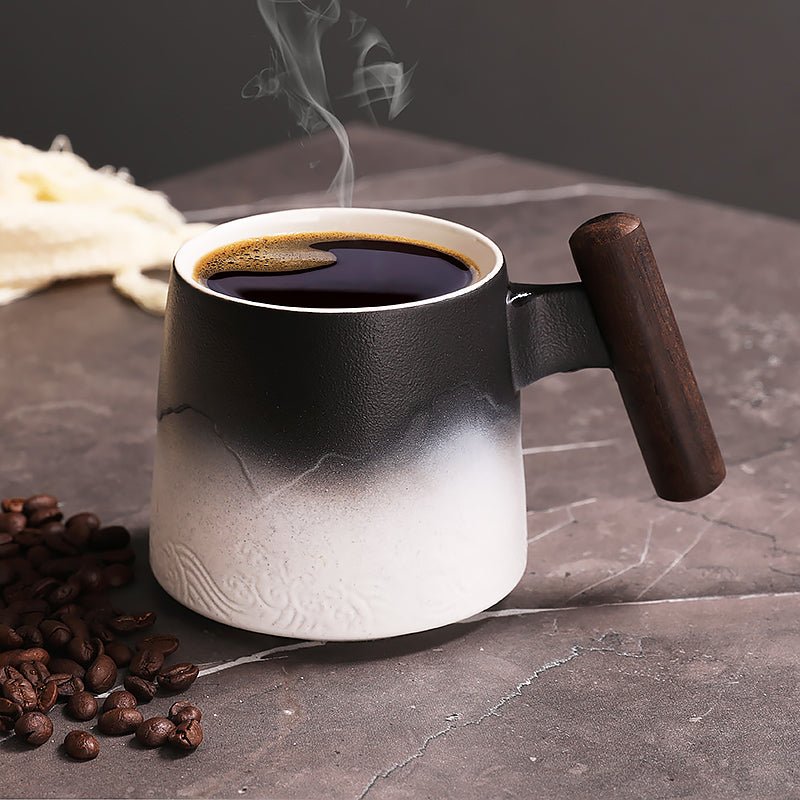
Coffee Mugs Used on Psych: How to Choose One That Actually Gets Used
A practical guide to coffee mugs used on the show Psych, with real buyer trade-offs on size, material, durability, and gift value. We focus on mugs that feel right on screen and still work on a des...
Read more
Leave a comment
This site is protected by hCaptcha and the hCaptcha Privacy Policy and Terms of Service apply.