
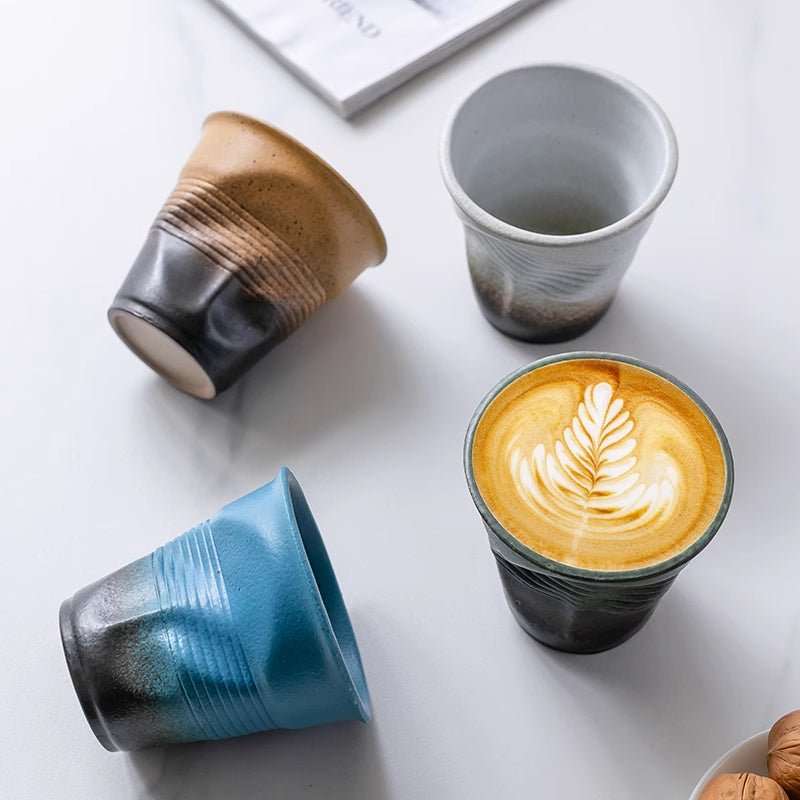
What to Compare Before Choosing a Pleated Ceramic Coffee Cup 200 ml
Reading time: about 10 minutes
A small cup can be the wrong cup very quickly. A 200 ml vessel that looks elegant in photos may feel too tiny for a long desk coffee, or too wide for someone who wants tea to stay warm a little longer. That is exactly why a pleated coffee tea cup comparison matters before you buy.
At CoffeifyMug, we handle this category as both a drinkware piece and a gift item. Some shoppers want a cup that photographs well on a kitchen counter. Others want a practical ceramic cup for an espresso-based pour, a short tea service, or a present with gift wrapping available. The right choice depends on more than appearance.
If you are comparing options right now, start with our Pleated Ceramic Coffee Cup | 200 ml and then check how it stacks up against other styles in our unique coffee mugs collection. If you want a broader buying framework, our How to Choose a Pleated Ceramic Coffee Cup | 200 ml Buying Guide covers the basics before you commit.
What should you compare first: size, shape, or daily use?
Start with size. A 200 ml cup is a small-capacity cup, so it is best for a short coffee, cappuccino-style drink, tea service, or a controlled portion on a work desk. It is not the right choice if you want a big mug you can refill once and keep sipping through a long morning.
The pleated shape is the second thing to compare. On a table, those vertical ridges add texture and visual interest. In hand, they can also make the cup feel more substantial than a plain smooth-sided cup of the same capacity. That said, the look is part of the appeal. If you want a minimalist, straight-sided mug, this is not the style to buy.
Daily use matters third. We always ask shoppers where the cup will live:
- Kitchen counter: does it match the rest of the tableware and stack cleanly?
- Office desk: is the size small enough to avoid crowding a laptop or notebook?
- Gift box: will it feel special when opened, not just functional?
How do you judge ceramic quality without overthinking it?
For this category, ceramic quality is mostly about feel, finish, and consistency. A well-made ceramic cup should feel balanced in the hand, have an even glaze, and show clean edges where the handle and rim meet the body. We look closely at those details because they are the places where lower-quality pieces often show unevenness.
Three practical checks matter most:
- Glaze finish: look for an even surface without pinholes, rough patches, or visible bubbles.
- Rim comfort: the drinking edge should feel smooth, not sharp or overly thick.
- Body consistency: the cup should look uniform around the pleats, without obvious warping or asymmetry.
These are small details, but shoppers notice them the first time they rinse the cup or place it next to a saucer. If you are buying for a gift, ceramic consistency matters even more because the recipient will usually judge the product by first touch, not just by photos.
We also recommend checking care instructions before buying. A ceramic cup that is easy to clean is often the one people keep using, because it does not demand special treatment for everyday coffee stains or tea residue. Our Pleated Ceramic Coffee Cup 200 ml Care Tips to Make It Last Longer covers the practical side of cleaning and handling.
Does the pleated shape help, or is it mostly for looks?
It does both, but not equally in every situation. The pleated exterior gives the cup a distinct decorative profile, which is useful if you want your drinkware to double as home decor. On a shelf, tray, or breakfast table, the texture catches light in a way a flat mug does not.
That said, the pleated design is not the best match for everyone. If you prefer a clean cylindrical mug with no visual detail, or if you need a cup that stacks tightly with others, a pleated cup may not be your first pick. Texture can also make a cup feel less familiar to someone who likes very simple drinkware.
Here is how we compare it in real use:
- Better for display: yes, because the ridge detail looks intentional and decorative.
- Better for gifting: yes, because it feels more considered than a basic mug.
- Better for storage: sometimes no, because textured shapes can be less stack-friendly than plain mugs.
If aesthetic value is part of the purchase, it is worth browsing our unique coffee mugs collection alongside the pleated cup. That makes it easier to compare decorative styles without losing sight of practicality.
What size and drink types fit 200 ml best?
Two hundred milliliters is a specific serving size, and that is the main trade-off. It works well for a focused drink moment, but it will not replace a large everyday mug.
In our store, we usually see this size chosen for:
- Short coffee servings, especially if the buyer prefers a smaller cup on a busy morning
- Tea service where the drink is meant to be enjoyed while warm
- Gift sets where the cup is part of a curated, decorative presentation
- Home decor styling on open shelves, trays, or a breakfast nook
It is not ideal for large lattes, long office sessions, or buyers who dislike refilling. If that sounds like your routine, a larger mug will be the better fit. The 200 ml format is about control, elegance, and portion size, not maximum volume.
That is also why we think the buyer should compare real use, not only measurements on a product page. The same capacity can feel generous in a demitasse-style setting and too small in a travel-heavy workday.
How does it compare as a gift versus a daily mug?
This is one of the biggest deciding points. As a gift, a pleated ceramic cup has a clear advantage because it looks intentional. It feels more curated than a plain utility mug. The shape is distinctive enough that recipients usually notice it right away.
For everyday use, the calculation changes. A gift cup can be beautiful and still not be the best choice for someone who wants one mug for everything. If the recipient drinks large volumes, works long shifts, or prefers a wide opening for milk-based drinks, a 200 ml piece may not get enough use.
We see the best gifting results when shoppers think about:
- Recipient style: do they like decorative home pieces or plain functional items?
- Drink habit: are they a small-coffee or tea person?
- Presentation: would gift wrapping make the first impression stronger?
Because this cup is a smaller format, the unboxing moment matters more. That is one reason shoppers looking for presents often start with our product page first and then compare it against other styles from the unique coffee mugs collection.
What common defects or disappointments should you check for?
Our team always looks for the same few issues when inspecting ceramic drinkware. These are not dramatic flaws, but they are the things that affect long-term satisfaction.
| What to check | Why it matters | What you want to see |
|---|---|---|
| Rim finish | Directly affects comfort while drinking | Smooth, even edge with no rough spots |
| Pleat symmetry | Impacts the overall look and perceived quality | Even vertical ridges around the body |
| Glaze coverage | Helps with easy cleaning and visual consistency | Uniform surface without dull patches |
| Base stability | Reduces wobble on desks and trays | Flat, stable base that sits securely |
If you have ever bought a pretty mug that looked fine online but felt slightly off in hand, you already know why these details matter. A cup can be attractive and still disappoint if the finish is uneven or the balance feels wrong.
What should you compare if easy cleaning matters most?
Cleaning is one of the most practical reasons shoppers choose ceramic. A glazed ceramic cup usually wipes down well and handles normal sink washing without fuss. That makes it a strong choice for daily coffee or tea, especially if you dislike specialized care routines.
Still, not every ceramic cup is equally easy to live with. Compare the following before buying:
- Interior shape: a smoother inside is easier to rinse than a cup with awkward corners.
- Glaze finish: a consistent glaze tends to resist visible staining better than a patchy surface.
- Handle access: the handle should leave enough room for a comfortable grip while washing and drying.
- Drying stability: the base should sit flat so water does not collect awkwardly after rinsing.
We also advise shoppers to think about day-two care, not just unboxing day. If a cup feels easy to rinse after a quick espresso or tea, people use it more often. If it needs careful handling every time, it becomes a shelf piece.
If you want maintenance details after you buy, our care article linked above is the best next read. It pairs well with the buying guide and helps preserve the finish over time.
How do you decide if this style matches your home decor?
For a lot of buyers, the cup is doing double duty as tableware and decor. That is especially true for people who keep mugs visible on open shelving or use them in styled coffee corners. The pleated body gives the piece a stronger silhouette than a basic mug, so it can support a more refined or textured interior look.
Compare the cup against the rest of your setup:
- Neutral kitchens: the ridged form adds texture without needing bright color.
- Minimal spaces: the shape brings interest, but may feel too decorative if everything else is extremely simple.
- Gift displays: it works well in layered packaging and photographed unboxing scenes.
If your kitchen style is very utilitarian, a smoother mug may blend in better. If your shelf setup already includes ceramics, trays, and small accent pieces, the pleated cup usually looks more at home.
Frequently asked questions
Is a 200 ml pleated ceramic coffee cup big enough for daily coffee?
It depends on how you drink coffee. For a short coffee, cappuccino-style drink, or tea, 200 ml is usually a comfortable size. If you prefer a large mug that stays filled through a long work session, this size will probably feel too small.
Can I use the pleated ceramic coffee cup for tea as well as coffee?
Yes, and that is one of the reasons shoppers like this format. The cup works well for tea servings where you want a smaller, warm drink rather than a large mug. It is a good fit for both coffee and tea if portion size is part of the appeal.
What makes this cup a good gift?
The pleated shape gives it a more decorative feel than a plain mug, so it looks thoughtful right away. It is especially appealing for coffee lovers and home decor fans. Gift wrapping available at checkout also helps make the presentation easier.
Is ceramic the easiest material to clean?
For most everyday shoppers, glazed ceramic is one of the easiest materials to live with. It rinses well and does not usually need special handling for normal coffee or tea use. The main thing to check is whether the glaze and interior finish look smooth and even.
What should I compare if I want a mug that also works as decor?
Focus on shape, surface finish, and how it looks beside your existing tableware. The pleated form adds texture, so it can stand out on a shelf or breakfast tray. If you want more options in that style range, start with our unique coffee mugs collection.
If you are still deciding, use a simple checklist: compare capacity, ceramic finish, rim comfort, cleaning ease, and whether the style suits a gift or daily use. Then open the product page for the Pleated Ceramic Coffee Cup | 200 ml and judge it against your own routine, not just the photos.
More from our blog
Read more
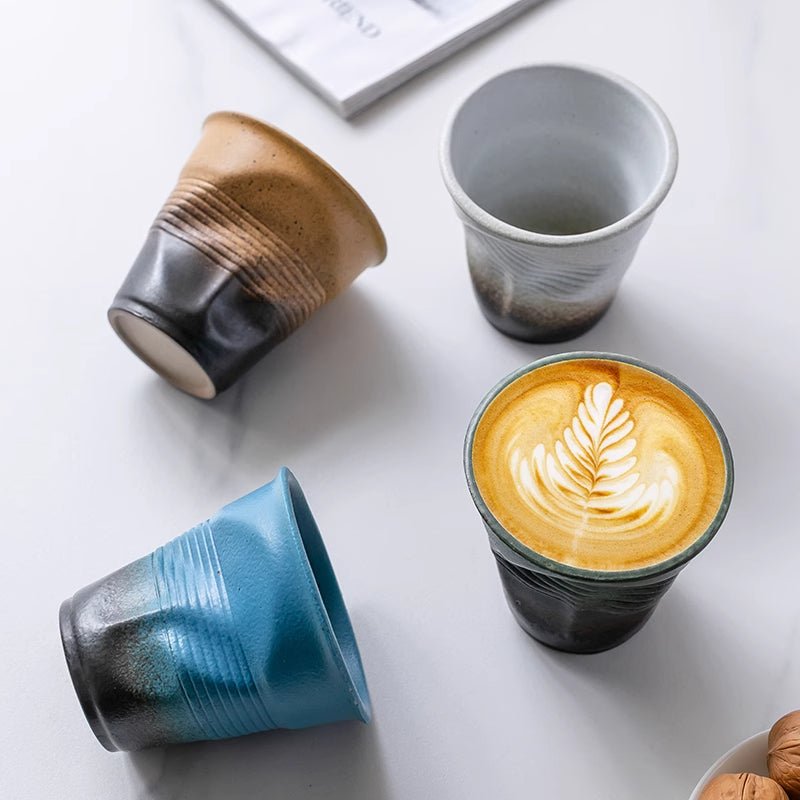
Pleated Ceramic Coffee Cup 200 ml Care Tips to Make It Last Longer
Simple care habits help a 200 ml pleated ceramic cup stay clean, keep its glaze sharp, and avoid chips on the rim. We cover washing, drying, storage, and gift care tips that actually matter.
Read more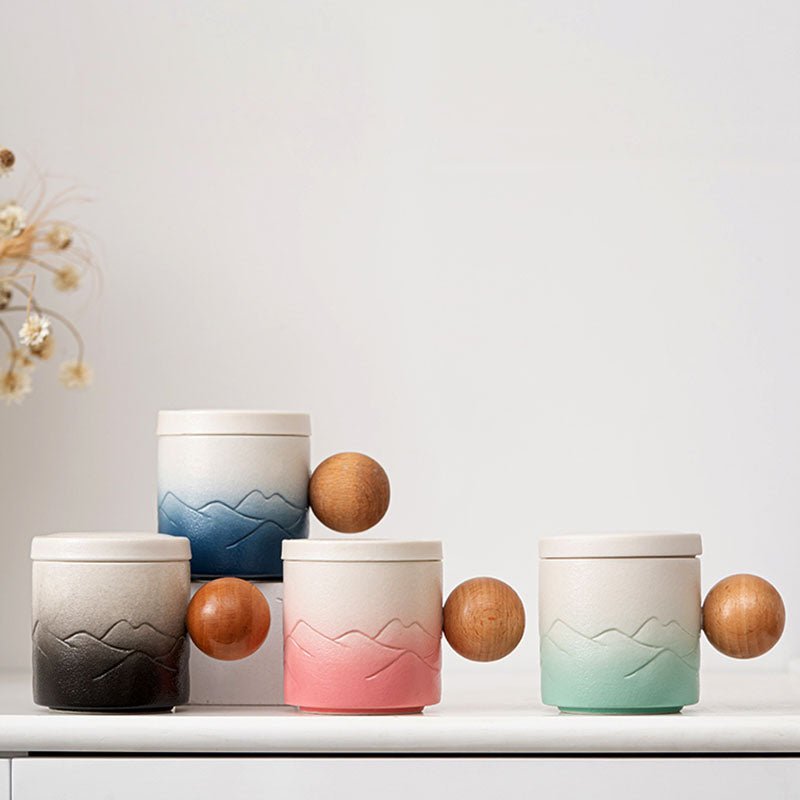
Is a Ball Handle Ceramic Coffee Mug Right for Coffee Lovers and Home Decor Enthusiasts?
A ball-handle mug can be a strong pick if you want a ceramic cup that feels distinctive on the table and still works for daily coffee or tea. Here’s how it fits real use, gifting, and home decor — ...
Read more
Leave a comment
This site is protected by hCaptcha and the hCaptcha Privacy Policy and Terms of Service apply.