
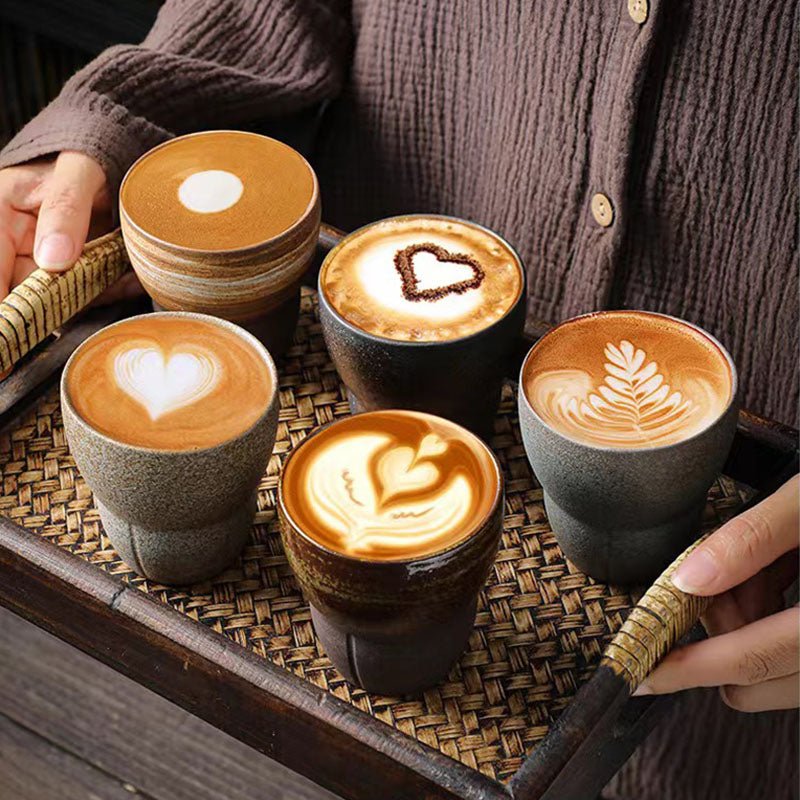
Vintage Diner Coffee Mugs: How to Choose the Right One for Daily Use
Reading time: about 10 minutes
A mug can look perfect online and still feel wrong the first morning it lands on your kitchen counter. Vintage diner coffee mugs are especially like that: the shape, weight, and rim all matter more than the print or color.
We handle mugs for daily-use shoppers every day, and the same questions keep coming up. Is the mug heavy enough to feel solid without being awkward? Does the handle leave enough room for two fingers? Will it fit under a coffee machine, or will it only work on a shelf?
If you are comparing vintage diner coffee mugs for home use, office desks, or a gift, this guide focuses on the details that actually change the experience. For shoppers who want a broader style comparison first, our post on Coffee Mugs Vintage: How to Choose the Right Style for Daily Use is a useful starting point.
What makes vintage diner coffee mugs different from other mugs?
Vintage diner coffee mugs usually borrow from the heavy, practical feel of classic restaurant drinkware. The look is simple. The body is often round or slightly tapered, the walls are thicker than a delicate teacup, and the handle is built for repeated use rather than decoration.
That “diner” feel usually means three things buyers notice right away:
- More weight in the hand. A diner-style mug often feels sturdier than thin porcelain mugs.
- A wider opening. That helps with coffee, tea, and hot chocolate, but it can cool drinks a little faster than a narrow cup.
- A practical handle. The best versions let you get a secure grip without your knuckles hitting the mug body.
In our experience, buyers love this style when they want something that feels honest and familiar. They do not love it if they want an ultra-light mug for commuting, or a small decorative cup that disappears on a shelf. Vintage diner coffee mugs are for everyday use, not for pretending to be fragile.
Which material should you choose for daily use?
Material changes the feel more than almost anything else. The right choice depends on how you actually drink coffee at home, not just how the mug looks in photos.
| Material | What it feels like | Best for | Trade-off |
|---|---|---|---|
| Ceramic | Classic, balanced, familiar | Daily coffee, tea, office desks | Can chip if knocked against sinks or counters |
| Porcelain | Smoother and a little more refined | Gift buyers, lighter drinkware fans | Usually not as rugged-feeling as diner-style ceramic |
| Stoneware | Heavier and more solid | People who want a sturdy hand-feel | Can be bulkier and may take longer to warm up |
For most shoppers, ceramic or stoneware is the sweet spot. That said, if you want something very light, a vintage diner mug may not be your best pick. A slimmer vintage cup may suit you better. We talk more about that difference in Coffee Mugs Vintage: What to Buy for Daily Use and Display.
One practical detail we always check: the glaze. A smooth, even glaze is easier to clean and usually feels better on the lips. Rough spots around the rim, tiny bubbles in the finish, or uneven color at the base are the kinds of flaws that turn an appealing mug into a mediocre one once it is in the kitchen every day.
What size works best for coffee, tea, and desk use?
Size changes more than capacity. It changes heat retention, drink pace, and whether the mug feels comfortable in the hand.
For vintage diner coffee mugs, we usually think in three practical size buckets:
- Small cups for espresso-based drinks, short pours, or tea tastings.
- Mid-size mugs for everyday drip coffee, which is where most people land.
- Larger mugs for long desk sessions, soup, or people who dislike refills.
A mug that is too large can make coffee go lukewarm before you finish it. A mug that is too small can feel more fragile and less satisfying for a full morning pour. If you use a drip machine, pay attention to the clearance under the brew head. If you use a pod machine, check the handle shape too, because some handles sit too close to the body and can make placement awkward.
We also see a lot of gifting mistakes here. People buy the style they like visually, then discover the mug is either too shallow for a proper coffee pour or too wide for a person who prefers tea. If the mug is for a gift, think about the drinker’s actual routine first.
How do you tell a good diner-style mug from one that only looks vintage?
A lot of mugs copy the look. Fewer get the feel right. That is where hands-on details matter.
In our store, we check for a few practical signs of quality before we recommend a mug to shoppers:
- Rim comfort: The drinking edge should feel smooth, not sharp.
- Handle clearance: Fingers should fit without scraping the mug body.
- Base stability: The mug should sit flat, not wobble on a countertop.
- Finish consistency: The glaze should look even, with no obvious thin spots where staining can start.
- Weight balance: A heavy base with an overly thin handle can feel awkward, especially when the mug is full.
This is also where common defects show up. Hairline cracks near the handle, uneven glazing on the inner wall, and rough feet on the base are the kinds of issues that can turn into everyday annoyances. A mug may still be usable, but it will not feel satisfying if you are the sort of person who notices details every morning.
If you want a broader checklist before ordering, our guide Diner Coffee Mugs: What Buyers Should Check Before Ordering breaks down the buying points we watch most closely.
Are vintage diner coffee mugs good for dishwasher and microwave use?
Sometimes yes, sometimes no, and the difference matters. You should always check the care guidance for the exact mug, because finish type and decoration method can change how a mug should be cleaned and heated.
In practical terms, plain ceramic mugs with simple glazing are usually easier to maintain than mugs with metallic accents, delicate decals, or specialty finishes. If a mug has gold trim or a hand-applied decorative layer, the microwave may not be the right place for it. Likewise, repeated high-heat dishwasher cycles can be hard on lower-quality prints and painted details.
Our advice is simple: if the mug is for daily use, choose one that is easy to wash without babying it. If you are buying a display piece, you can tolerate more care. But if you want something for busy mornings, office dish racks, and repeated coffee refills, choose durability over ornament.
That trade-off matters. A more decorative mug can be beautiful on a shelf and frustrating in a real kitchen. A plainer diner-style mug may be less flashy, but it usually earns its keep.
What should you buy if you want the retro diner look without hunting vintage shops?
Not everyone wants to chase flea markets or secondhand listings. Some shoppers want the look, the feel, and the practical use without the uncertainty of age, chips, or unknown wear.
That is where a modern retro-style mug makes sense. We built our own product selection around that need, and one good place to start is our Retro Coffee Tea Cup. It gives you the vintage diner feel without the guesswork that often comes with true vintage pieces.
For shoppers browsing multiple styles, the full collection is the easiest way to compare what fits your routine. If you are still deciding between a diner look and a more classic vintage silhouette, our guide Diner Style Coffee Mugs: How to Choose the Right One can help narrow the choice.
We recommend the retro route when you want:
- a consistent finish without secondhand wear,
- a mug that is easier to match as a pair or set,
- less risk of hidden cracks, staining, or uneven aging.
It is not the best choice if you specifically want authentic vintage patina, maker marks, or the charm of a true older piece. For collectors, original vintage still has its own appeal. For everyday drinkers, modern retro is often the more practical path.
How should you compare mugs before buying?
If you are comparing several vintage diner coffee mugs side by side, use the same checklist every time. It keeps you from choosing with your eyes only.
- Check the handle first. If the handle is too narrow, the mug will annoy you every morning.
- Look at the rim. A comfortable rim matters more than decorative details.
- Think about the size in your hand. Big mugs can feel reassuring or clumsy, depending on your grip.
- Match the mug to your machine. Make sure it fits under your brewer if that matters in your kitchen.
- Decide whether you want display value or daily durability. Few mugs do both equally well.
If you like a warmer, earthier look, you may also want to compare against other vintage color families. Our article on Vintage Brown Coffee Mugs: How to Choose the Right One for Daily Use is useful if your goal is a softer retro feel rather than a classic diner silhouette.
Our honest take: the best vintage diner coffee mugs are not the fanciest ones. They are the ones you stop thinking about after day three because they fit your hand, your machine, and your dish routine.
What should you expect once the mug arrives?
For a practical buyer, the unboxing matters. A good mug should arrive with a clean glaze, no obvious edge chips, and a stable base that sits properly on the table. If you are buying a pair or a gift, both mugs should feel matched in weight and finish, not just color.
Once it is in the kitchen, test it in the real places you use mugs:
- on the coffee station beside the grinder,
- under the machine or kettle you use most,
- in the dishwasher rack if you plan to wash it that way,
- on a desk where the handle and base have to work around notebooks, laptops, or chargers.
That is the difference between a pretty mug and a keeper. We have seen plenty of shoppers fall for a style that looked great on a product page but felt wrong once it met a busy counter.
Frequently asked questions
Are vintage diner coffee mugs good for everyday use?
Yes, if you want a sturdy mug with a classic feel. They are usually better for daily coffee, tea, and office use than for delicate presentation. The main drawback is weight: some people love the solid hand-feel, while others prefer a lighter cup.
What size vintage diner coffee mug should I buy?
Choose a mid-size mug if you drink standard drip coffee most mornings. Smaller sizes suit espresso drinks and tea, while larger mugs work better for long desk sessions or people who hate refills. Always check whether the mug fits your coffee machine.
Can I put vintage diner coffee mugs in the dishwasher?
Many plain ceramic mugs can handle the dishwasher, but decorative finishes and metallic accents may not. We recommend checking the care details for the exact mug before washing it on a hot cycle. If you want low-maintenance daily use, keep the decoration simple.
What is the difference between vintage and retro diner mugs?
Vintage usually means an older original piece, often with age-related wear. Retro means a newer mug designed to look like a classic diner mug. Retro is often the safer choice for daily use because it avoids hidden wear and makes it easier to replace or match.
What should I check before ordering a diner-style mug online?
Check the handle size, mug weight, rim finish, and whether the mug fits your brewer or dishwasher setup. Also look at whether you want a display piece or a daily driver. For a deeper checklist, our store guide on diner mugs is worth a read before you buy.
If you want the practical route, start by comparing the handle, size, and care notes, then browse the full collection to find the vintage diner coffee mugs that fit your routine rather than just your mood.
Read more
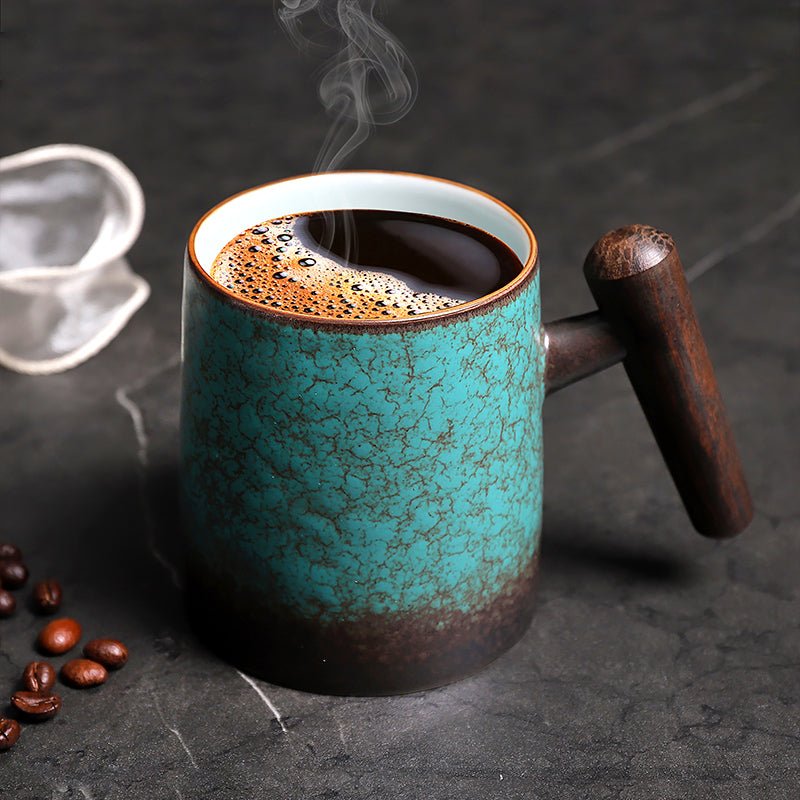
Mid Century Coffee Mugs: How to Choose the Right Daily-Use Mug
Mid century coffee mugs are a strong fit if you want a mug that looks clean on the counter and still works for daily coffee. This guide compares shape, comfort, and practical trade-offs so you can ...
Read more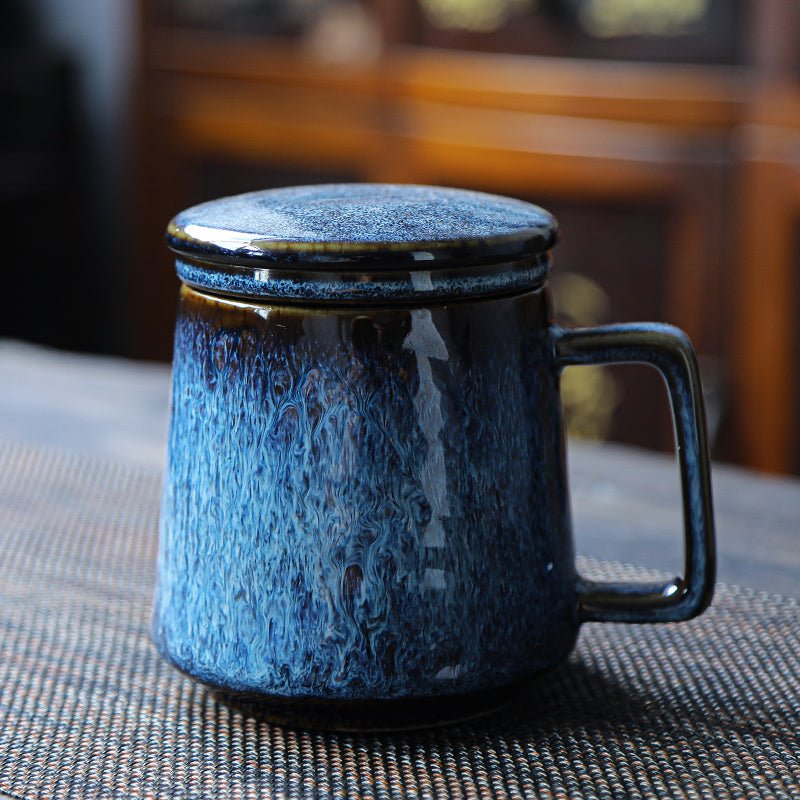
Work Coffee Mugs That Hold Up on Real Desks and in Real Kitchens
A practical guide to choosing work coffee mugs that fit desk use, breakroom routines, and everyday hand-washing. Compare three CoffeifyMug options by size, shape, and real-world trade-offs before y...
Read more
Leave a comment
This site is protected by hCaptcha and the hCaptcha Privacy Policy and Terms of Service apply.