
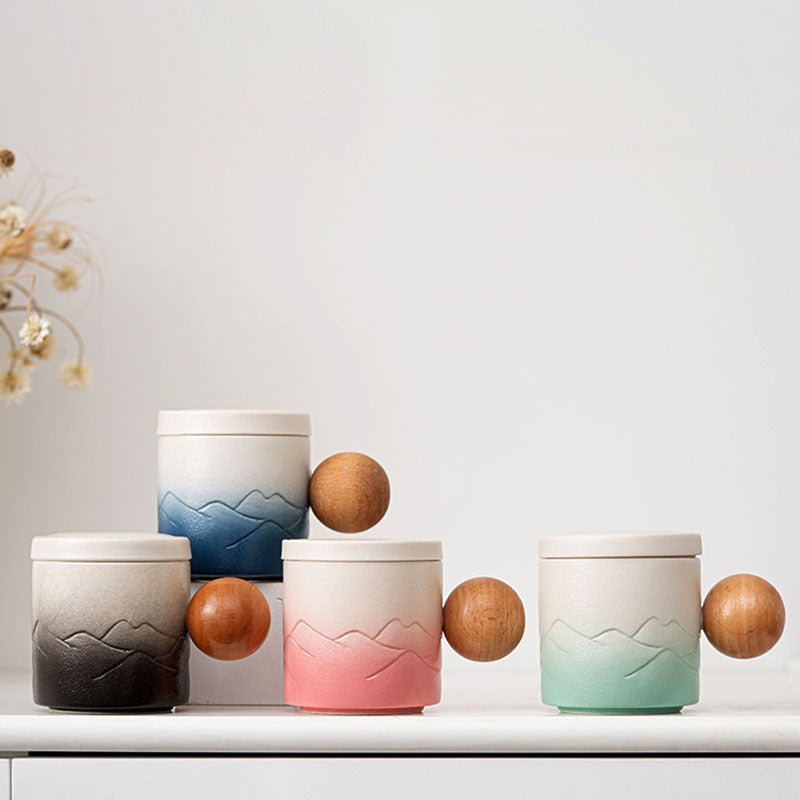
Vintage Brown Coffee Mugs: What to Buy for Daily Use
Reading time: about 9 minutes
A brown mug can look perfect on a shelf and still feel wrong in your hand. We see that all the time in our store: a shopper likes the color, but once they start thinking about handle comfort, glaze feel, and whether it can survive daily dishwashing, the choice gets more specific.
That is why vintage brown coffee mugs deserve a closer look before you buy. The right one should handle hot coffee without feeling awkward, fit under a brewer or frother if you use one, and hold up after repeated cycles in the dishwasher. Some are better for display. Others are better for long weekday mornings. A few do both.
If you want to browse current options first, start with our retro coffee tea cup or shop the wider collection. If you are comparing styles more broadly, our guides on Coffee Mugs Vintage: How to Choose the Right Style for Daily Use and Brown Coffee Mugs: Materials, Sizes, and Buying Tips cover the basics from a buying angle.
What makes vintage brown coffee mugs different from plain brown mugs?
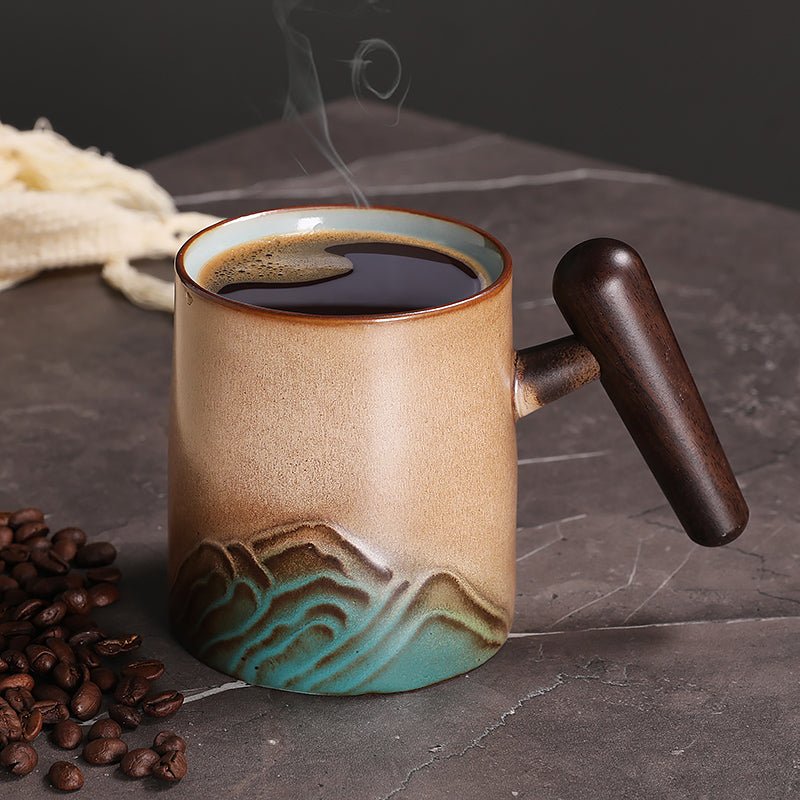
Vintage brown coffee mugs usually lean into older shapes, warmer glazes, and details that feel a little less polished than modern minimalist mugs. Think tapered walls, rounded bellies, chunky handles, speckled finishes, or a ceramic glaze that looks handmade rather than factory-flat.
That style matters because it changes the experience. A mug with a heavier base feels more stable on a desk. A rounded lip can make sipping more comfortable. A matte or textured glaze can look great, but it may show fingerprints or feel slightly rougher than a glossy interior.
In our experience, people buy this category for one of three reasons:
- They want a mug that looks good on open shelving or a breakfast tray.
- They want a warm, earthy color that works with wood, stone, or neutral kitchens.
- They want a mug that feels less generic than a standard white diner-style cup.
That said, style-first mugs are not always the best choice for heavy use. Some vintage-inspired pieces have thinner walls or decorative finishes that need gentler handling. If you are rough on dishware, focus on durability before aesthetics.
Which material is best for daily use?
For everyday coffee, ceramic is usually the safest middle ground. It holds heat well, feels substantial in the hand, and is common in vintage-inspired mugs. A glazed ceramic mug also tends to be easier to rinse clean after espresso, milk, or flavored syrups.
Here is how we think about the common material choices:
| Material | What it feels like | Best for | Trade-off |
|---|---|---|---|
| Ceramic | Solid, familiar, balanced | Daily coffee, office desks, home kitchens | Can chip if knocked against sinks or counters |
| Stoneware | Heavier, rustic, grounded | Longer heat retention, vintage look | Bulkier and sometimes less comfortable for long holds |
| Porcelain | Lighter, smoother, more refined | Tea, espresso drinks, display-friendly sets | Can feel less sturdy and may be less forgiving with impacts |
For a lot of shoppers, stoneware is the style they imagine when they picture vintage brown coffee mugs. The trade-off is weight. A thick stoneware mug feels reassuring, but if you drink several cups a day or prefer a lighter grip, that weight becomes noticeable by the second refill. If you want more detail on material trade-offs, our article Brown Coffee Mugs: Materials, Sizes, and What to Buy is a useful follow-up.
What size should you buy for coffee, tea, or latte drinks?
Size changes the whole experience. We check this with every mug we handle because the right capacity for black coffee is not always the right capacity for a milk drink.
Most buyers end up choosing one of these practical sizes:
- 8 to 10 oz for espresso-based drinks, small drip coffees, or tea.
- 11 to 13 oz for a standard daily coffee mug.
- 14 oz and above for larger pours, extra milk, or people who want one mug to last longer.
A smaller mug can make coffee feel hotter for longer because there is less exposed surface area. A larger mug is better if you add cream, oat milk, or foam, but it may feel oversized for a simple black coffee. We have also seen a common mistake: buyers choose a deep mug for latte art or milk drinks, then realize the opening is too narrow for comfortable sipping or stirring.
If you like a vintage shape but still want practical daily use, check the rim width and handle clearance. A handle that fits only two fingers can feel fine for short drinks, but it gets tiring with a full mug. A wider handle is usually easier to live with, especially on busy mornings.
How do you tell a good vintage-inspired mug from one that only looks vintage?
A good vintage-inspired mug should feel finished, not just styled. We look for the same practical signs customers should look for at home:
- Even glaze coverage on both the inside and outside, especially around the rim and handle join.
- A stable base that sits flat on a counter and does not wobble.
- A smooth drinking edge without sharp spots or rough seams.
- Handle attachment that feels secure when you lift the mug full of liquid.
- Consistent wall thickness, so the mug does not feel oddly thin in one area and bulky in another.
Small imperfections can be part of the charm in vintage styling. A slightly varied glaze or handmade feel can look better than a sterile finish. But there is a line between character and a real defect. If you see cracks in the glaze, a handle that feels loose, or a base that rocks on a flat counter, that is not the kind of “vintage” anyone wants to live with.
For shoppers who want a broader checklist before buying, our article Brown Coffee Mugs: What to Check Before Buying is a good companion read.
What care and use habits help these mugs last longer?
We always tell customers to think about the mug they will actually wash, not just the mug they will photograph. A brown mug with a deep glaze or textured surface may hide tea stains better than a pale mug, but it still needs sensible care.
Here is the routine we recommend for most ceramic or stoneware vintage-style mugs:
- Rinse soon after use if you drink coffee with syrups or milk.
- Use a non-abrasive sponge so the glaze stays smooth.
- Avoid abrupt temperature shifts, like pouring boiling liquid into a cold mug straight from a cold cabinet.
- Do not stack heavy mugs tightly if the rims are glazed and decorative; rim chips are one of the most common damage points we see.
- If the mug is dishwasher-safe, place it where it will not bang into metal utensils or other cups.
Dishwasher use is convenient, but it is not always identical across all finishes. Glossy glazed interiors tend to be easier to maintain than matte exteriors. Matte surfaces can sometimes show wear faster on high-contact edges, especially if the mug lives in a busy sink zone or gets tossed into a crowded top rack. If you want a mug for rough daily use, choose one with straightforward glazing and a sturdy body over a delicate decorative finish.
Which styles work best for gifting, desks, and kitchen shelves?
Different buyers use vintage brown coffee mugs differently, and that changes what we recommend.
For gifting: choose a mug with a clean silhouette and neutral vintage look. It feels safe, but not boring. A brown mug pairs well with coffee beans, tea, or hot chocolate, which makes it an easy gift choice when you do not know the recipient’s exact taste.
For office desks: prioritize stability and a comfortable handle. A mug that is too heavy can be annoying during long work sessions. A mug that is too narrow can tip if it gets bumped by notebooks, keyboards, or a laptop sleeve.
For open shelving: style matters more, but only if you will actually use it. A mug with a richer brown glaze, rounded profile, or retro-inspired shape can add warmth to a shelf without needing extra decor.
For everyday kitchen use: choose the mug that balances all three things: easy cleaning, comfortable grip, and a size that fits your coffee routine. The most beautiful mug is not always the one that gets used every morning.
What should you avoid if you want a mug that lasts?
There are a few problems we tell buyers to watch for. They show up more often than people expect in vintage-inspired drinkware.
- Very thin handles that look elegant but feel awkward with a full pour.
- Overly glossy dark glazes that show scratches or dust more clearly than expected.
- Decorative texture on the lip if you prefer a smooth sip.
- Mugs that are too tall and narrow for easy stirring or milk frothing.
- Heavy shapes that look nice but become tiring if you drink multiple cups a day.
These mugs are not the best fit for someone who wants a very lightweight travel-style cup, a stackable set for a cramped cabinet, or a delicate collectible that will rarely be used. If that is your situation, a simpler modern mug may be the smarter buy.
Frequently asked questions
Are vintage brown coffee mugs good for everyday use?
Yes, if they are made with a sturdy ceramic or stoneware body and a comfortable handle. The best everyday versions are easy to wash, sit flat, and do not feel too heavy after a few refills. If a mug is more decorative than practical, it may be better for display than daily use.
What size vintage brown coffee mug is best for a standard cup of coffee?
For most people, 11 to 13 oz is the easiest daily size. It gives enough room for a standard pour plus a little cream or milk without feeling oversized. If you drink smaller black coffees, 8 to 10 oz may feel better in the hand.
Can vintage brown coffee mugs go in the dishwasher?
Many ceramic and stoneware mugs can, but you should check the care guidance for the specific mug. We recommend being careful with textured or matte finishes because they can show wear sooner on high-contact areas. If you want the least fussy option, choose a mug with a smooth glazed surface and a sturdy build.
What is the difference between stoneware and ceramic for this style?
Stoneware is usually heavier and feels more rustic, while ceramic can feel a bit lighter and more balanced. Both can work well for vintage brown coffee mugs, but stoneware often gives that thick, grounded look shoppers expect from retro kitchenware. Ceramic is often the easier choice if you prefer a mug that does not feel bulky.
What should I check before buying a vintage-style mug online?
Look at the stated size, material, care instructions, and photos of the handle and rim. Those details tell you more about day-to-day use than color alone. If you want a deeper checklist, our guide Brown Coffee Mugs: Materials, Sizes, and Buying Tips breaks down the practical points we check before listing a mug.
What is the easiest next step if you want to buy one now?
Start with the mug you will actually use most mornings. If you want a retro look with practical daily value, compare the handle shape, capacity, and care instructions first, then decide whether you want a heavier stoneware feel or a lighter ceramic feel.
If you are ready to shop, we recommend beginning with our retro coffee tea cup and then comparing it against the rest of our collection. If you are still narrowing it down, use this quick checklist: mug size, handle comfort, glaze finish, dishwasher handling, and whether the style is meant for daily use or display.
Read more
V8 Engine Coffee Mug Buying Guide: What to Check Before You Buy
A practical guide to choosing a v8 engine coffee mug, with real buying trade-offs, material notes, and a few styles that work well as gifts or desk mugs.
Read more
Winter Coffee Mug Buying Guide: What to Look For Before You Buy
A practical guide to choosing a winter coffee mug that feels good in hand, holds heat well, and fits your routine. We compare handle styles, materials, sizes, and real trade-offs so you can choose ...
Read more
Leave a comment
This site is protected by hCaptcha and the hCaptcha Privacy Policy and Terms of Service apply.