
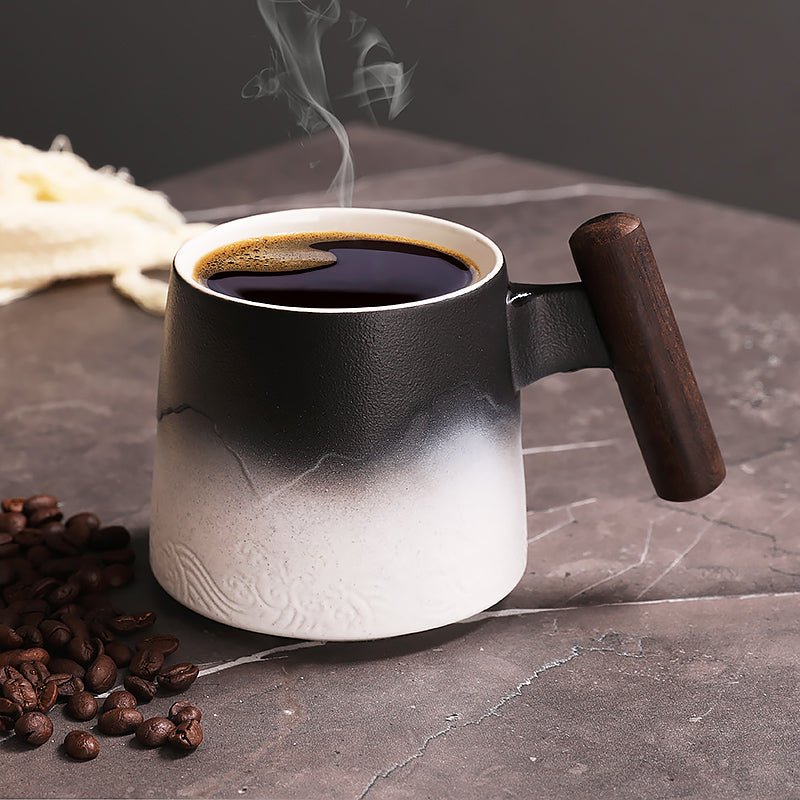
Ugly Mug Coffee House: What to Check Before Buying
Reading time: about 9 minutes
A mug can look right on a product page and still feel wrong after the first pour. The handle pinches, the rim feels too thin, or the cup turns out to be smaller than the coffee habit it was supposed to support.
That is the real issue behind an ugly mug coffee house search. Most buyers are not just looking for a joke mug. They want something with personality that still works on a kitchen counter, at an office desk, or during the first rushed cup of the morning.
If you are comparing options, start with our full collection or browse the product lineup once you know the size and feel you want.
What are buyers really looking for in an ugly mug coffee house mug?
In practice, buyers usually want a mug that feels a little blunt, a little funny, or a little offbeat without becoming annoying to use. The best versions are not decorative objects that live on a shelf. They are daily mugs that can handle real coffee, real dish cycles, and real hand sizes.
In our store, we see the same pattern over and over. The shopper wants personality, but they still care about comfort, weight, and whether the mug will survive normal use. That is why we treat an ugly mug coffee house mug like a functional purchase first and a novelty second.
If you want a wider view of the comfort side of the category, our related post Ugly Mug Coffee: How to Choose a Mug That Feels Good to Use covers the hand-feel question from a different angle.
The trade-off is simple. A chunkier mug can feel substantial and stable, but it may also be heavier when full. A lighter mug is easier to lift, but it can feel less solid on a desk and may not hold heat as long.
What should you check before you order one?
We look at the same practical details before recommending any mug. These are the points that decide whether a mug is pleasant to use or irritating by the third refill.
- Capacity: Check whether the listed size matches your actual drink. A mug that looks generous in photos can still be tight once you add milk, sugar, or foam.
- Handle clearance: Make sure the handle opening is large enough for your fingers. A narrow handle can make a simple mug feel awkward every single day.
- Rim shape: A smoother rim is usually more comfortable than a sharp or uneven one, especially if you drink straight coffee without a lid.
- Base and foot ring: A flat, stable base helps prevent wobble on a desk. If the foot ring is rough or uneven, it can scratch surfaces.
- Finish and glaze: Look for a clean glaze line, even color, and a surface without obvious pits or bumps where coffee residue can collect.
- Care instructions: If the mug will be used daily, check whether it is dishwasher safe and whether hand washing is recommended for printed designs.
A few common defect modes are easy to miss in product photos. We watch for crooked handles, glaze drips that reach the drinking edge, rough raw spots on the underside, and hairline marks that suggest stress during firing or shipping. Those details matter more than the joke on the mug.
If you are comparing a mug with a similar style guide, the article Ugly Mugs Coffee House: What Buyers Should Look For Before Ordering is a useful companion read.
Which size fits a normal coffee routine best?
Most buyers narrow the ugly mug coffee house search once they decide on size. That is where the purchase usually becomes obvious or falls apart. A mug can look perfect, but if it is too small for your pour-over or too large for a quick black coffee, it will miss the mark.
| Common size | Best for | Trade-off |
|---|---|---|
| 10 oz | Smaller black coffee, espresso-based drinks, tighter desk setups | Less room for milk, foam, or a second pour |
| 11 oz | Everyday drip coffee and the most balanced all-around use | Not as roomy for heavy add-ins or very large servings |
| 12 oz | Larger morning coffee, room for creamer, and more flexible serving sizes | Can feel bulky if you only drink a small cup |
For buyers who want to compare size behavior more closely, we keep separate guides for 10 oz coffee mugs, 11 oz coffee mugs, and 12 ounce coffee mugs. That is usually where the real decision gets made.
One limitation is worth calling out. If you want a mug for long car commutes, a standard ceramic cup is not the right category. You will be happier with a travel tumbler that has a lid and better spill control.
Which materials and finishes hold up best in real use?
Material matters because it changes weight, heat retention, and the feel of the mug in your hand. It also changes how easily the mug shows marks from everyday use. We see shoppers focus on the print, but the body of the mug does most of the work.
| Material | What it feels like | Good for | Watch out for |
|---|---|---|---|
| Stoneware | Thicker, more substantial, usually with a sturdy hand feel | Desk use, home kitchens, buyers who like a heavier mug | Can feel heavy when full |
| Ceramic | Common all-purpose option with balanced weight | Everyday coffee and general gifting | Quality varies, so check the rim, glaze, and base carefully |
| Porcelain | Lighter and smoother with a more refined feel | Buyers who want a cleaner, more polished look | Can feel less forgiving if you prefer a thick, sturdy cup |
For an ugly mug coffee house mug, stoneware and ceramic usually make the most sense because they balance personality with daily practicality. Porcelain can be a good fit if you want something lighter and more delicate-looking, but it is not always the best choice if you tend to drop mugs into sinks, stack them tightly, or hand them off to other people in the office kitchen.
A smooth glaze is also worth more than it sounds. It makes cleaning easier, helps reduce coffee staining, and gives the mug a more finished feel. In our experience, a mug with a clean interior glaze and an even foot ring holds up better on a kitchen counter and looks better when it is unboxed as a gift.
If the mug has printed text or artwork, check whether the design sits flat on the surface or looks raised and fragile. Raised decoration can add texture, but it can also wear differently over time if the mug is washed hard and stacked with other dishes.
What quality problems do we check for before recommending a mug?
We pay attention to the kinds of problems that annoy real buyers after the checkout confirmation is already gone. The issue is rarely dramatic. It is usually a collection of small flaws that make the mug feel cheaper than it should.
- Handle alignment: A handle that sits off-center makes the mug feel unbalanced.
- Glaze consistency: Uneven glaze or visible pinholes can collect stains and reduce the polished look.
- Interior finish: A rough interior can be harder to rinse clean and may hold coffee residue.
- Foot ring condition: A chipped or rough underside can scratch shelves and countertops.
- Shipping resilience: A good mug still needs enough packing protection to survive the trip from shelf to kitchen.
That is why we often point buyers to The Cracked Mug Coffee House: What Buyers Should Know when they are worried about durability or visible flaws. It is a useful reminder that a crack, chip, or hairline defect is not just cosmetic on a mug. It changes the whole buying decision.
A mug is not a great choice if you want a sealed container or a format that can slide into a bag without a second thought. Ceramic mugs are for desks, counters, and tables. They are not for commute-proof carry.
Is an ugly mug coffee house mug a good gift or office mug?
Yes, but only for the right person. As a gift, this style works best when the recipient likes coffee and does not mind a mug with a little personality. It feels thoughtful because it is specific. It does not feel generic. That said, if the person prefers minimal kitchenware or never uses open cups, a mug gift may not get much use.
For office use, the stronger mug is the one with a stable base, an easy-to-grip handle, and a size that fits the coffee machine or the break room routine. If a mug is too tall for the drip area or too wide for the shelf, it becomes annoying quickly. That is why some buyers cross-check shape and feel with Waffle House Coffee Mug: What Buyers Should Check Before Ordering, even if they are shopping a different style. The same ergonomic questions come up again and again.
We also see a clear split between home buyers and office buyers. Home buyers often accept a heavier, more expressive mug. Office buyers usually want something quieter, easier to clean, and less likely to get mixed up with everyone else’s cup. If the mug will sit on a desk all day, a sturdy ceramic or stoneware body usually makes more sense than a fragile-looking novelty shape.
What it is not good for: high-motion travel, tiny car cup holders, or anyone who wants a lid and a sip-top. That is a different product category.
Frequently asked questions
Is an ugly mug coffee house mug dishwasher safe?
It depends on the exact mug and finish. If the listing says dishwasher safe, we still recommend checking whether the design is printed, raised, or metallic, because those details can change how it should be washed. When there is any doubt, hand washing is the safer route for long-term appearance.
What size is best for everyday coffee?
An 11 oz mug is usually the most flexible middle ground for daily coffee. A 10 oz mug works well if you drink smaller servings or black coffee, while 12 oz gives more room for milk or a larger pour. The right size depends on how much coffee you actually serve, not just the look of the cup.
How do I know if the handle will feel comfortable?
Check the photos for handle thickness, opening size, and how far the handle sits away from the mug body. A good handle gives enough room for two to three fingers without forcing your grip. If the product photos make the handle look narrow or flat, that usually translates into a less comfortable hold.
Is this mug style good for office desks?
Yes, if it has a stable base and a size that fits your coffee habit. It is less suitable if you need a lid, want to carry it between meetings, or have very limited desk space. For offices, practical details matter more than novelty because the mug will be used repeatedly.
What should I compare before buying from your store?
Start with size, material, handle comfort, and care instructions. Then compare the finish and whether the mug is better suited to home use, desk use, or gifting. If you want to see the broader range, the fastest next step is our all products collection.
If you are narrowing the choice now, compare the mug body, handle feel, and care notes side by side, then use our size guides for 10 oz, 11 oz, and 12 oz mugs to pick the one that actually fits your routine.
Read more
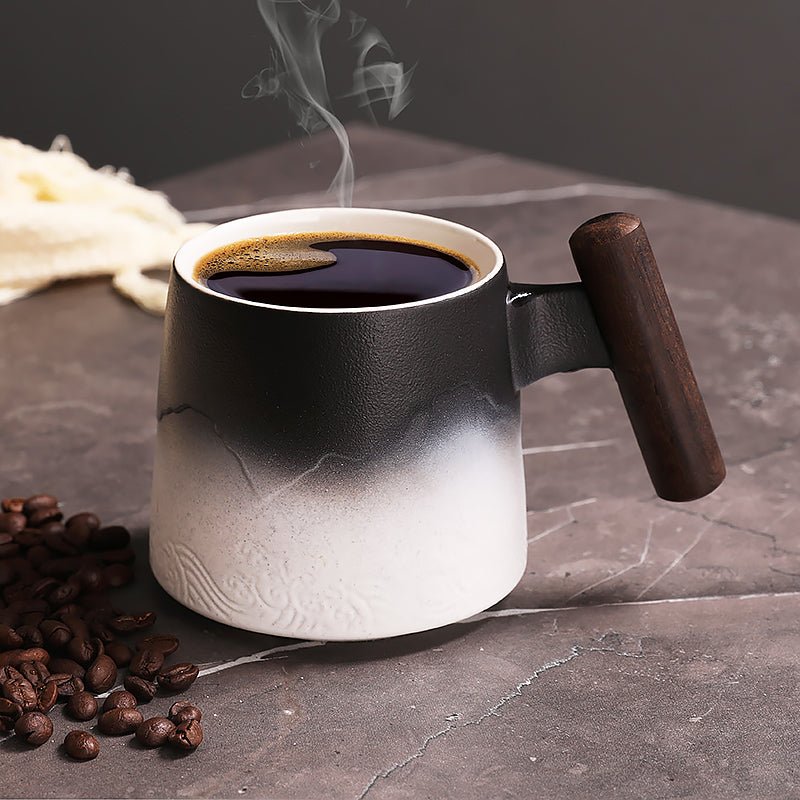
Insulated Ceramic Coffee Mug: What to Check Before You Buy
An insulated ceramic coffee mug is a strong pick for desk coffee, slower sipping, and buyers who care about taste and feel. Here’s what to check before you choose one, and when a different mug is t...
Read more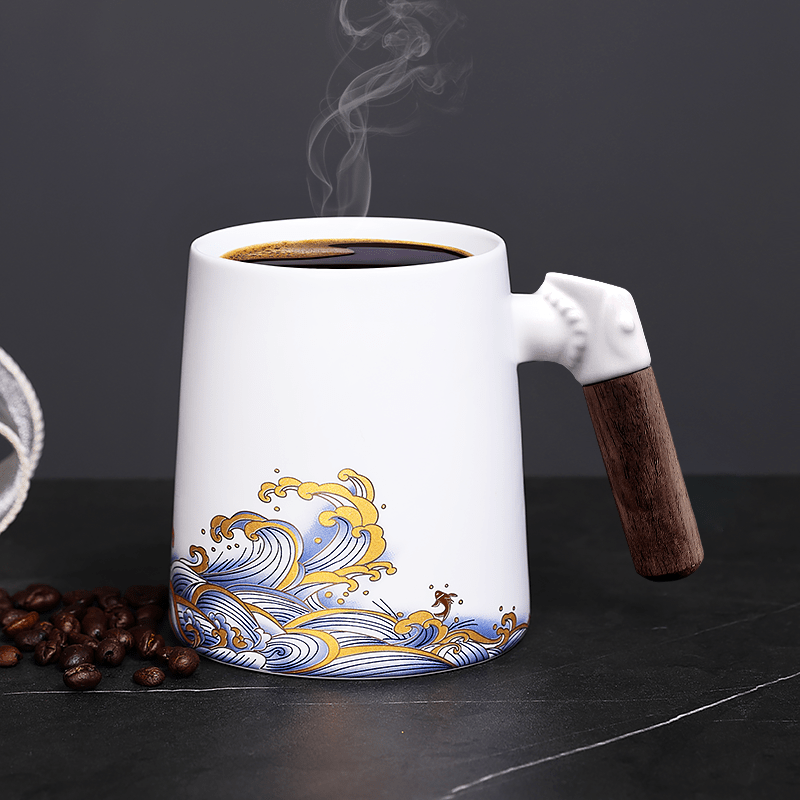
White Coffee Mug Buying Guide: What to Check Before You Buy
A white coffee mug looks simple, but the details decide whether it feels solid in daily use or annoying by week two. We break down size, material, finish, care, and the trade-offs that matter befor...
Read more
Leave a comment
This site is protected by hCaptcha and the hCaptcha Privacy Policy and Terms of Service apply.