
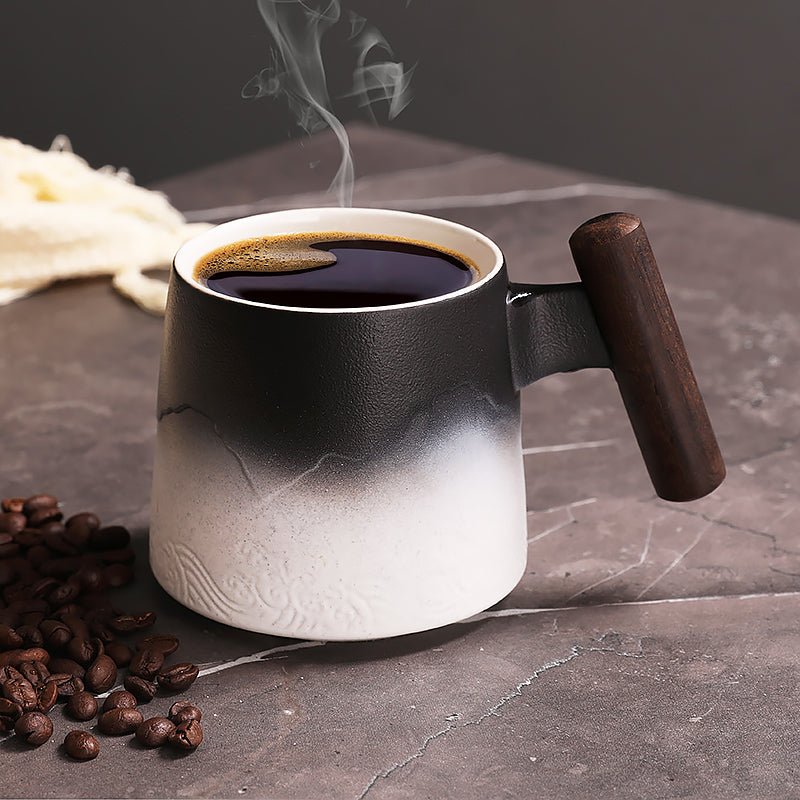
To Go Coffee Mugs for Commutes, Desks, and Daily Carry
Reading time: about 9 minutes
A mug that looks good on a product page can still fail the first real test: a cold car holder, a crowded desk, or a bag that tips halfway through the morning commute. We see that difference every day in how customers actually use to go coffee mugs.
The right pick is usually less about the label and more about the details. Lid seal. Wall construction. Size. How easy it is to clean after milk, tea, or a second refill. In our store, we look at these mugs the same way a buyer does after the first week of use, not just when they are brand new. If you want a broader starting point, our product collection is the fastest place to compare the current lineup, and our all products collection is useful if you want to browse beyond travel-style options.
What should a good to go mug actually do?
A solid travel mug should solve three problems at once: it should hold the right amount of coffee, keep the drink stable while you move, and stay comfortable to carry. That sounds basic, but many mugs miss at least one of those jobs.
We usually break the category into a few practical traits:
- Leak resistance: A lid should close securely enough for a commute, not just a desk carry from the kitchen to the office.
- Temperature control: Insulated walls help hot coffee stay drinkable longer, while single-wall mugs are better for quick use and lighter carry.
- Grip and balance: A mug that is too tall, too heavy, or too slippery becomes annoying fast in a car or train.
- Cleaning access: Wide openings are easier to wash, especially after milk drinks, flavored syrups, or a daily espresso-and-water routine.
That is why our advice is always to choose the mug for the routine first, not just the look. A good desk mug is not always a good bag mug. A good car mug is not always the best office mug.
Which size works best for commuting and desk use?
Size is one of the easiest places to make a wrong call. A mug that is too small means extra refills. One that is too large can be awkward in cup holders and harder to drink from cleanly.
For buyers comparing common capacities, these are the trade-offs we see most often:
| Size | Best for | Trade-off |
|---|---|---|
| 8 oz | Short coffee breaks, espresso-based drinks, compact desk setups | Not enough for long commutes or all-morning sipping |
| 12 oz | Standard coffee servings, smaller bags, everyday carry | Can feel limiting if you refill less often |
| 16 oz | Longer commutes, full drip coffee, office use | Heavier when full, and some lids sit taller |
| 20 oz | People who drink slowly or want fewer refills | May be bulky for compact cup holders or small hands |
If you are deciding between those everyday sizes, our size-focused guides can help: 12 oz Coffee Mugs: What to Check Before You Buy, 16 oz Coffee Mugs: What to Check Before You Buy, and 20 Ounce Coffee Mugs: What Buyers Should Check Before Ordering. For smaller servings, we also cover 8 Ounce Coffee Mugs: What Buyers Should Check Before Ordering.
Our practical rule: choose 12 oz if you want a lighter daily carry, 16 oz if you drink a full mug at work, and 20 oz only if you know you will use the extra capacity. Bigger is not automatically better. A mug that is too large often feels clumsy in a commuter bag and can be annoying on a crowded desk.
Which materials and lids hold up best?
The material matters more than most shoppers expect. It affects weight, feel, heat retention, and how likely the mug is to pick up flavors over time.
In everyday use, we usually see three common material paths:
- Stainless steel: Best for durability and temperature control. It is the most common choice for commuters who want a tougher exterior and better heat retention.
- Ceramic: Better for desk use and office routines where taste matters more than portability. Ceramic usually feels nicer to sip from, but it is less forgiving if it gets knocked over.
- Plastic or composite lids: Common across many travel mugs. The lid is often the first point of failure, so the fit and seal matter more than the body material alone.
We pay attention to lid design because that is where real-world problems show up first. A slider lid can be easy to use with one hand, but it may trap residue around the edges if you drink sweetened coffee. A snap-close lid can travel well, but if the gasket is loose or misaligned, it can drip into a laptop bag. That is the kind of defect mode customers only notice after a few uses.
If you like reading before you buy, our related post Coffee on the Go Mugs: What to Buy for Commutes and Desk Use breaks down the daily-use side in more detail, while Go Coffee Mugs: How to Choose the Right Travel Mug for Daily Use covers the everyday trade-offs we see most often.
What details do buyers usually miss before ordering?
Most returns and regrets come from small details, not big ones. We recommend checking the following before you commit:
- Lid clearance: Make sure the lid does not add so much height that the mug stops fitting under a coffee machine or in a cup holder.
- Drink opening size: A narrow opening reduces spills, but it can feel awkward if you want a normal coffee sip instead of a slow drip.
- Cleaning method: If the mug needs hand washing only, be honest about whether you will actually keep up with that routine.
- Seal quality: Look for a lid that closes evenly and does not wobble. Uneven lids are a common source of leaks.
- Handle or no handle: A handle helps at a desk, but it can make a mug bulkier in a bag.
Dishwasher cycles are another practical issue. Some mugs and lids hold up fine in daily washing; others are better treated more gently to protect the seal and finish. Even when a listing says a mug is easy to clean, we still advise checking whether the lid has small channels or gaskets that may need occasional attention. Those are the spots where coffee oils build up first.
Our store perspective: the best to go coffee mugs are the ones that disappear into your routine. If you keep thinking about the lid, the leak risk, or the size every morning, the mug is probably working against you.
How do you keep coffee tasting right in a travel mug?
Flavor is the part people notice once the practical questions are settled. A mug that holds heat well but traps old coffee smell will still disappoint after a few days.
These habits make the biggest difference:
- Rinse the mug soon after use instead of letting coffee dry overnight.
- Clean the lid and gasket separately when possible.
- Skip overly strong detergents if the mug has a finish that can hold odors.
- Do not leave milk drinks sitting in the mug for hours.
- Let the mug dry fully before sealing it in a bag or cabinet.
We have found that taste problems often start with the lid, not the cup. That is why a mug with a removable gasket or an easy-to-access drinking channel is usually easier to live with than a design that looks sleek but hides residue in tight corners. If you want more help choosing a day-to-day mug, the guide Starbucks Coffee Mugs to Go: What Buyers Should Check Before Ordering is useful for shoppers comparing style against practicality.
Which to go coffee mugs make the most sense for different buyers?
We do not think there is one best mug for everyone. The right choice depends on how you move through the day.
- For commuters: Choose a leak-resistant insulated mug with a secure lid and a shape that sits well in a car cup holder.
- For office desks: A ceramic or insulated mug with an easy sip opening works well, especially if you refill often.
- For bag carry: Keep the shape compact and the lid simple. Fewer moving parts usually means fewer problems.
- For gift buyers: Prioritize a style that is easy to understand at unboxing. People appreciate a mug that feels solid immediately, not one that requires a learning curve.
What a travel mug is not good for: it is not the best choice if you want a wide open mug for latte art, if you want to microwave your drink in the same vessel, or if you prefer a heavy ceramic feel at home. A to go mug is built for portability first. If portability is not the priority, a standard mug may actually be the better buy.
If you are ready to compare options, the fastest route is to start with our products page and narrow by size, lid style, and daily use case. That is usually easier than chasing features in isolation.
Frequently asked questions
What size to go coffee mug is best for daily commuting?
For most commuters, 12 oz or 16 oz is the sweet spot. Twelve ounces keeps the mug lighter and easier to carry, while 16 oz gives you more room for a full coffee without feeling oversized. If your cup holder is tight or your bag space is limited, start smaller.
Are stainless steel to go coffee mugs better than ceramic?
Stainless steel is usually better for travel because it is tougher and holds heat more reliably. Ceramic often tastes cleaner and feels better on a desk, but it is less forgiving in transit. If you are carrying coffee in a bag, stainless steel is usually the safer choice.
How do I know if a mug lid will leak?
Look for a lid that closes evenly, locks or seals firmly, and has a design that is clearly made for transport rather than just sipping. In practice, the lid is where most leaks happen, especially around the gasket and drinking opening. If you plan to move around a lot, do not buy a mug with a loose or decorative lid.
Can I put a travel mug in the dishwasher?
Some mugs and lids can handle dishwasher use, but not all parts age the same way. Lids with seals, sliders, or gaskets often need more careful cleaning than the cup body. Check the care instructions for the specific mug before assuming it is fully dishwasher safe.
What is the best mug for coffee that I sip slowly at my desk?
A 12 oz or 16 oz mug with a comfortable lid opening usually works best. If leak resistance matters less than taste and easy sipping, a desk-friendly design can be more practical than a hard-core travel mug. For buyers who mostly stay in one place, the comfort of the sip often matters more than maximum insulation.
If you want a quick next step, compare your preferred size against your commute setup: cup holder, bag space, and how long you actually keep coffee warm. Then start with our all products collection or revisit the size guides before ordering the mug that fits your routine, not just the photo.
Read more
Zojirushi Coffee Travel Mug: What Buyers Should Check Before Buying
A practical buyer’s guide to choosing a Zojirushi coffee travel mug, with the trade-offs, features, and real-world checks that matter before you buy.
Read more
Coffee Mug Starbucks: What Buyers Should Check Before Ordering
A practical buyer's guide to coffee mug Starbucks searches: sizes, materials, care, and the details that decide whether a mug gets used daily or stays on a shelf.
Read more
Leave a comment
This site is protected by hCaptcha and the hCaptcha Privacy Policy and Terms of Service apply.