
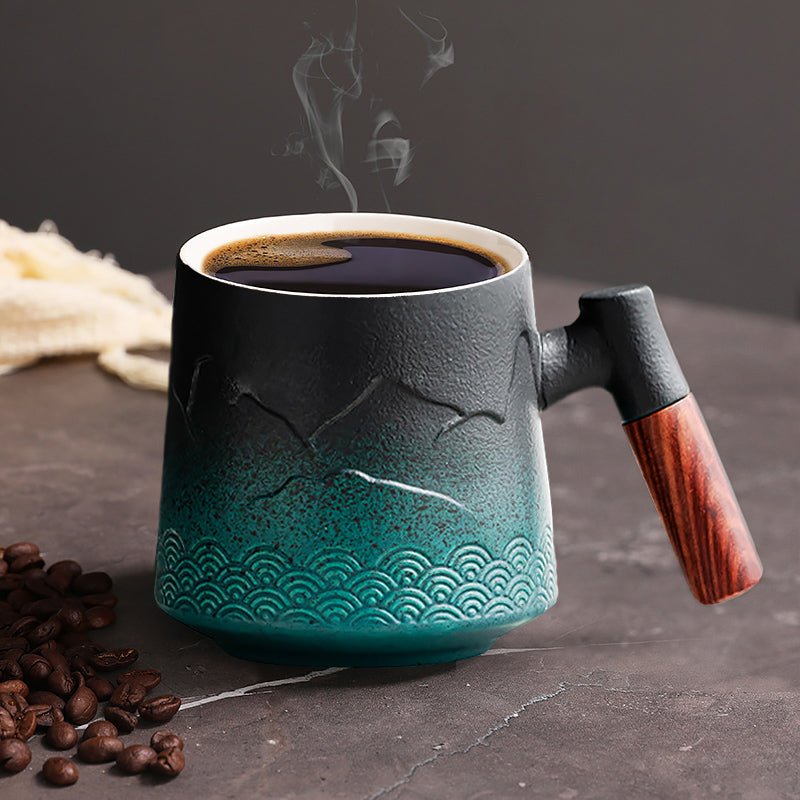
Tea Handle Buying Guide: Comfort, Grip, and Real-World Trade-Offs
Reading time: about 8 minutes
A mug can look perfect on a product page and still feel wrong after the second refill. We see that mismatch a lot in our store: the cup looks right, but the tea handle is too tight, too slippery, or awkward once your hand is actually around it.
That is why we treat a tea handle as a functional part of the mug, not decoration. The right shape changes how hot the cup feels in your hand, how steady it is on a desk, and how comfortable it is to lift while answering email, reading, or unboxing a gift you plan to keep.
If you are comparing styles before buying, our broader Tea Handle Buying Guide: What to Check Before You Buy is a useful companion. For shoppers choosing a gift or a daily-use mug, Best Tea Mugs for Daily Use: Size, Shape, and Materials also helps narrow the field quickly.
What should a tea handle feel like in daily use?
A good tea handle does three jobs at once. It gives you enough room for a comfortable grip, it keeps your knuckles away from the hot body of the mug, and it helps the cup stay balanced when it is full.
In practice, we look for details that matter in real kitchens and offices:
- Finger clearance: Two fingers should fit without scraping the mug body or forcing your hand into a cramped angle.
- Balance: A filled mug should lift cleanly, not tip toward the handle or feel like the weight is all on one side.
- Heat separation: The handle should reduce heat transfer enough that you are not adjusting your grip every few sips.
- Grip confidence: If you drink tea while walking between rooms or carrying a laptop, the mug should feel stable, not fiddly.
This is where a tea handle can make or break the experience. A pretty silhouette is nice, but if the opening is too narrow for your fingers or rings, that beauty stops being useful very quickly.
Which tea handle style fits your routine?
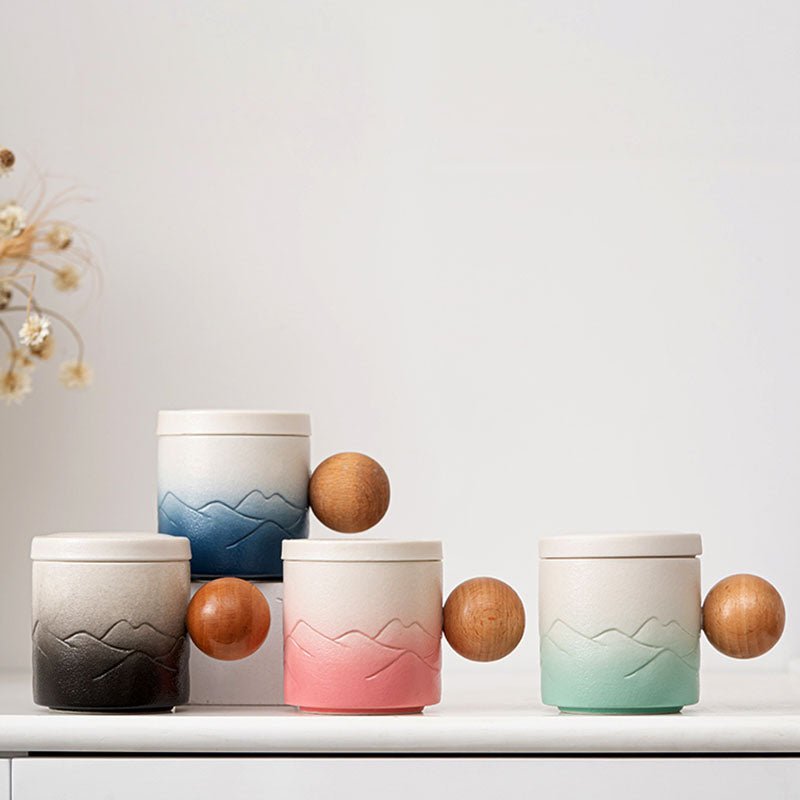
Different handle shapes solve different problems. We list a few styles in our store because there is no single right answer for everyone. If you like the look of a wooden handle, start with the Mountain Sea II Coffee Tea Mug with Wooden Handle and the The Cloud Coffee Tea Mug Wooden Handle. If you prefer a more tactile grip, the Ball Handled Coffee Tea Mug gives you a different hand position entirely.
| Handle style | What it does well | Trade-off | Best for |
|---|---|---|---|
| Wooden handle | Feels warmer in the hand and adds a natural contrast to ceramic | Needs a little more care than an all-ceramic mug | Desk tea, gifting, and buyers who want a softer visual look |
| Ball handled | Offers a distinct pinch grip and can feel steady for shorter holds | May feel unfamiliar if you are used to a standard loop handle | People who like a tactile, slightly more sculptural mug |
| Classic ceramic loop | Simple, familiar, and easy to match with most mug bodies | Can feel warmer against the fingers if the mug is filled very hot | Everyday use when you want the most standard shape |
For many buyers, the real decision is not style alone. It is how that style behaves on a kitchen counter at 7 a.m., on a desk beside a keyboard, or when the mug is being handed to someone as a gift and you want it to feel thoughtful the first time they lift it.
What do buyers overlook before ordering a tea handle mug?
The biggest mistakes are usually small ones. They are not dramatic, but they are the ones people notice after the mug arrives.
- Opening size: If you wear rings or have larger fingers, a handle that looks fine in photos can feel tight in real use.
- Handle-to-body clearance: Some mugs leave too little space between the handle and the cup wall, which presses your knuckles against a hot surface.
- Attachment seam: A rough join where the handle meets the mug body can feel unfinished and is worth checking closely.
- Weight distribution: A handle can look balanced while the mug itself feels top-heavy once full.
- Finish around the joint: On mixed-material mugs, a poor finish near the connection point can age faster than the rest of the cup.
We also think about common defect modes before we list a mug: wobble at the handle, sharp edges at the join, visible hairline cracks near the attachment area, or a finish that does not hold up to normal day-to-day washing. Those are the details that affect long-term satisfaction more than a glossy product shot does.
If you want a second filter while comparing options, browse our all collection and look at handle opening, material mix, and overall balance side by side. For readers who want a tighter buying checklist, Best Tea Mug: What to Buy for Daily Tea, Desk Use, and Gifts is a good next stop.
Are wooden handles better for hot tea?
Wooden handles solve a real problem: they usually feel less cold or heat-prone in the hand than a plain ceramic loop. That can make a difference if you drink strong tea that stays hot for a while or if you move slowly through a long work session and keep picking the mug up and setting it down.
We like wooden handles for buyers who want a warmer visual and a more natural feel. The trade-off is simple. Wood asks for a bit more care, and it is not the best choice for someone who wants a mug they can ignore after washing. If you prefer to leave mugs soaking, throw everything into a dishwasher without checking the finish, or use one cup hard all day every day with no thought to care, a wooden handle is probably not your best match.
That is not a flaw. It is a fit question. Some buyers want a mug they can baby a little because the feel in hand matters. Others want a no-fuss workhorse. A tea handle should match the owner, not the other way around.
How should you care for a tea handle after daily use?
Good care is mostly about avoiding the small mistakes that shorten the life of the handle first. We recommend treating the handle as the part most likely to show wear early, especially on mugs that combine materials.
- Wash the mug soon after use so tea residue does not sit on the handle area or around the join.
- Dry the handle completely, especially where a wooden part meets ceramic.
- Avoid leaving any wooden component in standing water.
- Do not scrub a finished handle with an abrasive pad unless the maker specifically allows it.
- Check for cracks, wobble, or a rough seam before using a mug with very hot tea.
Those steps sound basic, but they are exactly what keep a tea handle comfortable over time. In our experience, the mugs that age best are the ones that are cleaned promptly and dried properly, not the ones that are left to sit in the sink until later.
Which mug should you choose if you are buying from CoffeifyMug?
If you want to compare our current options quickly, start with the full collection and then narrow by handle style. That is the fastest way to see whether you are really choosing a wooden handle, a ball handle, or a more traditional shape.
For a practical starting point, here is how we would sort the current picks:
- Mountain Sea II Coffee Tea Mug with Wooden Handle for buyers who want the wooden-handle look with a grounded, everyday feel.
- The Cloud Coffee Tea Mug Wooden Handle for shoppers who want the same material idea in a different visual profile.
- Ball Handled Coffee Tea Mug for anyone who prefers a more sculpted grip and does not want the standard loop-handle feel.
If you are buying for a person who is rough on kitchenware, a fully minimal, all-purpose mug may be the safer path. If you want a piece that feels more considered on a desk or in a gift box, a distinctive tea handle is usually the better choice.
Frequently asked questions
Is a wooden tea handle comfortable for long tea sessions?
Usually yes, if the handle shape gives enough room for your fingers and the mug feels balanced when full. A wooden tea handle is often chosen for the warmer feel and the more natural look. If you keep picking the mug up over a long workday, comfort depends as much on handle clearance as on the material itself.
Can I put a tea handle mug in the dishwasher?
That depends on the mug's materials and finish. If the handle includes wood or another mixed material, we usually recommend checking the care guidance carefully and not assuming it belongs in every dishwasher cycle. Heat, detergent, and prolonged moisture can age a handle faster than the cup body.
What tea handle size is best if I have larger fingers or wear rings?
Look for a handle opening that leaves room on both sides of your fingers, not one that only just fits. If the gap looks tight in photos, it will probably feel tighter in real life. A slightly larger opening is usually the safer choice for comfort.
Is a ball handled mug better than a regular loop handle?
It depends on how you hold your mug. A ball handled mug can feel more controlled and more distinctive in the hand, but some people prefer the familiar loop shape because it is easier to judge at a glance. If you like a more tactile grip, the ball handle is worth considering.
What should I check before buying a tea handle mug online?
Check the handle opening, the distance between the handle and the cup body, the material at the joint, and the overall balance of the mug. Those details matter more than a styled photo. If the mug is a gift, also think about care expectations so the recipient will actually enjoy using it.
If you are ready to narrow the field, compare the handle opening, material mix, and care needs in our all collection, then pick the mug that matches how you really drink tea, not how you imagine using it once in a while.
Read more
Mug Wood Buying Guide for Daily Use, Care, and Fit
We break down what mug wood means in real use, what to check in the handle, finish, and wash care, and which styles are better for desks, gifts, and everyday coffee.
Read more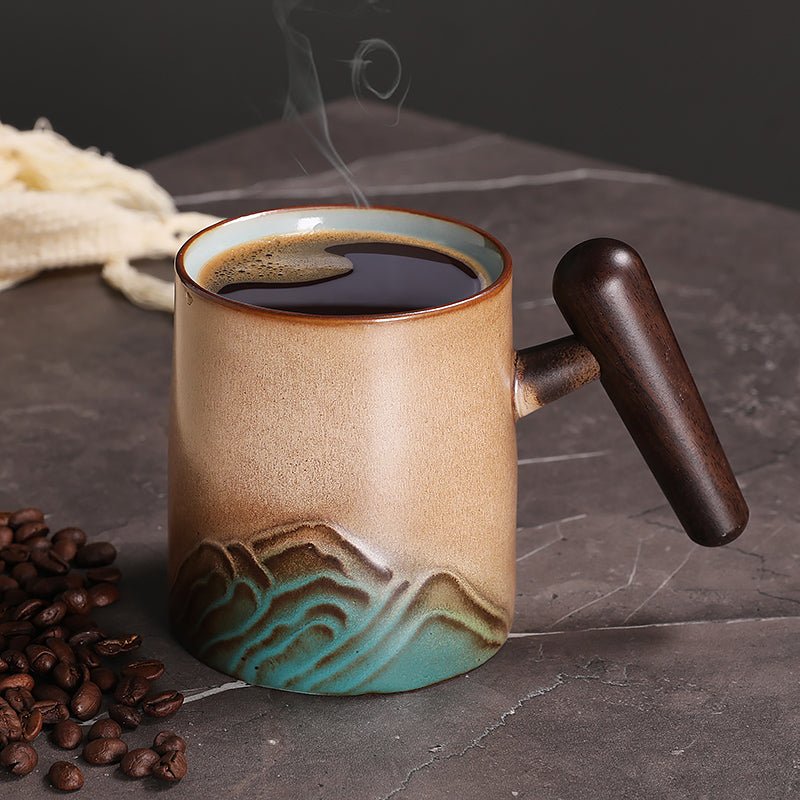
Beer Coffee Mugs: Size, Shape, and Buying Guide
Beer coffee mugs work best when the size, handle, and material fit how you actually drink. This guide covers the trade-offs we see in real kitchens, offices, and gift orders.
Read more
Leave a comment
This site is protected by hCaptcha and the hCaptcha Privacy Policy and Terms of Service apply.