

Starbucks Coffee Mugs to Go: What Buyers Should Check Before Ordering
Reading time: about 10 minutes
A mug that looks good on a shelf can still fail at 8 a.m. in the car. We see this all the time with shoppers looking for starbucks coffee mugs to go: they want the familiar coffee-shop style, but they also need a mug that closes cleanly, fits a cup holder, and survives real daily use.
In our store, we look at travel mugs the way buyers actually use them — on kitchen counters, in office bags, and during rushed gift unboxings where nobody wants a leak on the first day. That practical view matters, because the best mug for a desk is not always the best mug for a commute. If you want a wider side-by-side view of everyday carry options, our Coffee on the Go Mugs: What to Buy for Commutes and Desk Use guide is a useful companion.
This article focuses on what to check before you buy, what trade-offs to expect, and when a different style makes more sense.
What makes a Starbucks-style travel mug worth buying?
Most shoppers are really looking for three things: a familiar coffeehouse look, practical size, and a lid that behaves well under pressure. The category covers a lot of ground, from insulated stainless steel tumblers to ceramic mugs with travel lids, but not all of them handle the same job.
Here’s the short version from our experience handling this category:
- Stainless steel travel mugs are the best fit for long commutes and temperature retention.
- Ceramic to-go mugs feel more like a café cup and work better at desks than in moving cars.
- Plastic or lightweight composite mugs can be easier to carry, but they usually trade off heat retention and premium feel.
If you are comparing broader styles, our Go Coffee Mugs: How to Choose the Right Travel Mug for Daily Use article covers the everyday features that matter most, especially for shoppers who use one mug both at home and on the road.
The biggest mistake we see is buying for the brand look first and the lid function second. A mug can look great in photos and still be frustrating if the sip opening splashes, the slider loosens, or the lid threads feel gritty after a few washes.
Which material works best for daily commuting?
Material affects everything: how the mug feels in your hand, how hot it stays, how easy it is to clean, and how likely it is to dent or stain over time.
| Material | Best for | Trade-off |
|---|---|---|
| Stainless steel | Commutes, long heat retention, bag carry | Can feel heavier; exterior can dent if dropped |
| Ceramic | Desk use, home use, slower sipping | Not ideal for travel bags or rough handling |
| Plastic / BPA-free composite | Light carry, casual use | Usually less insulating and less premium-feeling |
For true go use, stainless steel is usually the safest practical choice. A double-wall insulated body helps keep the outside comfortable to hold while the drink stays warmer longer. Ceramic is still a good pick if your mug spends most of the day on a desk or next to a laptop, but we would not recommend it for tossing into a packed bag with keys and chargers.
One detail shoppers miss: the finish matters. Powder-coated steel often hides fingerprints better than polished metal, while a glazed ceramic body can show coffee stains sooner if it is left unwashed after repeated use.
What lid features should you check before ordering?
The lid is where good-looking mugs often fail. A mug body can be solid, but a weak lid turns it into a desk-only cup fast.
We check four things first:
- Seal quality — the lid should sit evenly without a gap.
- Opening style — flip-top, slider, or simple sip lid each handles spills differently.
- Thread feel — if the lid screws on, it should engage smoothly instead of grinding or skipping.
- Cleaning access — if the lid has small channels or vents, coffee residue can build up quickly.
For commuters, a flip-top or fully closable slider is usually more practical than an open sip lid. For office use, an easier-open lid can be fine as long as the mug is not getting shoved into a tote bag. If you need a deeper comparison of size and daily carry habits, our 12 oz Coffee Mugs: What to Check Before You Buy and 16 oz Coffee Mugs: What to Check Before You Buy posts are helpful for matching capacity to routine.
One honest limitation: no travel mug lid is perfect for a fully horizontal bag toss unless the product is explicitly sealed for it. If you are carrying coffee beside a laptop or paperwork, keep the mug upright and choose a design with a tighter closure than a casual desk tumbler.
What size should you buy for coffee on the go?
Size sounds simple until the mug is too big for the car holder or too small for the drink you actually order. We see buyers choose based on a number they like, then discover the shape matters just as much.
Here is how we usually think about it:
- 12 oz — best for a shorter coffee or a mug that stays at a desk.
- 16 oz — the most balanced everyday size for many shoppers.
- 20 oz — better if you want a larger pour or use it through a longer morning.
If you often take coffee from home and finish it later, 16 oz is usually the safer middle ground. If you drink quickly and want something compact, 12 oz can feel much cleaner to carry and store. For buyers who want more capacity and are willing to carry a slightly bigger cup, our 20 Ounce Coffee Mugs: What Buyers Should Check Before Ordering article breaks down the practical differences without the fluff.
We also tell shoppers to check the base width, not just the ounce rating. A tall narrow mug may hold less comfortably in the hand, while a wider mug can be more stable on a desk but less friendly in a compact car cup holder.
Is a Starbucks-style mug better for a car, desk, or kitchen?
The right answer depends on where the mug spends most of its time. That sounds obvious, but we still see plenty of returns and regrets caused by buying for the wrong setting.
For the car: choose a mug with a secure lid, a stable base, and a shape that fits cup holders. Avoid broad, heavy ceramic mugs unless your commute is very short and careful.
For the desk: a ceramic to-go mug or a stainless mug with a gentle sip lid works well. You can prioritize comfort and style over maximum spill resistance.
For the kitchen or home office: almost any well-built mug can work, especially if it has a lid that helps keep the drink warm during meetings or chores.
A good rule: if the mug will be moved around the house more than it will be carried outside, you can choose style first. If it will ride in a bag or car every day, functionality has to lead.
We tell shoppers the same thing in our store: buy the mug for the way you actually drink coffee, not the way you wish you drank it.
How do you avoid the common defects buyers complain about?
Most complaints in this category are not mysterious. They usually come down to a few repeat issues that show up after the first few uses or washes.
- Lid warping or loose fit after heat exposure or rough washing.
- Weak sealing ring that allows seepage around the rim.
- Paint chipping or finish wear on coated metal mugs after contact with keys or dish racks.
- Staining in lid channels from milk drinks or sweetened coffee.
- Odor retention when a mug is left closed while still damp.
Our experience says the easiest prevention is simple care. Rinse the lid soon after use, separate small parts if the design allows it, and let everything dry fully before reassembling. If the product care instructions say hand wash only, take that seriously. Dishwashers are convenient, but repeated high heat can shorten the life of some lids and printed finishes.
That said, if you want a mug you can toss into the dishwasher every night without thinking, choose a design that is clearly built for that routine rather than assuming every travel mug is.
What if you want the Starbucks look but need better everyday function?
This is where many shoppers land. They like the visual style associated with coffee-shop mugs, but they need better grip, more insulation, or a more dependable lid than a decorative cup usually offers.
That is exactly the kind of buyer who should compare style and function side by side. Our current selection at our products page is a good starting point if you want to see the types of mugs we carry in one place. If you prefer to browse the full range first, the all collections page makes it easier to compare styles before narrowing down to a commute-friendly pick.
We would not steer a daily commuter toward a decorative mug without a lid. We would also not steer a desk user toward the heaviest insulated model if they only need something to keep coffee warm through a one-hour work block. Matching the mug to the routine is the part that keeps buyers happiest.
How should you compare options before buying?
Use a short checklist. It saves time and stops impulse buys that look good but do not fit your day.
- Check the use case: car, desk, home, or mixed use.
- Check the material: stainless steel for commuting, ceramic for desk use.
- Check the lid: seal, sip opening, and cleaning access.
- Check the size: 12 oz, 16 oz, or 20 oz based on how much you actually drink.
- Check the care instructions: dishwasher safe or hand wash only.
- Check the base width: especially if you need a cup holder fit.
If a mug passes those six checks, it is usually a solid candidate. If it fails two or more, keep looking.
Frequently asked questions
Are Starbucks coffee mugs to go good for commuting every day?
They can be, but only if the lid and material match your routine. For daily commuting, stainless steel with a secure closable lid is usually the better choice than a decorative cup or open-lid style. If you carry the mug in a bag, prioritize leak resistance over looks.
What size Starbucks coffee mug to go is best for most people?
For many shoppers, 16 oz is the most balanced choice because it fits a typical morning coffee without feeling too bulky. Twelve ounces works better for shorter drinks or desk use, while 20 oz suits bigger pours or longer stretches between refills.
Can I put a travel coffee mug in the dishwasher?
Some are dishwasher safe, but not all. We recommend checking the care label closely, especially for lids and coated exteriors, because repeated heat can wear down seals or finishes over time. If the listing says hand wash only, that is the safer route.
What is the main downside of ceramic Starbucks-style mugs to go?
Ceramic mugs feel nice and look close to a café cup, but they are less forgiving for travel. They can chip or crack more easily than stainless steel and usually do not insulate as well for long commutes. They are best for desks, kitchens, and short carry distances.
How do I know if a mug will fit in my car cup holder?
Check the base diameter, not just the capacity in ounces. A mug can be 12 oz and still have a wide base that feels unstable in a narrow holder. If the product specs do not list dimensions, that is a good sign to keep comparing before you buy.
If you want the fastest way to narrow your choice, use the checklist above and then compare the mugs in our all collection. If you already know you want a travel-first option, start with the practical picks on our products page and match the mug to your commute, desk, or gift budget before ordering.
More from our blog
Read more
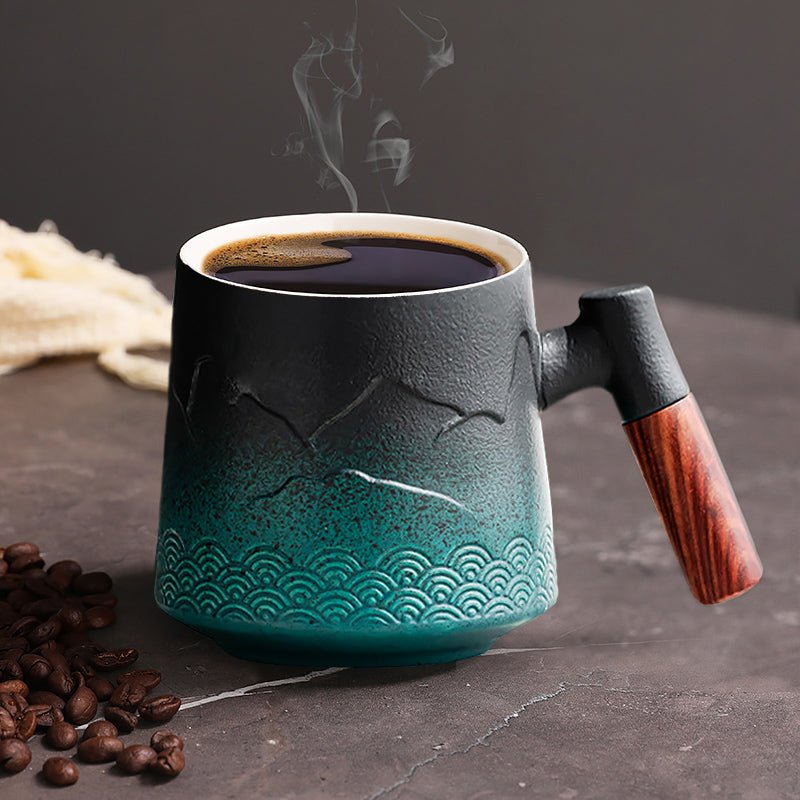
Yeti Coffee Mug with Handle: What Buyers Should Check Before Buying
A handled Yeti-style mug can be a great daily cup, but the details matter: fit, lid style, comfort, and how it behaves on a desk or in a dishwasher. Here’s what we check in our store before we reco...
Read more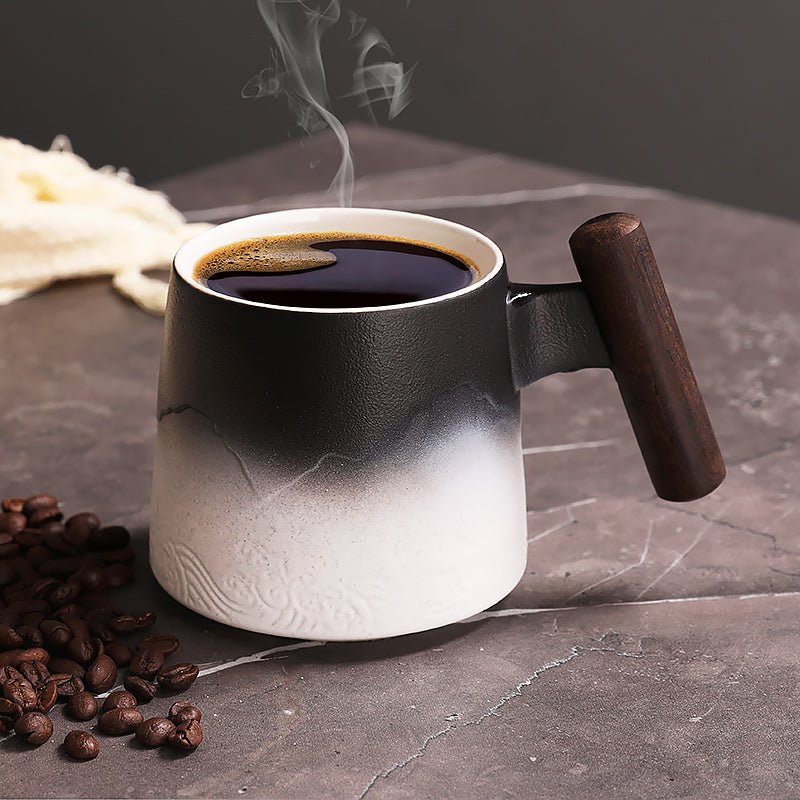
Warming Coffee Mug: What to Check Before You Buy
A warming coffee mug should keep your drink comfortable long enough to finish it, without making the coffee taste cooked. Here’s what to check on material, size, care, and real daily use before you...
Read more
Leave a comment
This site is protected by hCaptcha and the hCaptcha Privacy Policy and Terms of Service apply.