
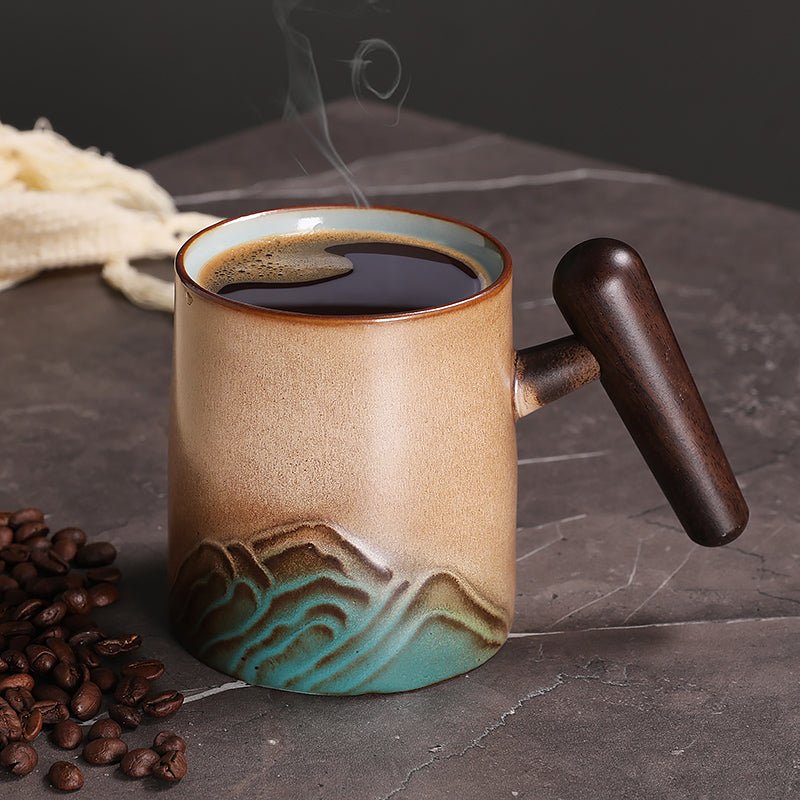
Stainless Steel Coffee Mug Buying Guide for Daily Use
Reading time: about 9 minutes
A stainless steel coffee mug looks simple on a shelf. The real test happens later: on a crowded desk, in a cup holder, or after it has sat for an hour while a meeting runs long. That is where the differences between lids, wall construction, and finish show up fast.
At CoffeifyMug, we see buyers choose stainless steel for different reasons. Some want a mug that can handle a commute without worrying about chips. Others want something sturdier than ceramic for the office, the workshop, or the car. Our job is to help you match the mug to the use case, not just the material.
If you are comparing options across our store, start with the broader collection, and keep this guide open while you compare. If you want to see what we currently carry, our products page is the quickest place to check available styles.
Why do buyers choose a stainless steel coffee mug over ceramic or glass?
Stainless steel earns its place because it is built for handling, not display. It is less likely to crack if you set it down hard, and it travels better than a ceramic mug that belongs on a stable countertop. That makes it a strong pick for desks, commutes, patios, garages, and anywhere a mug might get bumped.
There are trade-offs. Stainless steel can feel less familiar in the hand than ceramic, and some people notice more heat transfer at the rim if the mug is not well designed. It also will not give you the same thick, weighted feel that many people like for slow morning coffee at home. If your ideal mug lives on a kitchen table and never leaves it, a ceramic option may still be the better fit. We cover that comparison in our Ceramic Coffee Mug Buying Guide.
In our experience, stainless steel makes the most sense when any of these are true:
- You drink coffee during a commute or between errands.
- You want a mug that can handle daily handling without chipping.
- You use one mug in multiple places, like kitchen, desk, and car.
- You care more about durability and temperature retention than a classic ceramic feel.
What details should you check before buying a stainless steel coffee mug?
The outside material matters, but the small design choices matter more. Two mugs can both be stainless steel and still perform very differently. We look at these details first because they affect how the mug drinks, cleans, and lasts.
- Inner steel grade and finish: Food-contact stainless steel should feel smooth inside and not have rough seams or unfinished weld points.
- Wall construction: Double-wall construction usually helps with insulation and keeps the outer wall more comfortable to hold. Single-wall mugs are lighter, but they transfer heat faster.
- Lid fit: A lid should seat cleanly without wobble. A loose lid is more likely to leak in a bag or spill when the mug shifts in a cup holder.
- Rim shape: A rolled or well-finished rim improves drinking comfort. Sharp or thin rims can feel metallic.
- Base stability: A flat, stable base matters on office desks and car trays. A narrow base can tip more easily if the mug is tall.
There are also common defect modes worth checking for right away: lid seals that do not align, finish marks on the exterior, and dents from shipping that affect the seal or stability. When a buyer opens a mug gift box, these are the things we inspect first.
Which size and lid style fit your routine best?
Size sounds straightforward, but the right capacity depends on how you actually drink coffee. A mug that feels perfect for one pour can feel too tall, too heavy, or too hard to store for another person.
| Use case | What works best | Why it matters |
|---|---|---|
| Desk coffee | Moderate capacity, stable base | Easier to sip slowly without taking over the workspace |
| Commute or car use | Tapered body, secure lid | Fits cup holders more reliably and reduces spill risk |
| Long work sessions | Double-wall stainless steel | Helps keep coffee hot longer between sips |
| Gift purchase | Simple shape, easy-clean lid | Feels practical and less dependent on a specific routine |
Lid style matters almost as much as capacity. A drinking lid with a sliding cover is convenient on a desk, but it can be harder to clean than a simple press-fit lid. A tighter travel-style lid is better for movement, but it may make the mug less pleasant for relaxed home use. That is why we point readers to our Best Travel Coffee Mug: What to Check Before You Buy guide when the main use case is commuting.
If you want the mug to do double duty, a medium-sized, double-wall model with a removable lid is the most flexible setup. If you only drink at a desk, do not overbuy capacity. A mug that is larger than your normal pour can feel awkward and cool more slowly in a way that sounds good on paper but does not always improve the drinking experience.
Does a stainless steel coffee mug change the taste?
It can, but usually because of the design around the steel rather than the steel itself. A clean, well-finished stainless interior should not add much flavor on its own. The more common issue is residue from old coffee oils, which creates a stale taste if the mug is not washed properly.
We tell shoppers to watch for three things that affect taste:
- A lid with tight corners or hidden channels that trap coffee residue.
- Any lingering factory smell that needs a proper wash before first use.
- Old detergent or air-dry residue if the mug is left closed while damp.
If your coffee tastes slightly flat in stainless steel, the first fix is usually cleaning, not replacing the mug. A quick rinse is not enough if the mug sees milk drinks or sweeteners. Our Coffee Mug Care Tips to Make Your Mug Last Longer article covers the practical cleaning habits we recommend for daily use.
For steel mugs, the outside can look clean long before the lid channels and rim actually are. That is where stale flavor usually comes from.
How should you clean and care for it so it lasts?
Stainless steel is durable, but it is not maintenance-free. The finish can dull, the lid can collect residue, and dishwashing habits can shorten the usable life of seals and paint or powder-coated exteriors.
Here is the routine we recommend in our store when someone wants a mug to hold up over time:
- Rinse soon after use, especially after milk-based drinks.
- Wash the lid separately so the seal area does not trap old coffee.
- Use a soft brush for corners and drinking channels.
- Dry the mug fully before storing it with the lid on.
- Avoid leaving coffee sitting overnight, especially with sweeteners.
Dishwasher compatibility depends on the exact mug and lid construction. Some bodies handle dishwashing well, but certain lids, seals, or exterior finishes do not. If a product is marketed for everyday cleaning, read the care notes closely before assuming every part can take the same cycle. This is one reason buyers looking for a gift or a low-maintenance mug often start with broad product comparisons in our all collection.
How does it compare with a travel mug, a ceramic mug, or a warmer setup?
A stainless steel coffee mug sits between a home mug and a full travel thermos. That middle ground is exactly why people buy it, but it also means it is not the best choice for every use.
Here is the practical comparison we use with shoppers:
- Against ceramic: Steel is tougher and more portable, but ceramic usually feels better for slow sipping at home.
- Against a dedicated travel mug: Steel mugs are easier to carry and often simpler to clean, but a true travel mug may seal better for bags and long commutes.
- Against a mug warmer setup: Steel pairs well with short hot-hold periods, but a warmer makes more sense if you keep returning to the same desk and want coffee hot for hours. See our Coffee Mug Warmer: What to Check Before You Buy One guide if that is your setup.
That trade-off is useful to acknowledge clearly: a stainless steel coffee mug is not the best choice if you want the heaviest, most traditional drinking feel. It is also not the best option if you routinely leave coffee unattended for long periods and expect it to stay hot indefinitely without help. If your needs are more flexible and you want one mug that can move from counter to car, stainless steel is often the safer buy.
What should a shopper check before placing the order?
Before buying, we suggest a quick checklist. It prevents the most common regrets we hear about later, especially around lid fit and size.
- Confirm the mug matches your main use: desk, commute, or home.
- Check the capacity against the amount you normally pour.
- Look for a lid style you will actually clean regularly.
- Review whether the mug is single-wall or double-wall.
- Make sure the base and shape fit your desk, cabinet, or car cup holder.
If you are buying as a gift, keep the design neutral and the care simple. A mug that looks great but needs special handling often ends up unused. That is the practical lesson from watching unboxings in our own store: people keep the mug that feels easy to use on day one.
Frequently asked questions
Does a stainless steel coffee mug keep coffee hot?
It can, especially if it uses double-wall construction. The exact performance depends on the lid seal, wall design, and how often the mug is opened. For best results, pre-warm the mug with hot water before pouring coffee.
Will stainless steel make coffee taste metallic?
A clean mug should not add a strong metallic taste. If you notice one, it is often caused by residue, a new mug that has not been washed yet, or a lid that still holds old coffee oils. Washing the mug and lid separately usually helps.
Is a stainless steel coffee mug dishwasher safe?
Sometimes, but not always for every part. The body, lid, seals, and exterior finish can have different care needs, so check the product instructions before assuming the whole mug can go through the dishwasher. Hand-washing usually gives you the most control over the lid and seal.
What size stainless steel coffee mug should I buy for office use?
For office use, choose the size that matches your usual pour rather than the biggest option available. A moderate capacity is often easier to store on a desk and less likely to be awkward when full. If you sip slowly, prioritize insulation and lid quality over maximum volume.
Is stainless steel better than ceramic for everyday use?
It depends on where you use it. Stainless steel is better for portability, durability, and spill resistance. Ceramic is better if you want a heavier, classic mug for home and do not need to carry it around.
If you are narrowing your choices, start with the use case first: desk, commute, or gifting. Then compare lid fit, wall construction, and cleaning effort against the mugs in our current product lineup so you can pick the one that matches how you actually drink coffee.
More from our blog
Read more
Best Travel Coffee Mug: What to Check Before You Buy
A good travel mug needs more than a vacuum wall. We break down the lid, size, insulation, and cleaning details that matter on a commute, at a desk, and in the car.
Read more
Go Coffee Mugs: How to Choose the Right Travel Mug for Daily Use
Go coffee mugs need to do one thing well: move from counter to car to desk without leaking, cooling too fast, or feeling awkward to hold. This guide breaks down the real trade-offs so you can pick ...
Read more
Leave a comment
This site is protected by hCaptcha and the hCaptcha Privacy Policy and Terms of Service apply.