
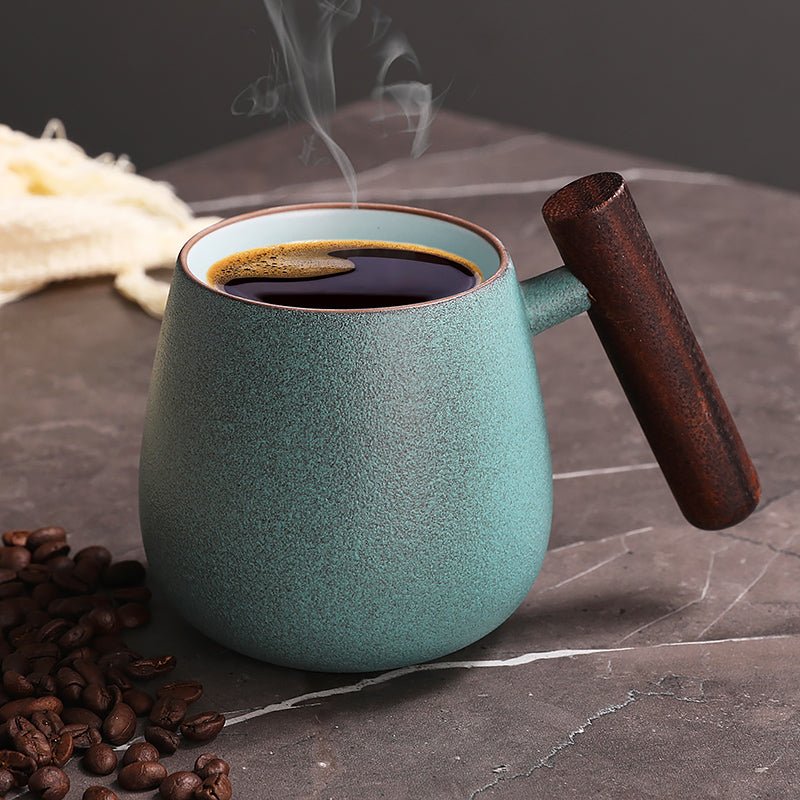
Size of Standard Coffee Mug: What Buyers Should Expect
Reading time: about 9 minutes
A mug that feels fine in the cabinet can still be the wrong mug by the coffee maker. We see this all the time: a shopper wants a “standard” mug, then realizes the handle is too tight for two fingers, the cup is too short for a latte, or it does not fit under the espresso machine.
The size of standard coffee mug is usually treated like a simple number, but in real kitchens it is a mix of capacity, height, rim width, and balance in the hand. In our store, we pay attention to those details because they affect everyday use more than the label does.
If you are comparing options, the short version is this: most standard mugs fall around 8 to 12 ounces, with many everyday ceramic mugs landing near 10 to 11 ounces. That range works well for black coffee, tea, and smaller milk-based drinks. If you pour larger home-brewed servings, you may want a bigger shape instead of forcing a standard mug to do a jumbo mug’s job.
What does “standard coffee mug” usually mean in ounces?
Shoppers usually use “standard” to mean the mug most people reach for without thinking. In practice, that is often a mug in the 8 to 12 ounce range. Some are a little smaller and some creep larger, but once you move far beyond that range, you are usually looking at a different style: a large latte mug, a soup mug, or a travel-style vessel.
We recommend thinking in ounces first, then checking the actual shape. Two mugs with the same capacity can feel very different. A short, wide 10-ounce mug takes up more saucer and shelf space than a taller, narrower 10-ounce mug. That matters if you store your mugs on a narrow rack or want something that sits neatly under a machine.
| Mug type | Typical capacity | Best for | What to watch for |
|---|---|---|---|
| Small everyday mug | 8 oz | Espresso drinks, smaller pours | Can feel undersized for drip coffee |
| Standard coffee mug | 10 to 12 oz | Most daily coffee and tea | May still feel small for big home brews |
| Large mug | 14 oz and up | Big pours, milk-heavy drinks | Heavier, wider, and less shelf-friendly |
If you want a deeper breakdown of capacity versus everyday use, our Coffee Mug Ounces: How to Choose the Right Size Before You Buy article goes into the buying logic we use with customers who are trying to avoid a too-small or too-large purchase.
How big is a standard coffee mug in height and width?
Capacity is only half the story. The physical size of the mug affects how it feels in your hand, how stable it sits on a desk, and whether it fits under a drip basket or espresso spout. A typical standard mug is often around 3.5 to 4.5 inches tall with a mouth opening near 3 to 3.5 inches wide, though those dimensions vary by style and manufacturer.
That shape difference changes the drinking experience. Taller mugs feel more compact in a cabinet, but they can be less stable if the base is narrow. Wider mugs are easier to dip tea bags into and easier to clean by hand, but they take up more room on a crowded kitchen shelf. If you use a pod machine, a taller mug can also bump into the brew head before you even pour.
We look at three practical dimensions before we list a mug:
- Overall height — affects machine clearance and shelf storage.
- Rim diameter — affects sipping comfort and how easy it is to stir milk or sugar.
- Base width — affects stability on desks, trays, and dishwasher racks.
If you are comparing “standard” mugs against everyday favorites, our Standard Coffee Mug Size: How to Choose the Right Everyday Mug post is a good next read. It focuses on the kind of practical choices we hear about most often from buyers who want one mug they will actually use every day.
Which standard mug shape works best for coffee, tea, or both?
The right mug shape depends on what lands in it most often. A narrow, taller mug behaves differently from a round, open mug. In our experience, the shape matters as much as the ounce count because it changes heat retention, drink mixing, and how quickly the drink cools when left on a desk.
Here is the practical version:
- Taller mugs help keep coffee warmer a bit longer because there is less open surface area at the top.
- Rounder mugs feel more relaxed in the hand and are easier to rinse, stir, and refill.
- Wider mugs work better for tea drinkers who use loose tea baskets or want space for milk.
For shoppers who want a taller option, our Landscape Tall Coffee Tea Mug is a good example of a mug that leans into a slimmer profile. It is the kind of shape people choose when they want a standard-size feel without the bulk of a wide bowl-like mug.
If you want something more classic and balanced on the table, the Round Coffee Tea Mug is the more familiar everyday shape. We often recommend round mugs for shared kitchen cabinets and office desks because they are easy to grab and do not visually crowd the space.
For shoppers who want something with a bit more visual personality while staying in the everyday mug category, the Elk and Moon Coffee Tea Mug fits the same practical use case, but with a more decorative feel for gifting or display.
What should you check before buying a standard coffee mug online?
Photos can hide a lot. A mug that looks “normal” in a product image may arrive smaller, heavier, or more awkward in the hand than expected. That is why we advise comparing a few specifics before you click buy.
- Capacity in ounces — decide whether you want a true 8 to 12 ounce standard mug or something larger.
- Dishwasher and microwave care — if a mug is ceramic with printed decoration, check whether the decoration is likely to survive repeat washing without dulling or chipping.
- Handle opening — a good everyday mug should fit most adult fingers comfortably, but handle shape can vary a lot.
- Wall thickness — thicker ceramic usually feels sturdier but can be heavier and hold heat differently.
- Base stability — if the base is too narrow for the body, the mug may feel tippy on a work desk or crowded tray.
Common wear points we watch for in this category are simple but real: handle stress over time, rim glaze wear from repeated dishwashing, and hairline cracks if a ceramic mug gets knocked against a sink. A standard mug is not a travel mug, so it should be treated like home drinkware, not thrown into a bag without protection.
For buyers comparing the standard range with a broader shopping view, our all mugs collection is the fastest place to compare shapes side by side. That is often easier than jumping between individual products if you are still deciding what size feels right.
Is a standard coffee mug the right size for your routine?
A standard mug is a good fit for a lot of daily coffee habits, but not all of them. We tell customers to match the mug to the drink, not to an abstract idea of what a mug should be.
Choose a standard mug if you usually:
- drink one normal cup of drip coffee at a time
- pour tea from a kettle and want room for a tea bag or infuser
- use the mug for office coffee refills
- want something easy to store and easy to wash
Choose something larger if you:
- make oversized home pours
- add a lot of milk or foam
- want a mug that doubles for soup or cereal
- prefer a very long sipping session without refilling
Choose something smaller if you:
- drink espresso-based drinks in shorter servings
- want a lighter mug for a bedside or compact desk setup
- need a mug that fits under a low machine clearance
That trade-off matters. A bigger mug can be more forgiving, but it is not always better. Large mugs can cool faster if they are too wide, and they can feel bulky in the hand. Smaller mugs are easier to handle, but they leave no room for milk or foam. Standard size sits in the middle because it works for many people, not because it is perfect for everyone.
In our experience, shoppers are happiest when the mug matches the pour they actually make every morning, not the largest drink they sometimes wish they made.
How do ceramic standard mugs behave in daily use?
Most standard coffee mugs sold for home use are ceramic, and there is a reason for that. Ceramic holds heat reasonably well, has a familiar weight, and usually survives regular dishwasher cycles if the glaze and decoration are applied well. It also gives a stable, grounded feel on a desk or kitchen counter.
There are a few practical things to keep in mind:
- Weight: ceramic mugs are heavier than thin glass or plastic options, which helps stability but may be less comfortable for someone who prefers an ultra-light cup.
- Heat behavior: a ceramic mug warms up with the drink, so the first minute can feel hot to hold if there is no sleeve or textured body.
- Care: repeated dishwasher use is usually fine for everyday ceramic drinkware, but printed art and delicate finishes should always be checked individually.
Standard mugs are not ideal for every use case. They are not sealed containers, so they are a poor substitute for a travel tumbler. They also are not the best choice if you need the smallest possible footprint for a crowded espresso bar setup.
If you want more background on sizing before picking a shape, our Average Coffee Mug Size: What Buyers Should Expect post explains what most buyers should realistically expect from a regular mug purchase, without pretending every mug category behaves the same way.
Frequently asked questions
What size is a standard coffee mug in ounces?
A standard coffee mug is usually around 8 to 12 ounces, with many everyday mugs landing near 10 or 11 ounces. That range is wide enough for black coffee, tea, and smaller milk drinks without making the mug feel oversized on a desk or shelf.
How tall is a standard coffee mug?
Most standard coffee mugs are roughly 3.5 to 4.5 inches tall, though the exact height varies by shape. Taller mugs are usually slimmer, while wider mugs may be shorter but take up more cabinet space.
Is a 12 oz mug considered standard?
Yes, a 12 oz mug is often considered standard, especially for buyers who want a little extra room for milk or cream. If you usually pour smaller servings, though, a 12 oz mug can feel larger than necessary.
What is the best standard mug size for everyday coffee?
For most people, 10 to 12 ounces is the safest everyday range. It gives enough room for a normal pour without pushing into large-mug territory, and it is still practical for storage and washing.
Should I buy a standard mug or a large mug?
Buy a standard mug if you want a balanced everyday option that works for coffee and tea. Choose a large mug if you regularly pour extra-large drinks, like more milk-heavy coffee or a bigger home brew that you do not want to refill quickly.
If you are still deciding, start with a simple comparison: check the ounce capacity, measure the height against your machine clearance, and decide whether you prefer a tall shape or a round one. Then browse our all mugs collection to compare the standard-size options side by side, or read our Standard Coffee Mug Size: What Buyers Should Know Before Ordering guide if you want one more layer of buying detail before you choose.
Read more
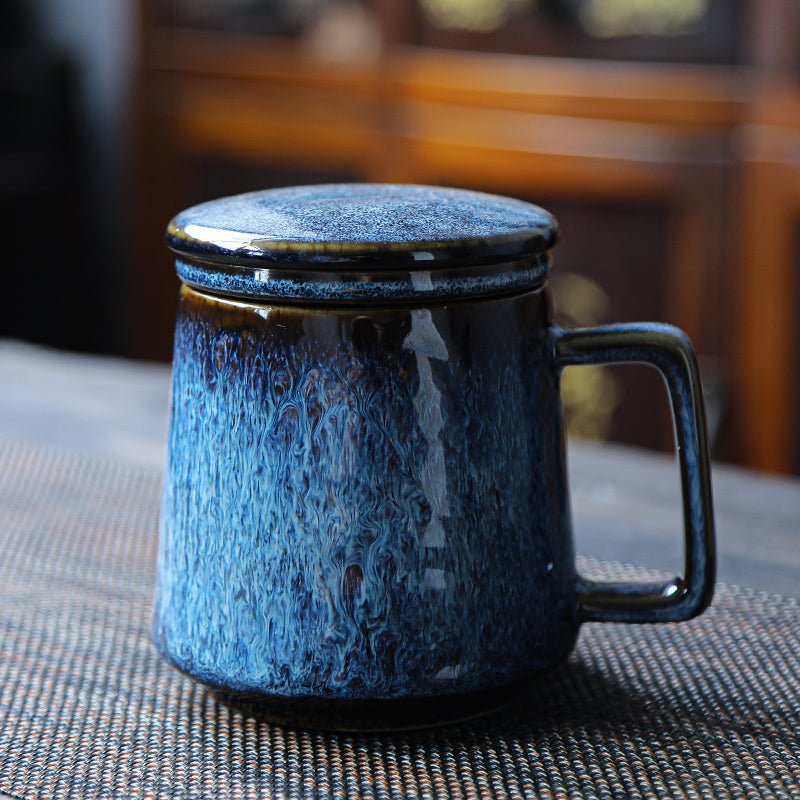
Pedestal Coffee Mugs: What to Buy, What to Avoid, and Best Fits
Pedestal coffee mugs bring a little lift to the table, but the base shape changes stability, hand feel, and how the mug sits on a desk or tray. Here’s how we help shoppers compare pedestal styles, ...
Read more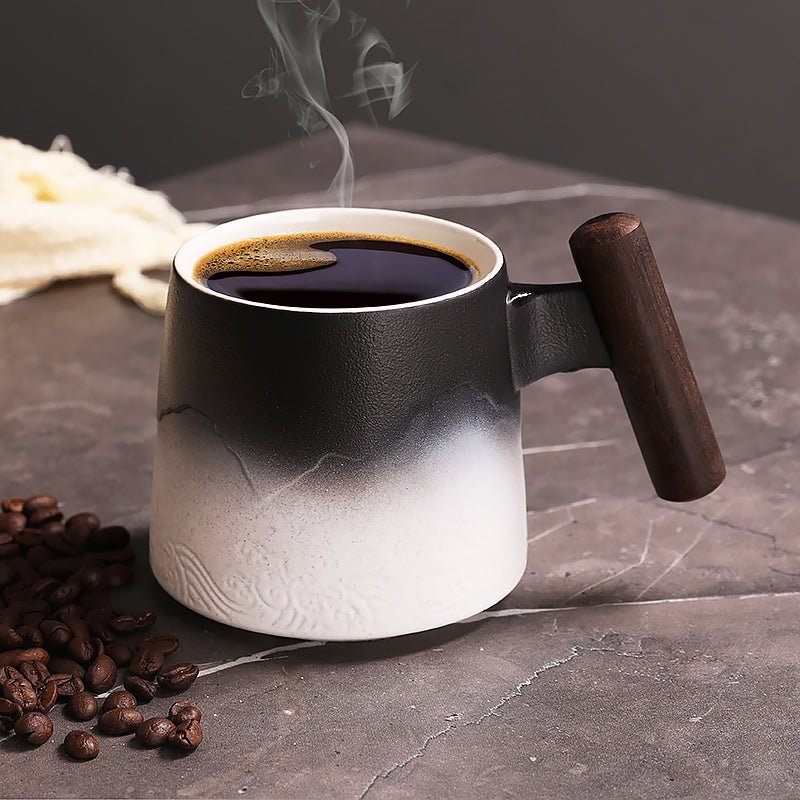
11oz Coffee Mug Buying Guide: Size, Fit, and Best Uses
An 11oz coffee mug is the everyday size most shoppers compare against standard drip coffee, tea, and desk use. Here’s what fits, what does not, and which styles make sense before you buy.
Read more
Leave a comment
This site is protected by hCaptcha and the hCaptcha Privacy Policy and Terms of Service apply.