
Rack for Coffee Mugs: What to Buy for Real Daily Use
Reading time: about 11 minutes
The problem usually shows up at 7 a.m. One mug comes off the rack easily, the next one snags, and the third taps the tile because the hooks sit too close to the wall. A rack for coffee mugs is a small purchase, but it affects your counter space, your cabinet clearance, and how often you end up hearing ceramic knock against ceramic.
We handle mugs and storage questions every day in our store, and the same pattern keeps coming up: shoppers often choose a rack by the number of hooks, then realize too late that their favorite mugs are taller, wider, or heavier than the rack was built for. If you want a setup that still feels good after a month of morning use, you need to check fit, material, and mounting style before you buy.
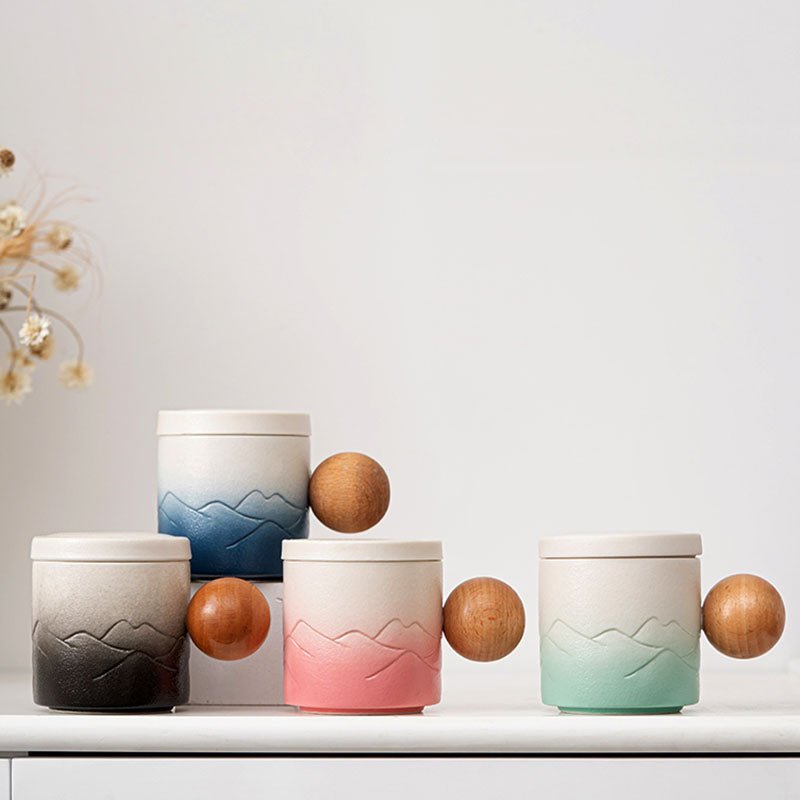
If you are also choosing display-friendly mugs, our Mountain Sea Coffee Tea Mug, Spittoon Coffee Tea Mug, and Planet Coffee Tea Mug are good examples of shapes people actually like to leave out on view. For a wider comparison of silhouettes, handles, and everyday styles, you can browse our full mug collection while you measure your space.
What should a rack for coffee mugs fit before you look at style?
Start with the mugs, not the rack photo. That sounds obvious, but it is the step most people skip.
In real use, four measurements matter more than the advertised hook count:
- Mug height: A taller mug needs enough drop so the base does not hit the counter, backsplash ledge, or the shelf below.
- Mug width: Wide-bodied mugs need side-to-side breathing room or they will bump each other every time you remove one.
- Handle opening: Some handles are round and generous, others are tighter and sit closer to the mug body. Narrow hooks can make an otherwise nice rack frustrating to use.
- Loaded weight: A light porcelain cup and a thick ceramic mug do not stress a rack the same way. Material thickness matters once the rack is full.
We usually tell shoppers to mock up the space with a tape measure and one actual mug from the cabinet. A useful rule of thumb is to leave enough room for your hand to grab the handle without twisting the mug sideways. If you have to angle your wrist every morning, the rack is too tight even if the mug technically fits.
This is also where buyers run into trouble with novelty shapes. A mug can be listed as a standard capacity and still be awkward on a rack because the rim flares out, the base is heavy, or the handle sits high. That does not mean the mug is bad. It means the storage has to match the shape.
Which rack style works best for your kitchen, office, or cabinet?
The best rack for coffee mugs depends less on taste and more on where the mugs live day to day. A permanent home coffee corner can support a different setup than a rented apartment kitchen or a shared office break area.
| Rack style | Best use | What it does well | Main limitation |
|---|---|---|---|
| Under-cabinet hook rack | Small kitchens with unused space below upper cabinets | Frees up counter area and keeps daily mugs close to the coffee maker | Needs careful vertical clearance, especially with taller mugs |
| Wall-mounted rail or bar rack | Dedicated coffee stations and more permanent setups | Usually gives better spacing and a cleaner visual line | Requires drilling or solid anchors and is less flexible to move |
| Countertop mug tree | Rentals, dorms, and office desks | No installation and easy to reposition during cleaning | Uses visible counter space and can feel cluttered if overloaded |
| Inside-cabinet hanging rack | People who want mugs hidden but easy to reach | Keeps the counter clear and protects the visual look of the kitchen | Only works if the cabinet depth and door swing allow it |
An under-cabinet rack is usually the first place people look, and for good reason. It uses dead space well. The catch is that many cabinets are installed lower than buyers realize, and once you hang a mug with a taller body, the bottom can end up too close to the toaster, espresso machine, or canister set below.
A wall-mounted option is often the cleanest long-term choice if you have a dedicated coffee area. It also tends to work better for mixed mug collections because the spacing can be more generous. The trade-off is commitment. If you are not willing to drill into tile, plaster, or a cabinet underside, this is not the easy answer.
Countertop mug trees are practical, but they are not ideal for every kitchen. We see them work well on office desks and in rentals because they can move with the setup. They are less convincing in tight kitchens where every inch of prep space matters.
If your main concern is cabinet fit, our related guide on choosing the right rack for your cabinet goes deeper on clearance and placement.
What materials hold up best once the rack is actually in use?
Material is where a lot of good-looking racks separate from good daily racks. Empty, many of them seem fine. Loaded with ceramic mugs after a week of steam, wipe-downs, and fast grabbing, the weak points show up quickly.
- Powder-coated steel is usually the safest choice for everyday use. It tends to resist minor scratches better than thinner painted finishes, and it is easy to wipe with a damp cloth and dry immediately.
- Solid wood or bamboo works if you want warmth and a softer visual look, especially in open shelving kitchens. It is less forgiving if you regularly hang mugs straight from the dishwasher while they are still damp.
- Chrome or plated metal can look crisp, but it often shows water spots and fingerprints faster. In humid kitchens, lower-quality plating can also start looking tired at contact points.
There are a few defect points we pay attention to in our product category because buyers usually do not notice them until later:
- Weld quality at the hook base. If the weld is rough or thin, the hook may flex slightly under heavier mugs.
- Hook tip finish. A sharp or poorly coated tip can scuff the inside of a mug handle over time.
- Base stability on countertop models. If one foot sits unevenly, the whole rack will wobble more as mugs come off one side.
Care matters too. For metal racks, a soft cloth and mild soap are enough; harsh scouring pads can dull the finish. For wood, dry the rack after cleaning and do not let moisture sit in joints. These are small habits, but they make the difference between a rack that ages gracefully and one that looks worn in a single season.
What is this style not good for? If you routinely hang oversized stoneware mugs that feel noticeably heavier than a standard coffee mug, lightweight decorative racks are not the right pick. They may look fine in staged photos and still feel unstable in real life.
How much spacing do you really need between mugs?
Spacing is the detail that turns a rack from useful to irritating. Too little room between hooks, and the mugs click together. Too little depth from the wall, and the handles scrape or the mug body sits at an awkward angle.
In our experience, buyers are happiest when the rack leaves enough room for three things at once: the mug body, the handle curve, and your fingers. If even one of those is tight, the rack starts feeling smaller than it looked online.
Spacing becomes especially important with mugs that have a more expressive profile. A rounded body can need more side clearance than a straight-sided mug of similar capacity. A wider handle can need a hook with a slimmer profile. That is one reason display pieces like the Planet Coffee Tea Mug or the Mountain Sea Coffee Tea Mug tend to look better on racks with a little breathing room instead of tightly packed six-hook layouts.
If you prefer a more distinctive silhouette, the Spittoon Coffee Tea Mug has a shape that can stand out nicely on an open rack, but it also shows why clearance matters. A characterful mug deserves a rack that lets it hang cleanly rather than crowding it between two larger pieces.
What should you avoid? A rack with narrow hook spacing is not a great match for collecting mixed mug shapes over time. It can work for a matching set, but it gets messy once you start adding gift mugs, seasonal mugs, or a favorite oversized cup from the office.
Should you buy a rack for display, storage, or both?
This is worth deciding early because the best answer is not always the prettiest one.
If your goal is display, you want a rack that gives each mug enough separation to be seen clearly. Open wall racks and simpler under-shelf rails usually do this better than compact trees. They make more sense if you have mugs with interesting glaze, artwork, or shape and you genuinely want them visible in the room.
If your goal is storage, density matters more. An inside-cabinet rack or a tighter under-cabinet layout can be the better buy, especially if the mugs are plain daily workhorses and you mostly care about freeing shelf space.
If your goal is both, be honest about what you are hanging. A few attractive mugs on a visible rack can make a kitchen feel intentional. Eight mismatched mugs crammed onto a small stand can make the same space feel busier than before.
The strongest setups usually edit themselves. Keep your two to four most-used mugs on the rack and store the rest elsewhere unless you have the wall space for a true display area.
That is also where shopping the full lineup helps. Looking through our collection while you plan the rack lets you compare shapes that are easy to display versus shapes that are better tucked into a cabinet.
If you are also comparing mug sizes for daily use, our guides on 12 oz coffee mugs and 16 ounce coffee mugs can help you match storage to the mugs you actually reach for.
What buying mistakes cause the most regret later?
Most regret comes from buying a rack that solved one problem in the photo and created two new ones at home.
- Ignoring the mug handle shape. Handles vary more than shoppers expect, and some do not sit comfortably on thicker hooks.
- Choosing by hook count alone. Six crowded hooks are less useful than four well-spaced ones.
- Forgetting cleaning habits. If mugs go back damp, wood requires more discipline than coated metal.
- Underestimating heavy ceramics. Thick stoneware and sculptural mugs need more stable hardware.
- Using a display rack for overflow storage. A rack can look cluttered fast if every spare mug ends up on it.
We also see shoppers buy a decorative rack for a hard-working coffee corner. That can be fine if the mugs are light and the rack is mostly visual. It is not the best choice if the rack will be loaded, wiped down often, and used several times a day by multiple people.
For office use, the standard is even higher. Shared spaces tend to be rougher on hardware because mugs come on and off quickly, not carefully. In that setting, a simple powder-coated metal rack or a stable countertop tree usually outperforms a delicate decorative piece.
Frequently asked questions
Can a rack for coffee mugs hold heavy ceramic mugs safely?
Yes, if the rack is built for real load and mounted or balanced properly. Powder-coated steel and sturdier wall-mounted designs are usually better choices for heavier ceramic mugs than light decorative racks with thin hooks or a narrow base.
Is an under-cabinet mug rack better than a countertop mug tree?
It depends on what you need more: open counter space or easy flexibility. Under-cabinet racks usually make a kitchen look cleaner, but countertop trees are easier in rentals, offices, and spots where drilling is not practical.
Will hanging mugs damage the handles or glaze?
It can if the hook tips are rough, sharply finished, or packed too close together. Smooth coated hooks, enough spacing, and taking mugs off without twisting them hard will reduce wear over time.
How many mugs should I keep on display?
For most kitchens, two to four daily mugs is the sweet spot unless you have a larger wall rack with generous spacing. More than that can still work, but only if the rack is sized for the mugs and the area does not start feeling crowded.
What kind of rack works best for mixed mug shapes?
A wall-mounted or wider-spaced under-cabinet rack usually handles mixed shapes better than a compact tree. If your collection includes tapered mugs, rounded mugs, and heavier statement pieces, extra spacing matters more than total capacity.
What is the smartest next step before you order?
Use this quick check before you buy a rack for coffee mugs:
- Measure the height and width of the mugs you actually use most.
- Measure the spot where the rack will live, including wall depth, shelf drop, and door swing.
- Decide if the rack is for display, storage, or a mix of both.
- Choose material based on your cleaning habits, especially if mugs are often returned damp.
- Compare your mug shapes against our full collection if you are planning to refresh both the mugs and the storage together.
If you already know you want mugs that earn the counter space, start by looking at the Mountain Sea, Planet, and Spittoon styles, then match them to a rack with enough spacing to show them properly. That approach is much more reliable than buying the rack first and hoping your favorite mugs behave once they are hanging.
Read more

Stackable Coffee Mugs with Stand: What to Check Before Buying
Compare stackable coffee mugs with stand by the details that matter in real use: footprint, stability, finish, and care. Use this guide to avoid a set that looks neat but annoys you on the counter.
Read more
Designer Coffee Mug Buying Guide for Daily Use and Gifting
A designer coffee mug should feel balanced in hand, fit the amount you actually drink, and hold up to daily use. We break down style, size, care, and the trade-offs that matter before you buy.
Read more
Leave a comment
This site is protected by hCaptcha and the hCaptcha Privacy Policy and Terms of Service apply.