

Rack for Coffee Mugs: How to Pick One That Fits and Lasts
Reading time: about 9 minutes
The first sign of a bad mug rack is usually a small clink. Two handles touch, one mug swings into the next, and a tiny chip shows up on the rim a month later. A good rack for coffee mugs should clear the counter and make the morning routine easier. A bad one turns storage into a daily irritation.
We work with mug shoppers every day in our store, and the same pattern keeps coming up: people buy the rack based on the photo, then realize their actual mugs are taller, heavier, or wider-handled than expected. If you are still deciding what your everyday mug lineup looks like, start with our full collection. It is much easier to choose a rack once you know what needs to hang from it.
What should you measure before buying a rack for coffee mugs?
Most returns and frustrations start with missing one measurement. Buyers check the open space on the counter, but skip the mug height, the handle opening, or the lift space needed to take a cup off the hook without scraping the cabinet above.
Our team uses a simple check before recommending any rack style:
- Measure the vertical clearance. If the rack will sit under a cabinet or shelf, measure from the bottom of that surface to the counter below. Then compare that with your tallest mug, not your smallest one.
- Check the handle opening. A mug can look average from the front and still fail on a narrow hook because the handle throat is too tight or too thick.
- Leave room for movement. A mug does not go straight up and down. It needs a little lift and swing to come off the hook cleanly.
This sounds basic, but it matters in real kitchens. We have seen under-cabinet racks that technically fit the dimensions on paper and still feel annoying because the mug rim brushes the cabinet lip every single morning. If your coffee station is tight, even half an inch of extra breathing room changes the experience.
A rack for coffee mugs is also not ideal for every collection. Very tall latte mugs, extra-heavy handmade pottery, and novelty cups with off-center handles often do better on a shelf or inside a cabinet. If protection matters more than display, closed storage can be the smarter buy.
Which rack style actually works: countertop, under-cabinet, or wall-mounted?
There is no universal winner here. The right style depends on where the rack will live and how much hassle you are willing to accept during setup and cleaning.
| Rack type | Best for | Main trade-off |
|---|---|---|
| Countertop | Renters, offices, and kitchens where flexibility matters | Uses surface space and can crowd a small coffee station |
| Under-cabinet | Saving counter space and keeping mugs near the brewer | Needs careful clearance checks and proper installation |
| Wall-mounted | Display setups, narrow counters, and dedicated coffee corners | Needs secure anchors and leaves mugs exposed to dust |
Countertop racks are usually the easiest to live with. You can move them during cleaning, rotate them seasonally, and test different spots without drilling into anything. They also make the safest gift option because they do not assume the recipient has the right cabinet clearance.
Under-cabinet racks are the best space savers, especially if the counter already holds a grinder, scale, syrup bottles, or a pod machine. The catch is fit. Cabinet lips, low shelves, and tall mugs can ruin the plan fast. We are also cautious with adhesive-only options in humid kitchen zones. Steam from kettles and the repeated downward pull of grabbing mugs can shorten their working life.
Wall-mounted racks can look excellent in an office break room or a home coffee bar where the mugs are part of the visual setup. They are less forgiving if you change your layout often. If you rent or rearrange furniture regularly, that is a real downside, not a minor one.
What materials and build details are worth paying for?
This category is full of racks that look similar online and behave very differently in person. A mug rack carries repeated weight, repeated contact, and repeated one-handed pulling. Decorative looks matter, but build quality matters more.
- Powder-coated steel or thicker-gauge metal usually holds up better than very thin plated wire that flexes under load.
- Smooth hook ends matter because a rough seam can wear at a glazed ceramic handle over time.
- Stable bases or secure mounting points matter more than ornate detail. If a countertop rack rocks when you remove one mug, it will not get better later.
- Wood-and-metal combinations can look warm and work well, but the wood should have a finish that tolerates steam and small splashes near the sink or coffee maker.
One detail generic buying guides often skip is the weld or joint where the hook meets the frame. That is a common failure point. A rack might look strong when empty, but the weakness shows up after a few weeks of hanging the same heavier ceramic mug in the same spot every morning.
We also pay attention to the hook angle. If the hooks sit too flat, mugs can slide toward each other. If they tilt too sharply, thick handles can bind and feel awkward to remove. That is the sort of issue shoppers notice only after using the rack in real life, not while scrolling product photos.
In our experience, a sturdy rack for coffee mugs should still feel balanced when the load is uneven. Real households do not hang six identical cups in perfect symmetry every day.
Care is straightforward. Wipe metal racks with a soft damp cloth, then dry them so moisture does not sit around welds or screws. Do not treat the rack like the mugs themselves. Your cups may go through regular dishwasher cycles, but the rack should stay out of the dishwasher and away from abrasive scrub pads that can scratch the finish.
How many mugs should a rack hold without feeling cramped?
Capacity numbers can be misleading. A rack listed for six mugs might technically hold six, but that does not mean six mugs will be pleasant to use there. Spacing and access matter more than the advertised count.
- Count the mugs you use in a normal week, not your entire cabinet.
- Test the largest handle and tallest mug in that rotation first.
- Leave one open slot if you swap in guest mugs, holiday mugs, or a favorite oversized cup.
For many homes, a six-hook rack is enough for the daily lineup while the rest stay stored away. Larger households or office setups may need eight or more hooks, but that only works if the rack gives each mug enough room to hang without shoulder-to-shoulder contact.
Workflow matters too. If the rack sits beside your brewer, the cups should come off easily with one hand while the other hand is on the carafe, kettle, or milk pitcher. That convenience is the whole point. If you have to thread the mug out carefully every time, the rack is solving one problem and creating another.
Which mugs pair best with an open rack display?
The best pairing is usually a mug that feels good in hand and hangs without crowding the next one. Balanced everyday shapes work better than extremely flared bodies or tight decorative handles. If you are buying mugs and storage together, treat them as one decision, not two separate ones.
We often tell shoppers to pick the mugs they want to see and reach for every day, then choose the rack around those pieces. You can compare options in our collection, or look at a few distinct styles like the Mountain Sea Coffee Tea Mug, the Spittoon Coffee Tea Mug, and the Planet Coffee Tea Mug. Open storage makes the most sense when the mugs themselves contribute to the look of the kitchen, office desk, or gift setup.
There is a trade-off, though. A visible rack shows off your mugs, but it also leaves them exposed to dust, cooking residue, and the occasional bump if the rack sits in a busy corner. If you want pristine display pieces or rarely used gift mugs to stay cleaner, cabinet storage may be the better fit.
What causes chips, wobble, and buyer regret?
The same small mistakes come up again and again.
- Buying for appearance only. A slim decorative frame may look tidy online and still flex once real ceramic mugs are loaded.
- Ignoring handle depth. The mug body fits, but the handle presses into the hook or knocks the next cup.
- Overloading the rack. Capacity claims are often based on evenly sized mugs, not a mixed home collection.
- Choosing the wrong mount for the room. A humid backsplash area asks more from adhesive mounts than many shoppers realize.
Common defect modes are pretty consistent. Thin hooks can bend just enough to make mugs hang unevenly. Finish wear usually shows up first at the hook tip, exactly where the handle rubs. Countertop stands can lean if the base is narrow and the heavier mugs all end up on one side. Those are not dramatic failures, but they are the kind that make the rack feel cheap after a short time.
If you want a rack mainly for gift presentation or occasional guests, you can get away with a lighter-duty design. If this is daily coffee storage in a busy kitchen, buy for stability first. That is the line we use in our store because the morning routine is where weak racks get exposed fast.
Frequently asked questions
Can an under-cabinet rack hold large ceramic mugs?
Sometimes, but only if the cabinet clearance and hook spacing are generous enough. Large ceramic mugs usually need more lift room than shoppers expect, and thick handles can be a problem on narrow hooks. Measure the tallest mug you actually use before you buy the rack.
How much space should I leave between mugs on a rack?
Enough so the mugs do not touch when you remove one with a single hand. In practice, the right amount depends on the mug shoulder, handle shape, and how the hooks are angled. If two mugs lightly tap during a test hang, the rack is already too tight for comfortable daily use.
Are wall-mounted mug racks a good choice for renters?
Usually not as a first choice. A countertop rack is more flexible, easier to move, and does not depend on drilling or anchors. Wall-mounted options make more sense if you have permission to install them and know the layout will stay put.
Should I keep everyday mugs on a rack or inside a cabinet?
If you use the same mugs daily and want faster access, a rack is a practical upgrade. If your kitchen gets dusty, greasy, or crowded, cabinet storage keeps the mugs cleaner and better protected. The better option depends on whether convenience or protection matters more in your space.
Is a rack for coffee mugs a smart gift?
Yes, but only if you know the recipient's setup. Countertop racks are the safest gift choice because they do not rely on cabinet dimensions or wall mounting. Under-cabinet and wall-mounted racks are better reserved for someone whose kitchen layout you know well.
Before you order, do one quick buying check: measure the height, test the thickest handle, decide where the rack will live, and count only the mugs that are truly in daily rotation. Then browse our collection and match the mugs to a rack style that will actually work in your kitchen instead of just looking good in a product photo.
More from our blog
Read more
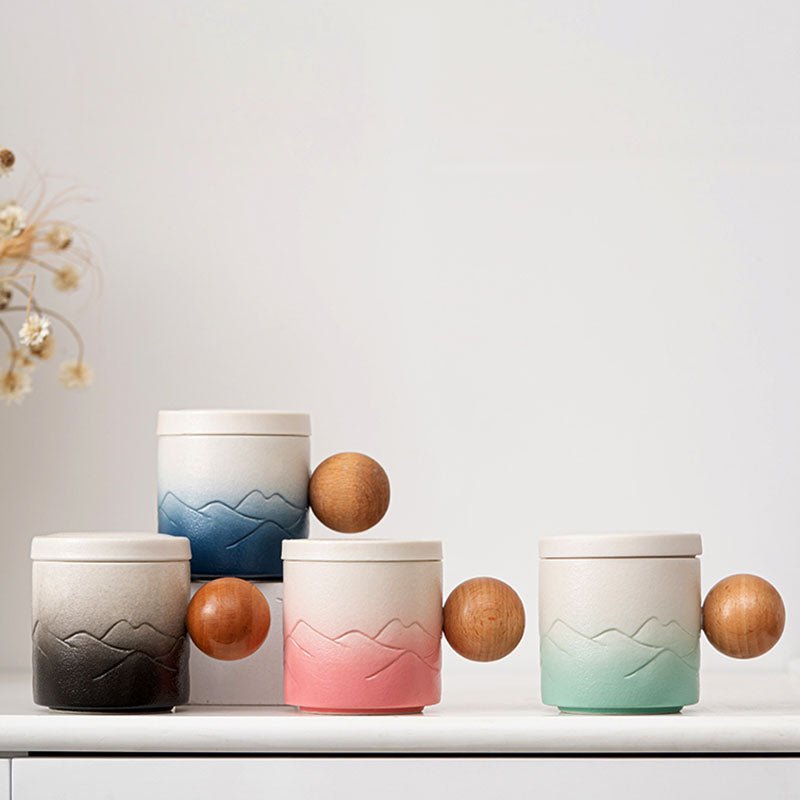
Fancy Mugs: How to Choose a Stylish Mug That Still Works Daily
Fancy mugs should look good on the shelf and feel right in your hand. We break down shape, handle comfort, finish, care, and size so you can pick one that fits daily use.
Read more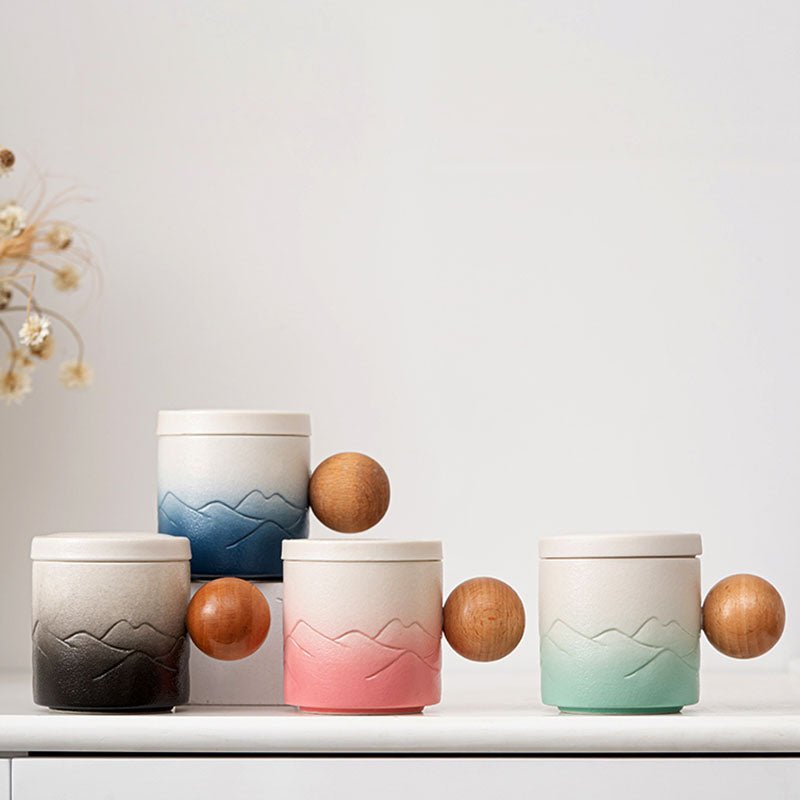
Mens Coffee Mugs for Desk Use, Gifts, and Daily Coffee
A mug can look fine online and still feel awkward after a few refills at a desk. We break down mens coffee mugs by size, material, shape, and care so you can buy one that fits real daily use.
Read more
Leave a comment
This site is protected by hCaptcha and the hCaptcha Privacy Policy and Terms of Service apply.