
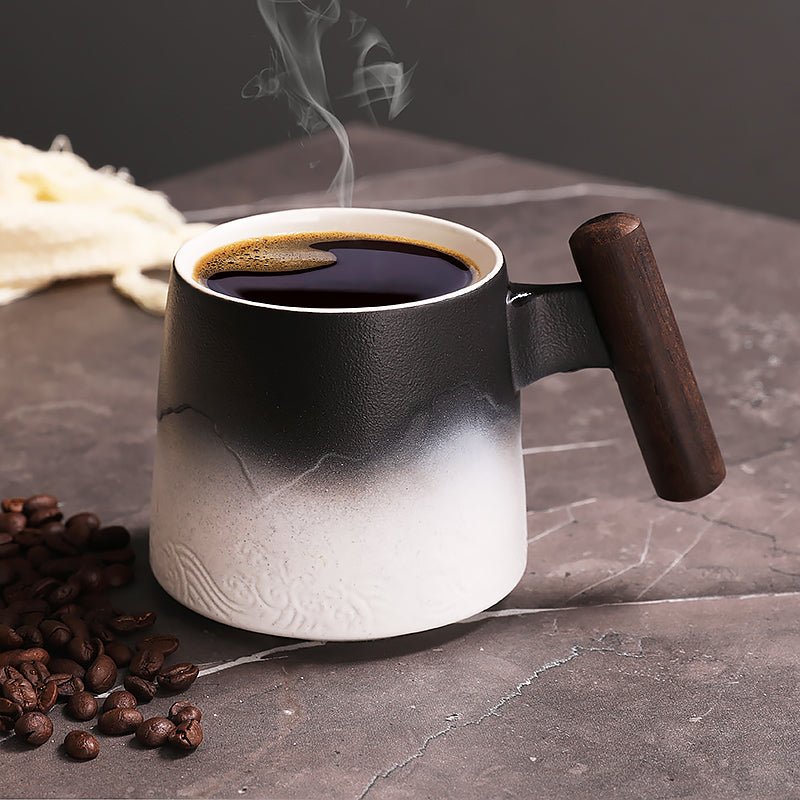
Pottery Coffee Mugs: What Buyers Should Check Before Ordering
Reading time: about 9 minutes
We see the same pattern again and again: someone picks up a mug because the glaze looks beautiful, then gets home and realizes the handle is too tight, the rim feels too thick, or it takes forever to warm up on the first pour. That is the real buying problem with pottery coffee mugs. They are easy to love at a glance and easy to regret if you skip the practical checks.
Our team handles mugs for everyday coffee drinkers, office desks, and gift orders, so we look at these pieces the way a shopper actually uses them. Not as decor. As drinkware that has to survive mornings, dish cycles, shelf bumps, and a few clumsy grabs before the commute.
If you want to browse our current options, start with our products page. If you prefer to compare everything in one place, our all collection is the easiest starting point.
What makes pottery coffee mugs different from standard ceramic mugs?
Pottery coffee mugs are usually chosen for feel first. They tend to have a more handmade look, a heavier body, and glaze variation that gives each mug a little character. That charm is the appeal, but it also means two mugs that look similar online can drink very differently in real life.
In our experience, buyers usually notice three things once they hold the mug in hand:
- Wall thickness: Thicker pottery can hold heat well, but it also adds weight and can feel bulky for smaller hands.
- Rim profile: A smoother, slightly thinner rim often feels better for daily sipping than an overly squared edge.
- Handle size and clearance: A handle that looks good in photos may still be too narrow for four fingers, especially for larger mugs or when you are wearing a ring.
That trade-off matters. A rustic pottery mug can feel more substantial and grounded than a thin café mug, but it may not be the best choice for someone who wants the lightest possible cup for back-to-back refills. If you mostly want a mug that disappears in your hand, a lighter ceramic style may suit you better.
Which size should you choose for daily coffee use?
Size is where buyers make the biggest mistake. A mug that looks comfortable on a product page can turn out too small for a full pour or too large for a quick espresso-based drink. For most shoppers, the right capacity depends on the way coffee is actually served at home or at work.
We recommend thinking in real-use scenarios:
- 8 to 12 oz: Better for shorter pours, stronger coffee, tea, or someone who wants a compact mug that fits under small brewers.
- 16 oz: A common sweet spot for larger morning pours, room for milk, or desk use where refills are inconvenient.
- 20 oz and above: Best for those who want one large cup and fewer trips to the brewer, though the mug can feel heavy when full.
If you are comparing capacities, our related guides can help. We break down the trade-offs in 12 oz Coffee Mugs: What to Check Before You Buy, 16 oz Coffee Mugs: What to Check Before You Buy, and 20 Ounce Coffee Mugs: What Buyers Should Check Before Ordering.
We also point small-space buyers toward compact options in 8 Ounce Coffee Mugs: What Buyers Should Check Before Ordering when the goal is espresso, tasting, or a smaller hand feel.
Which pottery details matter before you buy?
Photos do not tell the whole story. The finish, base, and handle design affect how a mug works day after day. These are the details we check before we recommend a piece.
| Detail | Why it matters | What to watch for |
|---|---|---|
| Glaze type | Affects look, texture, and cleanup | Very matte glazes can show utensil marks more easily; glossy glazes usually wipe down faster |
| Foot ring | Stability on counters and tables | A rough or uneven base can scratch wood surfaces if not finished cleanly |
| Handle clearance | Comfort and grip | Hands should fit without pressing knuckles against the mug body |
| Rim thickness | Drinking comfort | Overly thick rims can feel heavy at the mouth, especially on larger mugs |
There are also common defect modes that a careful buyer should notice before ordering. We look for hairline glaze cracks, uneven firing marks that affect the drinking lip, and wobbly bases that do not sit flat. A handmade look is not the same as poor finish. One gives character. The other gives you a mug that annoys you every morning.
Are pottery coffee mugs good for dishwasher and microwave use?
Sometimes yes, sometimes no, and the difference comes down to the exact clay body, glaze, and decoration. Some pottery coffee mugs handle regular dishwasher cycles just fine. Others are better washed by hand if the glaze is delicate, textured, or decorated with metallic accents.
For daily buyers, this is the practical rule we use: if you want the easiest routine, choose a mug with a smooth, fully glazed exterior and a maker note that supports dishwasher use. If you use the microwave often, avoid mugs with metallic details or unknown decorative finishes. Those are not the mugs for reheating.
We are careful not to overpromise here. Pottery is durable enough for normal use, but it is not the best pick if you want a mug you can bang around in a gym bag, pack loosely for travel, or leave in a car cup holder all day. A stainless travel mug is better for that job.
For everyday home use, the best pottery mug is the one that balances weight, comfort, and cleanup. The prettiest mug is not always the easiest mug.
How do you tell if the handle and shape will feel right in real life?
The handle is the part that gets ignored until the first morning use. We handle enough mugs to know that comfort is not just about size; it is about where your fingers sit and how the mug balances when full.
Here is the short checklist we use in our store:
- Check finger room: You should be able to fit at least three fingers comfortably if you prefer a stable grip.
- Check thumb placement: The top of the handle should not force your thumb into an awkward angle.
- Check balance: When the mug is full, it should feel centered rather than nose-heavy.
- Check lip comfort: A mug with a comfortable rim often feels better than one with a flashy shape that looks better on a shelf than at breakfast.
Shape matters too. A wider mug can cool coffee faster. A taller mug can concentrate heat better, but may be harder to clean if the interior tapers too sharply. If you are comparing larger daily-use options, our buyer’s guide to large capacity coffee mugs is a useful companion read.
What should you buy pottery coffee mugs for: gifts, home use, or office desks?
Different use cases call for different choices. This is where many shoppers buy the wrong style. A mug that works beautifully on a kitchen shelf may be frustrating at a crowded desk, and a desk-friendly mug may feel too plain for a gift.
Here is how we separate the use cases:
- Gift giving: Choose pottery coffee mugs with a clean glaze, a comfortable handle, and a finish that looks good unboxed. Gift buyers usually want something that feels special without being fragile-looking.
- Home use: Prioritize comfort, easy cleaning, and the size you actually drink from on weekday mornings.
- Office desk: Look for a stable base and a size that fits under your coffee machine or beside a laptop without taking over the desk.
For shoppers comparing styles beyond pottery, our guide on Amazon Coffee Mugs: How to Compare Materials, Sizes, and Everyday Use is helpful if you are cross-shopping by material and everyday convenience. If you want a more domestic-made angle, American Made Coffee Mugs: How to Compare Materials, Sizes, and Everyday Use gives another useful comparison point.
What are the main trade-offs with pottery coffee mugs?
Pottery coffee mugs are not a perfect fit for every buyer. That honesty matters more than hype. The same qualities that make them appealing can also make them less practical for some routines.
The biggest trade-offs are straightforward:
- Heavier feel: Great for a grounded, substantial mug. Less ideal if you want something feather-light.
- Handmade variation: Good for character. Not ideal if you want every mug in a set to look identical.
- Heat retention: Often satisfying for slow sipping. Less useful if you always finish coffee in a hurry.
- Care sensitivity: Some finishes need gentler handling than mass-produced drinkware.
If your priority is campsite durability, road trips, or repeated drops, pottery may not be your best first choice. If your priority is a mug that feels good at breakfast, looks nice on the counter, and makes ordinary coffee feel a little more intentional, pottery is still one of the strongest categories to consider.
Frequently asked questions
Are pottery coffee mugs safe for everyday coffee?
Yes, if the mug is made for food and beverage use and the finish is intended for drinking. The practical check is comfort, stability, and whether the glaze is smooth enough for easy cleaning. If the mug has cracks, rough spots, or unknown decorative coatings, we would skip it.
Can pottery coffee mugs go in the dishwasher?
Some can, but not all. A fully glazed pottery mug with simple decoration is usually easier to clean in the dishwasher than a textured or hand-decorated piece. If the maker gives hand-wash guidance, follow that instead of assuming it is dishwasher-safe.
Which size pottery mug is best for daily use?
For many buyers, 12 oz to 16 oz is the practical range. Smaller sizes suit compact pours and smaller hands, while 16 oz works well for larger morning coffee or milk-based drinks. If you want a bigger single serving, 20 oz can work, but it will feel heavier when full.
Do pottery coffee mugs chip easily?
They can chip if knocked against sinks, counters, or stacked loosely with other mugs. A well-made piece should feel solid, but pottery is still ceramic, so it is not the best choice for rough handling. We recommend checking the rim, base, and handle junction carefully.
What should I check before ordering pottery coffee mugs online?
Check the capacity, handle shape, finish, and care instructions first. Then look for photos that show the mug from the side and top so you can judge the rim and opening. If you want a wider comparison, browse our all collection and compare the styles that fit your routine best.
If you are ready to narrow it down, start with the mug size you actually use on weekdays, then compare handle clearance, glaze type, and care notes. From there, move into our products page and choose the piece that fits your coffee routine, not just your shelf.
Read more
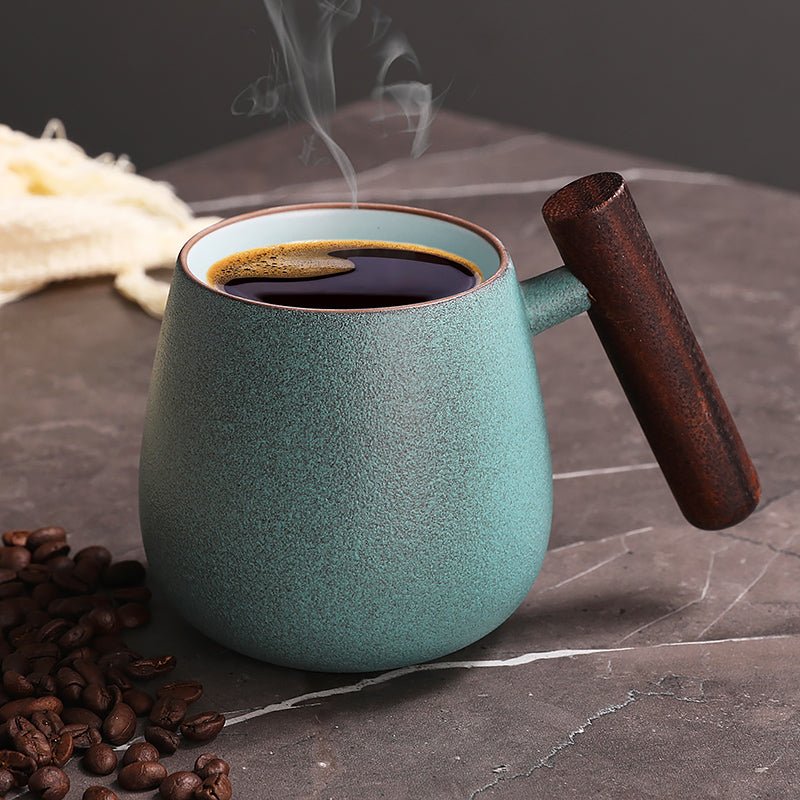
Ceramic Travel Coffee Mug with Lid: What Buyers Should Check Before Buying
A ceramic travel coffee mug with lid feels simple until you start comparing lid fit, heat retention, and spill risk on a desk or in a car. This guide breaks down the real trade-offs so you can choo...
Read more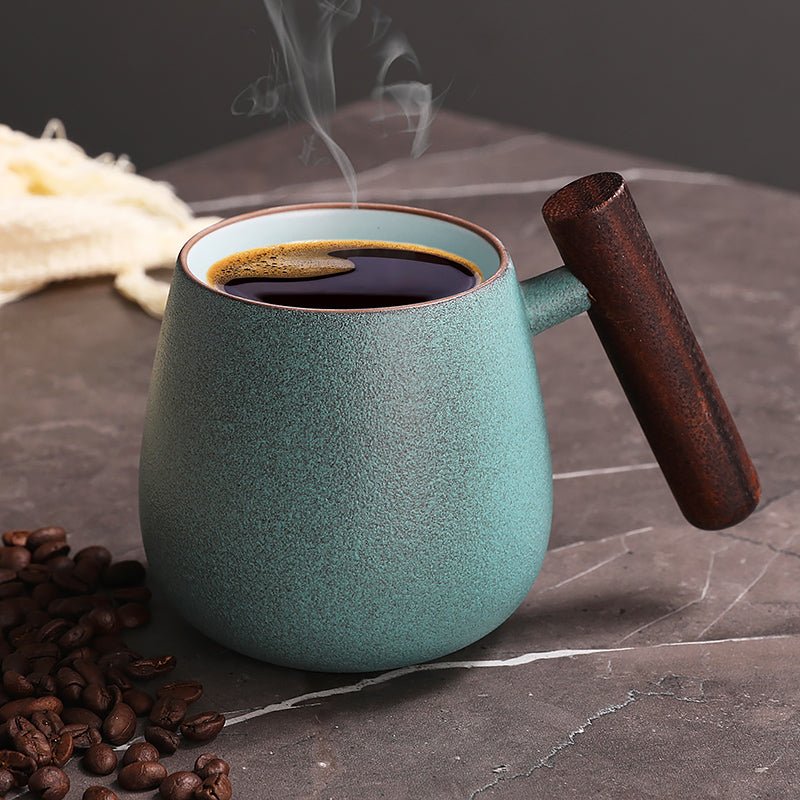
Standard Coffee Mug Size: What Buyers Should Know Before Ordering
A standard coffee mug size is usually around 11 to 15 oz, but the right choice depends on how you drink coffee, how much room your machine leaves, and whether you want a mug for daily use or giftin...
Read more
Leave a comment
This site is protected by hCaptcha and the hCaptcha Privacy Policy and Terms of Service apply.