
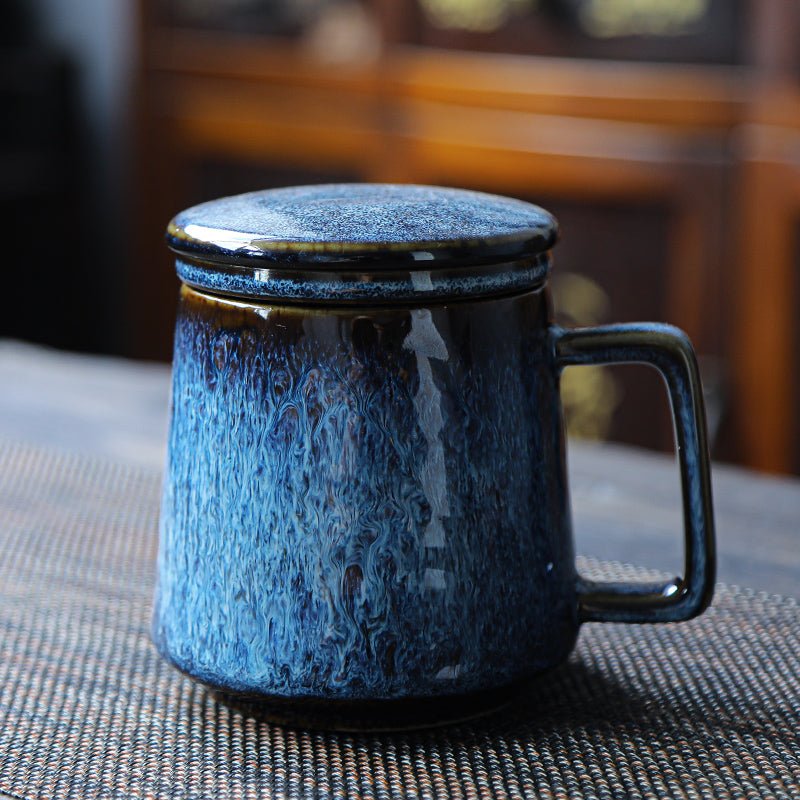
Pottery Coffee Mug Buying Guide: What to Check Before You Buy
Reading time: about 7 minutes
A pottery coffee mug can look right on the shelf and still feel wrong after two days of use. The usual problems show up fast: a handle that crowds your fingers, a rim that feels too thick, a base that wobbles on a desk, or a glaze that looks beautiful but is annoying to clean after milk foam and coffee residue. We handle mugs for real buyers, and our team looks at those small details before we recommend one.
If you want a mug that stays planted on the counter, feels solid in the hand, and makes a morning cup feel a little more deliberate, a pottery coffee mug is a strong pick. If you need something ultralight, travel-friendly, or sized for a car cup holder, this is usually the wrong category. That trade-off matters.
What makes a pottery coffee mug worth buying?
Pottery mugs usually have thicker walls than thin porcelain cups, which gives them a heavier hand feel and a more forgiving sip temperature. They also tend to show glaze variation, small surface texture, or shape changes that make each mug feel less machine-perfect. That is part of the appeal, but it also means you should check the practical details instead of buying only on looks.
In our store, we treat a pottery mug like a daily tool first and a display piece second. If it is awkward at the sink, on a work desk, or under a coffee machine, the charm wears off quickly.
There is one more reality check: pottery is a broad category. Many everyday coffee mugs are made from stoneware, which is denser and usually better for repeated use than a very porous earthenware body. If a listing does not say what the body is, look closely at the product page language and care notes before you buy.
What should you check before you choose one?
We look at the same core details every time because they are the ones customers notice after the first week.
- Capacity - A mug that looks generous in photos can feel small once you pour in milk or add room for foam. Check the stated ounces and think about your real drink, not just the label.
- Handle clearance - If two or three fingers do not fit comfortably, the mug will feel clumsy when it is full.
- Rim thickness - Thicker rims feel sturdier, but some people prefer a thinner sip edge. The feel changes more than most shoppers expect.
- Base stability - A slightly wider foot helps on crowded desks and slick kitchen counters.
- Glaze finish - Glossy glaze is usually easier to wipe clean; matte or textured finishes can show tea and coffee residue faster.
- Care instructions - Dishwasher and microwave guidance matters. If the seller gives specific care notes, follow them.
| Check | Why it matters | What we want to see |
|---|---|---|
| Capacity | Sets how much room you have for coffee, milk, or foam | A size that matches your usual pour, not just a photo |
| Handle shape | Controls comfort when the mug is hot or full | Clear finger space and a grip that does not pinch |
| Base | Protects against tipping on desks and counters | A stable foot that sits flat |
| Glaze | Affects cleaning and long-term appearance | A finish that matches your cleanup habits |
Which pottery mug style fits your routine?
If you drink your coffee at a desk, the shape and balance matter more than decorative details. A mug with a stable base and a comfortable handle is easier to live with than a highly sculptural piece that looks great in photos but crowds your hand.
For shoppers comparing styles in our store, start with The Flow Coffee Tea Mug if you want a cleaner, more restrained look that works well for everyday coffee and tea. If you want a more landscape-inspired feel on the shelf and at the table, Mountain Sea Coffee Tea Mug gives you a different visual direction without changing the basic job of the mug. For a sturdier, more grounded profile, Spittoon Coffee Tea Mug is the kind of shape many buyers gravitate toward when they want the mug to feel planted.
To see every current option together, use the full collection. That is the fastest way to compare silhouettes if you are choosing a mug as a gift and want the design to feel personal rather than generic.
If you are split between sizes, our related guides can help with actual fill behavior and everyday use: 10 oz Coffee Mug: Size, Fit, and What to Check Before You Buy, 11 oz Coffee Mug: Size, Fit, and What to Check Before You Buy, and 12 Ounce Coffee Mug Buying Guide for Daily Use and Better Fit.
How does a pottery coffee mug compare with other mug materials?
People often compare pottery to porcelain, glass, or stainless steel, but the use case is different each time.
| Material | Feel | Best for | Trade-off |
|---|---|---|---|
| Pottery or stoneware | Substantial, warm, tactile | Home brewing, desk use, gifting | Usually heavier and not ideal for travel |
| Porcelain | Smoother and lighter | Classic tableware and a cleaner sip edge | Can feel thinner and less grounded in the hand |
| Glass | Light and visually open | Showcasing layered drinks | Less insulating and more fragile in daily handling |
| Stainless travel mug | Practical and sealed | Commutes and long gaps between sips | Not as pleasant for a slow cup at home |
If you want a mug that stays at the kitchen counter, pottery is usually the better emotional and tactile choice. If you want light weight or commute-proof durability, another material makes more sense.
How should you care for one so it stays in good shape?
Small care habits make a real difference with ceramic and stoneware. We see the same avoidable wear patterns over and over: chips from sink contact, cloudy residue from hard water, and thermal stress from extreme temperature swings.
- Let it cool before rinsing. A sudden temperature swing can be hard on ceramic bodies.
- Wash the interior promptly after coffee with milk or sweet syrups so residue does not build up in the glaze.
- If the product page mentions dishwasher use, place the mug where it will not bang into other dishes.
- Do not stack mugs if the rim or glaze decoration is delicate.
- If you notice crazing, chips, or a rough foot ring, treat that as a use-and-care signal rather than ignoring it.
We do not recommend a pottery coffee mug for a bag, a bike commute, or any situation where you need a sealed lid. It also is not the best fit if you habitually drink large iced coffees and want extra room for ice. Those buyers usually end up happier with a travel tumbler or a larger insulated cup.
What defects or annoyances should you watch for?
Most disappointments are not dramatic. They are small, repeated annoyances that show up in normal life. The common ones are a wobbly base, a handle that pinches, a rim that feels uneven, glaze drips that collect dust, and chips at the foot from rough sink handling.
Gift buyers should pay attention to unboxing as well. A mug that feels solid but arrives under-packed or with poor padding is still a bad experience. If you are buying as a present, a clean silhouette and a safe shipping path matter just as much as the design itself.
Frequently asked questions
Is a pottery coffee mug good for daily use?
Yes, if you want something steady, comfortable, and made for countertop drinking. A good pottery coffee mug is usually better for home, office, or gift use than for commuting. The main check is whether the handle, size, and care instructions match your routine.
What size pottery coffee mug should I buy?
For many buyers, 10 to 12 ounces is the practical range for everyday coffee. Smaller cups feel better for espresso drinks or short pours, while larger mugs suit long coffee sessions, tea, or room for milk. If you are undecided, start with the size guides linked above.
Are pottery coffee mugs microwave and dishwasher safe?
Sometimes, but not always. It depends on the clay body, glaze, decoration, and the maker’s care instructions. If the product page does not clearly say, assume nothing and check before you buy.
What makes a pottery mug better than a thin ceramic mug?
Pottery mugs often feel more grounded in the hand and can hold heat a bit differently because of their thicker build. They also tend to have more character in the glaze and shape. The downside is that they are usually less compact and not ideal if you want a very light, stackable cup.
Who should skip a pottery coffee mug?
If you need a travel mug, a cup holder fit, or something ultra-light for work bags, a pottery mug is not the right tool. The same goes for shoppers who want the most uniform, machine-perfect cup possible. In those cases, a travel tumbler or a simpler factory mug will usually make more sense.
If you are narrowing it down today, compare the handle feel, stated capacity, and care notes first. Then browse the full collection and pick the pottery coffee mug that fits your drink size and countertop habits, not just the photo.
Read more
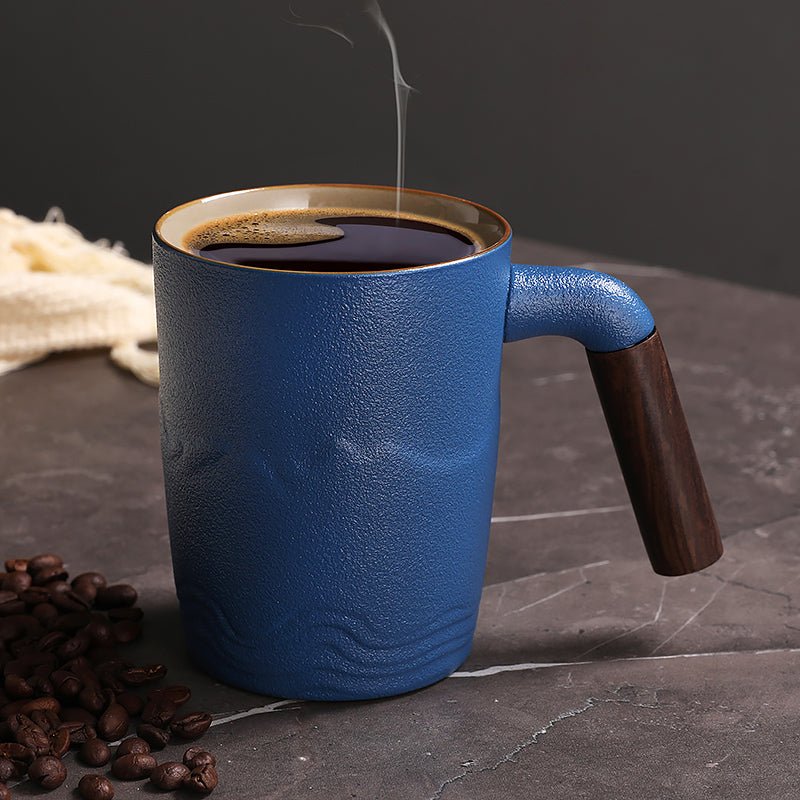
20 oz Coffee Mugs: What Buyers Should Check Before Ordering
20 oz coffee mugs are a practical choice for larger pours, milk drinks, and desk use, but the wrong shape can feel bulky fast. We break down material, handle comfort, and the trade-offs to check be...
Read more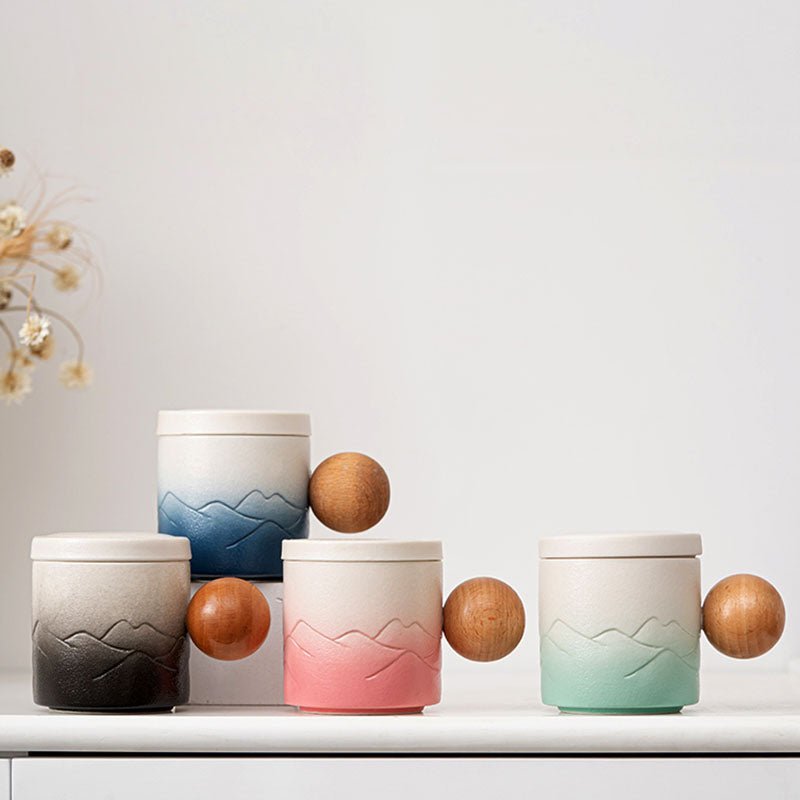
Thanksgiving Coffee Mugs: Best Picks for Hosting and Gifting
Thanksgiving coffee mugs need to work on a crowded table, survive repeat refills, and still feel giftable. We compare sizes, shapes, finishes, and care so you can choose one that fits the holiday a...
Read more
Leave a comment
This site is protected by hCaptcha and the hCaptcha Privacy Policy and Terms of Service apply.