

Pendleton Coffee Mug Buying Guide: Fit, Handle, and Daily Use
Reading time: about 9 minutes
A mug can look right on a product page and still feel wrong at 7 a.m. if the handle pinches two fingers, the rim feels too thick, or the cup tips toward the sink when you set it down fast. That is the part shoppers usually discover only after the first few uses. In our store, we see people choosing a pendleton coffee mug for the look first, then asking the practical question second: will this actually work on a kitchen counter, a desk, or as a gift someone will use every day?
That is the filter we use here. If you want to compare styles quickly, start with our full mug collection, then open the product pages for the Mountain Sea II Coffee Tea Mug with Wooden Handle, The Cloud Coffee Tea Mug with Wooden Handle, and The Rock Coffee Tea Mug. Those three give you a useful spread: wooden-handle styling, a simpler everyday feel, and a clear reference point for how the mug sits in hand.
What should you check before buying a Pendleton coffee mug?
The first mistake is buying for the pattern and skipping the basics. We see shoppers unbox a mug, like the print, and then realize the handle is too narrow for their fingers or the cup is smaller than they expected. A good pendleton coffee mug needs to clear three tests before it earns a spot on your shelf: it should feel stable, it should pour and sip cleanly, and it should suit the way you actually drink coffee.
Start with these checks:
- Capacity: make sure the mug size matches the drink you make most often, not the one you make once a month.
- Handle clearance: leave room for two or three fingers if you like a relaxed grip, especially for hot drinks.
- Rim shape: a smoother rim usually feels better for daily sipping than a bulky one.
- Care: think about how often you wash by hand versus run items through the dishwasher.
- Storage: if you stack mugs tightly, a more delicate finish or a wooden accent may need extra space.
If you are buying this as a gift, we also look at the part most buyers forget: how the mug feels when held empty. Some mugs photograph as rustic but feel awkward once the coffee is gone and the cup is lighter. That is where handle shape and balance matter more than graphics.
Which style is better for daily use: wooden handle or simple mug?
There is no single winner here. A wooden-handle mug usually gives you a warmer, more tactile feel in the hand, while a simpler mug is easier to rinse, stack, and keep moving through an ordinary workday. If you drink your coffee at a kitchen table and leave the mug out for a while, the handle style may be the feature you notice most. If your mug lives next to a laptop, the easier-cleanup route may be the better buy.
| Style | What it does well | Trade-off | Best fit |
|---|---|---|---|
| Mountain Sea II Coffee Tea Mug with Wooden Handle | Distinct feel in hand, strong visual character, good for a thoughtful gift | Wooden accents usually deserve more careful washing and drying | Morning coffee, office display, gift unboxing |
| The Cloud Coffee Tea Mug with Wooden Handle | Same practical handle advantage with a softer everyday look | Not the best choice if you want the simplest possible cleanup routine | Tea, coffee breaks, home desks |
| The Rock Coffee Tea Mug | Straightforward shape, easy to understand, easy to pair with other kitchenware | Lacks the tactile wooden accent some buyers want | Daily use, backup mug, mixed household sets |
For shoppers who want to compare more size-focused options before deciding, our article 10 oz Coffee Mug: Size, Fit, and What to Check Before You Buy is a good starting point. If you are torn between a smaller everyday mug and something that handles a longer pour, 12 Ounce Coffee Mug Buying Guide for Daily Use and Better Fit gives the clearest comparison.
What size and shape work best for coffee, tea, or desk use?
Size sounds simple until you live with the mug. A cup that feels perfect for one short coffee can feel cramped for tea, while a larger one may look right on a shelf but feel too heavy once filled. We usually think about size in terms of routine: one pour in the morning, long meetings at a desk, tea refills in the afternoon, or a mug that has to fit under a machine without fuss.
Here is the practical version:
- For a quick coffee break: a smaller mug often feels lighter and easier to manage.
- For drip coffee or tea: a mid-size mug tends to hit the best balance of comfort and volume.
- For milk-heavy drinks: choose a mug with enough opening width so foam and liquid do not crowd the rim.
- For desk use: a stable base matters as much as the printed design, because one bump next to a keyboard ruins the morning.
If you are comparing 11 oz and 12 oz mugs, we cover the practical differences in our other guides, and the reason those articles matter is simple: real-world capacity changes how often you refill, how hot the drink stays, and how easy the mug is to carry when full. A buyer who drinks espresso-style coffee twice a day will want something different from someone who finishes one slow mug over an hour.
Our advice is straightforward. If you like compact, tidy servings, choose the smaller-feeling option. If you want fewer refills and a mug that works for both coffee and tea, lean toward the broader mid-size profile. If you are buying for a household where one person wants strong coffee and another wants a big tea pour, prioritize comfort over design details.
What can go wrong with a mug like this?
Trustworthy shopping means saying where a mug is not ideal. A pendleton coffee mug style is not the best answer for every buyer. It is a weaker fit if you need a travel mug with a lid, a very large tumbler-style vessel, or a cup you plan to toss into every appliance without checking the care notes. It is also not the first pick if you want the absolute lightest mug possible for an office drawer.
The most common issues we look for in this category are practical, not dramatic:
- Handle fit: a handle can look roomy online and still feel tight once you wrap your fingers around it.
- Rim feel: a rough rim or uneven glaze edge can make a mug annoying even if the design is attractive.
- Balance: a mug that feels top-heavy when empty can feel unstable when full.
- Finish wear: wooden accents and printed surfaces may show more wear if they are soaked, scrubbed hard, or stored wet.
- Shipping damage: chips usually happen at the rim or the base, so inspect those first when the box arrives.
Our rule in the warehouse is simple: a mug should feel good before the first sip, not just after it is styled for a photo.
That is why we recommend reading the product page carefully and matching the mug to the job. If the mug is mostly for display, the design can lead. If it is for everyday use, handle clearance and cleanup should lead.
How should you care for a wooden-handle mug?
Wood changes the maintenance conversation. It gives the mug a more tactile, warmer feel, but it also asks for a little more attention than a fully glazed mug. In practice, that means you should think about how quickly you wash, dry, and store it after use. We would not choose a wooden-handle mug for someone who leaves dishes to soak all night and sorts cleanup later.
Our basic care checklist is:
- Wash it promptly after use so coffee and tea do not sit on the surface for hours.
- Dry the wooden area thoroughly instead of letting it air-dry in pooled water.
- Store it where the handle will not get knocked against other mugs or pans.
- Use gentler cleaning habits than you would with a plain diner-style mug.
- Check the individual product page if you want to confirm heating or dishwasher guidance before regular use.
If you want the lowest-maintenance option for a busy kitchen, a simpler mug often makes more sense. If you want a mug that feels special on first use and still practical for coffee or tea, the wooden-handle styles are a stronger fit. That trade-off is real, and we prefer to say it clearly rather than gloss over it.
Which mug should you choose if you are buying as a gift?
Gift buyers usually want two things at once: something that looks considered and something the recipient will actually use. That is why a pendleton coffee mug can work well as a gift, provided you choose a size and handle style that fit the person, not just the theme. A wooden-handle mug feels more curated for unboxing, while a simpler mug is easier for someone who just wants an everyday cup without extra upkeep.
Use this short gift filter:
- For a design-forward friend: the wooden-handle styles are the more memorable pick.
- For a practical coworker: the simpler mug is easier to use at a desk or in a shared kitchen.
- For coffee-first buyers: prioritize comfort in the hand over a decorative pattern alone.
- For tea drinkers: think about sip comfort and whether the cup feels balanced when filled.
If you want a broader buying checklist before placing the order, our article Pendleton Coffee Mug: What to Check Before You Buy breaks down the decision in plain language and is a good companion piece to this one.
Frequently asked questions
Is a Pendleton coffee mug good for everyday use?
Yes, as long as the size and handle fit your routine. For daily use, we look for a mug that feels comfortable when full, rinses clean without effort, and does not force you to grip it awkwardly by the side.
Are wooden-handle coffee mugs harder to care for?
Usually, yes. Wooden accents generally need a little more care than a fully glazed mug, especially around drying and storage. If you want the easiest cleanup path, a simpler mug is the safer choice.
What size Pendleton coffee mug should I buy?
Pick the size you will use most often, not the one that looks best in a photo. Smaller mugs suit quick coffee breaks, while mid-size mugs are usually better for drip coffee, tea, and longer desk sessions.
Can I use a wooden-handle mug for hot drinks every day?
Yes, if the product page and care notes fit your routine. The main question is not whether it can hold hot coffee, but whether you are comfortable with the extra care that comes with wood and the way the handle feels after repeated use.
What should I check when the mug arrives?
Inspect the rim, base, and handle first. Look for chips, rough glaze, or a handle that feels too tight for your fingers, because those are the issues that affect daily use long before the mug becomes a style piece on the shelf.
If you are ready to narrow it down, compare the three product pages above, then open our full mug collection and choose the handle style, size, and care level that match the way you actually drink coffee.
Read more
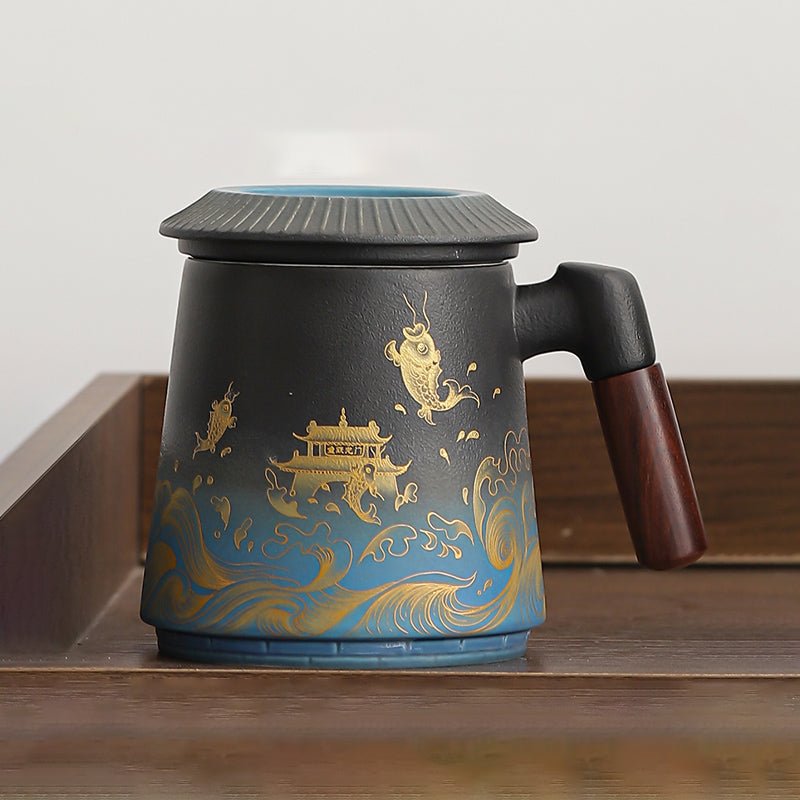
Japanese Coffee Mug: What to Check Before You Buy
A practical buyer's guide to choosing a Japanese coffee mug by size, material, shape, and care. We cover what works for daily coffee, what does not suit oversized drinks, and which details matter b...
Read more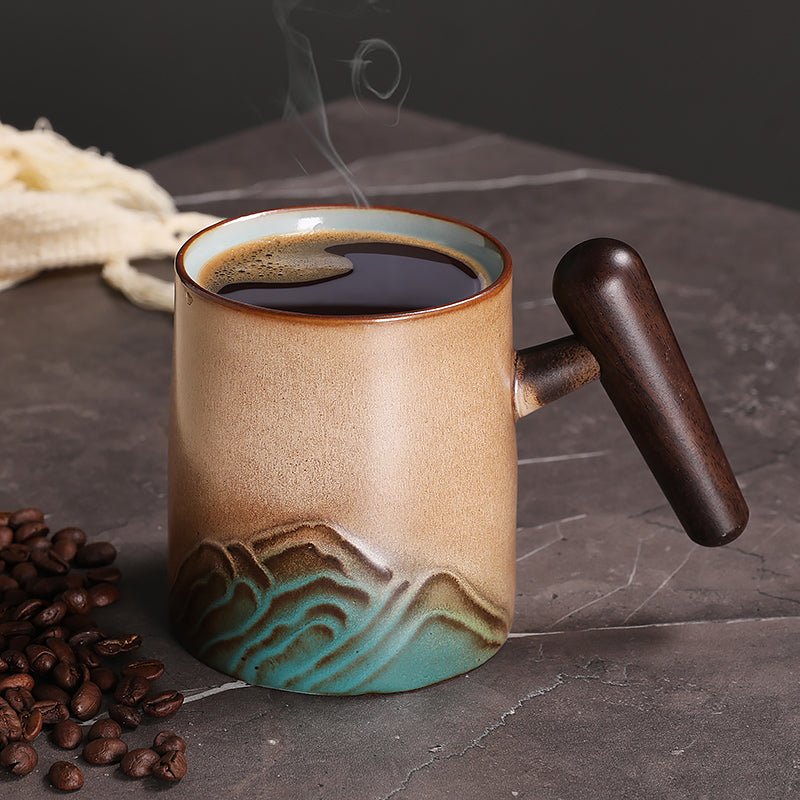
Pendleton Coffee Mug: What to Check Before You Buy
A practical buyer’s guide to choosing a Pendleton coffee mug-style mug, with real checks on size, handle comfort, care, and when a wooden-handle alternative makes more sense.
Read more
Leave a comment
This site is protected by hCaptcha and the hCaptcha Privacy Policy and Terms of Service apply.