
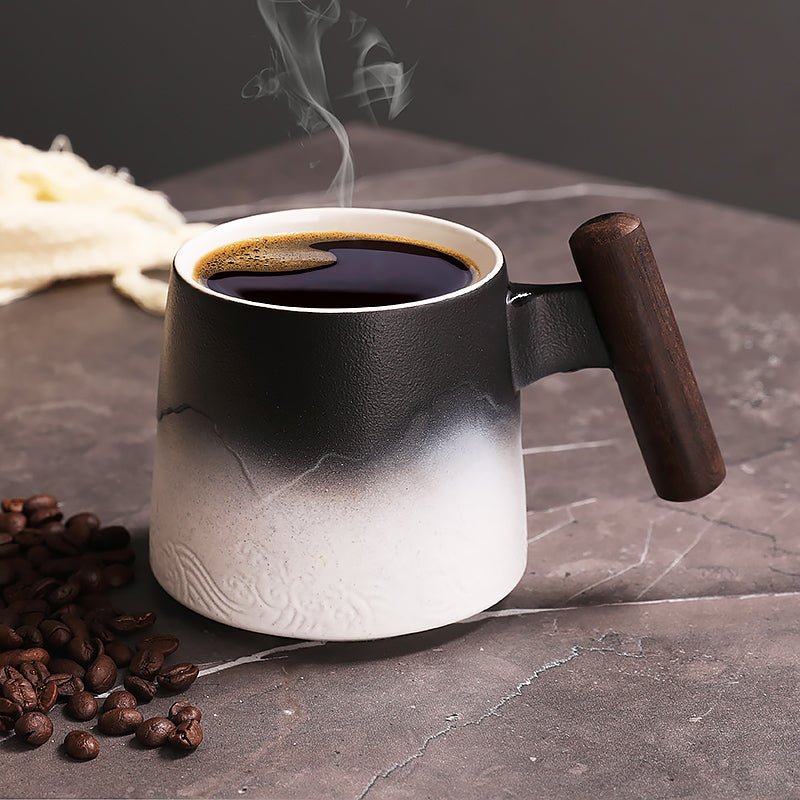
Outline of Coffee Mug: What to Check Before You Buy
Reading time: about 8 minutes
The outline of a coffee mug changes the whole experience before the first sip. A mug can hold the right amount and still feel wrong if the rim is too wide, the handle sits too close to the body, or the base looks stable but tips slightly on a desk.
In our store, we look at the silhouette the same way a buyer does in real life: on a kitchen counter at 7 a.m., next to a laptop in a shared office, or still in the box when someone opens it as a gift. If you are comparing options, start with our full mug collection, then look at a few different styles side by side, like Golden Waves Kio Coffee Tea Mug, The Flow Coffee Tea Mug, and Mountain Sea Coffee Tea Mug.
What does the outline of coffee mug actually mean?
Here, outline means the mug's physical profile, not a printed design. We are talking about the way the wall rises from the base, whether the body stays straight or tapers, how open the rim feels, and how the handle joins the mug.
That profile matters because it affects practical things buyers notice fast. A straight-sided mug can feel more direct and modern. A rounded mug often feels softer in the hand. A tapered mug can look slimmer on a shelf, but it may also lose a little stability if the base is too narrow.
Buyers usually notice the outline before they notice the pattern. A shape that looks elegant on a product page can still be awkward if the handle opening is tight for larger fingers or the rim feels too flared for sipping hot tea.
Which mug outline feels best for daily use?
There is no single best outline of coffee mug for everyone. The right shape depends on how you drink, where you keep the mug, and how much room you have on the counter or in the dishwasher rack.
| Outline type | What it feels like | Best for | Trade-off |
|---|---|---|---|
| Straight-sided | Stable, clean, easy to read visually | Desks, office kitchens, simple everyday use | Can feel less warm or organic in the hand |
| Tapered | Slender, visually lighter, often comfortable to grip | Gifting, smaller cabinets, a more refined shelf look | Can look smaller than it is and may feel less planted |
| Rounded | Soft, familiar, classic coffee-mug feel | Morning coffee, tea, home kitchens | Can take up more visual space on the counter |
| Sculpted | Distinctive, decorative, more personality | Gifts, display shelves, buyers who want a statement piece | Usually less stackable and not as flexible for minimalist setups |
If you want a mug that feels calm and balanced, The Flow Coffee Tea Mug is the kind of shape buyers often compare against simpler everyday mugs. If you want something with more visual movement, Golden Waves Kio Coffee Tea Mug leans more expressive. For a nature-inspired silhouette that reads well on a kitchen shelf, Mountain Sea Coffee Tea Mug is worth a close look.
What details should you check before buying?
The shape gets attention, but the small details decide whether the mug feels good every day. When we inspect mugs for our store, we look at the same things repeated use will expose.
- Handle clearance: Make sure your fingers fit without brushing the hot body of the mug. A handle can look generous in photos and still feel tight in real use.
- Rim thickness: A thinner, even rim usually feels better for coffee and tea. A rim that is too thick can change the sip and make the mug feel clunky.
- Base flatness: A mug should sit flat on a counter without rocking. A slightly uneven base is one of the most annoying defects because you notice it every time you set the mug down.
- Glaze consistency: Look for an even finish without pinholes, rough patches, or obvious pooling. Those issues do not always mean a mug will fail, but they can affect the feel and long-term appearance.
- Join points: Check where the handle meets the body. Hairline cracks often start there after repeated heating, cooling, or a hard tap in the sink.
These are the checks that matter whether you are buying for a work desk, a family kitchen, or a gift that needs to survive the first dishwasher cycle. A pretty silhouette does not compensate for a handle that feels off or a base that wobbles.
Our practical rule is simple: if the mug looks good but feels awkward empty, it will usually feel worse once it is full.
How do size and outline work together?
Size and outline affect each other more than buyers expect. A 10 oz mug with a wide mouth can drink smaller than an 11 oz mug with a taller body. A 12 oz mug with straight walls may feel sturdier than a rounded mug with the same capacity.
That is why we usually pair shape questions with capacity questions. If you are comparing fill lines, clearance, and daily comfort, our related guides on 10 oz Coffee Mug: What Fits, What Doesn’t, and What to Buy and 12 oz Coffee Mug Buying Guide for Fit, Comfort, and Daily Use are a useful next step.
Here is the practical way we think about it:
- Smaller, tighter outlines tend to look neat on desks and in cabinets, but they may feel less forgiving for larger hands.
- Wider openings are easy to drink from, especially for tea, but they expose more surface area and can cool a drink faster.
- Taller profiles can look elegant and save visual space, yet they may be more top-heavy if the base is narrow.
For most buyers, the best choice is not the biggest mug or the prettiest one. It is the mug whose outline matches the way you actually drink.
Which outline should you choose for home, office, or gifting?
Different buying situations call for different mug outlines. A mug for the office does not need the same personality as a mug chosen as a gift, and a home mug may need to handle a lot more dishwasher use than a display piece.
For the office, a simple straight or gently tapered outline is usually easier to store and less likely to snag in a crowded cabinet. For gifting, a sculpted or more artistic profile often feels more intentional because it looks special the moment it is unboxed. For home use, a rounded mug usually gives the most familiar feel, especially if the buyer drinks coffee or tea every day.
We do not recommend a highly decorative outline for someone who wants a purely utilitarian mug. If the person stacks mugs tightly, uses a narrow mug rack, or prefers one-handed handling while answering emails, a simpler shape is usually the safer pick.
That is why buyers often compare a few styles before choosing. A more expressive mug like Golden Waves Kio Coffee Tea Mug can make sense for a gift, while a cleaner shape like The Flow Coffee Tea Mug may fit a daily routine better. If you want to browse all options in one place, the full collection is the fastest way to compare outlines without jumping between pages.
What problems show up after a few weeks of use?
This is where the outline of coffee mug becomes more than a style question. Real use exposes weak points that product photos do not show.
- Handle fatigue: If the handle opening is too small or sharply angled, your grip starts feeling awkward after a full cup.
- Heat transfer: Very thin walls can feel nice at first but may get hot quickly if the drink sits for a while or the mug is microwaved often.
- Chipping: Sharp rims and exposed edges are more likely to chip if the mug is knocked against a sink, faucet, or another mug.
- Surface wear: Busy dishwasher use can reveal glaze issues, especially around edges, raised details, or the handle joint.
None of that means a decorative mug is a bad buy. It just means the buyer should match the mug to the job. A sculpted mug is great if you want something distinctive on a shelf or a gift table. It is not the best choice if you need a stackable workhorse that lives in a shared office cabinet.
Frequently asked questions
What does the outline of coffee mug mean?
It means the mug's physical shape or silhouette: straight, tapered, rounded, or sculpted. That outline affects how the mug feels in your hand, how stable it sits, and how easy it is to store or clean.
Which coffee mug outline is easiest to hold?
For most people, a gently tapered or rounded outline feels easiest to hold because the hand naturally settles around it. The handle still matters more than most buyers expect, so check the spacing and angle as well as the body shape.
Are sculpted mugs good for everyday use?
They can be, but they are usually better when style matters as much as function. If you want a mug that stacks neatly, fits in a tight cabinet, or gets used and washed constantly, a simpler outline is usually the better buy.
How do I know if a mug outline will fit my desk or cabinet?
Check the mug's width, height, and handle projection together. A mug can be narrow on paper and still take up more space than expected if the handle sticks out far or the body flares at the top.
Is a wider mug outline better for coffee or tea?
Wider outlines can be easier to sip from and are often comfortable for tea. They also expose more surface area, so drinks may cool faster than they would in a taller, narrower mug.
If you are still deciding, compare the mug's silhouette, handle clearance, and cleaning needs before you look at decoration. Then browse our mug collection and pick the outline that fits your hand, your cabinet, and your daily routine, not just the one that looks good in a photo.
More from our blog
Read more
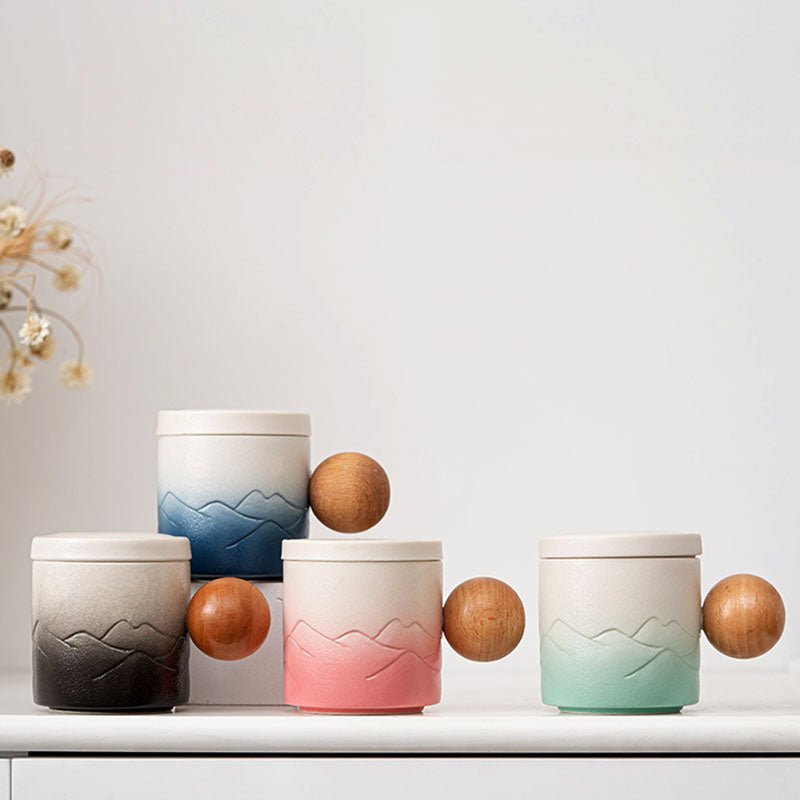
Best Ceramic Coffee Mug: How to Choose the Right One for Daily Use
A practical buyer’s guide to the best ceramic coffee mug for daily use, with real trade-offs on shape, comfort, care, and which style fits your routine.
Read more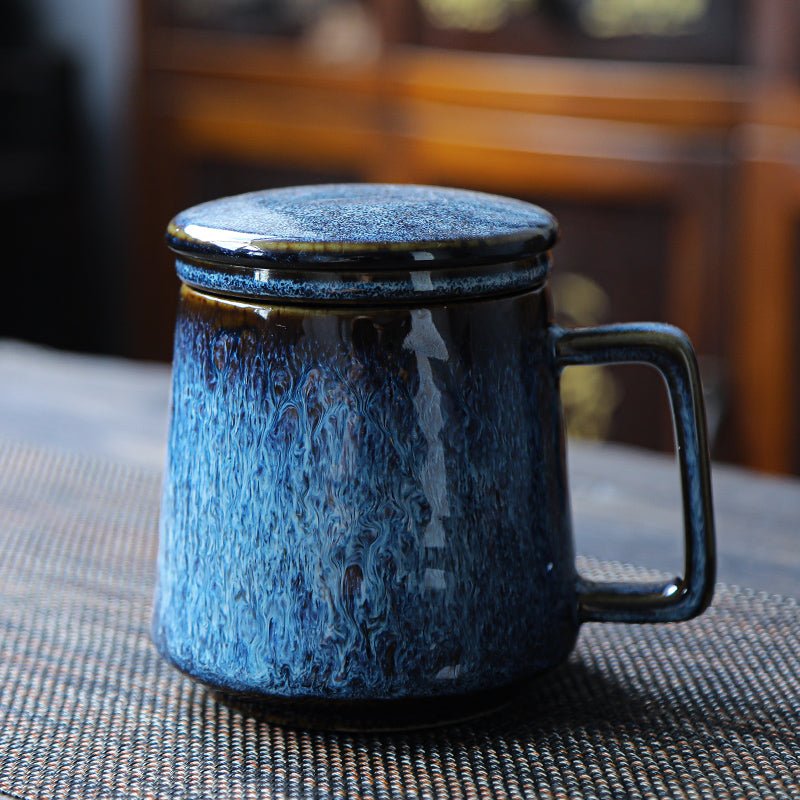
Coffee Mug Wake and Bake: How to Choose the Right Mug
A practical guide to choosing a coffee mug wake and bake setup that feels good in hand, fits your pour, and holds up to daily use. We break down size, shape, materials, and the mugs we would actual...
Read more
Leave a comment
This site is protected by hCaptcha and the hCaptcha Privacy Policy and Terms of Service apply.