
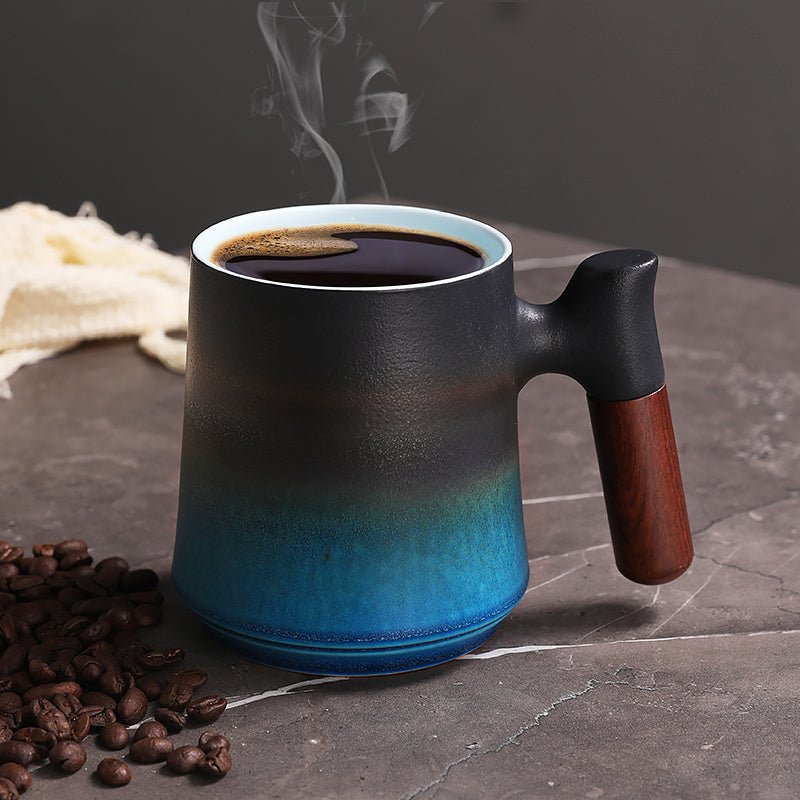
Mr Coffee Mugs: How to Choose a Mug That Gets Used Every Day
Reading time: about 9 minutes
An empty mug on the counter looks harmless until the weekday rush starts. If it sits too low for the brewer, feels awkward after the third refill, or chips too easily in the dishwasher, it stops being the mug you reach for.
That is the real test for mr coffee mugs: not the print, not the novelty, but whether the cup earns a permanent spot next to the machine. In our store, we look at these mugs the same way shoppers do in real life, at a kitchen counter, at an office desk, and during a gift unboxing where the recipient will either use it right away or tuck it into a cabinet.
If you want a simple place to start, compare The Crane Coffee Tea Mug, The Landscape Coffee Tea Mug, and The Gradient Coffee Tea Mug. If you want to browse everything we carry in one place, our all mugs collection is the fastest way to compare styles before you narrow down.
What do buyers usually mean by mr coffee mugs?
People use that phrase in a few different ways. Some mean a mug that pairs well with a Mr. Coffee drip brewer. Others mean a dependable everyday mug that can sit beside a coffee maker, survive repeated wash cycles, and still feel comfortable for tea, cocoa, or an office refill.
We treat it as a buying question about fit and daily behavior, not just branding. A good mug should work in a real kitchen: it should clear the brewer, hold the amount you actually drink, and feel balanced when it is full.
The mugs that get used most often are usually the least fussy. Straightforward shape. Comfortable handle. A finish that does not show every fingerprint. That is why we focus on practical details first and visual style second.
Which mug size works best for daily drip coffee?
Size matters more than most shoppers expect. A mug that feels perfect in a product photo can become annoying if it is too tall for the machine, too wide for a narrow shelf, or so large that the coffee cools before you finish it.
| Size | Best use | Trade-off |
|---|---|---|
| 10 oz | Best for standard drip coffee, smaller servings, and buyers who prefer a tighter pour with less room for add-ins | Less forgiving if you like extra milk, foam, or a larger morning refill |
| 12 oz | Best everyday balance for most kitchens and desks; enough room for cream without feeling oversized | May still feel too compact for someone who drinks large pours or wants a mug for soup-sized servings |
| 14 oz | Best if you want a roomier cup, fewer refills, or extra space for milk and toppings | Heavier in the hand and more likely to be awkward under low-clearance brewers |
If you are stuck between sizes, our separate guides on 10 oz coffee mugs, 12 oz coffee mugs, and 14 ounce coffee mugs break down the trade-offs in more detail.
Our practical rule is simple. If the mug will live next to a drip machine, choose the size that fits the machine and the cabinet first. If it will live on a desk, choose the size that feels stable in the hand and does not dominate the workspace.
What shape and finish actually hold up in real use?
We see three details separate an everyday mug from one that only gets used occasionally.
- Handle clearance: A handle should leave enough room for two fingers without pinching. If the handle is too tight, the mug becomes annoying when it is hot and full.
- Base stability: A mug with a solid base sits better on crowded counters and office desks. A narrow or uneven base can feel wobbly, especially when the mug is heavy with coffee.
- Interior finish: A smooth glazed interior usually cleans more easily than a rough surface. It also makes coffee stains less visible after repeated use.
Shape matters too. A straighter body tends to store more neatly in a cabinet. A slightly flared mug can feel nicer at the rim but may take up more shelf space. If your kitchen is already tight, the mug that stacks or nests more cleanly may be the one you actually keep using.
Care also matters. If a mug is dishwasher-safe, the top rack is usually the safer first choice for keeping the handle and finish in better shape over time. Crowded racks, heavy utensils, and high heat are common causes of scuffs, chips, and faded graphics. That is not a reason to avoid dishwasher use entirely. It is a reason to load the rack with some care.
And if you drink very hot coffee, pay attention to rim thickness. A thinner rim can feel refined, but some buyers prefer the sturdier feel of a fuller rim when the mug is full and the coffee is still steaming.
Which CoffeifyMug options are worth comparing first?
We keep the first comparison simple because shoppers usually want one of three things: clean and minimal, scenic and calm, or a little more color without going loud. Those are the choices that tend to stay on the counter.
| Option | Best for | Why it is worth a look | Trade-off |
|---|---|---|---|
| The Crane Coffee Tea Mug | Buyers who want a clean, graphic everyday mug | It reads clearly at a glance and works well for a desk, a neutral kitchen, or a practical gift | Less decorative if you want a more scenic or colorful look |
| The Landscape Coffee Tea Mug | People who like a calmer, more visual mug without making it overly busy | The style feels softer on open shelving and can suit a slower morning coffee ritual | Not the best pick if you want the most minimal mug on the shelf |
| The Gradient Coffee Tea Mug | Shoppers who want a little more color and movement | It adds personality without needing a full novelty design, so it still works for everyday use | Less understated than a plain mug if your kitchen leans very minimal |
If you are comparing more than these three, the broader all mugs collection is the easiest place to spot the difference between a mug that is purely decorative and one that feels right for repeated use.
Our team looks at these mugs the same way a shopper does after the first week of use. Will it sit well under the coffee maker? Does it feel balanced with one hand while opening a laptop with the other? Does it still look good after a dishwasher cycle and a few coffee rings? That is the standard.
What should you avoid if you want a mug that gets used?
Some mugs look better in a cart than in a kitchen. That is not a defect in the design. It just means the mug is better suited to display than routine use.
- Very tall mugs: They can hit low brewer spouts or feel top-heavy when full.
- Oversized handles: They are comfortable for some buyers, but they take up space in the cabinet and can crowd neighboring mugs.
- Overly delicate rims: A thin rim can feel nice, but it may not be the best match if you want something rugged for daily handling.
- Hard-to-clean textures: Decorative surfaces can trap coffee residue or show wear faster than a smooth glaze.
- Unusual proportions: A mug that looks stylish but does not sit well on a desk or tray is often the one that gets skipped first.
This is also where trade-offs matter. A larger mug is not automatically better. If you rarely drink more than a standard cup, extra capacity can make the mug heavier and slower to finish, which means colder coffee near the end. On the other hand, if you always top up with milk or like a roomier pour, a compact mug can feel cramped fast.
If you want a mug that survives the actual routine of coffee, think about storage, washing, and brewing clearance before you think about artwork.
How do you choose one if it is a gift?
For gifting, the safest choice is the mug that does not require a long explanation. It should feel easy to like on first glance and easy to use on the first morning.
We recommend asking three practical questions before you buy:
- Will the person use it for coffee at a counter, at a desk, or both?
- Do they prefer a smaller, tighter cup or a roomier mug with space for milk?
- Do they like a mug that blends in, or one that adds a little visual personality?
If the answer is uncertain, choose the most versatile shape and color palette you can find. That is usually the mug that gets pulled off the shelf without hesitation. It is also the mug least likely to end up as a backup cup for pens.
For couples or shared kitchens, our other blog post on how to choose a set that gets used is useful if you are buying matching pieces instead of a single mug.
Frequently asked questions
Are mr coffee mugs the same as regular coffee mugs?
Usually, yes. Shoppers use the phrase to mean an everyday mug that works well with a Mr. Coffee brewer or a similar drip setup. The real differences are size, handle comfort, and whether the mug fits comfortably under the machine or in the dishwasher rack.
What size mug fits best under a Mr. Coffee machine?
That depends on the clearance under your specific brewer, but shorter mugs are usually easier to place and remove. If you are close on space, start with a 10 oz or compact 12 oz style rather than assuming a larger mug will fit. Measure the gap before you buy if the brewer has a low spout or tray.
Are ceramic mugs better for daily drip coffee?
Many buyers prefer ceramic for everyday coffee because it feels stable, holds heat well enough for a normal drink, and usually cleans easily. The trade-off is weight: a thicker mug can feel solid but may be less convenient if you carry it around the house or refill it often.
What should I check before buying a mug online?
Check capacity, handle size, base shape, and care instructions first. Then look at the mug from a real-use angle: will it fit your shelf, your brewer, and your routine dishwasher load? A mug that looks good in photos but fails one of those checks is usually the wrong buy.
Which mug is best if I want something simple and giftable?
Pick the design that feels easy to use every day, not the one that tries hardest to stand out. A balanced shape and a clean visual style are the safest gift choices because they work in most kitchens and on most desks. If you want to compare options quickly, start with our product pages and then move to the full collection.
If you want the quickest next step, compare handle feel, size, and storage fit first, then open our all mugs collection and narrow from there to the mug that will actually stay in rotation.
Read more
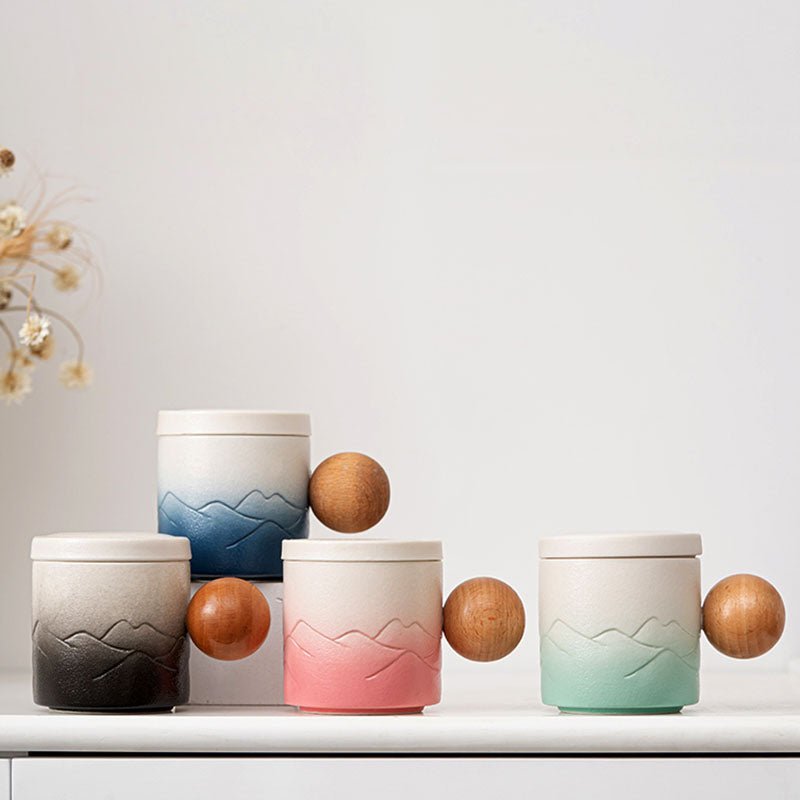
Grateful Dead Coffee Mug Buying Guide: Size, Print, and Daily Use
A Grateful Dead coffee mug should do more than carry the artwork. We break down size, material, print durability, and the trade-offs that matter on a real kitchen counter or office desk.
Read more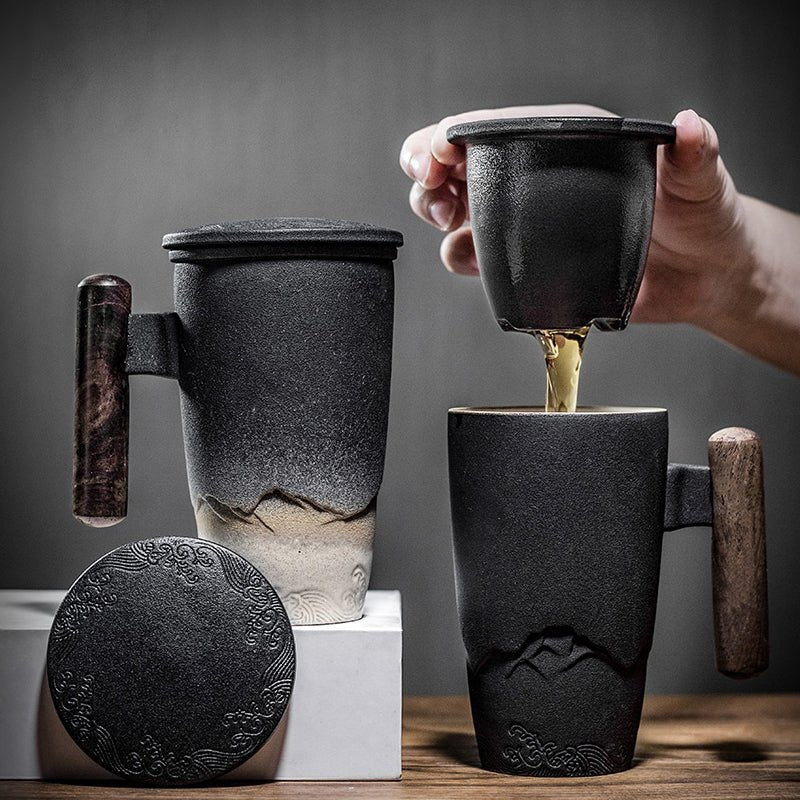
Metallica Coffee Mug Buying Guide: Size, Print, and Everyday Use
A Metallica coffee mug should do more than carry a bold graphic. We break down the size, finish, and care details that matter if you want something that works on a desk, in a kitchen, or as a gift.
Read more
Leave a comment
This site is protected by hCaptcha and the hCaptcha Privacy Policy and Terms of Service apply.