
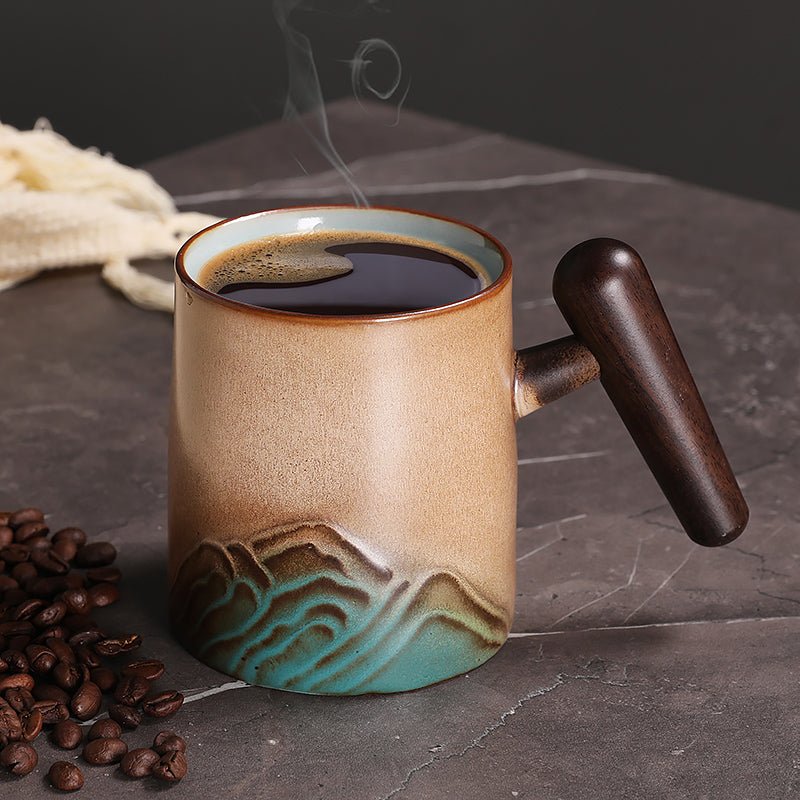
Mimi Coffee Mug: What to Check Before You Buy One
Reading time: about 7 minutes
A mug that looks perfect in photos can still feel wrong on a real desk. The handle pinches. The base wobbles on a flat counter. The cup is too small for the way you actually drink coffee.
That is the practical side of choosing a mimi coffee mug. In our store, we see buyers pick a smaller mug for home offices, narrow kitchen shelves, and gift sets, then realize the real decision is not just style. It is capacity, balance, rim comfort, and whether the mug works for the drink they make most often.
What is a mimi coffee mug best for?
A mimi coffee mug usually makes sense for shorter pours: a compact drip coffee, a flat white, an Americano with some room left, or tea on a desk. It also works well if you want a mug that feels lighter in the hand and takes up less space in a cabinet or on an espresso station.
It is not the best choice if you routinely pour large mugs to the top, add a lot of milk, or want one cup that covers everything from morning drip coffee to a full latte. A compact mug gives you less headroom, which matters more than people expect once foam, cream, or tea bags enter the picture.
We also see a simple pattern: buyers who like a smaller mug usually care about balance and grip more than raw volume. A good compact mug should sit flat, feel stable when full, and have a handle that leaves enough space for two fingers without squeezing.
What should you check before buying one?
Three things decide whether a compact mug feels good in daily use: the capacity, the handle, and the finish. Those are the details that matter after the first unboxing.
- Capacity: Check the ounce size against how much you actually pour. A 10 oz mug feels tidy and compact. An 11 oz mug is the common middle ground. A 12 oz mug gives more room for milk or tea.
- Handle clearance: Your fingers should pass through without rubbing the body of the mug. If the handle sits too close to the cup wall, it becomes annoying fast.
- Rim comfort: A smooth rim matters. If the lip feels too thick or slightly rough, you notice it every time you drink.
- Base stability: A clean foot ring helps the mug sit flat on a kitchen counter, office desk, or tray. A mug that rocks is a problem from day one.
- Care instructions: Check whether the mug is meant for dishwasher and microwave use, or whether it needs hand washing. That affects both convenience and long-term wear.
There are also common defect modes worth watching for, even in well-made mugs: a hairline crack near the handle join, pinholes in the glaze, an uneven foot ring, or a rough patch on the rim. Those issues may sound minor, but they show up quickly in daily use. A mug can be attractive and still fail the basic comfort test.
Material matters too. Ceramic and stoneware are the usual choices for this category. Ceramic tends to feel lighter and smoother. Stoneware often feels more substantial and can hold heat well, but it may be heavier in the hand. If you prefer a compact mug that stays comfortable during a long sit at the desk, that weight difference is worth checking.
Which CoffeifyMug options make sense if you want something compact?
If you want a mug that still feels giftable or display-worthy, we would start by comparing a few design-led options side by side. The right choice depends on whether you want the mug to disappear into daily routine or stand out on the shelf.
For a more visual mug with a nature-inspired feel, look at the Mountain Sea Coffee Tea Mug and the Planet Coffee Tea Mug. If you want something with a different visual language, compare those against the Spittoon Coffee Tea Mug. These are the kinds of mugs that work well for a desk, a shelf, or a gift box, but they should still be judged on the same practical basics: handle fit, rim feel, and capacity.
If you want to see everything in one place before deciding, browse the full range in our All Collections. That is usually the fastest way to compare styles without opening a dozen tabs.
How does it compare to 10 oz, 11 oz, and 12 oz mugs?
Size is where many buyers get stuck, so we keep returning to this comparison. If you are deciding between the common compact sizes, our size guides can help: 10 oz Coffee Mug: Size, Fit, and What to Check Before You Buy, 11 oz Coffee Mug: Size, Fit, and What to Check Before You Buy, and 12 Ounce Coffee Mug Buying Guide for Daily Use and Better Fit.
| Size | Best for | Main trade-off |
|---|---|---|
| 10 oz | Smaller pours, espresso drinks, tighter cabinet space | Less room for milk, foam, or tea bag movement |
| 11 oz | Everyday drip coffee, office desks, balanced feel | Still compact, but slightly less airy than 10 oz |
| 12 oz | Longer pours, tea with milk, buyers who want headroom | Can feel bulky in smaller hands and cabinets |
The practical difference is not subtle. A 10 oz mug feels neat and efficient, but it can crowd a cappuccino. An 11 oz mug is the safest middle option for most households. A 12 oz mug gives breathing room, yet it starts to lose the compact feel that makes a mimi coffee mug appealing in the first place.
If you mostly drink from a travel tumbler, none of these will feel oversized. If you use a mug for full breakfast coffee and frequent refills, the smaller sizes may feel too tight. That is the trade-off buyers should be honest about before they click buy.
What are the real trade-offs of a compact mug?
A small mug is not a universal upgrade. It solves some problems and creates others.
- Better for: Desk coffee, smaller servings, shelf space, gifting, and drinks you want to finish before they cool.
- Not good for: Large lattes, heavy milk drinks, oversized pour-over servings, and people who refill throughout the morning.
- Worth checking: Dishwasher compatibility, microwave use, and whether the mug fits under your espresso machine or coffee machine spout.
- Easy to miss: The mug may look compact online but still feel tall in a shallow cabinet or narrow cup holder.
Another limitation is hand comfort. Some compact mugs have a body that is fine, but a handle that is too tight for larger fingers. Others are the opposite: a roomy handle with a cup that feels heavy for the size. We would rather sell a mug that is honest about its use case than oversell one that only looks good on a product page.
For many shoppers, that honesty matters more than the design. A compact mug should earn its place by being easy to use, easy to wash, and easy to store. If it does only one of those things well, it is probably the wrong fit.
Frequently asked questions
Is a mimi coffee mug good for everyday use?
Yes, if your daily drink is usually a smaller pour and you want a mug that feels balanced on a desk or kitchen counter. It is less useful if you drink multiple large refills or prefer one mug that handles everything from coffee to oversized tea.
What size is best for a mimi coffee mug?
Most buyers end up between 10 oz and 12 oz. A 10 oz mug feels the most compact, 11 oz is the most versatile, and 12 oz gives you more room for milk or tea without jumping into a large mug.
How do I know if the handle will be comfortable?
Check the finger clearance and the way the handle meets the cup. If the opening is too tight or the handle sits too close to the body, the mug may feel awkward after a few uses. A comfortable handle should let you lift the mug without forcing your knuckles against the ceramic.
Can I use a mimi coffee mug for lattes or tea?
Yes, but the experience depends on the size. It works well for tea and smaller espresso drinks, while larger lattes usually need more headroom. If you like a lot of milk foam or add-ins, a slightly larger mug is usually the better choice.
What should I check on the product page before ordering?
Look at the capacity, material, care instructions, and the overall shape of the base and handle. If you are buying for a specific machine or shelf, check the height and width as well. Those measurements prevent most of the common returns we see in this category.
If you are narrowing it down now, start with the All Collections page and compare capacity, handle clearance, and care notes before you buy. If you want a design-led compact mug, revisit the three product pages above and choose the one that matches how you actually drink coffee at home or at work.
Read more
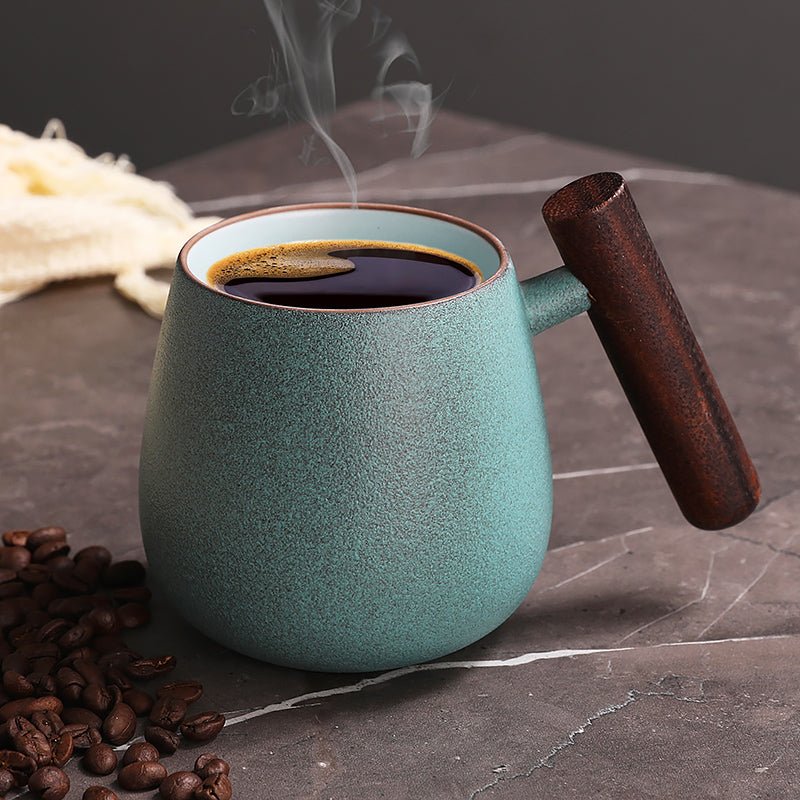
Raiders Coffee Mug Buying Guide: What to Check Before You Buy
A practical guide to choosing a raiders coffee mug that looks right on the desk and still works for everyday coffee. We cover size, material, care, and the trade-offs that matter before you buy.
Read more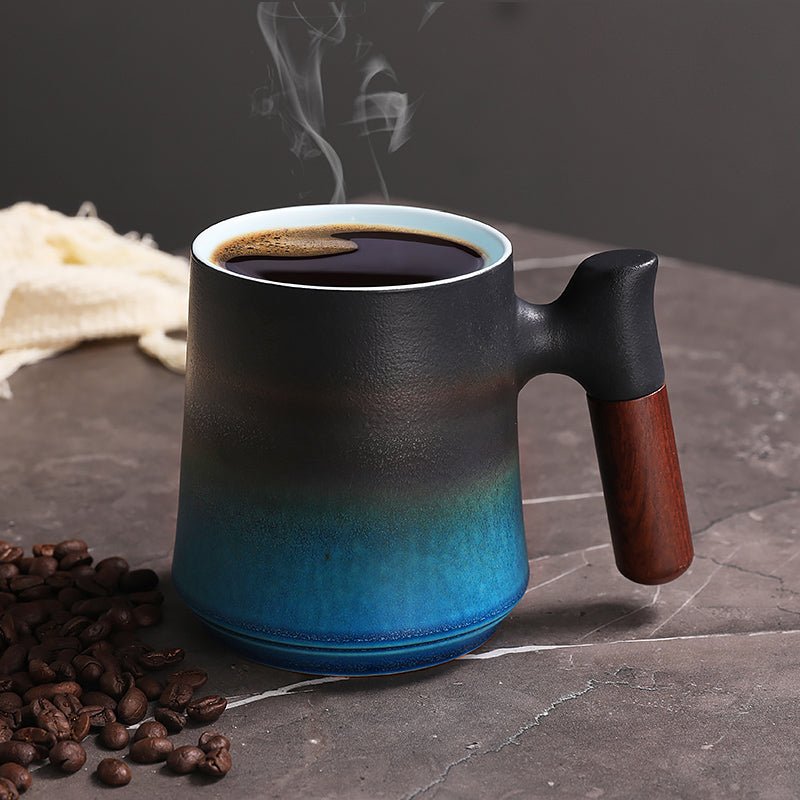
Non Breakable Coffee Mugs: Best Materials, Shapes, and Buying Tips
Non breakable coffee mugs are really about choosing the right material, wall thickness, and handle shape for real kitchen use. We compare the options shoppers actually ask about, plus where each on...
Read more
Leave a comment
This site is protected by hCaptcha and the hCaptcha Privacy Policy and Terms of Service apply.