
Jade Mutton Fat Buying Guide: Color, Texture, and Value
Reading time: about 8 minutes
A piece of jade mutton fat can look calm and creamy in one photo and flat or chalky in another. That difference usually comes down to texture, polish, and lighting, not just the stone itself.
We handle product photos and buyer questions around pieces like this by looking at the same things customers notice in person: color, surface feel, translucency, and whether the item looks finished rather than merely polished. If you are comparing options, start with that practical lens. For a broader browse of our current assortment, you can check our products page or compare against the rest of our collection before deciding.
What does jade mutton fat actually mean?
Jade mutton fat refers to jade with a creamy white to pale ivory appearance, often with a soft, waxy luster that gives it a smooth visual depth. Buyers usually use the term to describe the look, not a strict single chemical category, so two pieces can share the label and still feel very different in hand.
In practice, the appeal is less about bright color and more about restraint. The best-looking pieces feel dense, quiet, and even. On a desk or shelf, they should read as refined rather than flashy. That is why this style is often chosen for gifting, display, and understated collections.
If you want a deeper breakdown of color and surface cues, our related guide Mutton Fat Jade: How to Judge Color, Texture, and Value goes further into how those details affect value.
How do you judge color without overpaying?
Color is the first thing most shoppers see, but it should not be judged in isolation. Jade mutton fat that looks uniformly white under a bright phone flash can flatten out in daylight. A more honest piece usually shows soft variation, with a creamy body and subtle depth rather than a hard, paper-white finish.
We look for color that feels consistent without looking painted over. If there are grayish patches, cloudy seams, or a yellow cast, that does not automatically make the piece bad. It does mean you should decide whether the tone works for your use case, especially if you want a clean desk accent or a gift that photographs well.
- Choose creamier tones if you want warmth on wood, stone, or darker surfaces.
- Choose paler ivory if you want a brighter, more minimal look.
- Avoid pieces that look unnaturally uniform under every angle, since that can hide surface treatment or heavy polishing.
- Ask for daylight photos whenever possible. Indoor warm bulbs can make jade mutton fat look richer than it really is.
For buyers comparing display pieces, the safest move is to judge the stone against the environment where it will live. A kitchen counter, office desk, or entry table changes how the color reads.
What texture and finish should you expect?
The best jade mutton fat usually has a soft, even luster rather than a mirror shine. That waxy finish is part of the appeal. It should feel smooth, but not glassy. If the surface looks wet or overly slick, inspect carefully for aggressive polishing or coating.
There are a few details we check before recommending a piece:
- Surface evenness: Look for a consistent finish across the front, sides, and edges.
- Micro-lines or pits: Tiny marks can happen in natural material, but concentrated pitting can affect the look and sometimes the feel.
- Carving edges: On figurines or small objects, the sharper areas should still look rounded and deliberate, not chipped.
- Weight in hand: A solid, dense feel matters. Very light pieces often feel less substantial than they appear online.
For shoppers who want the most tactile, handled look, jade mutton fat is better than high-gloss decorative stone. For someone who wants sparkle or strong contrast, another material may suit better. We would not steer you toward this style if your goal is a high-shine, modern statement object.
What defects or weak points should you watch for?
In our experience, the most frustrating problems are not dramatic damage. They are small issues that only show up after unboxing. A piece can look fine in photos and still disappoint if the finish is uneven or the edges feel careless.
Common defect modes to inspect for include:
- Color pooling: A darker band or cloudy area that distracts from the overall calm look.
- Surface scratches: Fine marks that catch light under a desk lamp or window.
- Edge chips: These often appear on carved corners, feet, or thin protrusions.
- Over-polish: A finish that looks artificial instead of naturally waxy.
- Inconsistent thickness: Especially relevant on thin decorative pieces that may feel fragile.
That is also why product photos matter. We prefer shots that show the object from multiple angles, under neutral light, with enough close detail to inspect the finish. If a listing hides the edges or only shows one flattering angle, treat that as a warning sign rather than a minor omission.
Is jade mutton fat practical for everyday use?
It can be practical, but not for every scenario. Jade mutton fat works well as a display piece, a keepsake, or a gift where calm presentation matters. It is less ideal if you want something that will be handled roughly, tossed into a bag, or exposed to repeated hard knocks.
Real-world use matters here. On a kitchen counter, it can collect dust and cooking residue if placed too close to prep areas. On an office desk, it can look elegant but may show fingerprints or lint if the surface is highly polished. During gift unboxing, it often makes the strongest impression when paired with simple packaging, because the material itself is already visually restrained.
Basic care is straightforward:
- Wipe it with a soft dry or slightly damp cloth.
- Avoid abrasive cleaners and rough pads.
- Store it separately from harder objects that can scratch the surface.
- Keep it out of harsh direct sunlight if the piece is displayed in a place with strong heat and glare.
It is not the right choice for buyers who want zero-maintenance decor or something that can be scrubbed aggressively. If you need a rugged everyday object, a different material is the safer fit.
How do you compare jade mutton fat options before buying?
We recommend comparing by use first, not by label alone. A piece meant for a shelf display should be judged differently from a small hand-held item or a gift presentation piece. The right choice depends on where it will live and how often it will be touched.
| What to compare | What good looks like | What to avoid |
|---|---|---|
| Color | Soft cream or ivory with natural depth | Flat, washed-out white or harsh yellowing |
| Texture | Waxy, even luster with smooth transitions | Chalky patches or overly glossy coating |
| Finish | Consistent polish on all visible surfaces | Scratches, tool marks, or sharp edges |
| Weight | Dense and balanced in hand | Unusually light for the size |
| Use case | Display, gifting, quiet decor | Rough daily handling or heavy wear |
If you are still comparing, move between the product examples on our products page and the broader collection to see how finish and presentation change across items. That side-by-side view is often more useful than chasing a single perfect photo.
What should a careful buyer ask before checking out?
A few direct questions will tell you more than a polished description ever will. We use these ourselves before recommending a piece.
- Does the listing show the item in neutral light, not only warm indoor light?
- Are the edges, back, and sides visible?
- Is the finish described as natural, polished, or coated?
- Does the seller mention size, weight, or dimensions clearly?
- Is there a return or exchange path if the piece arrives with an issue?
Those questions matter because jade mutton fat is a visual purchase. If the listing is vague, the buyer carries more risk. Clear photos, plain language, and specific measurements are signs the seller expects informed comparison rather than impulse buying.
Frequently asked questions
How can I tell if jade mutton fat is genuine from photos?
Photos alone are not enough to prove authenticity, but they can reveal weak spots. Look for consistent texture, believable light behavior, and full-angle images that show the edges and back. If the listing only shows close-ups or overly filtered shots, ask for more detail before buying.
Is jade mutton fat good for daily handling?
It can be handled carefully, but it is better suited to light use than rough daily wear. Frequent contact can show fingerprints, fine scratches, or dulling over time. If you want something that will take abuse, choose a harder-use material instead.
What size works best for a desk or small shelf?
Smaller pieces tend to work best because they do not crowd the surface. A compact item is easier to clean around and less likely to feel heavy visually on a small desk. If the object is for a shelf, measure the available depth first so it does not look cramped.
Does jade mutton fat need special cleaning products?
No. A soft dry cloth is usually enough, and a slightly damp cloth is fine for light surface dust. Avoid abrasive cleaners, scouring pads, or harsh chemicals because they can dull the finish or leave marks.
What is jade mutton fat not a good choice for?
It is not the best option for buyers who want a high-shine statement piece, rugged everyday handling, or a low-maintenance item that can be cleaned aggressively. It shines most as a calm display object or a thoughtful gift where material feel matters more than flash.
If you want the safest buy, compare jade mutton fat by color depth, texture, finish, and how it will actually sit in your space. A good piece should look calm on the shelf and hold up under a closer look.
Start with the checklist above, then compare current options in our collection and products pages. That is the quickest way to separate a clean, giftable piece from one that only looks good in a cropped photo.
Read more
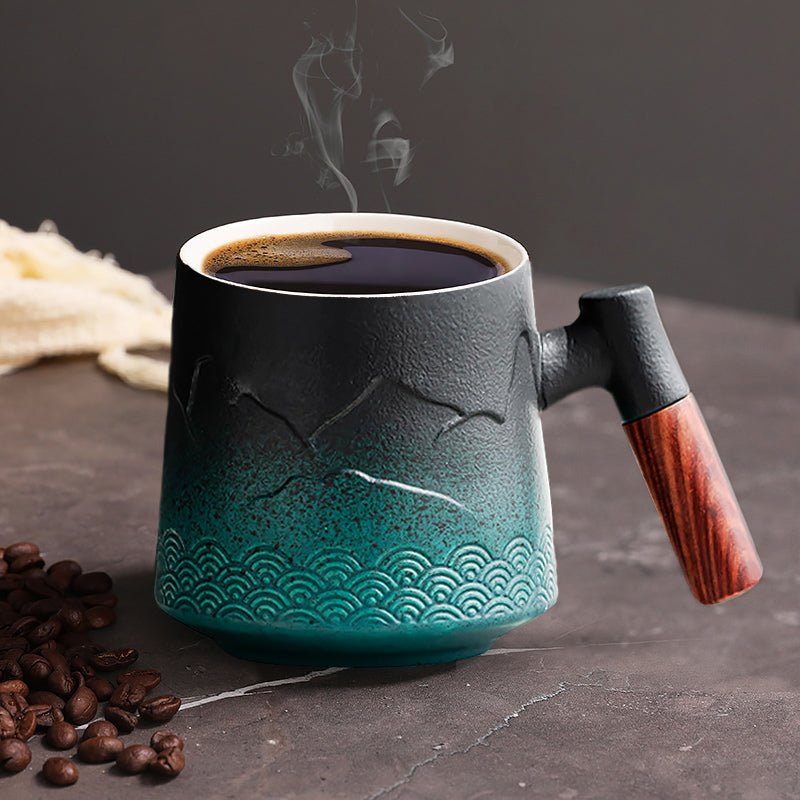
Wood Cup Buying Guide: What to Check Before You Buy
A wood cup can feel great in the hand, but the details matter more than the look. We cover materials, care, trade-offs, and the checks we use before recommending one.
Read more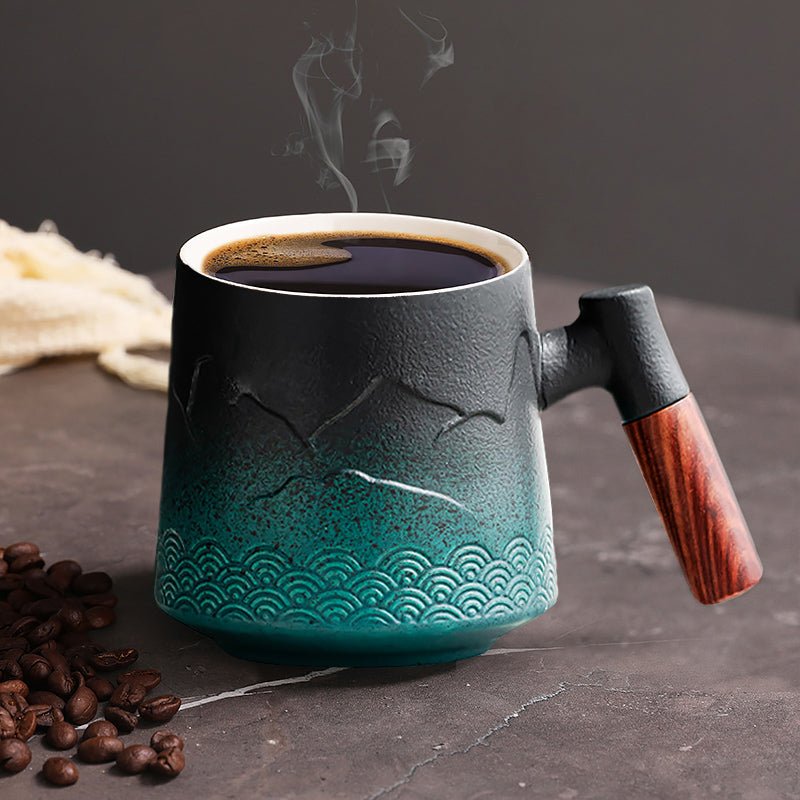
Wooden Coffee Mug Buying Guide: What to Check Before You Buy
A wooden coffee mug can be comfortable, quiet, and distinctive, but only if the finish, capacity, and care instructions fit how you actually drink coffee. We break down the checks that matter befor...
Read more
Leave a comment
This site is protected by hCaptcha and the hCaptcha Privacy Policy and Terms of Service apply.