
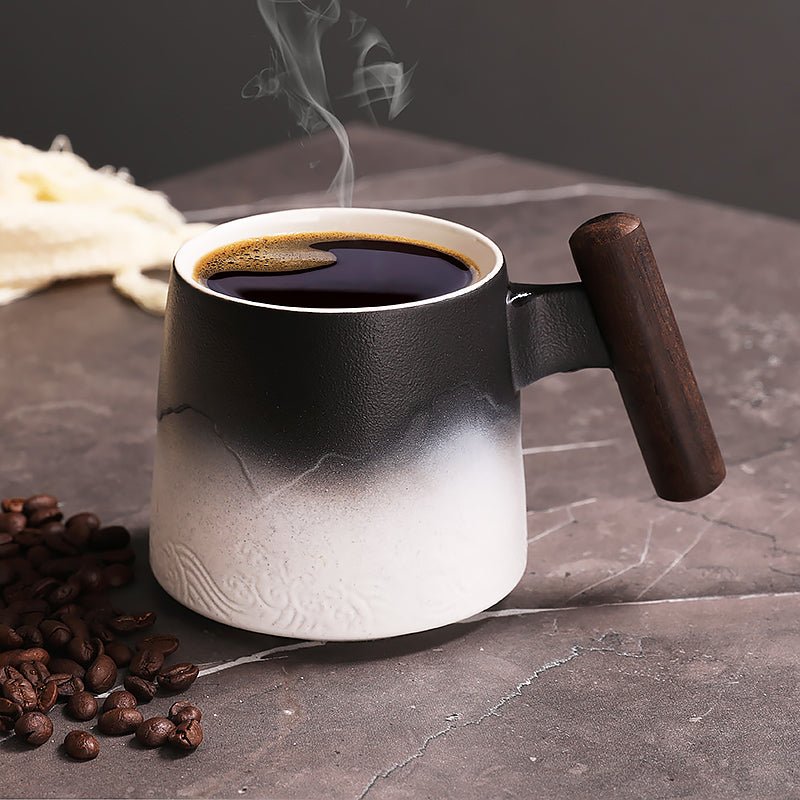
Interesting Mugs for Daily Coffee: What Buyers Should Check
Reading time: about 9 minutes
A mug can look great in a product photo and still feel wrong in your hand. We see that a lot with interesting mugs: the print is clever, the shape stands out, but the handle pinches two fingers, the cup is too wide for the coffee you actually drink, or the glaze shows marks after a few dishwasher cycles.
That is the gap this guide is meant to close. We handle mugs for everyday use, gift orders, and shelf display, so we pay attention to the details that matter after the unboxing: how the mug sits on a counter, how hot the rim feels, whether the base feels steady on a desk, and whether the finish still looks good after regular washing. If you want a broader overview first, our article Interesting Coffee Mugs: How to Pick One That Fits Your Routine covers the routine side of the decision.
What makes interesting mugs worth buying instead of just looking good?
The best interesting mugs do two jobs at once. They add personality to the kitchen, office, or gift box, and they still make sense for the drinker. A mug with an unusual shape can be memorable, but it should still pour cleanly, sit flat, and hold the amount of coffee you expect in the morning.
In our store, the mugs that get the best feedback are the ones that balance form with everyday use. That usually means a ceramic or stoneware body, a handle that leaves room for at least two fingers, and a size that matches the drink. A tall 16 oz mug is useful for larger coffee pours or tea, while an 8 oz cup is often better for espresso-based drinks or smaller servings. For more size-specific buying guidance, see our posts on 12 oz Coffee Mugs: What to Check Before You Buy and 16 Ounce Coffee Mugs: Size, Materials, and Fit Guide.
There is also a practical side to interesting mugs that shoppers sometimes miss:
- Glaze and finish: glossy glazes often show fewer fingerprints, while matte finishes can show scuffs or utensil marks sooner.
- Rim shape: a thinner rim can feel better for sipping, but thicker rims often feel sturdier in daily handling.
- Base weight: a heavier base helps the mug feel stable on a desk or tray, especially near laptops and notebooks.
If a mug is only interesting because it is odd-looking, it usually becomes a cabinet piece. If it is interesting and practical, it becomes the mug people reach for without thinking.
Which size and material should you choose for everyday use?
Size and material are the two choices that affect satisfaction the most. They change how the mug feels in the hand, how quickly the drink cools, and how often you will actually use it.
| Choice | Best for | Trade-off |
|---|---|---|
| 8 oz ceramic or stoneware | Smaller coffee, espresso drinks, tea tastings | Not ideal if you routinely pour large drip coffee servings |
| 12 oz ceramic | Standard coffee routines and office use | Can feel too small for heavy coffee drinkers |
| 16 oz ceramic or stoneware | Larger morning pours, longer sipping sessions | Takes more space in cabinets and may feel heavy when full |
| 20 oz mug | Big coffee, cocoa, soup, or all-day desk use | Less comfortable for people who prefer lighter cups |
Ceramic is the safest all-around option for most buyers. It tends to balance heat retention, visual variety, and easy care. Stoneware usually feels a little denser and more substantial in the hand, which some people love and others find too heavy for everyday desk drinking. If a mug is made for display more than daily rotation, it may have a more delicate shape or glaze that is best handled gently.
We often remind shoppers that a larger mug is not automatically a better mug. A 20 oz piece can be perfect for a long work session, but it is not the right choice if you want a compact cup that fits under a single-serve machine or in a crowded cabinet. If that is your use case, our size guide on 20 Ounce Coffee Mugs: What Buyers Should Check Before Ordering is worth a look.
For shoppers comparing the smallest sizes, the same logic applies in reverse. Smaller mugs can preserve heat better for short drinks, but they are not the best pick for people who top off a mug once and work through the afternoon. We cover those trade-offs in 8 Ounce Coffee Mugs: What Buyers Should Check Before Ordering and 8 oz Coffee Mugs: Size, Material, and Fit Guide.
What details should you inspect before you place an order?
We recommend checking the same practical details every time, especially if you are buying a mug as a gift. These are the things that usually separate a satisfying purchase from one that gets returned or left in the back of a cabinet.
- Measure the capacity realistically. A mug can be labeled one size and still feel different in actual use because of wall thickness and shape. A wide bowl-style mug may hold the same amount as a taller mug but feel far larger in the hand.
- Check the handle space. If you use two fingers through the handle, make sure the opening is comfortable even when the mug is full. A handle that looks stylish on a product page can still be awkward if it is too tight.
- Look at the base and foot ring. A stable mug should sit evenly on a flat counter. An uneven foot can wobble and make it feel cheap, even when the surface decoration is attractive.
- Ask how it should be washed. Dishwasher-safe mugs are easier for everyday use, but printed or specialty-glazed mugs may last longer with gentler washing. If a mug needs hand washing, that should be part of the buying decision, not a surprise later.
- Consider where it will live. A mug for an office desk should not crowd a keyboard. A mug for a kitchen shelf should stack or nest cleanly if storage space is tight.
Common defect modes are worth checking for too. We look closely for uneven glazing at the rim, small glaze pinholes, hairline cracks near the handle attachment, and overly sharp bottoms that can scratch surfaces. Those are not glamorous details, but they matter after day one.
Our experience is simple: the mugs people keep are usually not the loudest designs. They are the ones that feel balanced, wash easily, and still make someone smile when they pour the first cup.
Are interesting mugs good gifts, or do they need a more cautious approach?
They can be strong gifts if you pick with the recipient in mind. A mug is personal without being complicated, which makes it a safe choice for coworkers, teachers, relatives, and casual gift exchanges. The key is to avoid being too clever at the expense of usability.
For gifts, we look at three things first:
- Neutral usefulness: a mug that works for coffee, tea, or cocoa has a better chance of being used often.
- Readable design: novelty graphics or text should still be clear from a normal arm’s length, not only in photos.
- Easy care: if the gift is meant for daily life, dishwasher-friendly is a real advantage.
A highly sculpted novelty mug may be fun at the moment of unboxing, but it can be awkward to clean or store. It may also be a poor fit for a person who drinks while commuting between rooms, because unusual handles and wide bases do not always work well with a crowded desk or sink area.
For gift shoppers who want a broader starting point, our product selection at CoffeifyMug products and the full collection are useful places to compare styles. We keep the focus on mugs that are meant to be used, not just displayed.
How do you care for interesting mugs so they keep their finish?
Care is where a lot of attractive mugs lose points. A mug that looks great out of the box should still look good after repeated washing, stacking, and daily handling. The care routine depends on the material and finish, but a few habits help across the board.
- Let the mug cool before washing if it has been filled with very hot liquid. Sudden temperature changes can be hard on some ceramics.
- Do not stack heavy mugs directly on top of delicate glaze surfaces unless the base and shape are meant for it.
- Use a soft sponge for printed or decorated surfaces if the finish seems sensitive.
- Dry the base fully before storing to reduce water spots and lingering cabinet moisture.
Dishwasher-safe does not mean indestructible. Even durable ceramic can show wear over time if it is packed tightly with metal utensils or knocked against other dishes. Matte finishes often need a little more care than glossy ones. That does not make them bad choices. It just means the buyer should choose them with open eyes.
We see the best long-term results when customers match the mug to the routine. A daily mug for coffee at a kitchen counter needs different durability than a decorative piece used once a week for tea. If you want help matching that fit, revisit our guide on Interesting Coffee Mugs: How to Pick One That Fits Your Routine.
Frequently asked questions
What size is best for interesting mugs used every day?
For most people, 12 oz or 16 oz is the most practical daily size. Twelve ounces works well for standard coffee servings, while 16 oz gives more room for a larger pour or milk-based drinks. If you prefer smaller drinks or espresso-based coffee, an 8 oz mug may be the better fit.
Are ceramic mugs better than stoneware mugs?
Ceramic is usually the most versatile choice because it balances weight, durability, and easy care. Stoneware often feels thicker and more substantial, which many buyers like, but it can be heavier in the hand. If you want a mug for frequent desk use, ceramic is often the safer default.
Do interesting mugs need hand washing?
Not always. Many mugs are fine in the dishwasher, but printed designs, metallic accents, or specialty glazes may last longer with gentler washing. If the mug will be used every day, dishwasher-safe care is a real advantage, especially in a busy kitchen.
What makes a mug uncomfortable to use?
A handle that is too small, a mug that is top-heavy when full, or a rim that feels too thick can all make a mug unpleasant to drink from. Uneven bases can also wobble on a desk or table. These are the details we check first when we handle mugs in our store.
Are interesting mugs a good choice for gifts?
Yes, as long as the design is balanced with practical use. A gift mug should be easy to hold, easy to clean, and suitable for common drinks like coffee or tea. If the design is too niche or the shape is hard to store, it may become a display item instead of a daily favorite.
If you are comparing options now, start with the use case first: desk mug, kitchen mug, or gift mug. Then compare size, handle comfort, and care instructions in our full collection, and use the size guides above to narrow down the best fit before you buy.
More from our blog
Read more
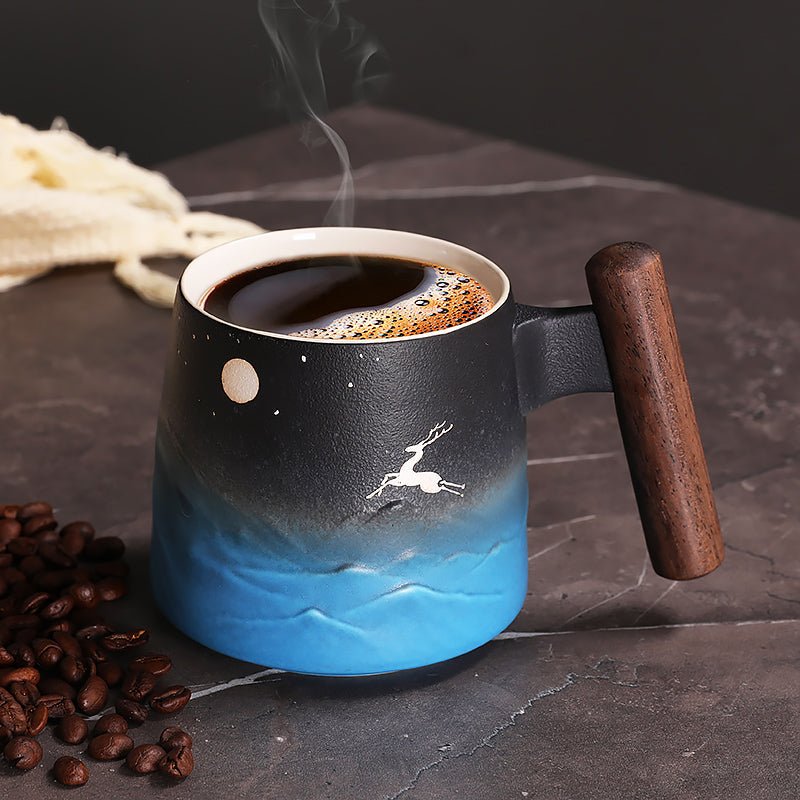
Moon Wood Coffee: What Buyers Should Check Before They Choose
A practical buyer’s guide to moon wood coffee with the details shoppers usually ask us about: sizing, material feel, everyday use, and what to check before buying. Use it to compare options and cho...
Read more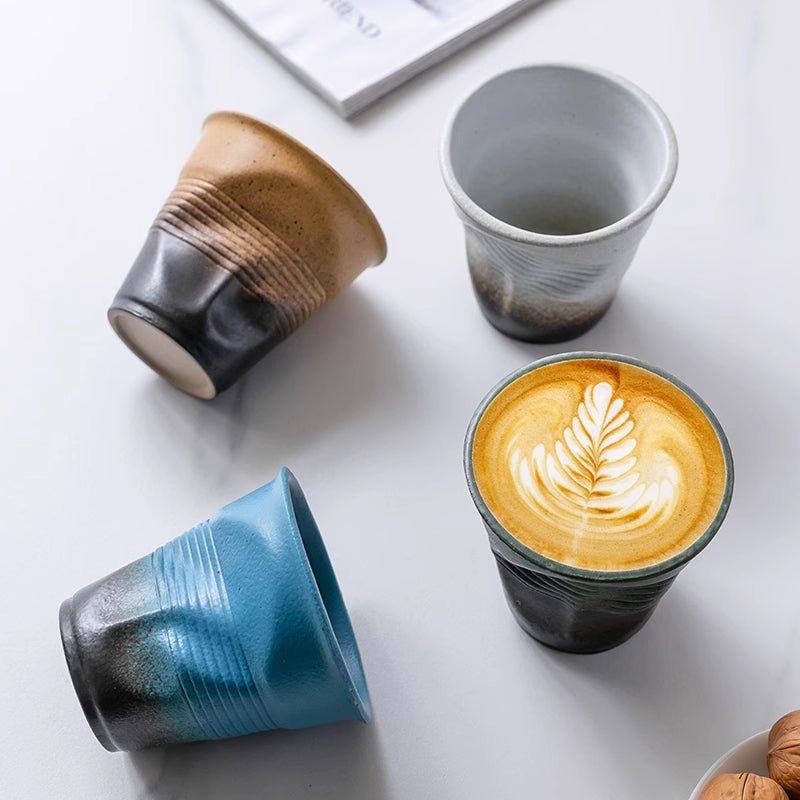
Cool Coffee Cups: What Actually Matters Before You Buy
A practical guide to cool coffee cups that covers materials, sizes, everyday use, and giftability. We focus on the details shoppers notice after the unboxing, not just the first look.
Read more
Leave a comment
This site is protected by hCaptcha and the hCaptcha Privacy Policy and Terms of Service apply.