
Hug in a Mug Coffee & Creamery: Buyer Checklist Before You Order
Reading time: about 9 minutes
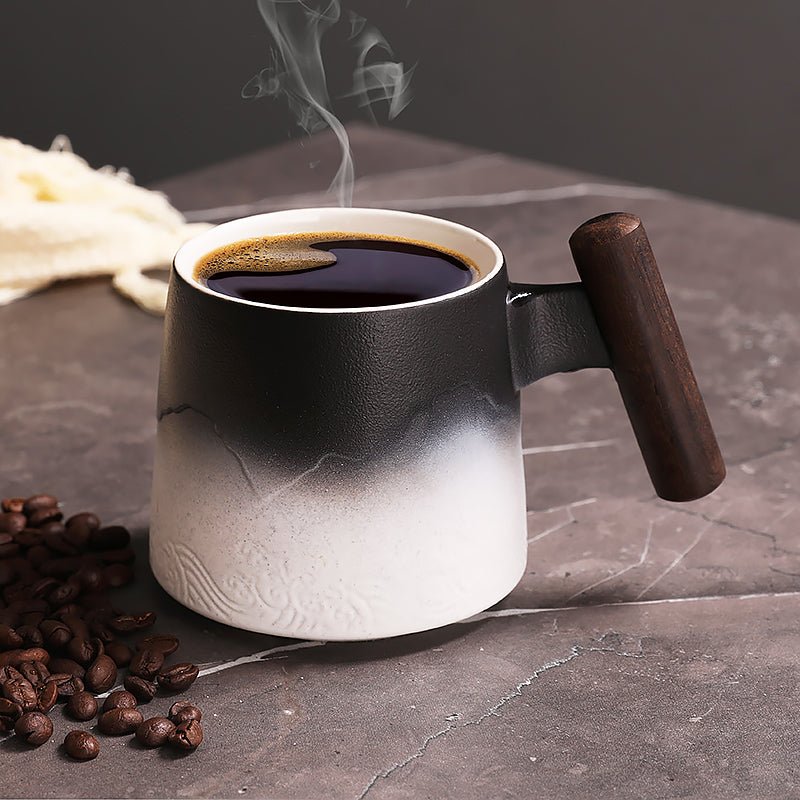
A mug sits on the counter for a reason: the right one feels steady in the hand, clears the coffee maker, and survives a normal dishwasher cycle without becoming annoying to use. If you searched hug in a mug coffee & creamery because you want that same warm, everyday feel, this is the checklist we use in our store before we recommend a mug.
What does this search usually mean for a buyer?
Most shoppers using this phrase are looking for one of three things: a cozy cafe-style mug, a gift with a friendly feel, or a practical cup that works for drip coffee at home. We do not assume a specific brand relationship here; we treat it as a shopping cue and compare the details that matter in real use.
If you want to browse what we currently carry, start with our products page or the full collection. That is the fastest way to see size and style options in one place.
A lot of buyers land on a phrase like this after looking at a coffee shop mug, a local cafe gift, or a simple everyday cup they can use at home. The design may draw them in first, but the actual buying decision usually comes down to how the mug feels after three uses, not the first one.
That is why we look at the mug as a tool, not just a decoration. A mug that looks charming on a shelf can still be frustrating if the handle is tight, the rim feels rough, or the base rocks on a desk. Those are the details that decide whether a mug gets used daily or moved to the back of the cabinet.
What mug size feels right for the drink you actually make?
Size sounds simple until the mug is too small for a milk-heavy drink or too large for a quick pour-over. We always check the cup's usable fill, not just the label on the listing. That matters because a mug that holds your drink comfortably will feel better in the hand and waste less coffee through overfilling.
| Size | Best for | Trade-off |
|---|---|---|
| 10 oz | Espresso-based drinks, small drip coffee, tea, and smaller hands | Fewer refills, but less room for milk or foam |
| 11 oz | Standard home coffee, a balanced everyday cup | Can feel average if you like bigger pours |
| 12 oz | Most drip coffee routines and moderate milk drinks | Versatile, but not a large serving |
| 14 oz | Lattes, longer mornings, and people who sip slowly | Heavier on a desk and takes more cabinet space |
| 15 to 16 oz | Bigger pours, milk-heavy drinks, and fewer refills | Bulkier, and not always ideal for small hands |
If you are comparing smaller formats, our guides on 10 oz Coffee Mug: Size, Fit, and What to Check Before You Buy and 11 oz Coffee Mug: Size, Fit, and What to Check Before You Buy cover the fit questions we hear most often. For a middle-ground option, the 12 Ounce Coffee Mug Buying Guide: Size, Fit, and Best Uses is a practical read, and our larger-size notes in 15 oz Coffee Mug: Size, Fit, and What Buyers Should Check and 16 Ounce Coffee Mug Buyer’s Guide: Size, Material, and Fit are useful if you do not want a refill halfway through the morning.
One detail people miss is how the size changes the balance. A wide, heavy mug can feel perfect for a slow breakfast at the kitchen table and awkward on an office desk where space is tight. A smaller mug may look modest, but it is often the more comfortable choice if you drink straight coffee without much milk.
Which material and finish hold up best in daily use?
Most mugs in this category are ceramic, stoneware, or porcelain. Ceramic and stoneware usually feel heavier and keep heat a little longer; porcelain tends to look cleaner and lighter in the hand. The trade-off is durability versus delicacy: thick walls and a solid base feel reassuring, but a heavy mug can be tiring at a desk if you sip all morning.
- Look at the rim. A smooth, even lip matters more than decorative printing. A sharp or uneven rim is one of the quickest ways a mug feels cheap.
- Check the handle opening. If two fingers do not fit comfortably, the mug may be annoying after a few uses.
- Inspect the base ring and glaze. Tiny glaze misses on the foot or a rough base can scratch a table.
- Confirm the care note. If it is not dishwasher-safe or microwave-safe, that changes how realistic it is for everyday use.
We have also seen common defect modes that are easy to miss online: slight wobble on a flat surface, thin spots in the glaze near the rim, and handles that look fine in photos but pinch the knuckles when the mug is full. That is why our team evaluates a mug as a daily object, not just as a picture.
In practical terms, a good mug should not feel delicate enough that you baby it. If you are nervous every time you set it in the sink, it is not the right everyday pick. The ideal mug is the one you stop thinking about after the first week because it simply does its job.
What should you expect from a mug in real kitchens and offices?
In our experience, a good mug has to survive more than one pretty photo. It gets set down on a work desk, washed after a late-night refill, and sometimes stacked with other cups in a cabinet that was never designed around drinkware.
For that reason, we think about three everyday scenarios:
- Kitchen counter use. The mug should sit level and not feel top-heavy when filled.
- Office desk use. The handle should be easy to grab without bumping a keyboard or mouse pad.
- Gift unboxing. The finish, print quality, and packaging should feel intentional if the mug is being given to someone else.
What a ceramic mug is not best for: commuting, camping, or keeping coffee hot for hours in a bag or car. If that is the goal, a sealed travel mug or insulated tumbler is the better buy. A ceramic mug is about feel, routine, and a better coffee break, not maximum heat retention.
There is also a storage trade-off. Bigger mugs can crowd a cabinet shelf faster than people expect, especially if the handle shape is wide or the body is tall. Smaller mugs are easier to stack and tuck away, but they may not match the drink volume you prefer.
How do we compare options before we list them in our store?
We look for the small things that save a buyer from a bad first week with the mug. That includes the balance between body and handle, whether the mug fits under a single-serve pod brewer or drip machine, and whether the finish will show wear quickly.
If you want a concrete example of the kind of check we make, our article on Intazza Coffee Mug & Grub: What Buyers Should Check Before Ordering follows the same buyer-first approach. We also use size-specific references like the 12 oz Coffee Mug: Size, Fit, and What to Check Before Buying when people are deciding between a daily mug and a larger cup.
If you are narrowing down options, compare each listing on these points:
- Actual capacity and what drink you make most often.
- Material and wall thickness.
- Microwave and dishwasher care notes.
- Handle shape and finger clearance.
- Base stability on a flat table or mug warmer.
In our store, that checklist matters more than a marketing phrase. A mug that passes those points is usually the one people keep reaching for after the first few mornings, which is exactly what a daily cup should do.
Which mug works best as a gift or a coffee corner piece?
A gift mug has to do more than hold coffee. It should look good on the counter, feel comfortable on the first use, and not require a long explanation about care. That is why we usually steer gift buyers toward simpler shapes and finishes that are easy to live with.
For a home coffee corner, a slightly wider mug can work well because it feels stable next to a grinder, sugar jar, or creamer. For a small cabinet, though, very wide mugs can be awkward to stack. If you already know you want to browse, our current selections are in the all collection page, and the live assortment on products shows what is available right now.
One practical trade-off: oversized mugs are great for milk-based drinks and slow mornings, but they can be too bulky for quick refills or small hands. Smaller mugs feel neater and lighter, but they may not be enough if you want a full latte or a large drip coffee.
If you are buying for someone else, we usually suggest choosing a mug that is easy to understand at a glance. Neutral shape, comfortable handle, and no care routine that requires extra explaining. That keeps the gift useful after the packaging is gone.
Frequently asked questions
What mug size should I buy for drip coffee?
For most drip coffee drinkers, 11 oz to 12 oz is the safest starting point. It gives you enough room for a normal pour without making the mug feel oversized on a desk or kitchen counter. If you add a lot of milk, move up to 14 oz or larger.
Is ceramic or stoneware better for daily use?
Both work well for daily use, but they feel different in the hand. Stoneware usually feels a bit heavier and more grounded, while ceramic can look and feel slightly lighter depending on the wall thickness. Choose the one that feels comfortable enough to use every day, not just the one that looks best in a photo.
Can I put a coffee mug in the dishwasher and microwave?
Only if the product page says it is safe for both. Many everyday mugs are designed for that kind of use, but some decorative finishes or printed surfaces need more care. We always tell buyers to check the listing before they assume a mug can handle heat and repeated wash cycles.
Where should I start if I searched hug in a mug coffee & creamery?
Start by comparing mug size, material, and care notes instead of focusing only on the name or image. Our products page shows what is currently available, and the full collection makes it easier to compare options side by side.
If you are comparing options now, start with our products page, then open the all collection and compare size, handle shape, and care notes side by side. That is the fastest way to narrow a mug that will actually be used, not just displayed.
More from our blog
Read more
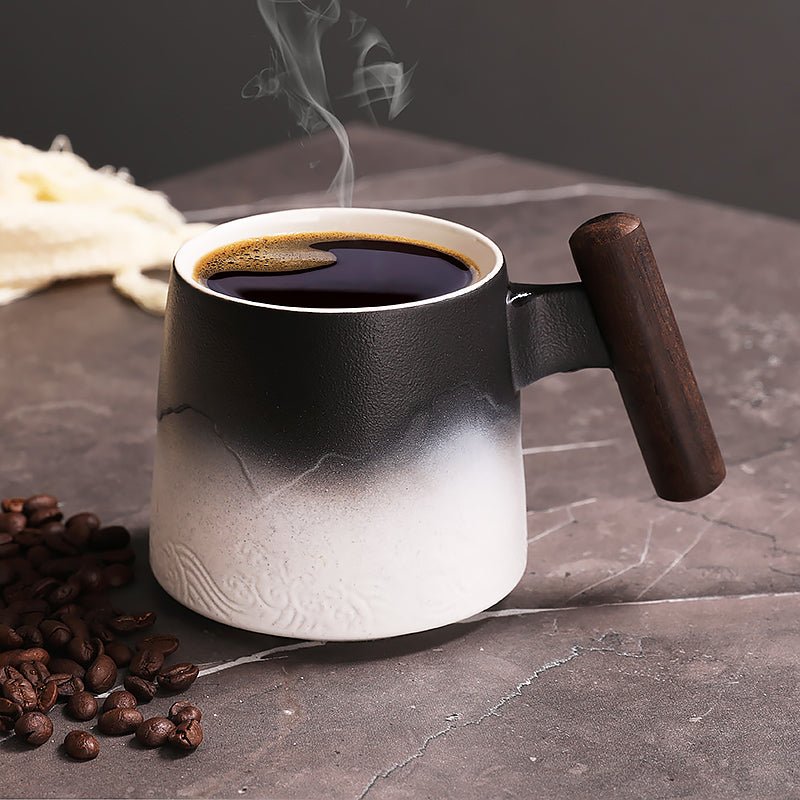
Thermos Coffee Mugs: What to Check Before You Buy
Thermos coffee mugs are not all built the same. We break down size, lid type, insulation, materials, and cleaning so you can pick the right one for commuting, office use, or gift-giving.
Read more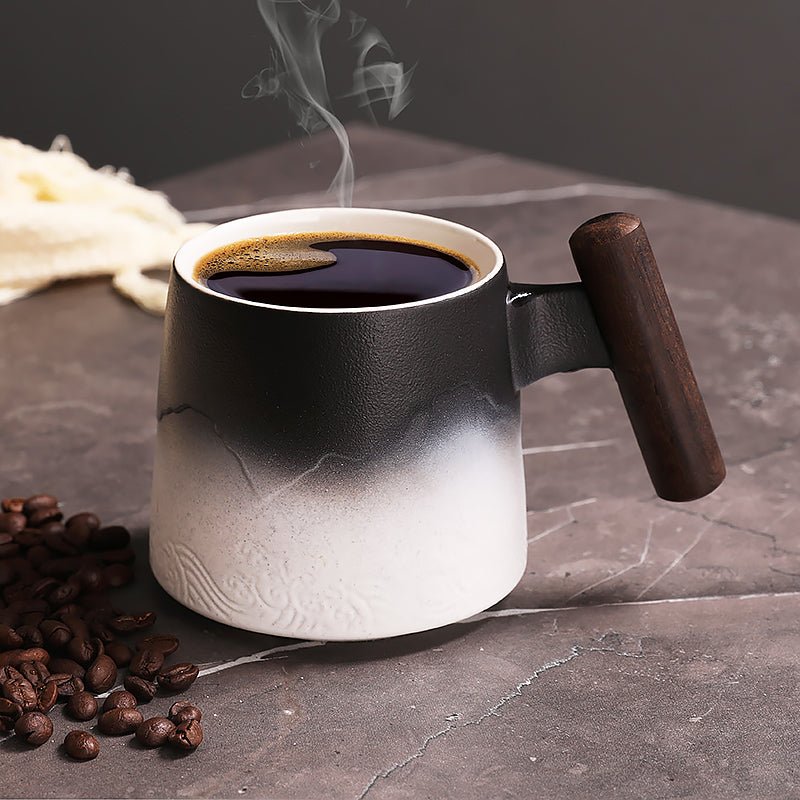
Insulated Ceramic Coffee Mug: What to Check Before You Buy
An insulated ceramic coffee mug is a strong pick for desk coffee, slower sipping, and buyers who care about taste and feel. Here’s what to check before you choose one, and when a different mug is t...
Read more
Leave a comment
This site is protected by hCaptcha and the hCaptcha Privacy Policy and Terms of Service apply.