

How to Get Coffee Stains Out of a Mug Without Damaging the Finish
Reading time: about 8 minutes
A brown ring at the bottom of a favorite mug usually shows up after a few refills on a desk or a long morning at the kitchen sink. We see it most on glazed ceramic mugs that get used hard, then left to dry with a little coffee film still on the walls.
If you are searching for how to get coffee stains out of mug without scratching the glaze, start with a gentle wash, not a heavy scrub. If you are comparing mugs that should clean up easily after daily use, start with the smooth interior of the Emerald Coffee Tea Mug or the simple shape of the Round Coffee Tea Mug, then browse our full collection for a finish that suits your routine. The right glaze matters because coffee likes to grab onto texture, seams, and tiny scratches.
In our experience, most stains are not permanent. They are coffee oils, tannins, and mineral residue layered onto the surface. The catch is that the same cleaner that fixes one mug can dull another, so the safest approach depends on the material and finish.
For a more detailed walk-through on protecting the surface while you clean, our guide on How to Remove Coffee Stains from a Mug Without Damaging It covers the gentler side of this process.
What kind of stain are you dealing with?
Not every brown mark is the same. A light tan ring wipes away differently than a dark band that has been sitting in the mug for days. If the stain is only on the glossy interior, you usually need a mild cleaner and friction. If the stain has worked into crazing, etched glaze, or tiny cracks, it may not fully lift.
- Fresh film: usually comes off with dish soap and warm water.
- Set-in ring: often needs baking soda or a brief vinegar soak.
- Stain in scratches or crazing: may improve, but can leave a shadow.
- Printed, matte, or metallic finish: needs the gentlest method first.
That last point matters. A glossy white mug can usually handle a soft scrub. A matte exterior, screen print, or metallic trim can wear faster if you use abrasive pads. We see that difference all the time when mugs come back from daily office use, especially if they sit on a desk near a laptop and get rinsed fast instead of washed carefully.
What is the safest step-by-step method for most ceramic mugs?
For an everyday glazed ceramic mug, this is the method we would start with at our sink:
- Rinse the mug with warm water to remove loose coffee residue.
- Add a drop of dish soap and wipe the inside with a soft sponge.
- If the ring stays, make a paste with 2 parts baking soda to 1 part water.
- Rub the paste around the stain in small circles for 20 to 30 seconds.
- Let it sit for 5 to 10 minutes, then rinse well.
- If a shadow remains, repeat once before moving to a stronger soak.
This works well because baking soda gives mild abrasion without chewing up a good glaze. It is not the right first move for rough stoneware, cracked glaze, or decorative finishes that scratch easily. A soft sponge, a normal dish brush, and warm water are usually enough to handle a fresh stain before it becomes a set-in ring.
Should you use baking soda, vinegar, or dish soap?
The right cleaner depends on how stubborn the stain is and what the mug is made of. We use the mildest option that will still work, because over-cleaning is how good finishes get worn down.
| Method | Best for | Watch out for | Typical time |
|---|---|---|---|
| Dish soap and warm water | Fresh coffee film and everyday cleanup | Usually too mild for old rings | 1 to 2 minutes |
| Baking soda paste | Glazed ceramic, porcelain, and most plain mugs | Can dull soft prints if scrubbed hard | 5 to 10 minutes |
| White vinegar soak | Mineral-heavy residue and older stains | Skip on cracked glaze and unsealed decoration | 5 to 15 minutes |
| Gentle overnight soak | Stains that have sat for days | Only after checking that the mug finish is sound | Several hours |
Vinegar helps when the stain is tied to mineral buildup, but we do not recommend soaking every mug in acid. If the interior has hairline cracks, chips, or a very decorative finish, test a small area first and keep the soak short. Warm water is enough here. Boiling water adds risk on thin ceramic and does not improve stain removal enough to justify the thermal shock.
For another finish-safe approach, our article on How to Get Rid of Coffee Stains in Mugs Without Damaging the Finish lays out a few more low-risk options for older mugs and everyday kitchen cleanup.
What should you avoid on printed, matte, or older mugs?
This is where people accidentally make a stain problem worse. We see the most damage from steel wool, abrasive powders used too aggressively, and long vinegar soaks on mugs with worn glaze.
- Avoid steel wool and harsh scouring pads on printed mugs.
- Avoid bleach unless the mug is plain, white, and the manufacturer says it is safe.
- Avoid leaving acidic cleaners in a mug with chips, crazing, or cracks.
- Avoid dishwashers as the only cleanup plan if coffee stains are already setting in.
If the mug has a matte exterior or raised decoration, clean the inside with a soft sponge and keep the outside dry. That helps preserve the finish around the rim, handle, and any logo or artwork. A mug can still be perfectly usable even if it is a little old, but once the glaze starts to feel rough, it tends to hold stains more stubbornly.
We also steer shoppers toward this same cautious approach in our guide to How to Get Rid of Coffee Stains in Mugs Without Damaging the Finish, especially if the mug is a gift or has a printed design you want to keep intact.
Which mug shapes and finishes are easiest to keep clean?
Shape matters more than people expect. A wide opening is easier to scrub than a very narrow mug, and a smooth glazed interior is easier to rinse than a textured one. Tall mugs can be comfortable for long pours, but a narrow base can make it harder to reach the bottom with a sponge.
That is one reason shoppers often compare something like the Landscape Tall Coffee Tea Mug with a rounder everyday shape. The taller profile can feel more substantial on a desk, while the rounder mug is easier to clean quickly at the sink after a couple of cups. The taller profile is not ideal if your sink is shallow or you rely on a short sponge.
In our store, the easiest mugs to maintain are the ones with:
- A smooth, glossy interior
- No rough texture where coffee can cling
- Simple glazing around the rim
- Minimal recessed decoration inside the cup
The trade-off is that a very plain mug may be easier to care for, but it may not be the best gift if the buyer wants a more distinctive look. A more decorative mug can still be a good choice, just expect a little more hand cleaning and a little more care around the finish. We see that often with gift unboxings: the mug that looks best on the shelf is not always the one that stays spotless after six months of office coffee.
When should you stop scrubbing and replace the mug?
If coffee stains keep returning even after a proper soak, the mug may be telling you something. Hairline cracks, visible crazing, a rough interior, or chips along the rim create tiny places where residue sticks and cleaning gets less effective. At that point, the issue is not just appearance. It is also hygiene and long-term durability.
We would replace a mug sooner if it starts to absorb smell, holds onto tea or coffee flavor after washing, or feels rough after cleaning. That is especially true for older ceramic mugs that have been through years of dishwasher cycles. If the stain is inside damage, not on top of the glaze, no cleaner will make the mug look brand new again. You can improve it, but you may not erase it.
If the glaze is worn through, the stain may be a symptom, not the problem.
For a fresh replacement, browsing our full mug collection is the fastest way to compare shapes, finishes, and everyday usability in one place.
Frequently asked questions
Why does coffee stain a mug even after one wash?
Coffee leaves behind tannins and oils, and those can cling to microscopic texture in the glaze. If the mug sits with residue drying inside it, the stain becomes more visible and takes more effort to lift. A quick rinse right after use makes a real difference, especially on lighter-colored mugs.
Can I put baking soda directly into the mug?
Yes, but it works best as a paste with a little water so you can control the scrub. Dry baking soda can be messier and less even on the stain. For most glazed mugs, the paste gives you enough cleaning power without being overly aggressive.
Is vinegar safe for ceramic coffee mugs?
Usually yes for plain, sound ceramic, but keep the soak short and rinse well. We would avoid vinegar on mugs with cracks, crazing, metallic trim, or delicate printed decoration. If the finish is already worn, start with dish soap and baking soda before moving to acid.
What is the fastest way to remove old coffee stains?
For a plain glazed mug, a baking soda paste is usually the fastest safe option. If the stain is older or tied to mineral buildup, add a short vinegar soak after the first wash. If the stain does not move after that, the glaze may be damaged or worn.
Can the dishwasher remove coffee stains from a mug?
Sometimes it helps with fresh residue, but it usually does not fix a set-in ring by itself. A dishwasher can also leave a mug looking clean while the stain stays faintly visible. For stubborn stains, hand treatment is more reliable.
If you are choosing a replacement, check three things before you buy: a smooth interior, an easy-to-grip handle, and a finish that matches how you wash dishes. Compare the Emerald, Round, and Landscape styles, then pick the mug that fits your sink, your routine, and how much hand cleaning you want to do after coffee.
Read more

Mug of Coffee Clipart: How to Choose a Mug That Prints Cleanly
A mug of coffee clipart can look perfect on screen and still print badly if the mug shape, curve, or surface finish works against the artwork. Here is how we help shoppers compare options before th...
Read more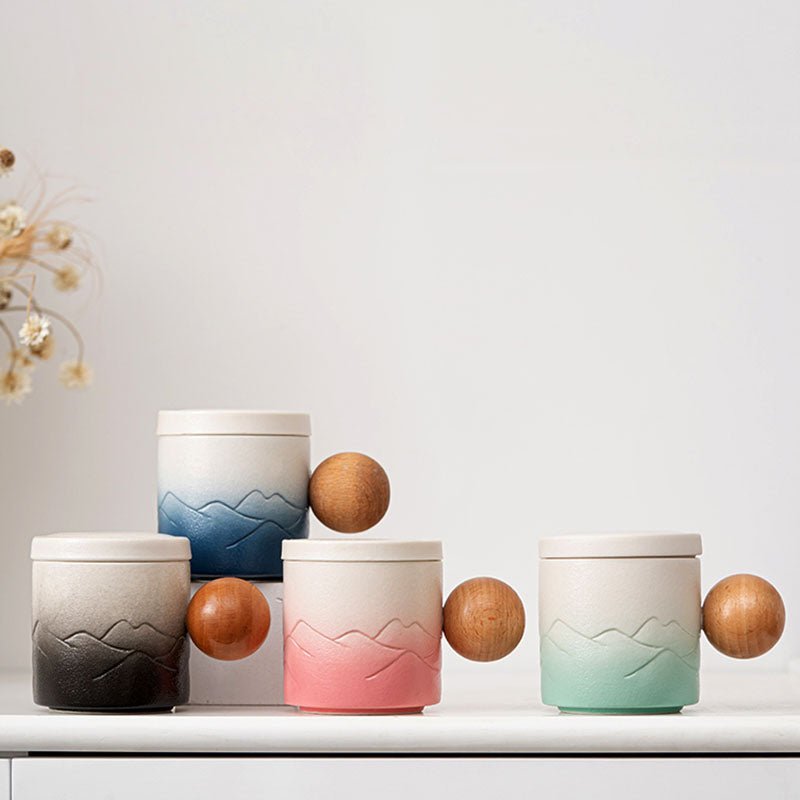
Easter Coffee Mug Ideas for Gifts, Brunch, and Everyday Use
A practical guide to choosing an easter coffee mug that looks good on the brunch table and still works on Monday morning. We compare shapes, size, care, and giftability so you can pick a mug that f...
Read more
Leave a comment
This site is protected by hCaptcha and the hCaptcha Privacy Policy and Terms of Service apply.